How to Prevent Dementia? A Doctor-Reviewed Answer

There is no guaranteed way to prevent dementia, but many risk factors are modifiable. The strongest preventive steps include controlling blood pressure, exercising regularly, not smoking, and managing diabetes.
Key Takeaways
- There is no guaranteed way to prevent dementia, but many risk factors are modifiable.
- The strongest preventive steps include controlling blood pressure, exercising regularly, not smoking, and managing diabetes.
- Hearing loss, poor sleep, depression, social isolation, and heavy alcohol use can also affect dementia risk.
- New or worsening memory problems should be medically assessed, especially if daily functioning is affected.
- Doctors evaluate memory concerns with history-taking, physical and neurological exams, cognitive testing, and sometimes blood tests or brain imaging.
How to prevent dementia is a common question, and in many people the most effective approach is not one single supplement or puzzle, but steady control of everyday health risks across midlife and later life. While no method can guarantee prevention, healthy habits, treatment of medical conditions, and early review of warning signs can lower risk and support long-term brain health.
Overview: What helps prevent dementia?
For most people, preventing dementia is less about finding a single “brain booster” and more about protecting the brain over many years. The best-supported steps are practical ones: keeping blood pressure, blood sugar, and cholesterol in a healthy range; exercising regularly; avoiding smoking; limiting alcohol; sleeping well; staying socially and mentally engaged; and addressing hearing loss, depression, and other treatable conditions.
It is also reassuring to know that occasional forgetfulness is common, especially during stress, poor sleep, anxiety, or busy periods. Misplacing keys, briefly forgetting a name, or needing reminders does not always mean dementia. However, memory or thinking changes that become more noticeable, more frequent, or disruptive to everyday life deserve medical review.
No article can promise complete prevention, because dementia has many causes and some risk factors, such as age and genetics, cannot be changed. Still, reducing modifiable risks may delay onset, lower overall risk, and help preserve independence and quality of life for longer.
Why dementia happens and which risks can be changed
Dementia is not one single disease. It is a group of symptoms caused by disorders that affect brain function, including memory, language, reasoning, behavior, and daily functioning. Alzheimer’s disease is the most common cause, but vascular changes, Lewy body disease, frontotemporal disorders, and mixed causes are also possible. Readers who want broader background may find it helpful to learn about Alzheimer’s disease.
Some risk factors cannot be changed, including increasing age, family history, and certain inherited genetic conditions. But many other risks are potentially modifiable. These include high blood pressure, diabetes, obesity, smoking, physical inactivity, untreated hearing loss, depression, social isolation, poor sleep, and excessive alcohol use. Stroke and other vascular conditions can also affect cognitive health over time.
The reason prevention focuses so much on general health is simple: the brain depends on healthy blood flow, oxygen, sleep, sensory input, and active nerve connections. Habits that protect the heart and blood vessels often protect the brain as well. That is why dementia prevention overlaps with prevention of stroke, diabetes, and heart disease.
The most effective lifestyle steps to reduce dementia risk

Regular physical activity is one of the most consistently supported strategies for brain health. Exercise improves blood flow, supports cardiovascular fitness, helps control weight, improves sleep, and may reduce inflammation. The goal does not have to be intense training; walking, cycling, swimming, strength work, and balance exercises can all be useful when done consistently and safely.
Diet also matters, although no single food can prevent dementia on its own. A balanced eating pattern rich in vegetables, fruits, beans, whole grains, nuts, olive oil, and fish is often recommended. Limiting highly processed foods, excess salt, and excess sugar can also help by supporting blood pressure, cholesterol, and blood sugar control.
Mental and social activity appear to be helpful too. Reading, learning new skills, playing music, structured hobbies, volunteering, and meaningful conversations may support cognitive reserve. Social connection is especially important, because isolation can worsen mood, reduce stimulation, and make early decline harder to notice.
- Be physically active most days of the week.
- Choose a heart-healthy, balanced diet.
- Stay socially connected and mentally engaged.
- Avoid smoking and limit alcohol.
- Protect hearing, sleep, and mood.
Medical conditions that matter for prevention
Blood pressure control is one of the most important preventive steps, especially in midlife. High blood pressure can damage blood vessels in the brain over time, increasing the risk of vascular cognitive impairment and mixed dementia. If a doctor recommends treatment, sticking with follow-up and medication plans can be an important part of protecting long-term brain health.
Diabetes, high cholesterol, obesity, and sleep apnea also deserve attention. These conditions can contribute to inflammation, vascular damage, and reduced oxygen delivery, all of which may affect the brain. Good management may include nutrition changes, exercise, weight reduction, regular checkups, and treatment plans tailored by a clinician.
Hearing loss is often overlooked. When hearing becomes harder, the brain may work harder to process sound, and social withdrawal may follow. Proper hearing evaluation and hearing aids when appropriate may help reduce strain and support communication. Mood disorders matter as well: depression and anxiety can affect concentration and memory, and they are important to treat in their own right.
In some cases, doctors may investigate related neurological concerns such as Parkinson’s disease or prior stroke if symptoms or history suggest they are relevant to cognitive changes.
Red flags: when memory changes need medical review
Many day-to-day lapses are harmless, but certain patterns are more concerning. A medical review is wise if a person repeatedly forgets important conversations, misses medications or bills, gets lost in familiar places, struggles to follow steps in tasks they used to manage easily, or has language, judgment, or personality changes. These signs do not always mean dementia, but they do deserve proper assessment.
Symptoms that come on suddenly or worsen quickly need especially prompt attention. Confusion after a fall, new trouble speaking, weakness, severe headache, sudden behavior change, or major decline over days to weeks may point to causes other than dementia, including infection, medication effects, delirium, stroke, or metabolic problems. These situations should not be dismissed as ordinary aging.
Family members often notice changes before the person affected does. Bringing specific examples to a medical visit can be very helpful. Dates, situations, and patterns give the doctor a clearer picture than a general description of “memory loss.”
How doctors assess dementia risk and memory problems
If someone asks a doctor how to prevent dementia, the discussion often begins with a risk review. The clinician may ask about blood pressure, diabetes, sleep, exercise, alcohol, smoking, hearing, mood, family history, and any current memory concerns. This helps identify modifiable risks and guides personalized prevention advice.
If symptoms are already present, evaluation usually includes a full medical history, a medication review, and a physical and neurological examination. Brief cognitive tests can assess memory, attention, language, and planning skills. Doctors often speak with a family member or trusted companion as well, because outside observations can clarify changes in daily functioning.
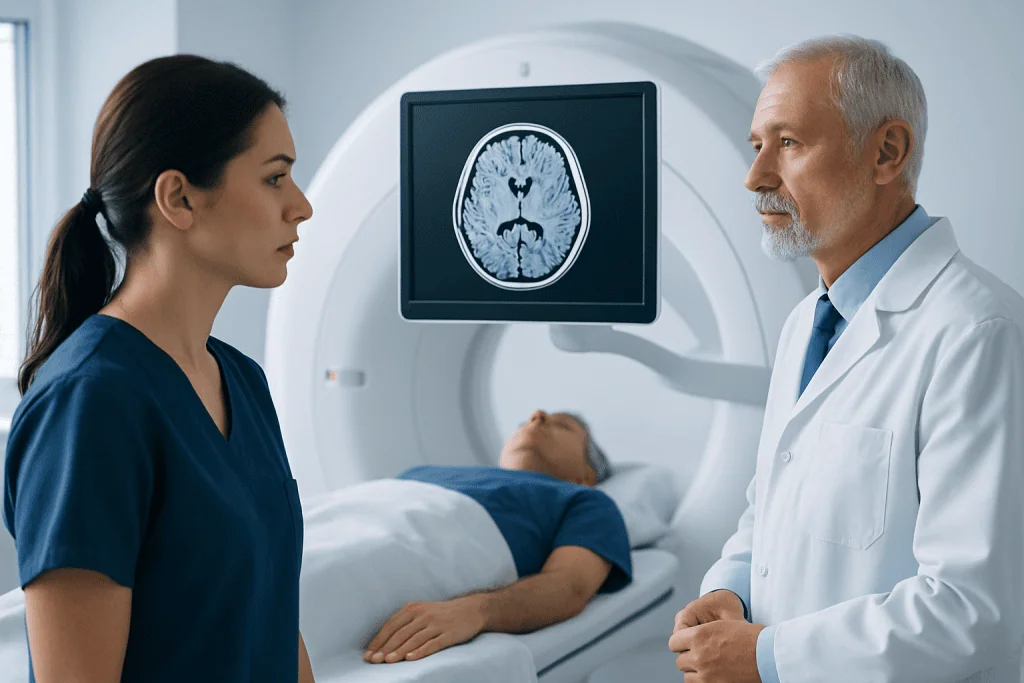
Blood tests may be used to look for potentially reversible causes of cognitive symptoms, such as vitamin deficiencies, thyroid problems, or infection. In some cases, brain imaging may be recommended to look for stroke, structural changes, tumors, hydrocephalus, or patterns that support a particular diagnosis. Depending on the findings, a doctor may suggest advanced evaluation such as brain MRI or, when detailed assessment is useful, neurological rehabilitation support after illness or injury affecting cognition.
Treatment, self-care, and long-term brain protection
Dementia prevention and treatment overlap in important ways. Even when a person is already developing cognitive decline, managing vascular risk factors, improving sleep, treating hearing loss, supporting mood, and maintaining physical and social activity may still help preserve function. Care is often most effective when it addresses the whole person rather than memory alone.
Self-care works best when it is realistic and sustainable. A person may start by walking regularly, reducing smoking, improving sleep routines, checking hearing, and keeping medical appointments for blood pressure or diabetes. Small, repeated actions often matter more than short-lived intensive efforts. Family support can make these changes easier to maintain.
If doctors identify a specific cause of symptoms, treatment is tailored accordingly. This may include medication review, treatment of depression or sleep apnea, vascular risk management, cognitive support strategies, and structured follow-up. In some situations, neurological teams may consider supportive therapies or evaluations such as a preventive health check-up to review overall risk factors in a coordinated way.
Near the end of this process, some patients also seek multidisciplinary assessment in specialized centers. Acibadem International’s JCI-accredited hospitals and multidisciplinary specialists diagnose and treat dementia-related conditions for international patients when a more comprehensive evaluation is needed.
When to seek medical care
Medical advice should be sought if memory or thinking changes are persistent, progressive, or interfere with daily life. Examples include repeated missed appointments, trouble handling finances or medications, increasing confusion, getting lost, or noticeable changes in language, decision-making, or behavior. Even when symptoms turn out not to be dementia, assessment can uncover treatable causes.
Urgent care is important for sudden confusion, one-sided weakness, trouble speaking, severe headache, seizures, fainting, or a rapid decline over hours to days. These symptoms may signal stroke, infection, medication toxicity, dehydration, or other medical emergencies. Quick evaluation can be critical.
It is also reasonable to arrange a routine appointment if a person has several dementia risk factors but no current symptoms. Preventive review can help build a plan around blood pressure, diabetes, sleep, exercise, hearing, mood, and other factors that support healthier aging.
Frequently asked questions
Can dementia really be prevented?
There is no guaranteed way to prevent dementia completely. However, many studies show that lowering modifiable risk factors such as high blood pressure, smoking, inactivity, poor sleep, and untreated hearing loss may reduce risk or delay onset.
What is the single best habit for dementia prevention?
There is probably no single best habit on its own. The most effective approach is a combination of regular physical activity, cardiovascular risk control, healthy eating, good sleep, social engagement, and treatment of medical conditions such as diabetes or depression.
Does doing puzzles prevent dementia?
Puzzles and other mental activities may help keep the brain active and support cognitive reserve, but they are not enough by themselves. They are best seen as one part of a broader prevention plan that also includes physical and medical health.
At what age should someone start thinking about dementia prevention?
Brain-healthy habits are helpful throughout adult life, and midlife is especially important for managing blood pressure, weight, hearing, and smoking. That said, it is never too late to improve lifestyle and address medical risks.
Is occasional forgetfulness a sign of dementia?
Not necessarily. Stress, poor sleep, anxiety, depression, medications, and normal aging can all cause mild forgetfulness. Medical review is more important when changes are getting worse, happening often, or affecting everyday activities.
Should a person see a doctor for memory concerns even if symptoms seem mild?
Yes, especially if the symptoms are new, progressive, or noticed by family members. Early assessment can identify reversible causes, provide reassurance when appropriate, and help plan treatment or monitoring if needed.
References
- World Health Organization
- National Institute on Aging
- Alzheimer’s Association
- Centers for Disease Control and Prevention
- National Institute for Health and Care Excellence
This article is for general information only and is not a substitute for professional medical advice. Please consult a qualified doctor about your individual situation.
Dementia in Turkey — costs, top hospitals & a free quote
JCI-accredited · board-certified surgeons · reply within 24h
Check your numbers in seconds
BMI, calories, due date, blood pressure and 30+ more clinical calculators — free, instant, doctor-reviewed ranges.