How to Speed Up Nerve Regeneration after Prostate Surgery: Procedure, Recovery and Results

Nerves around the prostate may be stretched, bruised or removed during surgery depending on the cancer and surgical approach. Nerve healing and erectile-function recovery commonly take months and can continue for up to two years or longer.
Key Takeaways
- Nerves around the prostate may be stretched, bruised or removed during surgery depending on the cancer and surgical approach.
- Nerve healing and erectile-function recovery commonly take months and can continue for up to two years or longer.
- Pelvic floor exercises, gradual activity, smoking cessation and control of diabetes or vascular disease support overall recovery.
- Penile rehabilitation may include tablets, vacuum devices, injections or implants when appropriate and prescribed by a specialist.
- New severe pain, fever, inability to pass urine, heavy bleeding or symptoms of a blood clot require prompt medical assessment.
Nerve recovery after prostate surgery cannot be safely forced or guaranteed, but careful rehabilitation, control of health conditions, regular follow-up and early management of erectile function can support the body’s healing process. Recovery differs widely between individuals and may continue for many months after surgery.
How to Speed Up Nerve Regeneration After Prostate Surgery
There is no proven way to make nerves regenerate instantly after prostate surgery, but patients can support recovery by following their surgical team’s instructions, gradually returning to activity, protecting cardiovascular health and discussing early rehabilitation for erections and continence. Time is an important part of healing: nerves that control erections may recover slowly after a prostatectomy, particularly when they were stretched or temporarily affected during surgery.
The aim of prostate cancer surgery is complete and safe cancer treatment. When clinically appropriate, surgeons may preserve the neurovascular bundles beside the prostate, which carry signals involved in erections. However, nerve-sparing is not always possible because the priority is removing cancer safely. Recovery depends on the extent of surgery, pre-surgery erectile function, age, other medical conditions and whether one or both nerve bundles could be preserved.
It is useful to view recovery as a coordinated process rather than a single treatment. Urologists, continence specialists, pelvic floor physiotherapists and sexual-health professionals can help patients manage symptoms and choose suitable options after prostate cancer treatment.
How the Nerves Are Affected During Prostatectomy
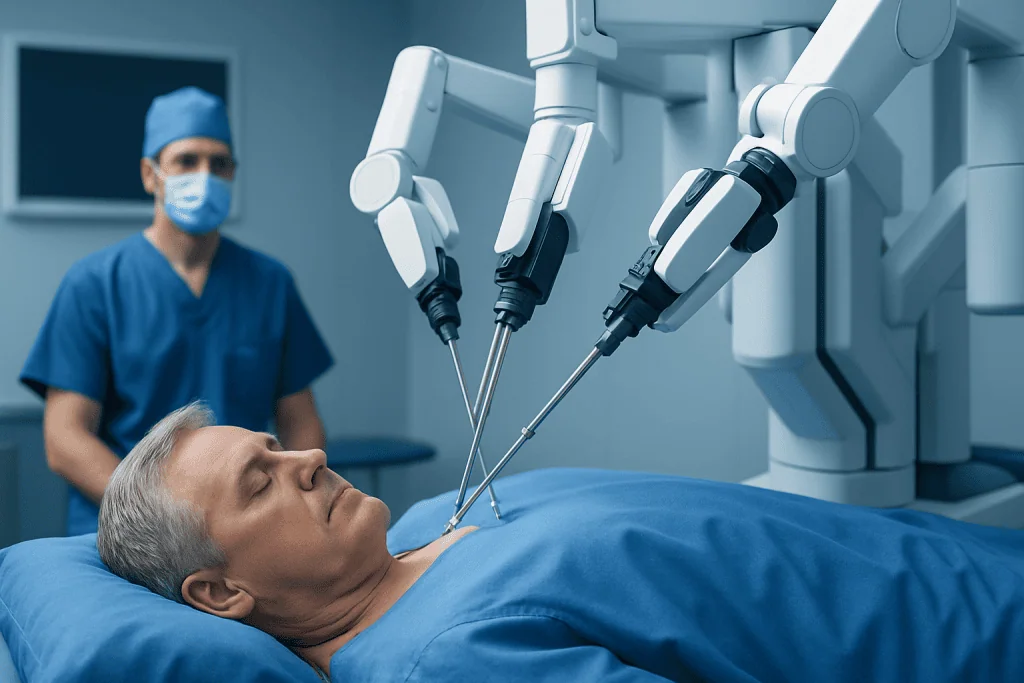
A radical prostatectomy removes the prostate gland and usually the seminal vesicles. It may be performed through open, laparoscopic or robotic-assisted techniques. During the operation, the surgeon works close to delicate nerves and blood vessels on each side of the prostate. These structures help trigger and maintain erections by carrying signals between the brain, spinal cord and penile tissue.
Even in a nerve-sparing operation, the nerves may be affected by handling, swelling, reduced blood flow or temporary stretching. This is often described as neuropraxia, a temporary interruption in nerve signaling rather than permanent loss of the nerve. It can cause erectile dysfunction immediately after surgery while tissues recover.
If cancer extends close to or into these nerve bundles, removing part or all of a bundle may be necessary to achieve appropriate cancer control. In that situation, spontaneous erection recovery is less likely, but effective treatments for erectile dysfunction may still be available. Urinary leakage after surgery has different mechanisms, usually involving the urinary sphincter and pelvic floor rather than the erection nerves alone.
Candidacy and Planning for Nerve-Sparing Surgery
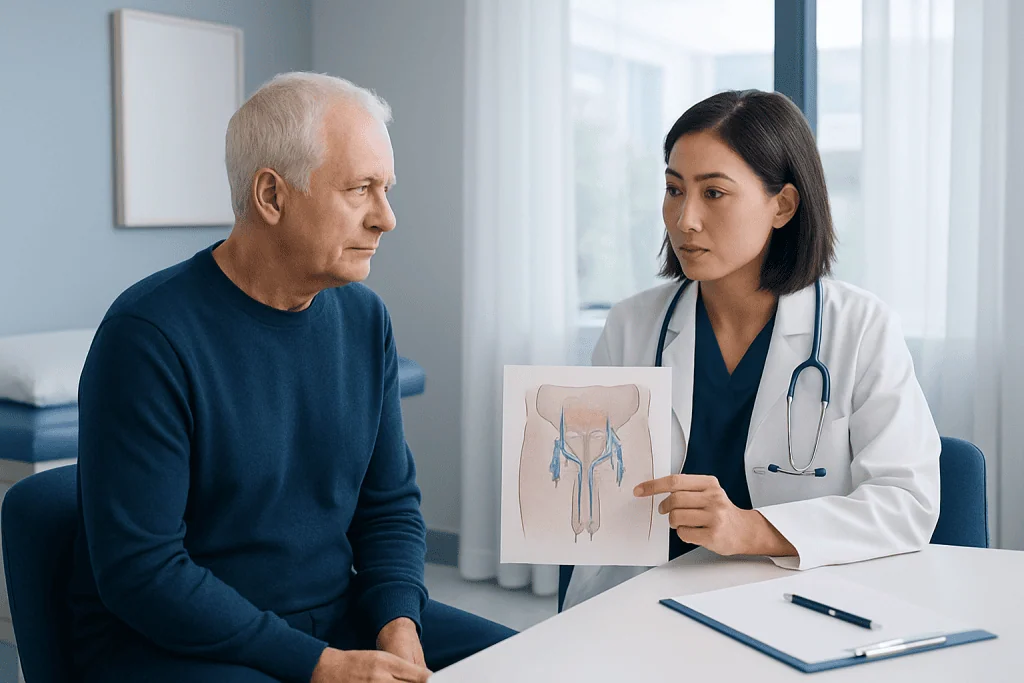
Whether nerve-sparing surgery is suitable is determined before and during the operation. The care team considers prostate-specific antigen results, biopsy findings, MRI imaging where indicated, the location and extent of cancer, and the likelihood that cancer has reached tissues near the nerves. The final decision may need to balance nerve preservation with the need to remove the cancer thoroughly.
Patients with good erections before surgery, lower-risk or favorably located cancer, and no major vascular or neurological causes of erectile dysfunction may have a greater chance of recovering erections after a bilateral nerve-sparing procedure. This does not guarantee recovery, and patients should receive realistic counseling before treatment.
Before surgery, it can help to document baseline urinary and sexual function, review current medicines and address factors that can affect healing. Diabetes, high blood pressure, high cholesterol, smoking, obesity, low physical fitness and emotional stress can all influence erection quality and recovery. These conditions should be managed with the patient’s regular doctor and urology team.
What Happens During and After the Procedure
During radical prostatectomy, the surgeon removes the prostate and reconnects the bladder to the urethra. A urinary catheter is placed to allow the surgical connection to heal. When appropriate, the surgeon carefully separates and preserves the nerve bundles; this may be done on one side or both sides, depending on cancer characteristics and surgical findings.
After surgery, patients are monitored for pain control, bleeding, mobility and safe return of bowel function. The catheter typically remains in place for a period determined by the surgical team. Once it is removed, temporary urine leakage is common and gradually improves for many people with time and pelvic floor training.
Sexual recovery should be discussed early, even if erections do not return immediately. Regular follow-up gives the team an opportunity to review pathology results, monitor cancer status and tailor rehabilitation. Patients should not start erectile dysfunction medication, supplements or devices without medical advice, particularly if they use nitrates for chest pain or have certain heart conditions.
How Long Does It Take for Nerves to Heal After Prostate Surgery?
Nerve signaling often recovers gradually rather than in days or weeks. Some patients notice early improvement within several months, while others need 12 to 24 months or more to see their best level of erectile-function recovery. The pace varies substantially, and the absence of early erections does not necessarily mean that recovery will not occur.
Recovery is generally more likely after bilateral nerve-sparing surgery than when only one side or neither side can be preserved. Preoperative erectile function, age, diabetes, cardiovascular health, smoking status and the need for additional cancer treatments can also affect outcomes. Radiation therapy or hormone therapy after surgery may further influence sexual function.
Follow-up appointments are important because the care team can assess progress over time and modify the recovery plan. In addition to erections suitable for intercourse, clinicians may ask about partial or spontaneous erections, sensation, libido, urinary control and emotional wellbeing. These details help guide individualized care.
How Do You Fix Nerve Damage After Prostate Surgery?
There is no surgical repair that reliably restores the erectile nerves after every prostatectomy. When nerves were temporarily affected rather than removed, treatment focuses on supporting recovery, maintaining healthy penile tissue and treating erectile dysfunction while natural nerve signaling returns. This approach is often called penile rehabilitation, although the exact plan varies and evidence for individual approaches continues to evolve.
A urologist may discuss phosphodiesterase type 5 inhibitors, such as sildenafil or tadalafil, when medically safe. Other options include vacuum erection devices, intraurethral medication, penile injection therapy and, for persistent erectile dysfunction that does not respond to less invasive options, a penile prosthesis. These treatments can help provide erections even when nerve recovery is incomplete.
Pelvic floor physiotherapy may improve urinary control and can support sexual rehabilitation for some patients. Psychological support or sex therapy can also be valuable, especially when anxiety, altered body image, relationship concerns or fear of sexual activity affect recovery. A partner may be included in discussions if the patient wishes.
- Do not buy unregulated “nerve regeneration” supplements or use experimental therapies without specialist guidance.
- Ask the urologist when it is safe to resume sexual activity and which treatment is appropriate.
- Seek urgent advice for a painful erection lasting more than four hours after injection treatment.
What Is the Best Position to Sleep in After Prostatectomy Surgery?
There is usually no single required sleeping position after prostatectomy. Many patients are most comfortable sleeping on their back with the upper body slightly elevated, or on their side with a pillow supporting the abdomen or placed between the knees. The best choice is one that avoids pressure on the incision, allows comfortable breathing and does not pull on the catheter tubing.
For the first days after surgery, moving carefully in and out of bed can reduce discomfort. Rolling onto the side first, then using the arms to push up, may be easier than sitting straight up. A small pillow held against the abdomen when coughing or changing position can provide support.
Patients should follow their surgeon’s specific instructions, particularly after open surgery or if there were complications. If sleep is severely disrupted by pain, catheter discomfort, shortness of breath or anxiety, the surgical team can advise on safe symptom management. Sleeping medication should only be used if recommended by a clinician.
What Are Some Tips for Recovery After Prostatectomy?
Recovery is usually more successful when patients take small, consistent steps rather than trying to return to normal activities too quickly. Short, frequent walks help circulation, bowel function, lung health and mood. Activity can be increased gradually according to the surgeon’s advice, while heavy lifting, strenuous exercise and driving should be avoided until cleared.
Pelvic floor muscle exercises are commonly recommended to support continence recovery. A physiotherapist can teach correct technique; doing the wrong muscles or straining may be unhelpful. Adequate fluid intake, a fiber-rich diet and appropriate treatment for constipation can reduce straining and improve comfort after surgery.
Smoking cessation, moderation or avoidance of alcohol during recovery, regular sleep and management of diabetes, blood pressure and cholesterol all support circulation and general healing. A balanced diet with sufficient protein, fruits, vegetables and whole grains is preferable to restrictive diets or unproven supplements. Patients should ask before taking herbal products because some can affect bleeding or interact with medication.
Acibadem International’s multidisciplinary specialists and JCI-accredited hospitals support international patients undergoing assessment and treatment for prostate conditions, including coordinated surgical recovery and rehabilitation planning.
When to Seek Medical Care
Patients should contact their surgical team promptly if they develop fever, worsening redness or drainage from an incision, severe or increasing abdominal pain, persistent vomiting, inability to drink fluids, or a catheter that stops draining. New heavy bleeding, large blood clots in urine, or rapidly worsening urinary symptoms also need timely assessment.
Emergency care is needed for chest pain, sudden shortness of breath, coughing blood, fainting, or one-sided leg swelling and pain, as these can be signs of a serious complication. Severe headache, confusion or new weakness also requires urgent medical evaluation.
Non-urgent follow-up is appropriate for ongoing incontinence, erectile dysfunction, low mood, difficulty sleeping or concerns about returning to work and exercise. These are common areas of recovery that deserve medical attention and practical support rather than being managed alone.
Frequently asked questions
Can nerves regenerate after prostate surgery?
Nerves that are bruised, stretched or temporarily disrupted during surgery may gradually regain function. Recovery is less predictable if nerve tissue had to be removed to treat the cancer safely. A urologist can explain what was preserved during the operation and what that may mean for recovery.
Can supplements speed up nerve regeneration after prostatectomy?
No supplement has been proven to reliably speed erectile nerve regeneration after prostatectomy. Some products may interact with medicines or increase bleeding risk around surgery. Patients should discuss any vitamins, herbs or over-the-counter products with their clinical team.
When can sexual activity resume after prostate surgery?
The timing depends on healing, catheter removal, comfort and the surgeon’s advice. Many patients can consider sexual activity after the initial healing period, but erections may not be present yet. Orgasm may still be possible, although semen is no longer produced after radical prostatectomy.
Will erectile dysfunction after prostatectomy be permanent?
Not necessarily. Erectile function may improve slowly for many months, especially after nerve-sparing surgery, but outcomes vary. If natural erections do not return fully, several evidence-based treatments can help patients achieve erections for sexual activity.
Do pelvic floor exercises help with erections after prostatectomy?
Pelvic floor exercises are mainly used to improve urinary control, but they may also support sexual function for some men. Proper instruction is important because the exercises should target the correct muscles. A pelvic floor physiotherapist can create an individualized plan.
Does prostatectomy affect orgasm?
After radical prostatectomy, orgasm can still occur, but it is typically dry because the prostate and seminal vesicles have been removed. The sensation may feel different, and some patients experience climacturia, or urine leakage during orgasm. These concerns can be discussed with a urologist or sexual-health specialist.
References
- American Urological Association
- European Association of Urology
- National Cancer Institute
- American Cancer Society
- National Health Service
This article is for general information only and is not a substitute for professional medical advice. Please consult a qualified doctor about your individual situation.
Heart care in Turkey — expert evaluation and treatment
JCI-accredited · board-certified surgeons · reply within 24h
Check your numbers in seconds
BMI, calories, due date, blood pressure and 30+ more clinical calculators — free, instant, doctor-reviewed ranges.