Heart Failure Surgery: Procedure, Recovery and Results

Heart failure surgery is not one operation; it may include bypass surgery, valve repair or replacement, ventricular assist device implantation, or heart transplantation. A specialist heart team determines whether surgery is appropriate by assessing heart function, symptoms, anatomy, other health conditions and treatment goals.
Key Takeaways
- Heart failure surgery is not one operation; it may include bypass surgery, valve repair or replacement, ventricular assist device implantation, or heart transplantation.
- A specialist heart team determines whether surgery is appropriate by assessing heart function, symptoms, anatomy, other health conditions and treatment goals.
- Open-heart surgery recovery commonly takes several weeks to months, while recovery after minimally invasive or device procedures may be different.
- Cardiac rehabilitation, medication adherence, wound care and gradual activity are central parts of recovery.
- Urgent medical assessment is needed for new chest pain, severe breathlessness, fainting, fever with wound changes or rapidly worsening swelling.
Heart failure surgery includes several procedures that may improve the heart’s blood supply, correct a structural problem, support circulation or replace a severely failing heart. It is considered when symptoms remain significant despite medicines and other treatments, with the choice based on the cause and severity of heart failure.
Overview: What Is Heart Failure Surgery?
Heart failure surgery refers to operations and implantable-device procedures used to treat an underlying cause of heart failure or to support a heart that cannot pump effectively. It is not required for everyone with heart failure. Many people are managed with medicines, lifestyle measures, cardiac rehabilitation and catheter-based treatments, but surgery may be helpful when a correctable heart problem is contributing to ongoing symptoms or declining heart function.
The best procedure depends on why heart failure developed. For example, surgery may restore blood flow to heart muscle affected by coronary artery disease, repair or replace a leaking or narrowed valve, correct a congenital or structural abnormality, implant a mechanical pump, or replace the heart through transplantation. The aim may be to improve symptoms and day-to-day function, reduce hospital admissions, or extend survival in carefully selected patients.
A heart failure team usually includes cardiologists, cardiac surgeons, imaging specialists, anesthesiologists, nurses, rehabilitation professionals and, when needed, transplant specialists. They review the likely benefits and limitations of each option with the patient and family so that decisions reflect the person’s health, preferences and goals.
How Heart Failure Procedures Work and Who May Be a Candidate
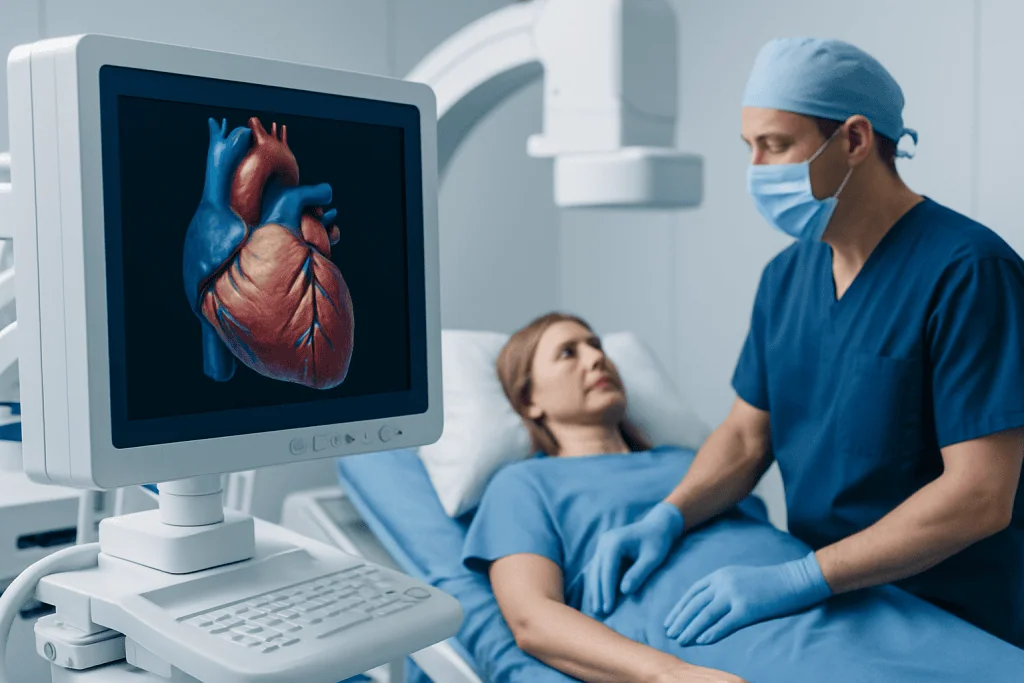
Heart failure procedures address different parts of the heart and circulation. Coronary artery bypass grafting, often called bypass surgery, creates a new route for blood to reach heart muscle beyond narrowed coronary arteries. Valve repair or replacement can reduce the workload caused by severe valve leakage or obstruction. In advanced heart failure, a left ventricular assist device (LVAD) may help the main pumping chamber circulate blood, either as a bridge to transplantation or as longer-term support for selected people.
Heart transplantation may be considered for a small group of people with advanced heart failure whose symptoms remain severe despite comprehensive treatment. It involves replacing the diseased heart with a donor heart and requires lifelong follow-up and medicines that suppress the immune system. Some people may instead benefit from less invasive catheter procedures, depending on the specific valve or coronary problem.
Candidacy is individualized. The team considers symptoms, ejection fraction and other measures of heart function, coronary and valve anatomy, kidney and lung health, frailty, previous operations, infection risk and ability to participate in recovery care. Tests often include blood tests, electrocardiography, echocardiography, coronary angiography or CT imaging, and sometimes cardiac MRI, exercise testing or right-heart catheterization.
Having heart failure does not automatically mean that surgery is the right choice. A procedure is generally recommended only when its expected benefit outweighs the risks and when it fits alongside guideline-directed medical therapy. Related cardiovascular conditions, such as coronary artery disease, are evaluated carefully because treating them may change heart failure symptoms and outlook.
What Happens During the Procedure: Step by Step

The exact heart surgery recovery process begins with preparation before the operation. Patients may have a preoperative assessment, medication review, screening for infection and discussions about anesthesia, blood products and postoperative support. The care team gives individualized instructions about eating, drinking and which medicines to take or pause before surgery.
For open-heart operations, the patient receives general anesthesia and is asleep throughout. The surgeon may access the heart through an incision in the chest. Many operations use a heart-lung machine to temporarily provide circulation and oxygenation while the surgeon works on the heart, although some bypass operations can be performed on a beating heart. The surgical approach varies based on the planned procedure and individual anatomy.
During bypass surgery, healthy blood vessels are used to route blood around narrowed coronary arteries. During valve surgery, the surgeon may repair the person’s own valve or replace it with a biological or mechanical valve. In selected cases, valve treatment can be performed using less invasive approaches; options may include heart valve surgery when a severe valve disorder is contributing to heart failure.
After surgery, patients are monitored in an intensive care or high-dependency setting. Breathing support, pain control, heart rhythm monitoring and careful fluid management are common early steps. Tubes and monitoring lines are removed as recovery progresses, and the team encourages safe movement as soon as possible.
Benefits, Limitations and Possible Risks
Potential benefits depend on the procedure and the underlying condition. Bypass surgery may improve blood flow to viable heart muscle and reduce angina in appropriate patients. Valve intervention can ease symptoms caused by severe valve disease and may help prevent further strain on the heart. Mechanical support or transplantation can be life-extending options for selected people with advanced heart failure.
Results are not identical for every person. Surgery may improve symptoms and quality of life without restoring the heart to normal function, particularly when heart muscle damage is longstanding. Ongoing medicines, risk-factor management and regular cardiology follow-up are usually still needed after a successful procedure.
All major heart procedures carry risks. These can include bleeding, infection, abnormal heart rhythms, blood clots, stroke, kidney problems, breathing complications, heart attack and reactions to anesthesia. Risks vary with age, heart function, other medical conditions, the urgency and complexity of surgery, and the type of procedure. The surgical team explains relevant risks and alternatives before consent.
Patients should ask how the planned intervention addresses their specific cause of heart failure, what improvement is realistic, what follow-up will be needed and what other options are available. Shared decision-making is especially important when considering advanced therapies such as mechanical circulatory support or transplantation.
Heart Failure Surgery Recovery: Timeline and Essential Steps
The heart failure surgery recovery timeline varies widely. After open-heart surgery, an inpatient stay may last several days or longer depending on the operation and any complications. Early recovery focuses on stable breathing, circulation, pain control, wound healing, safe walking and restarting eating and drinking. A person may feel tired, have reduced appetite, experience sleep changes or have mild swelling for a period after discharge.
At home, recovery usually progresses gradually over weeks. The breastbone, when divided during surgery, commonly needs time to heal, so activity restrictions are often given for several weeks. Many people build stamina over the following months. Minimally invasive procedures, LVAD implantation and transplantation each have different recovery patterns, so the discharge instructions from the treating team should take priority over general timelines.
Cardiac rehabilitation is an important part of heart surgery recovery steps for many patients. This structured program supports supervised activity, education about medicines and nutrition, emotional wellbeing and long-term risk reduction. It can help people regain confidence in movement while learning how to recognize symptoms that need medical attention.
Recovery also includes taking prescribed medicines exactly as directed, attending follow-up visits and monitoring weight or symptoms when advised. Sudden weight gain, increasing ankle or abdominal swelling, worsening breathlessness or reduced ability to perform usual activities may indicate fluid retention or recurrent heart failure and should be reported promptly.
What Should I Expect 2 Weeks After Open-Heart Surgery?
Two weeks after open-heart surgery, many people are at home but still feel noticeably fatigued. Short, frequent walks and light daily activities are commonly encouraged if the surgical team has approved them. Pain and soreness around the incision may persist but should generally be manageable with the prescribed plan, and breathing often continues to improve gradually.
The incision should be checked daily for increasing redness, warmth, drainage, opening or worsening pain. Some swelling in the legs or mild weight fluctuation can occur, but rapid swelling or sudden weight gain should be discussed with the care team. It is also common to experience interrupted sleep, low mood or reduced concentration in the first weeks; these concerns deserve support rather than dismissal.
Driving, lifting, returning to work and sexual activity should follow individualized medical advice. For people whose breastbone was opened, clinicians often recommend avoiding heavy lifting and activities that place strong pressure through the arms until healing is sufficiently advanced. Follow-up appointments are used to check the wound, review medicines and adjust the recovery plan.
What to Expect After Heart Surgery and How to Care for Yourself at Home
What to expect after heart surgery depends on the procedure, but patients generally move from close hospital monitoring to a gradual return to everyday routines. They may have temporary changes in energy, appetite, bowel habits, sleep and emotions. Family members or caregivers can be helpful with meals, transport, medication organization and observing for changes in symptoms during the early recovery period.
What care should I expect at home after heart bypass surgery? Home care commonly includes keeping the incision clean and dry according to discharge instructions, taking medicines as prescribed, walking regularly without overexertion, eating a heart-healthy diet and attending scheduled follow-up. If a leg vein was used for the bypass graft, the leg incision also requires monitoring and elevation may be advised for swelling. Patients should not use non-prescribed medicines, supplements or anti-inflammatory drugs without checking with their clinician.
What should I avoid doing after open-heart surgery? Patients should avoid smoking and nicotine products, skipping prescribed medicines, heavy lifting or strenuous exercise before clearance, and driving while taking sedating pain medicines or before the surgeon approves it. They should also avoid soaking the incision in a bath, pool or hot tub until it has healed and the clinical team says this is safe. Alcohol advice differs by person and medications, so it should be discussed directly with the treating clinician.
A multidisciplinary program can make follow-up more coordinated for people traveling for care. Acibadem International’s multidisciplinary specialists and JCI-accredited hospitals diagnose and treat heart failure-related conditions for international patients, with care plans tailored to the procedure and recovery needs.
When to Seek Medical Care
People recovering from heart surgery should contact their surgical or cardiology team promptly for worsening shortness of breath, a rapid increase in swelling, sudden weight gain when monitoring has been recommended, persistent vomiting, increasing weakness, new palpitations or a wound that becomes red, hot, painful or starts draining. Fever or chills may also need prompt assessment, particularly when accompanied by wound changes or feeling unwell.
Emergency care is needed for chest pain that is severe, new or persistent; severe difficulty breathing; fainting; signs of stroke such as face drooping, arm weakness or speech difficulty; coughing up blood; or uncontrolled bleeding. Patients should use local emergency services rather than driving themselves if these symptoms occur.
Heart failure can change over time even after a successful procedure. Regular follow-up helps the team adjust medicines, evaluate heart rhythm and pumping function, and address rehabilitation goals. Maintaining long-term care is one of the most important ways to support the benefits of surgery.
Frequently asked questions
Is surgery a cure for heart failure?
Surgery may treat an underlying cause of heart failure, such as blocked coronary arteries or severe valve disease, and can improve symptoms or heart function in selected patients. However, it does not always cure heart failure, especially when there is permanent heart muscle damage. Most patients still need ongoing follow-up, medicines and heart-healthy lifestyle measures.
How long does recovery from open-heart surgery take?
Recovery after open-heart surgery commonly takes several weeks, with stamina continuing to improve over a few months. The timing depends on the procedure, age, heart function, other health conditions and whether complications occur. The surgical team provides the most reliable timetable for driving, work, lifting and exercise.
Can a person have bypass surgery if they have heart failure?
Yes, bypass surgery may be considered when coronary artery disease is contributing to heart failure and the heart team believes restoring blood flow is likely to help. It is not suitable for every person with heart failure or blocked arteries. Imaging and other tests help determine whether the potential benefit outweighs surgical risk.
What is an LVAD and when is it used?
An LVAD is a mechanical pump that helps the left ventricle circulate blood to the body. It may be used in selected people with advanced heart failure as a bridge to heart transplantation or as longer-term treatment when transplantation is not appropriate. It requires detailed education, regular follow-up and careful device management.
When can someone start exercising after heart surgery?
Gentle walking is often started early in recovery under clinical guidance, but the pace and limits should be individualized. More demanding exercise, lifting and activities that strain the chest should wait until the surgeon or cardiology team approves them. Cardiac rehabilitation provides a safer structured route back to activity for many people.
Which symptoms after heart surgery need urgent attention?
Urgent assessment is needed for severe or persistent chest pain, severe shortness of breath, fainting, stroke-like symptoms, uncontrolled bleeding or a rapidly worsening condition. The surgical team should also be contacted promptly about fever, wound drainage, spreading redness, sudden swelling or worsening heart failure symptoms. It is safer to seek advice early when symptoms are concerning.
References
- American Heart Association
- American College of Cardiology
- European Society of Cardiology
- National Heart, Lung, and Blood Institute
- International Society for Heart and Lung Transplantation
This article is for general information only and is not a substitute for professional medical advice. Please consult a qualified doctor about your individual situation.
Heart Failure in Turkey — costs, top hospitals & a free quote
JCI-accredited · board-certified surgeons · reply within 24h