Hypoxic Ischemic Encephalopathy: Symptoms, Causes, and Treatment Options

Hypoxic ischemic encephalopathy happens when the brain does not receive enough oxygen and blood flow. It may occur around birth or later in life after events such as cardiac arrest, severe low blood pressure, drowning, or suffocation.
Key Takeaways
- Hypoxic ischemic encephalopathy happens when the brain does not receive enough oxygen and blood flow.
- It may occur around birth or later in life after events such as cardiac arrest, severe low blood pressure, drowning, or suffocation.
- Symptoms vary by age and severity and can include poor feeding, seizures, altered alertness, weakness, breathing problems, or developmental concerns.
- Diagnosis relies on clinical examination plus tests such as brain imaging, EEG, and blood work.
- Early treatment and rehabilitation can improve outcomes, but recovery depends on the cause, severity, and how quickly care begins.
Hypoxic ischemic encephalopathy is a type of brain injury caused by too little oxygen and reduced blood flow to the brain. It can affect newborns, children, or adults, and treatment focuses on stabilizing the person quickly, limiting further brain injury, and supporting recovery.
Overview
Hypoxic ischemic encephalopathy, often shortened to HIE, is brain dysfunction caused by a period of reduced oxygen delivery and reduced blood flow to the brain. The term combines two problems: hypoxia, meaning low oxygen, and ischemia, meaning low blood supply. When these happen together, brain cells can become injured.
HIE is most often discussed in newborns around the time of birth, but it can also occur in older children and adults. In newborns, it may follow complications during pregnancy, labor, or delivery. In adults, it can happen after cardiac arrest, severe breathing problems, drowning, or other emergencies that interrupt oxygen supply.
The effects of HIE are not the same for everyone. Some people have mild symptoms and recover well, while others may develop seizures, movement problems, learning difficulties, or long-term disability. The outcome depends on how severe the oxygen and blood flow interruption was, how long it lasted, and how quickly medical treatment began.
How HIE affects the brain
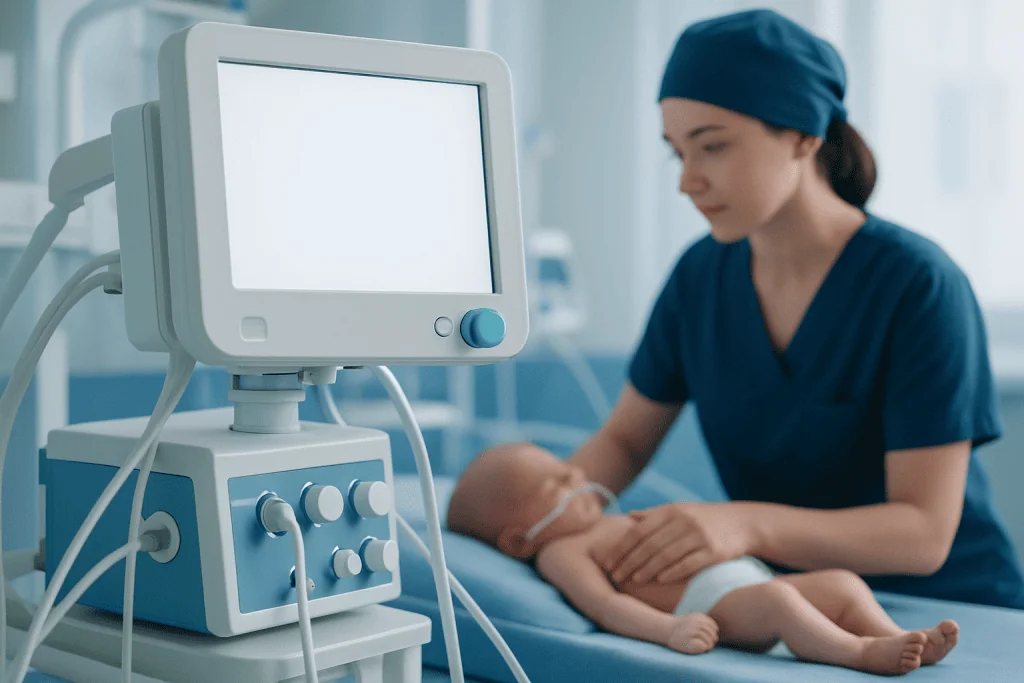
The brain needs a steady supply of oxygen and glucose carried by blood to keep nerve cells working. When this supply drops sharply, brain cells cannot produce enough energy. This can trigger swelling, inflammation, and release of chemicals that further damage delicate brain tissue.
In some cases, the injury does not end when blood flow returns. A second phase of damage may develop over the following hours as brain cells react to the initial stress. This is one reason why emergency recognition and early treatment are so important, especially in newborns who may be eligible for cooling therapy.
The pattern of injury can differ by age and by the cause of the event. For example, some areas of the brain are more vulnerable in newborns, while in adults the affected regions may reflect the type and duration of oxygen deprivation. Because HIE is a broad clinical syndrome rather than a single disease, evaluation usually involves a multidisciplinary team.
Symptoms and possible long-term effects

Symptoms of hypoxic ischemic encephalopathy can appear immediately or become clearer over time. In newborns, warning signs may include weak muscle tone, poor feeding, a weak cry, breathing difficulty, unusual sleepiness, low responsiveness, or seizures. Doctors also look at reflexes, alertness, and whether the baby needs help with breathing after delivery.
In older children and adults, symptoms can include confusion, loss of consciousness, memory problems, difficulty speaking, weakness, poor coordination, abnormal movements, or seizures. Some people recover alertness quickly, while others remain critically ill and require intensive care monitoring.
Long-term effects vary widely. They may include developmental delay, cerebral palsy, epilepsy, vision or hearing problems, learning difficulties, behavioral changes, or problems with attention and memory. Mild cases may leave little lasting impairment, but more severe cases can lead to major neurological disability. Some patients with HIE may later need evaluation for related conditions such as epilepsy.
- Newborns: poor feeding, floppy or stiff muscles, seizures, unusual irritability or sleepiness
- Children and adults: altered consciousness, weakness, speech difficulty, balance problems, seizures
- Possible later issues: delayed milestones, movement disorders, learning problems, memory or concentration difficulties
Causes and risk factors
In newborns, HIE may develop when the brain does not receive enough oxygen and blood around the time of birth. Possible causes include problems with the placenta, umbilical cord complications, severe maternal bleeding, uterine rupture, prolonged or difficult labor, severe maternal low blood pressure, or serious infection. Not every difficult birth causes HIE, and the diagnosis is based on the full clinical picture rather than one event alone.
In infants, children, and adults, HIE may follow cardiac arrest, choking, drowning, severe asthma attacks, smoke inhalation, major trauma, shock, severe blood loss, or prolonged low blood pressure. Poisoning and some drug overdoses can also reduce oxygen delivery to the brain. In these situations, doctors focus first on restoring breathing, circulation, and oxygenation as quickly as possible.
Risk factors do not guarantee that HIE will occur, but they may increase the chance of an oxygen-deprivation event or make recovery more complex. Prematurity, serious heart or lung disease, severe infection, and delayed resuscitation can all affect risk and prognosis. Because causes can overlap with other neurological emergencies, doctors may also consider related diagnoses such as stroke in older patients with sudden neurological symptoms.
How hypoxic ischemic encephalopathy is diagnosed
Diagnosis begins with the history of what happened before, during, or after the event, along with a careful neurological examination. In newborns, clinicians review pregnancy and delivery details, Apgar scores, breathing support needs, blood gas results, tone, reflexes, and the presence of seizures. In older children and adults, the team assesses consciousness, pupil responses, strength, breathing status, and the timeline of oxygen deprivation.
Tests help confirm the injury, estimate severity, and guide treatment. Brain imaging may include ultrasound in newborns and magnetic resonance imaging, often the most informative test for seeing the pattern of brain injury. Computed tomography may be used in emergencies, especially in adults, to rule out bleeding or other urgent causes. Some patients may need MRI as part of their neurological evaluation.
Electroencephalography, or EEG, records brain activity and can detect seizures, including seizures that are not obvious outwardly. Blood tests may look for infection, acid-base imbalance, organ stress, or metabolic problems. Depending on the situation, the care team may involve neonatology, neurology, intensive care, radiology, and rehabilitation specialists to build a full picture of the condition.
Treatment options and supportive care
Treatment for HIE starts with emergency stabilization. Doctors work to support breathing, oxygen levels, blood pressure, heart function, and blood sugar while treating the underlying cause. Seizures are managed promptly, and patients who are critically ill may need care in a neonatal or adult intensive care unit.
For some newborns with moderate to severe HIE, therapeutic hypothermia, also called cooling therapy, may be offered if started within a specific time window after birth. This treatment carefully lowers body temperature for a set period to reduce ongoing brain injury. It is performed under close monitoring and is not appropriate for every baby, so specialists decide eligibility based on established clinical criteria.
Other treatments are supportive and individualized. They may include ventilation support, fluids, nutrition, infection treatment when needed, seizure monitoring with EEG, and management of organ complications. Imaging and neurological follow-up are often part of ongoing care, and some patients may require neurology care and physical therapy and rehabilitation to address movement, feeding, communication, or developmental needs.
Recovery often continues well beyond the hospital stay. Early intervention services, occupational therapy, speech and language therapy, and developmental follow-up can be important for children. Adults may benefit from structured neurorehabilitation to improve mobility, cognition, and independence after a hypoxic brain injury.
Prevention, follow-up, and self-care
Not all cases of HIE can be prevented, but timely medical care can reduce risk. In pregnancy, regular prenatal care helps identify conditions such as high blood pressure, diabetes, growth problems, or infection that may affect oxygen delivery to the baby. During labor and delivery, careful fetal and maternal monitoring helps the team respond quickly if complications arise.
For older children and adults, prevention focuses on reducing the chances of severe oxygen deprivation. This may include water safety, safe sleep and choking prevention for infants, prompt treatment of serious asthma or breathing problems, management of heart disease, and learning basic life support. Fast bystander response and emergency care can make a meaningful difference after cardiac arrest or drowning.
After HIE, follow-up is essential even when early recovery seems encouraging. Families and patients should keep scheduled appointments for neurological, developmental, hearing, vision, and rehabilitation assessments. Acibadem International’s multidisciplinary specialists and JCI-accredited hospitals diagnose and treat complex neurological conditions for international patients, with care plans tailored to age, symptoms, and recovery needs.
When to seek medical care
Immediate medical care is needed if a baby, child, or adult has breathing difficulty, blue or gray skin color, a seizure, sudden unresponsiveness, or loss of consciousness. Emergency help is also needed after near-drowning, choking, cardiac arrest, severe trauma, or any event in which oxygen may have been cut off.
Parents should contact a doctor urgently if a newborn is very sleepy, difficult to wake, feeding poorly, unusually floppy or stiff, or having abnormal jerking movements. In children and adults, urgent assessment is important for confusion, sudden weakness, trouble speaking, repeated vomiting, or new seizures after a possible oxygen-deprivation event.
Even after emergency treatment, follow-up matters. Some problems, especially developmental, learning, memory, or movement concerns, may become clearer over time. Early assessment gives the best chance to start supportive therapies promptly and plan long-term care with qualified specialists.
Frequently asked questions
What is hypoxic ischemic encephalopathy?
Hypoxic ischemic encephalopathy is a brain injury caused by too little oxygen and too little blood flow to the brain. It can happen around birth or later in life after emergencies such as cardiac arrest, drowning, choking, or severe low blood pressure.
Is HIE the same as cerebral palsy?
No. HIE is a type of brain injury, while cerebral palsy is a group of movement and posture disorders caused by injury to the developing brain. HIE can be one cause of cerebral palsy, but not everyone with HIE develops it.
Can a baby recover from hypoxic ischemic encephalopathy?
Some babies recover with few long-term effects, while others have ongoing neurological or developmental challenges. Recovery depends on the severity of the injury, how quickly treatment starts, and how the baby progresses over time on examinations and follow-up testing.
How is HIE treated in newborns?
Treatment begins with stabilizing breathing, circulation, temperature, and blood sugar, while treating any complications such as seizures. Some newborns with moderate to severe HIE may be candidates for therapeutic hypothermia, a specialized cooling treatment started soon after birth.
Can adults get hypoxic ischemic encephalopathy?
Yes. Adults can develop HIE after events that interrupt oxygen or blood flow to the brain, such as cardiac arrest, suffocation, drowning, severe shock, or major respiratory failure. Evaluation and treatment usually take place in an intensive care setting.
What tests are used to diagnose HIE?
Doctors use the medical history, neurological examination, and tests such as MRI, CT in some emergency situations, EEG, and blood tests. In newborns, doctors also consider details of pregnancy, labor, delivery, and the baby's condition after birth.
Does HIE always cause permanent brain damage?
Not always. Some people, especially in milder cases, may have limited or no lasting symptoms, while others may develop long-term neurological problems. Because the course can change over time, regular follow-up is important even after initial improvement.
References
- World Health Organization
- American Academy of Pediatrics
- National Institute of Neurological Disorders and Stroke
- Centers for Disease Control and Prevention
- American College of Obstetricians and Gynecologists
This article is for general information only and is not a substitute for professional medical advice. Please consult a qualified doctor about your individual situation.
Explore treatments in Turkey — costs, top hospitals & a free quote
JCI-accredited · board-certified surgeons · reply within 24h
Check your numbers in seconds
BMI, calories, due date, blood pressure and 30+ more clinical calculators — free, instant, doctor-reviewed ranges.