Her2 Positive Breast Cancer: A Complete Clinical Guide for Patients

HER2 positive breast cancer is defined by overexpression of the HER2 protein or amplification of the HER2 gene. Diagnosis usually combines breast imaging, biopsy, and HER2 testing on tumor tissue.
Key Takeaways
- HER2 positive breast cancer is defined by overexpression of the HER2 protein or amplification of the HER2 gene.
- Diagnosis usually combines breast imaging, biopsy, and HER2 testing on tumor tissue.
- Treatment often includes a combination of surgery, HER2-targeted therapy, chemotherapy, radiation therapy, and sometimes hormone therapy.
- The best treatment plan depends on the cancer stage, hormone receptor status, overall health, and patient preferences.
- Early evaluation of a new breast lump, skin change, or nipple discharge can help speed diagnosis and treatment.
HER2 positive breast cancer is a subtype of breast cancer in which cancer cells make too much HER2 protein or have extra copies of the HER2 gene. It can grow faster than some other breast cancers, but modern HER2-targeted treatments have greatly improved outcomes for many patients.
Overview: what HER2 positive breast cancer means
HER2 positive breast cancer is a type of breast cancer in which tumor cells have too much human epidermal growth factor receptor 2, known as HER2. This protein sits on the surface of cells and sends signals that help cells grow and divide. When the HER2 signal is overactive, cancer cells may grow more quickly.
This term describes a biological feature of the cancer rather than a single stage or severity level. HER2 positive disease can be found in early-stage breast cancer, locally advanced disease, or metastatic breast cancer. It may also be hormone receptor-positive or hormone receptor-negative, which affects treatment planning.
In the past, HER2 positive tumors were often linked with a more aggressive course. Today, this subtype is one of the clearest examples of precision medicine in oncology because treatments can specifically target the HER2 pathway. As a result, many patients benefit from more effective and individualized care.
Symptoms and how it may present
HER2 positive breast cancer does not cause a unique set of symptoms that clearly separates it from other breast cancer subtypes. Many people first notice a new breast lump, thickening in the breast, swelling, a change in breast shape, or skin dimpling. Some may have nipple changes, such as inversion, crusting, or discharge.
Breast cancer can also be found on a routine screening mammogram before it causes any symptoms. This is one reason screening remains important even when a person feels well. Some tumors are small and not easily felt during self-awareness or a clinical exam.
If cancer has spread beyond the breast, symptoms can vary depending on the area involved. These may include persistent bone pain, unexplained weight loss, shortness of breath, ongoing fatigue, or neurological symptoms. Such symptoms do not always mean cancer, but they should be assessed by a qualified doctor.
- New breast lump or firmness
- Change in breast size, contour, or skin texture
- Nipple discharge, especially if bloody or one-sided
- Swelling under the arm or near the collarbone
- Abnormal findings on screening imaging
Why it happens: causes, biology, and risk factors

HER2 positive breast cancer develops when breast cells become cancerous and also show HER2 overexpression or HER2 gene amplification. The HER2 gene helps control how cells grow and repair themselves. In some cancers, the gene is amplified, which leads to excess HER2 protein on the cell surface and stronger growth signals.
Doctors do not fully know why one person develops HER2 positive breast cancer while another develops a different subtype. Like other breast cancers, risk reflects a combination of age, sex, inherited factors, reproductive history, breast density, prior chest radiation, and lifestyle influences. Most breast cancers are not caused by one single factor.
HER2 positivity itself is not usually something a person can feel or predict from symptoms alone. It is identified through laboratory testing on biopsy or surgery samples. Some patients may also undergo genetic counseling if there is a strong family history, young age at diagnosis, or features suggesting an inherited cancer syndrome.
It can help to distinguish tumor testing from inherited genetic testing. HER2 testing examines the cancer tissue itself. By contrast, inherited tests look for changes in genes such as BRCA1 or BRCA2 that may run in families and influence cancer risk and treatment discussions.
How doctors confirm the diagnosis
Diagnosis usually starts with breast imaging and a tissue biopsy. Depending on the situation, a clinician may use mammography, ultrasound, or magnetic resonance imaging to define the suspicious area. A core needle biopsy is commonly used to remove a small sample of tissue for pathology review.
The pathologist confirms whether the abnormal cells are cancer and then performs biomarker testing. This typically includes estrogen receptor, progesterone receptor, and HER2 status. HER2 is often tested first with immunohistochemistry, and if the result is borderline or unclear, an in situ hybridization test may be used to look for extra HER2 gene copies.
After diagnosis, staging helps show whether the cancer is confined to the breast or has spread. Staging may include physical examination, blood tests, and selected scans when clinically indicated. Accurate staging supports decisions about surgery, systemic therapy, radiation therapy, and the order in which these treatments should be given.
Patients who want a broader background on breast cancer may find it helpful to understand how HER2 status fits into the larger diagnosis. In many centers, care is coordinated through a multidisciplinary team that includes breast surgeons, medical oncologists, radiation oncologists, radiologists, and pathologists.
Treatment planning: how therapy is chosen
Treatment for HER2 positive breast cancer is highly individualized. The plan depends on the stage, tumor size, lymph node involvement, hormone receptor status, general health, and patient preferences. Doctors also consider whether treatment should begin with surgery or with medication before surgery, called neoadjuvant therapy.
For many early-stage cancers, treatment includes a combination of surgery and HER2-targeted drug therapy, often along with chemotherapy. Radiation therapy may be recommended after breast-conserving surgery and in some cases after mastectomy. If the cancer is also hormone receptor-positive, endocrine therapy may be added after initial treatment.
Neoadjuvant treatment is often used when the tumor is larger or lymph nodes are involved. This approach can shrink the tumor, increase the chance of breast-conserving surgery, and provide useful information about how the cancer responds to treatment. Pathology results after surgery help guide whether additional therapy is needed.
In metastatic HER2 positive breast cancer, treatment usually focuses on systemic therapy, especially HER2-targeted drugs used alone or in combination with other medicines. The goal is to control the disease, manage symptoms, preserve quality of life, and extend survival as much as possible.
Main treatment options patients may hear about
Surgery may involve breast-conserving surgery or mastectomy, depending on the tumor, breast size, patient preference, and other clinical factors. Lymph nodes are usually assessed with sentinel node biopsy or axillary surgery when needed. Many patients discuss reconstructive options as part of planning, especially if mastectomy is recommended.
HER2-targeted therapy is a key part of treatment because it acts against the HER2 pathway. These medicines may be used before surgery, after surgery, or for advanced disease. They are often combined with chemotherapy, and in some settings they may be continued after chemotherapy is finished. Patients can learn more about medical oncology as the part of care that coordinates systemic cancer treatment.
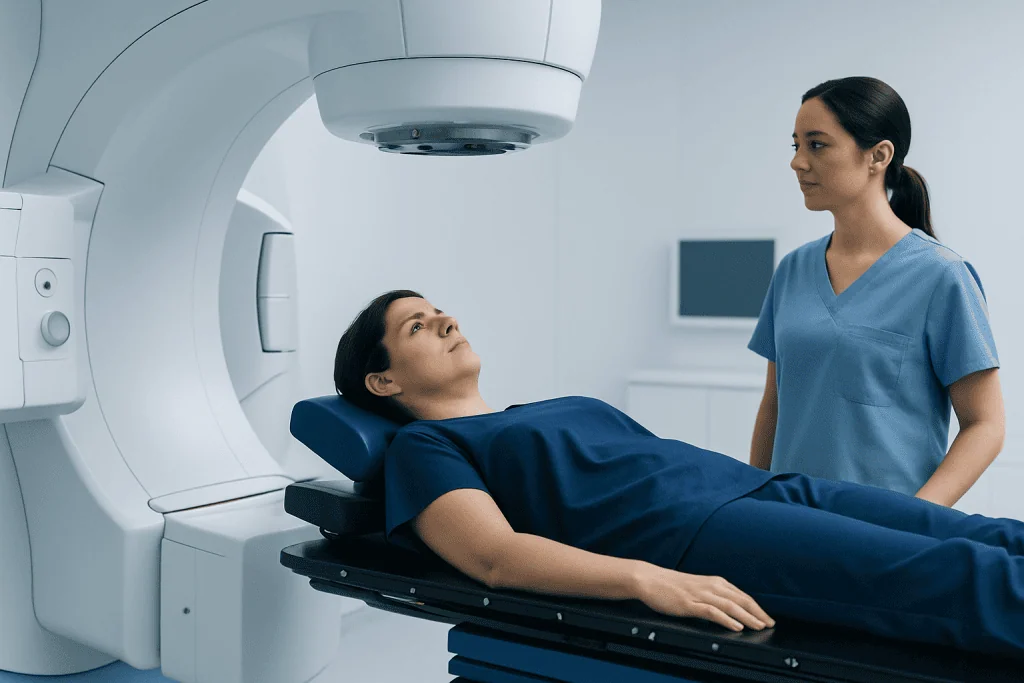
Radiation therapy uses carefully planned high-energy treatment to reduce the chance of cancer returning in the breast, chest wall, or nearby lymph node areas when indicated. A patient treated with lumpectomy commonly receives radiation oncology afterward. Some patients who have mastectomy also need radiation depending on tumor features and lymph node findings.
When surgery is part of the plan, a specialist in breast surgery helps explain the benefits and limits of each operation. Supportive care is also important throughout treatment. This can include symptom management, nutrition support, fertility counseling when relevant, emotional support, and rehabilitation after surgery.
Living with treatment: monitoring, side effects, and self-care
Modern treatment has improved outcomes, but it can also cause side effects that deserve careful attention. Depending on the medicines used, patients may experience fatigue, nausea, hair loss, diarrhea, numbness or tingling, mouth sores, or changes in blood counts. HER2-targeted therapies can also require heart function monitoring in some cases, so doctors may arrange periodic cardiac tests.
Good self-care during treatment often includes staying hydrated, eating regular nutritious meals, getting gentle physical activity as tolerated, and reporting side effects early. Patients should not assume they must simply endure treatment-related symptoms. Many side effects can be reduced or managed when the care team knows about them promptly.
Follow-up continues after active treatment ends. Visits may include physical examination, discussion of symptoms, and routine breast imaging when appropriate. The exact schedule varies, but ongoing surveillance is an important part of recovery and long-term care.
Emotional health matters as much as physical care. It is common to feel uncertainty, sadness, or fear after a cancer diagnosis. Counseling, support groups, survivorship programs, and practical help from family or community resources can make the treatment period more manageable.
When to seek medical care
A person should seek medical evaluation if they notice a new breast lump, persistent breast pain in one area, nipple discharge, skin dimpling, redness that does not improve, or swelling in the breast or underarm. Prompt assessment does not mean the finding is cancer, but it helps avoid delays in diagnosis.
Patients already receiving treatment should contact their care team urgently for fever, chest pain, shortness of breath, severe dehydration, fainting, uncontrolled vomiting or diarrhea, sudden swelling, or any rapidly worsening symptom. New neurological symptoms, such as severe headache, confusion, or weakness, also need prompt attention.
For ongoing or complex care, treatment is often best coordinated through a center with breast imaging, pathology, surgery, medical oncology, and radiation oncology working together. Acibadem International’s multidisciplinary specialists and JCI-accredited hospitals diagnose and treat HER2 positive breast cancer for international patients.
Frequently asked questions
Is HER2 positive breast cancer curable?
Some cases are potentially curable, especially when the cancer is found at an early stage and treated with a combination of surgery and systemic therapy. Even when cure is not possible, modern HER2-targeted treatments can often control the disease effectively for meaningful periods of time.
Is HER2 positive breast cancer more aggressive than other types?
HER2 positive tumors can grow faster than some other breast cancer subtypes if left untreated. However, this subtype also has well-developed targeted treatments, and these therapies have significantly improved outcomes.
How is HER2 positivity tested?
HER2 status is tested on tissue from a biopsy or surgery sample. Laboratories usually use immunohistochemistry first, and if the result is not clearly positive or negative, an in situ hybridization test may be added.
Will every patient with HER2 positive breast cancer need chemotherapy?
Not every patient needs the same treatment combination. Chemotherapy is commonly used, especially for higher-risk early-stage disease or metastatic cancer, but the exact plan depends on stage, tumor size, hormone receptor status, and overall health.
Can HER2 positive breast cancer come back after treatment?
Yes, recurrence is possible, which is why follow-up care is important after treatment ends. The risk varies from person to person and depends on factors such as stage at diagnosis, response to treatment, and tumor biology.
Does HER2 positive mean the cancer is inherited?
No. HER2 positivity usually refers to a change in the tumor itself, not an inherited trait passed through families. Separate genetic testing may be considered if there is a strong family history or other features suggesting an inherited cancer risk.
References
- National Cancer Institute
- American Cancer Society
- National Comprehensive Cancer Network
- World Health Organization
- American Society of Clinical Oncology
This article is for general information only and is not a substitute for professional medical advice. Please consult a qualified doctor about your individual situation.
Breast Cancer in Turkey — costs, top hospitals & a free quote
JCI-accredited · board-certified surgeons · reply within 24h