Acanthosis Nigricans: Symptoms, Causes, and Treatment Options

Acanthosis nigricans usually appears as dark, velvety, thickened skin in body folds. It is often linked to insulin resistance, obesity, prediabetes, or diabetes.
Key Takeaways
- Acanthosis nigricans usually appears as dark, velvety, thickened skin in body folds.
- It is often linked to insulin resistance, obesity, prediabetes, or diabetes.
- Treatment focuses on identifying and managing the underlying cause rather than the skin change alone.
- Gentle skin care and weight management may help improve appearance over time.
- A doctor should assess new, widespread, rapidly developing, or unexplained cases.
Acanthosis nigricans is a skin condition that causes darker, thicker, velvety patches, most often in body folds such as the neck, armpits, and groin. It is not usually dangerous by itself, but it can be an important clue to insulin resistance, hormonal disorders, medication effects, or, less commonly, another underlying illness.
Overview: what acanthosis nigricans means
Acanthosis nigricans is a skin finding in which certain areas become darker, thicker, and slightly velvety to the touch. It most often affects the back or sides of the neck, the armpits, groin, under the breasts, or other skin folds. The change can develop gradually and may be noticed first because the skin looks “dirty” or feels rough, but it does not wash off.
On its own, acanthosis nigricans is usually not harmful. However, it matters because it can act as a visible sign of something happening inside the body. In many people, especially adults and adolescents, it is associated with insulin resistance. That means the body is having more difficulty using insulin effectively, which can raise the risk of prediabetes or diabetes.
Not every case is caused by blood sugar problems. Hormonal conditions, some medications, inherited traits, and, more rarely, internal diseases can also be involved. Because of this, the main goal is not only to improve the skin’s appearance but also to understand why it appeared in the first place.
Symptoms and where it appears
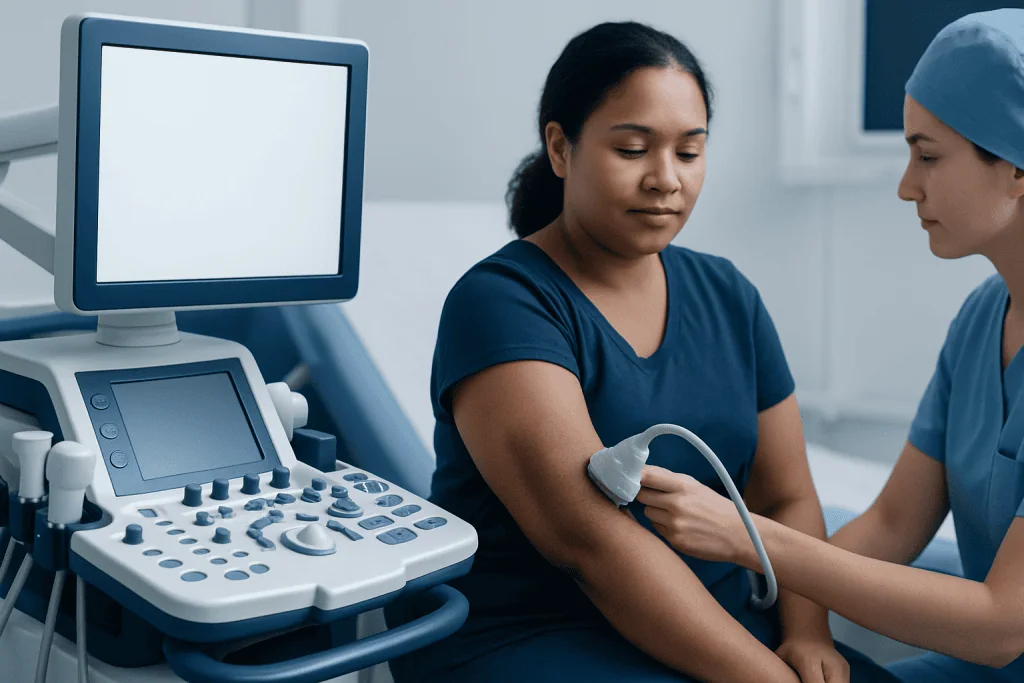
The hallmark symptom of acanthosis nigricans is a patch of skin that looks darker than the surrounding area and feels thicker or velvety. The color may range from light brown to dark brown or grayish, depending on a person’s natural skin tone. The borders are often gradual rather than sharply defined.
Common locations include:
- Back or sides of the neck
- Armpits
- Groin
- Elbows or knees
- Knuckles
- Under the breasts
- Less commonly, the face, belly button area, or other folds
Some people have no discomfort at all, while others notice mild itching, irritation, odor, or a rough texture. The skin may appear more prominent where there is friction. In children and teens, the finding may be especially noticeable around the neck and can be one of the earliest visible clues of metabolic risk.
Acanthosis nigricans is different from ordinary tanning, bruising, or poor hygiene. It also differs from many rashes because it is usually not red, painful, or scaly. Still, a doctor may need to distinguish it from other skin conditions, especially if the color change is unusual or located outside common skin folds.
Causes and risk factors

The most common cause of acanthosis nigricans is insulin resistance. When insulin levels stay high, they can stimulate skin cells to grow more quickly, which can lead to thickened, darker areas. This is why acanthosis nigricans is often seen in people with overweight or obesity, prediabetes, type 2 diabetes, or metabolic syndrome.
Hormonal and endocrine conditions can also play a role. Examples include polycystic ovary syndrome, thyroid disorders, Cushing syndrome, or other conditions that affect how the body regulates hormones and metabolism. In these situations, acanthosis nigricans is one visible part of a broader pattern of symptoms that may need evaluation by a specialist in endocrinology care.
Other possible causes include certain medications or supplements, such as corticosteroids, some hormonal medicines, or treatments that affect insulin pathways. A rarer form may run in families and appear at a younger age. Very rarely, especially in older adults with sudden, extensive, or rapidly worsening skin changes, acanthosis nigricans can be associated with an internal illness, including some cancers. This cancer-related form is uncommon, but it is one reason new or unexplained cases deserve medical attention.
Risk factors that make acanthosis nigricans more likely include:
- Overweight or obesity
- Family history of insulin resistance or diabetes
- Prediabetes or type 2 diabetes
- Polycystic ovary syndrome
- Certain medications
- More skin friction in body folds
How doctors diagnose it
Doctors often recognize acanthosis nigricans through a skin examination and medical history. They usually ask when the skin changes began, whether they are spreading, and whether there are symptoms such as itching, weight changes, irregular periods, fatigue, or increased thirst and urination. Medication use and family history are also important.
Because the skin finding can be a marker of an underlying condition, the next step is often to look for metabolic or hormonal causes. A clinician may recommend blood tests related to glucose control, insulin resistance, cholesterol, liver health, or hormones, depending on the person’s age, symptoms, and overall health. In some cases, referral for a broader medical check-up helps assess possible linked conditions.
A skin biopsy is not always necessary, but it may be considered if the diagnosis is uncertain or the appearance is unusual. If acanthosis nigricans develops suddenly, is extensive, affects less typical areas, or occurs along with unexplained weight loss or other concerning symptoms, further evaluation may be needed to rule out a less common underlying cause.
Treatment options and what improvement to expect
The most effective acanthosis nigricans treatment is to address the reason it developed. If insulin resistance is the main factor, improving blood sugar regulation and metabolic health may gradually soften and lighten the affected skin. If a medication is contributing, a doctor may review whether alternatives are appropriate. If a hormone-related condition is involved, treating that condition may also help the skin improve.
Lifestyle measures are often part of treatment. For people who would benefit from weight reduction, gradual, medically guided weight loss can improve insulin sensitivity and may reduce the visibility of the patches over time. Support may come from a structured nutrition plan, exercise guidance, or obesity treatment when clinically appropriate. If diabetes or prediabetes is present, care through diabetes treatment may be part of the overall plan.
For the skin itself, doctors sometimes recommend topical treatments to improve texture or discoloration. These may include prescription creams that help normalize skin turnover or reduce thickening. In selected cases, dermatologic procedures may be considered, but cosmetic improvement is usually gradual and tends to be limited if the underlying trigger is not addressed first.
It helps to set realistic expectations. Acanthosis nigricans often improves slowly rather than disappearing quickly, and the degree of change varies from person to person. Gentle, consistent treatment and follow-up are usually more effective than trying harsh scrubs or unproven products, which can irritate the skin and make it look worse.
Self-care and prevention
Self-care focuses on protecting the skin and supporting the body’s metabolic health. Gentle cleansing and moisturizing can reduce irritation in skin folds. It is best not to scrub the area aggressively, use strong bleaching products without medical advice, or assume the discoloration is caused by poor hygiene.
When acanthosis nigricans is linked to insulin resistance, prevention and improvement often involve everyday habits. A balanced eating pattern, regular physical activity, adequate sleep, and weight management can all support better insulin sensitivity. Even modest, sustainable changes may be meaningful when they are maintained over time.
Practical measures may include:
- Choosing breathable clothing to reduce friction and sweat buildup
- Keeping skin folds clean and dry
- Following a clinician’s plan for blood sugar, cholesterol, or weight management
- Reviewing medications with a doctor if skin changes began after starting a new treatment
- Seeking dermatology or endocrine advice if the patches are worsening
Prevention is not always possible, especially when genetic or hormonal factors are involved. Still, early recognition can be helpful because acanthosis nigricans may appear before other symptoms of metabolic disease become obvious. That makes it a useful prompt to check overall health rather than only treating the skin surface.
When to seek medical care
Medical care is advisable when dark, thickened skin patches are new, spreading, or difficult to explain. Although acanthosis nigricans is often related to common metabolic issues, a proper evaluation can help identify conditions such as insulin resistance early and guide practical treatment steps.
A person should arrange a medical review sooner if the patches appear suddenly, become widespread, involve the mouth or other unusual areas, or are accompanied by unexplained weight loss, fatigue, increased thirst, frequent urination, or menstrual changes. Parents should also mention these skin changes to a child’s doctor, especially if there is a family history of diabetes or concerns about weight gain.
If specialist care is needed, dermatology, endocrinology, and internal medicine may all be involved. Near the end of the care pathway, coordinated support can be helpful; Acibadem International’s multidisciplinary specialists and JCI-accredited hospitals diagnose and treat acanthosis nigricans and its underlying causes for international patients.
Frequently asked questions
Is acanthosis nigricans dangerous?
Acanthosis nigricans itself is usually not dangerous. The main concern is that it can signal an underlying issue such as insulin resistance, prediabetes, diabetes, or a hormonal disorder. A medical evaluation helps determine whether further testing or treatment is needed.
Can acanthosis nigricans go away?
It can improve, especially if the underlying cause is treated. For example, better blood sugar control, weight management, or changing a contributing medication may reduce the thickness and dark color over time. Improvement is often gradual rather than immediate.
Does acanthosis nigricans mean someone has diabetes?
Not always. It is commonly associated with insulin resistance and may occur before diabetes develops, but it can also be linked to hormones, medications, genetics, or other conditions. Testing is needed to know the cause in a specific person.
Is acanthosis nigricans contagious?
No, acanthosis nigricans is not contagious. It cannot be spread through touch, shared clothing, or close contact. It is a skin change related to internal body processes rather than an infection.
What is the best treatment for acanthosis nigricans?
The best treatment depends on what is causing it. Doctors usually focus on managing insulin resistance, diabetes, hormonal problems, or medication effects, while also using skin-directed treatments if needed. Treating the root cause is usually more effective than cosmetic products alone.
Should children with acanthosis nigricans see a doctor?
Yes, it is a good idea for children and teens with these skin changes to be evaluated. In younger people, acanthosis nigricans can be an early sign of insulin resistance or other metabolic concerns. Early guidance on nutrition, activity, and follow-up can be helpful.
References
- American Academy of Dermatology
- National Institute of Diabetes and Digestive and Kidney Diseases
- Mayo Clinic
- DermNet
- Cleveland Clinic
This article is for general information only and is not a substitute for professional medical advice. Please consult a qualified doctor about your individual situation.
Acanthosis Nigricans in Turkey — costs, top hospitals & a free quote
JCI-accredited · board-certified surgeons · reply within 24h
Check your numbers in seconds
BMI, calories, due date, blood pressure and 30+ more clinical calculators — free, instant, doctor-reviewed ranges.