Kidney Cancer Treatment: How It Works, Results and What to Expect

Surgery is the main treatment for many kidney cancers that have not spread. Partial nephrectomy removes the tumor while preserving as much healthy kidney tissue as possible.
Key Takeaways
- Surgery is the main treatment for many kidney cancers that have not spread.
- Partial nephrectomy removes the tumor while preserving as much healthy kidney tissue as possible.
- Small tumors may sometimes be monitored or treated with image-guided ablation rather than surgery.
- Immunotherapy and targeted medicines are important options for advanced or recurrent kidney cancer.
- Outcomes depend strongly on cancer stage, tumor biology, kidney function and response to treatment.
- Follow-up imaging and kidney-function checks remain important after treatment.
Kidney cancer treatment is personalized according to the tumor’s size, location, stage, type and the person’s overall health and kidney function. Many localized kidney cancers can be treated successfully, often with kidney-preserving surgery, while advanced disease may require systemic therapies and ongoing monitoring.
Kidney Cancer Treatment: An Overview
Kidney cancer treatment aims to remove, destroy, control or slow the growth of cancer while protecting kidney function and overall wellbeing whenever possible. The right approach depends on whether the cancer is confined to the kidney, involves nearby structures, or has spread to other parts of the body.
For many people with a localized kidney tumor, treatment involves an operation called nephrectomy. Whenever it is safe and appropriate, surgeons may remove only the tumor and a margin of surrounding tissue rather than the entire kidney. Other options can include active surveillance, thermal ablation, radiation in selected circumstances, immunotherapy, targeted therapy, or combinations of these treatments.
Planning is usually led by a multidisciplinary team that may include urologists, medical oncologists, radiologists, pathologists, radiation oncologists and nephrologists. The team considers the person’s scans, biopsy findings when available, age, other health conditions, the function of both kidneys and personal preferences.
How Kidney Cancer Treatment Works
Most kidney cancers are renal cell carcinomas, which arise from cells in the kidney’s small filtering tubes. Treatment works in different ways depending on the clinical situation. Surgery physically removes cancer, while ablation uses extreme cold or heat to destroy a small tumor through a needle placed with imaging guidance.
Systemic treatment circulates throughout the body and is used mainly when cancer has spread, cannot be completely removed surgically, or has returned after prior treatment. Immunotherapy helps the immune system recognize and attack cancer cells. Targeted therapies interfere with signals that cancer cells use to grow new blood vessels or multiply.
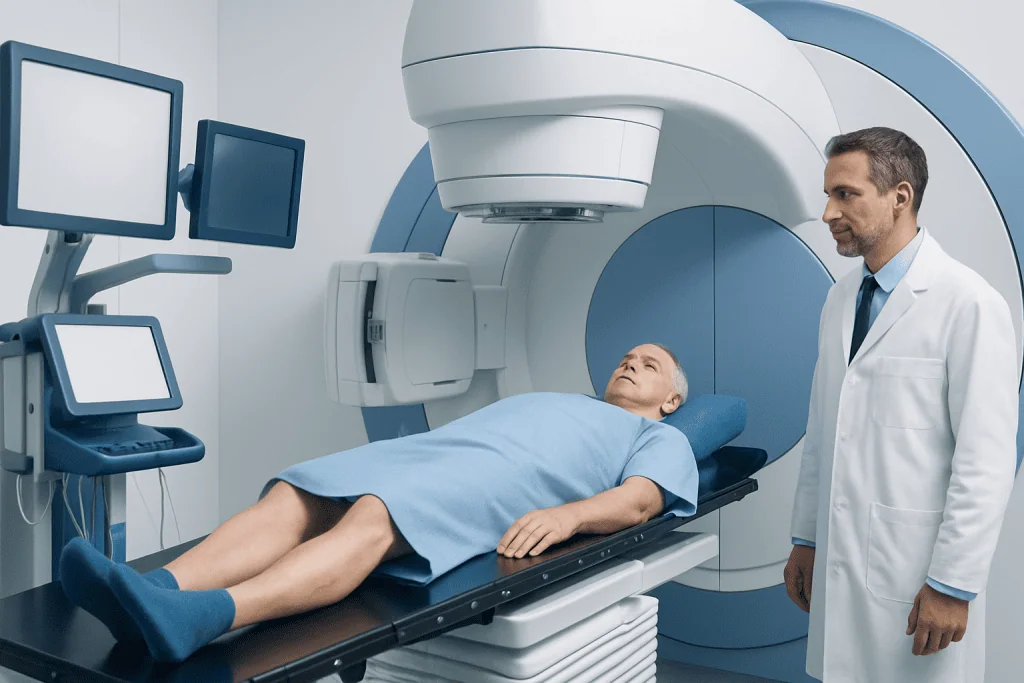
Radiation therapy is not usually the main curative treatment for a primary kidney tumor because many kidney cancers respond less strongly to conventional radiation. However, it can be helpful for relieving symptoms or controlling specific areas of cancer that have spread, such as painful bone lesions or certain brain metastases.
People may benefit from learning about kidney cancer alongside treatment planning, including how tumor stage, grade and subtype guide care decisions.
Who Is a Candidate for Each Treatment?

Patients with a small tumor confined to the kidney may be candidates for partial nephrectomy, ablation or active surveillance. Partial nephrectomy is often preferred when technically feasible because preserving healthy kidney tissue can help support long-term kidney function. It may be particularly important for people with a single kidney, reduced kidney function, inherited kidney cancer syndromes, diabetes or high blood pressure.
Radical nephrectomy, which removes the entire kidney and sometimes nearby tissue, may be recommended for larger tumors, tumors in a difficult location, or cancers that extend into major blood vessels. A person can usually live well with one functioning kidney, although kidney function should be monitored over time.
Active surveillance may be appropriate for selected small kidney masses that appear slow-growing, especially when surgery could carry substantial risk because of age, frailty or serious medical conditions. It involves planned imaging tests and clinical review, with treatment considered if the tumor grows or develops concerning features.
Advanced kidney cancer is commonly treated with systemic medicines. The choice between immunotherapy, targeted therapy or a combination is individualized according to the cancer’s subtype, pace of growth, sites of spread, previous therapies, other illnesses and likely treatment tolerability.
What Happens During Kidney Cancer Surgery and Other Procedures?
Before treatment, the care team typically confirms the diagnosis and extent of disease with imaging such as CT or MRI scans, blood and urine testing, and assessment of kidney function. A biopsy may be performed when the diagnosis is uncertain, before ablation, or when pathology information would change the treatment plan. Not every kidney mass requires a biopsy before surgery.
During a partial nephrectomy, the surgeon removes the tumor while preserving the remaining kidney. During radical nephrectomy, the whole affected kidney is removed. These operations may be performed through open surgery, laparoscopic surgery or robot-assisted techniques. The approach depends on tumor complexity, location, size, anatomy and surgical expertise rather than on a single method being right for everyone.
For selected small tumors, cryoablation freezes cancer cells and radiofrequency or microwave ablation uses heat. A radiologist places a needle-like probe into the tumor using CT or ultrasound guidance. These minimally invasive options can be useful for some people but require continued imaging because a treated area must be checked for complete tumor control.
When surgery is recommended, patients can discuss the goals, likely approach and recovery with a specialist in kidney cancer treatment. Clear discussion of alternatives is especially valuable when both observation and intervention are reasonable choices.
Recovery, Benefits and Possible Risks
Recovery varies with the treatment used, the extent of surgery, baseline fitness and whether complications occur. After minimally invasive surgery, some people leave hospital within a few days, while open surgery may require a longer stay. Tiredness is common in the first weeks, and return to normal activities is gradual. The surgical team gives individualized guidance on wound care, driving, exercise, lifting and work.
The primary benefit of treatment for localized disease is the potential to remove or destroy all visible cancer. Preserving part of the kidney, when possible, may reduce the risk of chronic kidney disease. For advanced disease, systemic treatment can shrink or stabilize cancer, relieve symptoms and help people live longer, although it may not eliminate all cancer cells.
Possible surgical risks include bleeding, infection, blood clots, injury to nearby organs, urine leakage after partial nephrectomy, and reduced kidney function. Ablation can cause bleeding, pain, infection or injury to structures near the kidney. Immunotherapy can trigger inflammation in healthy organs, while targeted medicines may affect blood pressure, energy levels, skin, bowel habits, thyroid function or other body systems.
Side effects should be reported promptly. Many can be prevented, monitored or managed by adjusting treatment, using supportive medicines or involving specialists such as nephrologists, endocrinologists, cardiologists and dietitians when needed.
How Successful Is Treatment for Kidney Cancer?
The success of kidney cancer treatment depends mainly on the stage at diagnosis. When cancer is limited to the kidney and can be completely treated, the outlook is often favorable. Surgery or ablation may provide long-term cancer control for many people with appropriately selected small, localized tumors.
Success is not measured only by whether a scan shows no visible cancer. It also includes preserving kidney function, minimizing treatment-related harm, controlling symptoms, maintaining daily functioning and planning careful follow-up. Tumor subtype, grade, size, spread to lymph nodes or distant organs, and the person’s general health all influence results.
For metastatic kidney cancer, modern systemic therapies have improved the ability to control disease for many patients. Responses vary: some cancers shrink substantially, some remain stable for a time, and others require a change in treatment. Regular scans and consultations help the team evaluate whether the current plan remains appropriate.
Follow-up commonly includes imaging, blood pressure checks and blood tests to assess kidney function. The schedule is individualized according to the original stage, pathology results and type of treatment received.
How Quickly Does Kidney Cancer Spread?
Kidney cancer does not spread at the same speed in every person. Some small kidney tumors grow slowly over years, while others are more biologically aggressive and can spread earlier. Imaging findings, tumor size, pathology subtype and grade can help clinicians estimate risk, but they cannot predict the exact behavior of an individual tumor with certainty.
Kidney cancer may spread to nearby lymph nodes, the lungs, bones, liver, brain or other areas. This is why staging scans are important before treatment and why surveillance imaging is used after treatment. A small mass found incidentally on imaging may not require emergency surgery, but it should be evaluated by an experienced clinician without unnecessary delay.
There is no safe home method to determine whether a tumor is growing or spreading. People with a diagnosed kidney mass should attend scheduled imaging and discuss new symptoms, including persistent bone pain, unexplained weight loss, breathlessness, severe fatigue or neurological symptoms, with their medical team.
Can You Fully Recover From Kidney Cancer? What Is Life Expectancy?
Some people can be considered free of detectable kidney cancer after curative-intent treatment, particularly when the disease was found before it spread. Doctors may use terms such as no evidence of disease rather than promise a permanent cure, because recurrence can occur and follow-up remains important. The chance of long-term control is generally higher for smaller, localized tumors than for cancer that has spread.
Life expectancy with kidney cancer varies widely and cannot be accurately estimated from the diagnosis alone. It is influenced by stage, cancer type and grade, response to treatment, kidney function, overall health and access to appropriate follow-up care. Population survival data can provide broad context, but they cannot predict an individual person’s outcome.
For people living with advanced disease, treatment goals may include lasting disease control, longer survival, symptom relief and maintaining quality of life. Meaningful conversations with the oncology team can clarify the likely benefits and limitations of treatment in the individual situation.
Acibadem International’s multidisciplinary specialists in JCI-accredited hospitals support international patients with diagnosis, treatment planning and follow-up for kidney cancer.
When to Seek Medical Care
A person should arrange medical assessment for visible blood in the urine, persistent pain in the side or back below the ribs, an unexplained lump in the abdomen, or symptoms that are persistent and unexplained. These symptoms often have causes other than kidney cancer, but they should not be ignored.
Urgent medical care is appropriate for heavy bleeding in the urine, inability to pass urine, severe uncontrolled pain, fainting, new confusion, sudden weakness, seizures, chest pain or significant shortness of breath. People already receiving treatment should contact their care team promptly for fever, new severe diarrhea, worsening rash, marked fatigue, reduced urine output or other concerning side effects.
There is no proven way to prevent every kidney cancer, but not smoking, maintaining a healthy weight, controlling high blood pressure and avoiding unnecessary exposure to harmful workplace chemicals may lower risk. People with a strong family history of kidney cancer or known inherited cancer syndrome should ask whether genetic counseling or tailored screening is appropriate.
Frequently asked questions
What is the main treatment for kidney cancer?
Surgery is the main treatment for many kidney cancers that are confined to the kidney. Depending on the tumor, this may involve removing only the tumor and part of the kidney, or removing the whole kidney. Small tumors may also be managed with surveillance or image-guided ablation in selected patients.
Is partial nephrectomy better than removing the whole kidney?
Partial nephrectomy is often preferred when it can safely remove the cancer because it preserves more kidney tissue. However, radical nephrectomy may be the safer or more effective option for some larger, complex or centrally located tumors. The decision depends on tumor anatomy, kidney function and the person’s overall health.
Do all kidney tumors need treatment immediately?
No. Some small kidney masses grow slowly and can be monitored with active surveillance, particularly when the risks of intervention outweigh likely benefits. Surveillance is a structured medical plan with repeat scans, not simply waiting without follow-up.
Can immunotherapy cure metastatic kidney cancer?
Immunotherapy can produce durable responses in some people with metastatic kidney cancer, but it does not cure every case. It may be used alone or with targeted therapy, and the oncology team monitors scans, symptoms and side effects to guide ongoing treatment.
How long does it take to recover after kidney cancer surgery?
Recovery time varies by the type of operation and the individual’s health. Many people need several weeks to regain energy and resume regular activities, while recovery after open surgery can take longer. The surgeon provides personalized instructions about activity, work and follow-up.
Can kidney cancer come back after surgery?
Yes, recurrence is possible, even after successful removal of a kidney tumor. The risk depends on factors such as the original stage, tumor size, grade and subtype. Scheduled follow-up helps identify recurrence or new kidney concerns early.
References
- National Cancer Institute
- American Cancer Society
- European Association of Urology
- National Comprehensive Cancer Network
- American Urological Association
This article is for general information only and is not a substitute for professional medical advice. Please consult a qualified doctor about your individual situation.
Kidney Cancer in Turkey — costs, top hospitals & a free quote
JCI-accredited · board-certified surgeons · reply within 24h
Add us as a Preferred Source to see more of our trusted health content across Google Search, AI Overviews and Discover.
Check your numbers in seconds
BMI, calories, due date, blood pressure and 30+ more clinical calculators — free, instant, doctor-reviewed ranges.