Labiaplasty: Benefits, Risks, and Recovery — A Complete Guide

Labiaplasty is typically performed on the labia minora, though it may also involve the labia majora in selected cases. Common reasons for labiaplasty include irritation, discomfort with exercise or clothing, hygiene concerns, and cosmetic preference.
Key Takeaways
- Labiaplasty is typically performed on the labia minora, though it may also involve the labia majora in selected cases.
- Common reasons for labiaplasty include irritation, discomfort with exercise or clothing, hygiene concerns, and cosmetic preference.
- Recovery usually happens in stages, with swelling and soreness improving gradually over several weeks.
- As with any surgery, labiaplasty carries risks such as bleeding, infection, scarring, and dissatisfaction with the final result.
- A consultation with an experienced plastic or gynecologic surgeon is important to discuss goals, candidacy, and alternatives.
Labiaplasty is a surgical procedure that reshapes the labia, most often to reduce physical discomfort, improve symmetry, or address personal aesthetic concerns. A clear understanding of how the procedure works, who may benefit, the recovery timeline, and possible risks can help patients make informed decisions with a qualified surgeon.
Overview: what labiaplasty is and why people choose it
Labiaplasty is a surgical procedure that changes the size or shape of the labia, most commonly the labia minora, which are the inner folds of skin around the vaginal opening. Some people seek labiaplasty because enlarged or uneven labia cause rubbing, pulling, or discomfort during exercise, sexual activity, or when wearing fitted clothing. Others choose it for personal aesthetic reasons. In either case, the procedure is highly individual, and the decision is best made after a thoughtful discussion with a qualified surgeon.
It is important to know that the appearance of the vulva varies widely from person to person. There is no single “normal” shape, size, or symmetry. For many patients, education during consultation is an essential part of the process because natural variation alone does not mean surgery is needed. Labiaplasty is generally considered when symptoms are bothersome or when a person has a well-considered personal goal and realistic expectations.
Labiaplasty is not a treatment for every vulvar symptom. It does not address all causes of pain, itching, or irritation, which can also be linked to skin conditions, infections, hormonal changes, or pelvic floor issues. If symptoms suggest another condition, a doctor may first evaluate for problems such as vaginitis or other gynecologic concerns before recommending surgery.
Candidacy, goals, and how doctors evaluate suitability
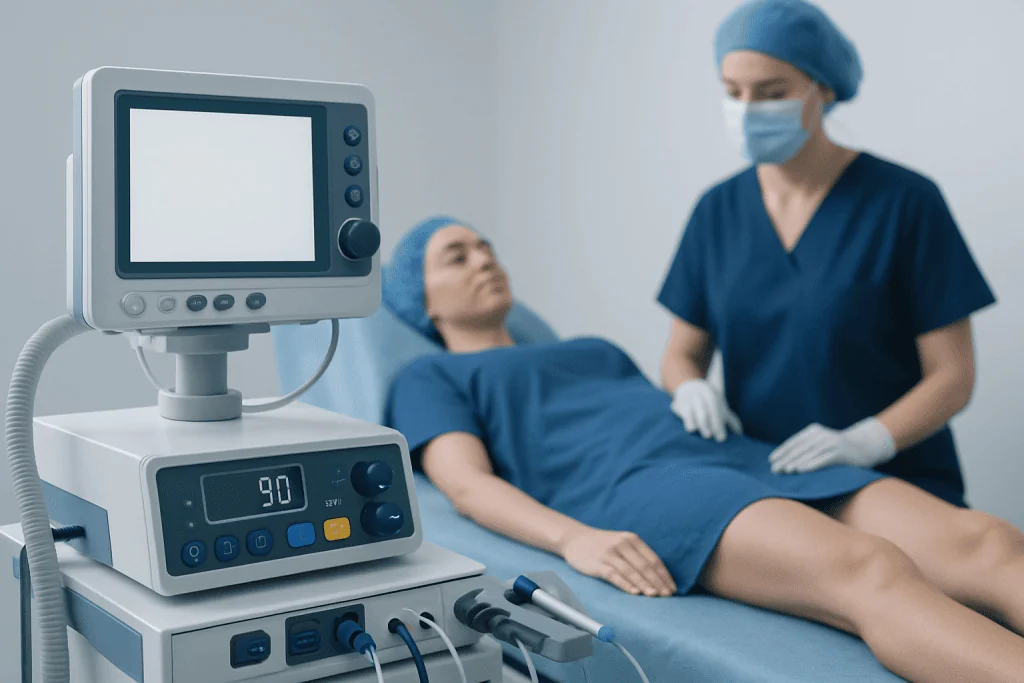
A good candidate for labiaplasty is usually an adult in good overall health who understands the procedure, has realistic expectations, and is making the decision voluntarily. Many surgeons prefer to operate only after genital development is complete. People seeking surgery mainly because of pressure from a partner, social media images, or temporary distress may benefit from more time, education, or counseling before deciding.
During evaluation, the surgeon asks about symptoms, medical history, medications, smoking, previous surgeries, pregnancies, childbirth history, and any problems with wound healing. The consultation also explores the person’s goals: whether the main concern is physical discomfort, asymmetry, visibility in clothing, or appearance. This helps the surgeon explain what surgery may improve and what it may not change.
Doctors also examine the vulvar anatomy and check for conditions that could affect care. These may include irritation from friction, skin disease, infection, scarring, or concerns involving nearby structures. In some cases, patients are referred for gynecologic assessment first, especially if there are symptoms such as discharge, pelvic pain, recurrent irritation, or urinary complaints.
Not everyone is an ideal candidate. Surgery may be delayed if there is an active infection, uncontrolled medical condition, pregnancy, or smoking that increases wound-healing risk. A surgeon may also advise against the procedure if expectations are unlikely to be met safely or if symptoms are more likely due to another medical problem than labial tissue itself.
How the procedure works: step by step

Labiaplasty is usually performed as an outpatient procedure, meaning the patient can often go home the same day. Depending on the planned surgery and the surgeon’s approach, it may be done under local anesthesia with sedation or under general anesthesia. The exact technique depends on anatomy, goals, and how much tissue is being reshaped.
Two common approaches are edge trimming and wedge resection. In an edge trim technique, the surgeon removes tissue along the outer edge of the labia minora to reduce length or improve contour. In a wedge technique, a V-shaped or wedge-shaped section is removed from the thickest area, helping reduce size while preserving the natural edge in selected patients. The surgeon then closes the tissue with dissolvable sutures.
Some procedures may also involve the labia majora if there is significant asymmetry, excess tissue, or volume loss, though this is less common than surgery on the labia minora. The surgeon aims to reduce discomfort and create a balanced result while protecting sensation and normal function. Because each person’s anatomy is different, the plan should be individualized rather than based on a fixed cosmetic template.
Patients considering surgery may discuss the process with specialists in plastic and reconstructive surgery. The surgical team explains preparation, anesthesia, incision placement, expected swelling, and recovery instructions in detail so the patient knows what to expect before, during, and after the procedure.
Benefits and limitations of labiaplasty
The potential benefits of labiaplasty often include less friction or pinching during physical activity, reduced discomfort in tight clothing, easier hygiene for some patients, and improved confidence in situations such as exercise, intimacy, or wearing swimwear. For people with pronounced asymmetry, surgery may also create a more balanced appearance. When the main complaint is mechanical irritation, these changes can be meaningful in everyday life.
However, labiaplasty has limitations. It cannot guarantee a specific aesthetic result, perfect symmetry, or an emotional outcome such as improved self-esteem in every case. Mild asymmetry after healing is common in human anatomy, including after surgery. Recovery also takes time, and early swelling can temporarily make the area look uneven before final results develop.
Patients should know that the goal is usually improvement, not perfection. A careful surgeon will discuss which concerns are likely to respond to surgery and which may not. If symptoms are caused by infection, skin disease, hormonal irritation, or pelvic pain syndromes, treating those issues first may be more helpful than proceeding directly to surgery.
Risks, side effects, and possible complications
Like all operations, labiaplasty carries risks. Common short-term effects include swelling, bruising, tenderness, and mild bleeding or oozing from the incision area. These are usually expected early in recovery and often improve gradually with rest, hygiene, and follow-up care. Pain is typically manageable, but the level varies from person to person.
Potential complications include infection, wound separation, delayed healing, noticeable scarring, changes in sensation, persistent pain, asymmetry, under-correction, over-correction, or dissatisfaction with appearance. In rare cases, excessive tissue removal may lead to ongoing dryness, pulling, or discomfort. Because the tissue is delicate and highly individual, surgeon experience and good aftercare matter.
Risk may be higher in people who smoke, have uncontrolled diabetes, poor circulation, clotting disorders, or active skin or vaginal infections. Following preoperative and postoperative instructions carefully can help reduce complications. Patients should also avoid comparing early healing with final results, since swelling can last weeks and subtle refinement may continue for several months.
If a patient has symptoms such as unusual discharge, irritation, or recurrent infections before surgery, doctors may first assess for conditions requiring gynecologic treatment. In some cases, this may involve evaluation by specialists in gynecology before deciding whether surgery is appropriate.
Recovery timeline and self-care after labiaplasty
Recovery from labiaplasty happens in stages rather than all at once. In the first few days, swelling, soreness, and bruising are common. Rest, loose clothing, gentle hygiene, and keeping pressure off the area can help. Patients are usually advised to avoid strenuous exercise, cycling, heavy lifting, sexual activity, and anything that causes rubbing until the surgeon confirms healing is progressing well.
Many people feel more comfortable returning to light daily activities within several days to about one to two weeks, depending on their work and the extent of surgery. Swelling often improves noticeably over the first few weeks, but the tissues may still look fuller or feel firm during healing. Dissolvable stitches typically soften or disappear over time.
More vigorous exercise and sexual activity are usually delayed for several weeks, often around four to six weeks or longer based on the surgeon’s advice. Final contour is not immediate. Subtle swelling can persist, and the final appearance may take a few months to settle. Follow-up visits are important to check healing, answer questions, and address any concerns early.
Patients who want structured guidance on healing and follow-up after surgery may also benefit from information related to aesthetic and plastic surgery care pathways. Good recovery depends on patience, realistic expectations, and close communication with the clinical team.
When to seek medical care
A medical review is important if there is persistent vulvar discomfort, rubbing, pinching, recurrent skin breakdown, or symptoms that interfere with exercise, intimacy, or daily life. A doctor can help determine whether the problem is related to labial anatomy or another cause that may be treated without surgery. Seeking assessment is also sensible if there is significant asymmetry after childbirth, injury, or prior surgery.
After labiaplasty, prompt medical advice is needed for fever, increasing redness, worsening swelling after initial improvement, foul-smelling discharge, heavy bleeding, severe pain not improving with prescribed care, or signs that the wound is opening. These symptoms do not always mean a serious complication, but they should be checked without delay.
People with pelvic pain, vaginal discharge, skin changes, or recurrent irritation should not assume labiaplasty is the answer. A gynecologic or dermatologic evaluation may be needed first. If surgery is the right option, a carefully planned approach is safer and more likely to meet the patient’s goals.
For international patients considering specialist evaluation, Acibadem International’s multidisciplinary teams in JCI-accredited hospitals diagnose and treat conditions affecting intimate health and provide surgical assessment when labiaplasty may be appropriate.
Making an informed decision
Deciding on labiaplasty involves more than choosing a procedure date. It includes understanding normal anatomy, clarifying why surgery is being considered, reviewing alternatives, and discussing expected benefits and risks. A high-quality consultation should leave the patient feeling informed rather than pressured, with enough time to think carefully about the decision.
Questions that can be useful include what technique is recommended, what kind of scar to expect, how pain is managed, how long activities should be limited, and what signs of complications should prompt a call. Patients can also ask how final results are assessed and whether there are circumstances where revision surgery may be considered. Honest communication helps set realistic expectations.
For some people, reassurance and conservative measures such as changing clothing, reducing friction, treating irritation, or managing an underlying condition may be enough. For others, surgery offers meaningful relief when symptoms are persistent and clearly linked to the labia. The right decision is the one made with clear information, careful examination, and support from an experienced clinician.
Frequently asked questions
What is labiaplasty usually done for?
Labiaplasty is most often done to reduce discomfort caused by enlarged or uneven labia or to change appearance based on personal preference. Common concerns include rubbing during exercise, irritation in clothing, or self-consciousness about the area.
How long does it take to recover from labiaplasty?
Initial soreness and swelling are usually most noticeable in the first days to weeks, with gradual improvement over time. Many people return to light activities within about one to two weeks, but exercise and sexual activity often need to wait several weeks until healing is confirmed.
Is labiaplasty painful?
Some discomfort is expected after surgery, especially during the first few days. Most patients describe soreness, swelling, and tenderness rather than severe pain, and these symptoms are usually managed with the surgeon’s recommended aftercare.
Will labiaplasty affect sensation or sexual function?
Many patients heal without major changes in sensation, but changes in sensitivity are a possible risk of any surgery in this area. A careful surgical plan aims to preserve normal function, though no procedure can completely eliminate risk.
Are there non-surgical alternatives to labiaplasty?
If symptoms are mild, non-surgical measures may help, such as changing underwear or workout clothing, using friction-reducing strategies, or treating irritation or infection. When discomfort is caused by anatomy and persists despite these steps, surgery may be considered.
Who should avoid or delay labiaplasty?
Labiaplasty may need to be delayed in people with active infection, uncontrolled medical conditions, pregnancy, or factors that raise healing risk, such as smoking. It may also be inappropriate if the main issue is another untreated medical condition rather than labial tissue.
References
- American College of Obstetricians and Gynecologists
- American Society of Plastic Surgeons
- Royal College of Obstetricians and Gynaecologists
- National Health Service
- International Society of Aesthetic Plastic Surgery
This article is for general information only and is not a substitute for professional medical advice. Please consult a qualified doctor about your individual situation.
Labiaplasty in Turkey — costs, top hospitals & a free quote
JCI-accredited · board-certified surgeons · reply within 24h

More from the Health Library



Related Specialists

Dt. Kübra Aycan Tavuz
Oral & Dental Health
Assoc. Prof. Dr. Özge Vural Topuz
Nuclear Medicine
Prof. Dr. Selami Çakmak
Orthopedic Surgery & Traumatology
Dr. Aliye Sevil Sarıkaya
Pediatric Endocrinology