Lesch Nyhan Syndrome: Early Signs, Risk Factors, and How It Is Treated
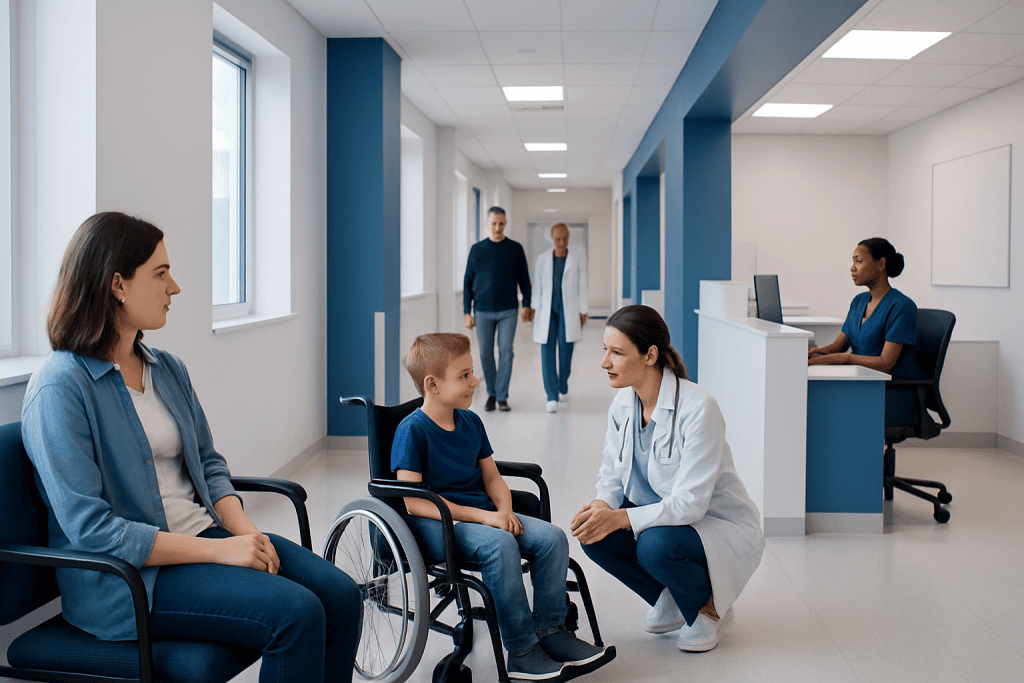
Lesch Nyhan syndrome is an inherited disorder linked to a change in the HPRT1 gene. Early signs often include delayed motor development, abnormal muscle tone, and orange uric acid crystals in diapers.
Key Takeaways
- Lesch Nyhan syndrome is an inherited disorder linked to a change in the HPRT1 gene.
- Early signs often include delayed motor development, abnormal muscle tone, and orange uric acid crystals in diapers.
- There is no cure, but treatment can lower uric acid and support movement, behavior, nutrition, and overall quality of life.
- Diagnosis is based on clinical features, laboratory testing, and genetic confirmation.
- Ongoing care usually involves several specialists, including pediatricians, neurologists, geneticists, and rehabilitation teams.
Lesch Nyhan syndrome is a rare inherited disorder caused by a deficiency of the HPRT enzyme. It usually begins in infancy or early childhood and can lead to high uric acid levels, movement difficulties, developmental challenges, and characteristic self-injurious behaviors, but early diagnosis and coordinated care can help manage symptoms and improve daily life.
Overview
Lesch Nyhan syndrome is a rare genetic condition that affects how the body recycles purines, which are natural substances used to build and repair cells. Because of a deficiency in an enzyme called hypoxanthine-guanine phosphoribosyltransferase, or HPRT, the body produces too much uric acid and the nervous system is also affected.
The condition is usually recognized in infancy or early childhood. Many children first show delayed sitting, crawling, or walking, unusual muscle stiffness or floppiness, and feeding challenges. As the condition progresses, movement problems and behavioral symptoms may become more noticeable.
Lesch Nyhan syndrome is best known for a pattern of involuntary self-injurious behavior, such as biting of the lips, tongue, or fingers. This behavior is a medical feature of the disorder rather than a sign of intentional aggression. Families often need both practical support and reassurance that these symptoms are part of a neurologic condition.
Although there is currently no cure, modern care can address the different parts of the syndrome. Treatment usually focuses on controlling uric acid, preventing complications such as kidney stones, supporting movement and nutrition, and helping families manage daily challenges with a long-term, coordinated plan.
Early Signs and Symptoms
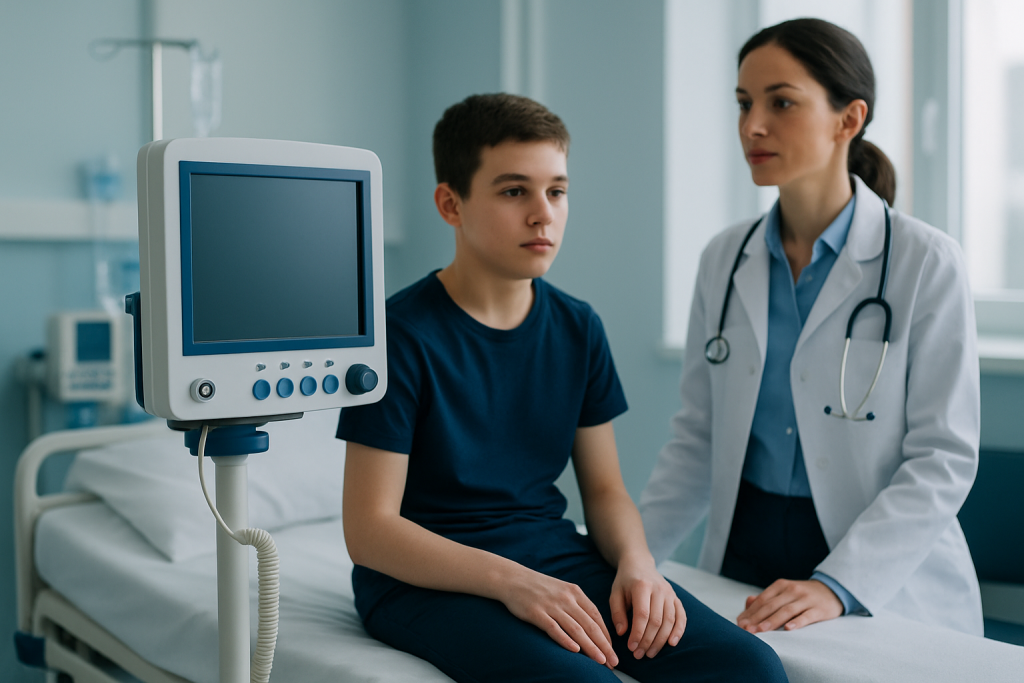
Early signs of lesch nyhan syndrome can appear within the first year of life, although diagnosis is sometimes delayed because the first symptoms are not specific. One clue may be orange or reddish crystals in the diaper, sometimes described as “sand,” caused by excess uric acid in the urine. Babies may also have poor head control, delayed motor milestones, or feeding difficulties.
As children grow, neurologic symptoms often become clearer. These may include muscle stiffness, unusual movements, twisting postures, involuntary jerking, or difficulty with balance and coordination. Some children have low muscle tone early on and later develop increased tone or dystonia, which can interfere with sitting, standing, or speaking.
Behavioral features are an important part of the condition. Self-biting or other self-injurious behavior often begins after teeth erupt, though not every child shows it at the same age or in the same way. Irritability, impulsivity, and emotional distress may also occur, while understanding and awareness can be relatively preserved, which may make symptoms especially frustrating for the child and family.
- Delayed motor development
- Abnormal muscle tone or involuntary movements
- Feeding and swallowing difficulties
- Orange uric acid crystals in diapers
- Kidney stones or blood in the urine
- Self-injurious behavior, especially lip or finger biting
Causes and Risk Factors
Lesch Nyhan syndrome is caused by changes in the HPRT1 gene. This gene provides instructions for making the HPRT enzyme, which helps the body recycle purines. When the enzyme is missing or severely reduced, uric acid builds up and important brain pathways involved in movement and behavior are disrupted.
The condition follows an X-linked inheritance pattern. This means it mainly affects males, who have one X chromosome. Females usually have a second, unaffected X chromosome that protects them from the full syndrome, though some female carriers may have mild findings in uncommon situations.
The main risk factor is a family history of the disorder or known carrier status in the mother. However, a child can also be the first person in a family to be diagnosed if the genetic change is new or if there is no prior family history that is known. Genetic counseling can help families understand inheritance, recurrence risk, and testing options.
Lesch Nyhan syndrome belongs to a broader group of inherited metabolic conditions. In the diagnostic process, doctors may also consider other neurologic or metabolic disorders with movement problems or developmental delay, including some forms of muscular dystrophy, depending on the symptoms present.
How Lesch Nyhan Syndrome Is Diagnosed
Diagnosis starts with a careful review of symptoms, development, family history, and physical examination. Doctors may suspect the condition in a young child with delayed motor milestones, dystonia or other involuntary movements, high uric acid, and self-injury. Because the disorder is rare, diagnosis often involves specialists in pediatrics, neurology, genetics, and metabolism.
Laboratory testing can show elevated uric acid levels in blood or urine. In some cases, testing of enzyme activity confirms that HPRT function is very low or absent. Kidney and urinary tract complications, such as stones or crystal formation, may be assessed with urine studies and imaging when needed.
Genetic testing is used to confirm the diagnosis by identifying a change in the HPRT1 gene. This can help guide family counseling and may also allow carrier testing or prenatal testing in future pregnancies when appropriate. A confirmed genetic diagnosis often helps families move more quickly toward practical treatment planning and supportive services.
Additional tests may be recommended to evaluate muscle tone, swallowing, nutrition, and orthopedic concerns. If seizures, unusual imaging findings, or other symptoms are present, doctors may investigate related neurological conditions as well, such as epilepsy, to build a complete care plan.
Treatment Options and Long-Term Management
There is no cure for lesch nyhan syndrome, so treatment aims to reduce complications and improve comfort, function, and participation in daily life. Medicines that lower uric acid can help prevent gout-like symptoms, kidney stones, and uric acid crystal buildup. Good hydration and regular monitoring are also important parts of care.
Neurologic and physical symptoms often need a multidisciplinary approach. Rehabilitation may include physical therapy, occupational therapy, speech and feeding support, adaptive seating, and assistive devices. In selected cases, children may benefit from physical therapy and rehabilitation to support posture, mobility, and daily activities.
Managing self-injurious behavior can be one of the most challenging aspects of care. Doctors may recommend behavioral strategies, protective devices, dental approaches, environmental modifications, and, in some cases, medication to reduce distress or impulsive behaviors. When movement symptoms are severe, specialist evaluation may be needed to explore additional options used in complex movement disorders, including deep brain stimulation in highly selected situations.
Nutritional support, swallowing assessment, and monitoring for kidney and bladder problems are also part of ongoing care. Some children need coordinated support from pediatric neurology, urology, dentistry, psychology, and rehabilitation medicine. If urinary complications become significant, evaluation through services related to urology care may be helpful.
Prevention, Daily Care, and Family Support
Lesch Nyhan syndrome cannot be prevented after a child is born, but genetic counseling can help families understand future reproductive options. If there is a known family history, carrier testing and discussion with a genetics specialist may be useful before or during pregnancy. Early recognition in an affected child allows treatment to begin sooner and may reduce preventable complications.
Daily care often focuses on safety, comfort, and routine. Families may need to use protective gloves, mouth guards, padded seating, or customized equipment to reduce injury risk. Regular hydration, attention to constipation, and close follow-up for feeding or swallowing difficulties can also make everyday care easier.
Emotional support is important for both the child and caregivers. Because self-injury in this condition is involuntary, families benefit from clear explanations, practical training, and support from experienced teams. Working with school staff, therapists, and community resources can help create a safer and more supportive environment.
Near the end of the care pathway, some families seek assessment at specialized centers. Acibadem International’s multidisciplinary specialists and JCI-accredited hospitals diagnose and treat complex neurologic and metabolic conditions for international patients, with care plans tailored to each child’s needs.
When to Seek Medical Care
Parents should arrange medical evaluation if a baby or young child has delayed movement milestones, unusual stiffness or floppy muscle tone, feeding problems, or orange crystals in the diaper. These signs do not always mean lesch nyhan syndrome, but they do deserve prompt assessment by a qualified doctor.
Medical care is also important if a child develops repetitive self-biting, blood in the urine, signs of kidney stones, severe irritability, or worsening involuntary movements. Early specialist input can help reduce complications and improve symptom management.
Urgent care is needed for trouble breathing, choking, severe dehydration, uncontrolled pain, suspected urinary blockage, or any injury that causes significant bleeding or infection. Families should also contact their healthcare team if there is a sudden change in behavior, feeding, or movement.
Because this is a lifelong condition, regular follow-up matters even when symptoms seem stable. Ongoing reviews help doctors adjust treatment, monitor kidney health and nutrition, and provide timely support as the child’s needs change.
Frequently asked questions
What is lesch nyhan syndrome?
Lesch Nyhan syndrome is a rare inherited disorder caused by deficiency of the HPRT enzyme. It affects purine metabolism, leading to excess uric acid as well as neurological and behavioral symptoms.
At what age do symptoms usually begin?
Symptoms often begin in infancy or early childhood. Early clues can include delayed motor development, feeding difficulties, and orange uric acid crystals in the diaper, while self-injurious behavior often appears later.
Is lesch nyhan syndrome curable?
There is no cure at present. Treatment focuses on lowering uric acid, preventing complications, supporting movement and nutrition, and helping manage behavioral symptoms with long-term multidisciplinary care.
Does lesch nyhan syndrome affect intelligence?
Children with the condition may have developmental and cognitive challenges, but the degree varies. Many are also very aware of their surroundings and symptoms, which can make frustration and distress more noticeable.
Why do children with lesch nyhan syndrome hurt themselves?
Self-injurious behavior is a recognized neurologic and behavioral feature of the disorder. It is not simply a matter of choice or poor discipline, and families usually need medical, behavioral, and protective strategies to manage it safely.
Can females have lesch nyhan syndrome?
The full syndrome mainly affects males because it is inherited in an X-linked pattern. Females are usually carriers, though rare exceptions can occur depending on the genetic situation.
How is lesch nyhan syndrome confirmed?
Doctors usually confirm the diagnosis with laboratory testing and genetic testing of the HPRT1 gene. Clinical features such as high uric acid, movement problems, and self-injury also help guide the evaluation.
References
- National Institute of Neurological Disorders and Stroke
- National Organization for Rare Disorders
- Genetics Home Reference / MedlinePlus Genetics
- National Library of Medicine
- Orphanet
This article is for general information only and is not a substitute for professional medical advice. Please consult a qualified doctor about your individual situation.
Explore treatments in Turkey — costs, top hospitals & a free quote
JCI-accredited · board-certified surgeons · reply within 24h