Love Handles — Explained by Medical Evidence, Not Myths
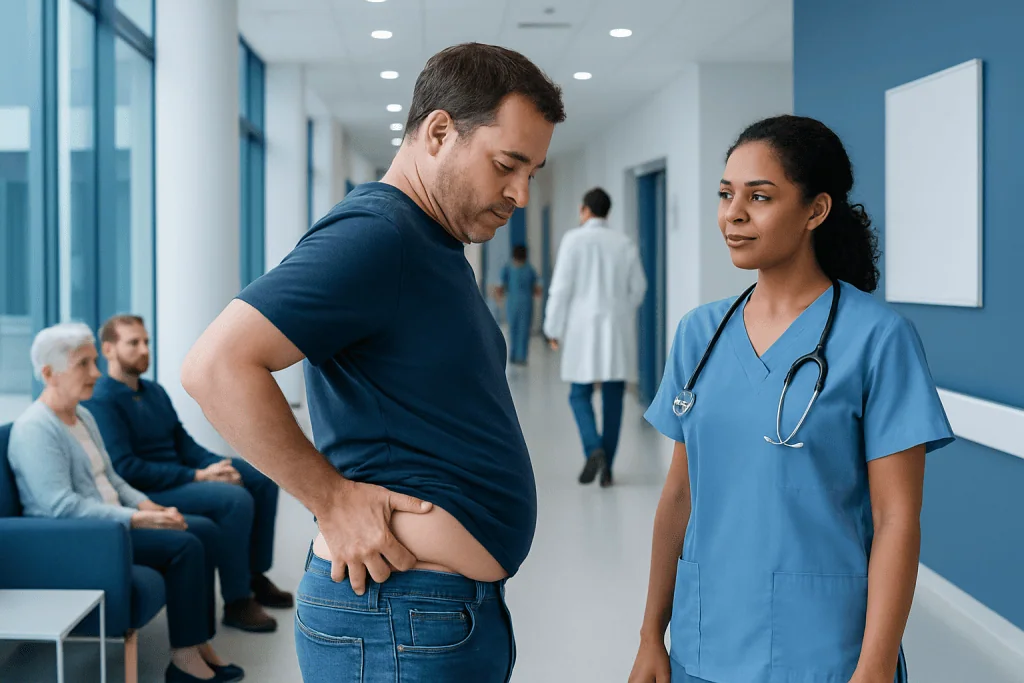
Love handles are a common pattern of fat storage around the waist and hips. They cannot be reliably reduced by spot exercises alone; overall fat loss is the evidence-based approach.
Key Takeaways
- Love handles are a common pattern of fat storage around the waist and hips.
- They cannot be reliably reduced by spot exercises alone; overall fat loss is the evidence-based approach.
- Diet, physical activity, sleep, stress, age, hormones, and genetics all influence waist fat.
- Excess waist fat may be linked with higher risks of insulin resistance, fatty liver disease, and heart disease.
- A doctor should evaluate rapid body changes, pain, swelling, or signs of hormonal or metabolic problems.
Love handles are fat deposits around the sides of the waist, usually caused by a mix of overall body fat, genetics, hormones, and lifestyle factors. They are common and not a disease, but in some people they can be a sign of increased metabolic health risk, especially when paired with excess abdominal fat.
What are love handles?
Love handles are soft fat deposits that collect along the sides of the waist, just above the hips. In medical terms, they are not a diagnosis or a separate disease. They are simply one visible pattern of body fat distribution, and they often appear when the body stores extra energy in the abdominal and flank area.
For many people, love handles are mainly a cosmetic concern. However, waist fat can sometimes reflect a broader pattern of excess body fat, including deeper abdominal fat around internal organs. This deeper fat, often called visceral fat, is more closely linked with health risks than fat under the skin alone.
Body shape varies naturally. Some people tend to store more fat in the waist, while others store it in the hips, thighs, or other areas. This variation is influenced by genetics, sex, age, hormones, and daily habits. As a result, love handles can occur in people of different body sizes, although they are more common when overall body fat increases.
Why do love handles develop?
Love handles usually develop when calorie intake regularly exceeds the body’s energy needs over time. The extra energy is stored as fat. Where that fat accumulates is not random; it depends on inherited body shape, hormone balance, age, and activity levels.
A sedentary lifestyle is a major contributor. Sitting for long periods, low daily movement, and limited structured exercise can make it easier to gain body fat, especially around the waist. Diet also matters. Regular intake of highly processed foods, sugar-sweetened drinks, excess alcohol, and oversized portions can support fat gain over time.
Sleep and stress are also important. Poor sleep can affect appetite-regulating hormones and increase cravings for high-calorie foods. Chronic stress may raise cortisol levels, which can encourage abdominal fat storage in some people. In addition, age-related muscle loss can reduce energy expenditure, making weight gain easier unless eating and activity habits are adjusted.
Some medical conditions and medicines can also contribute to changes in body composition. Examples include hormonal disorders, insulin resistance, and certain treatments that affect appetite, fluid balance, or metabolism. When waist size increases quickly or seems out of proportion to lifestyle changes, a medical review may be helpful.
Love handles, body fat, and health risk
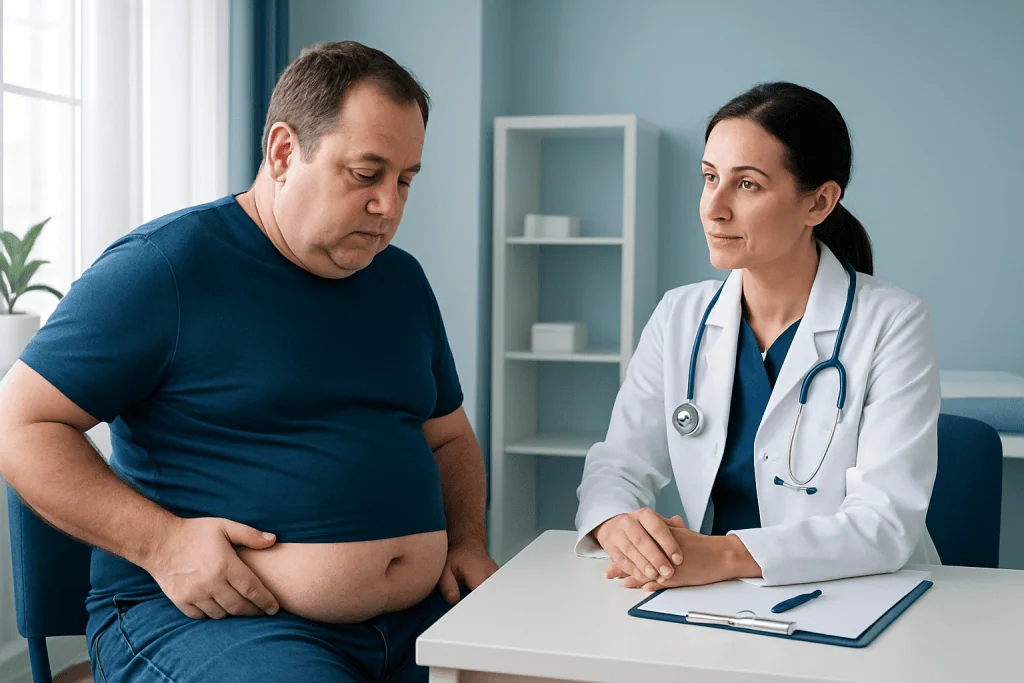
Not all body fat carries the same health significance. Fat just under the skin, called subcutaneous fat, is the type that forms most love handles. This is different from visceral fat, which lies deeper in the abdomen around organs. A person can have both at the same time, and waist size can offer clues about this overall pattern.
Higher amounts of abdominal fat are associated with a greater risk of insulin resistance, type 2 diabetes, high blood pressure, abnormal cholesterol, and cardiovascular disease. In some people, central fat gain may also be linked with fatty liver disease and sleep-related breathing problems. This does not mean that every person with love handles is unhealthy, but it does mean waist fat should be viewed in the broader context of metabolic health.
Doctors may assess risk by looking at body mass index, waist circumference, blood pressure, blood sugar, cholesterol levels, and family history. A person with a larger waist and additional risk factors may benefit from a more structured health review than someone whose concern is mainly appearance. In this way, love handles can be a useful prompt to think about health habits rather than a label to judge the body.
Can exercises target love handles?
A common myth is that side bends, crunches, or other core exercises can directly burn fat from love handles. Current evidence does not support spot reduction as a reliable way to remove fat from one specific area. Muscles can be strengthened locally, but fat loss tends to happen across the whole body according to genetics and energy balance.
That said, exercise remains one of the most effective tools for reducing waist fat over time. Aerobic activity such as walking, cycling, swimming, or jogging helps increase energy expenditure and improve cardiometabolic health. Resistance training helps preserve or build muscle, which supports metabolism and body composition during weight loss.
Core exercises still have value. They can improve posture, trunk strength, balance, and physical function, and they may help the waistline look firmer as overall fat decreases. A balanced program often combines regular aerobic exercise, strength training for major muscle groups, and realistic daily movement goals such as walking more and sitting less.
- Aim for consistent physical activity most days of the week.
- Include strength training at least a few times weekly if medically appropriate.
- Choose exercises that are sustainable, not extreme.
- Focus on long-term habits rather than rapid body changes.
How to reduce love handles with evidence-based habits
The most reliable way to reduce love handles is to reduce overall excess body fat through sustainable lifestyle changes. A balanced eating pattern is usually more effective than short-term restrictive diets. Meals centered on vegetables, fruit, legumes, whole grains, lean protein, nuts, seeds, and healthy fats can improve fullness and support calorie control.
Protein and fiber are especially helpful because they tend to increase satiety. Cutting back on sugary drinks, frequent desserts, highly processed snacks, and excess alcohol may reduce calorie intake without overly complicated rules. Portion awareness also matters, because even nutritious foods can contribute to weight gain if portions are consistently too large.
Regular physical activity supports fat loss and helps maintain results. Many people benefit from combining structured exercise with more movement during the day, such as taking stairs, walking after meals, or reducing prolonged sitting. Better sleep, stress management, and realistic goal-setting also improve the chances of success.
If a person has obesity or weight-related medical concerns, professional support can help. Evaluation may include nutrition planning, supervised exercise advice, and treatment of related conditions such as obesity or insulin resistance. In selected cases, doctors may discuss obesity surgery or other specialist-led weight management options when lifestyle measures alone are not enough.
Medical evaluation and treatment options
Love handles alone do not usually require medical treatment. However, a doctor may assess them as part of a broader evaluation of weight, metabolism, and body composition. This often includes a health history, physical examination, and sometimes blood tests to check blood sugar, cholesterol, liver function, or hormone levels, depending on symptoms and risk factors.
Treatment depends on the underlying issue. When the main concern is excess body fat, the first-line approach is usually lifestyle-based: nutrition changes, exercise, sleep improvement, and behavioral support. If there are signs of endocrine problems, the doctor may investigate conditions such as thyroid disease or Cushing syndrome. If waist enlargement is accompanied by symptoms of diabetes, a person may need assessment for diabetes.
For some individuals, body contouring may be considered after weight has stabilized and health has been assessed. These procedures are not substitutes for treatment of metabolic disease. If there is significant excess fat or loose tissue, a specialist may discuss options such as liposuction or, in selected situations, abdominoplasty. The best choice depends on overall health, goals, and whether the concern is fat, skin, or both.
Near the end of a patient’s evaluation journey, some may choose care at centers with coordinated expertise. Acibadem International’s multidisciplinary specialists and JCI-accredited hospitals diagnose and treat weight-related and body-contouring concerns for international patients when clinically appropriate.
Prevention and self-care
Preventing or limiting love handles generally involves the same habits that support long-term health. A stable routine of balanced eating and regular movement is more effective than repeated cycles of strict dieting and regain. Weight cycling can be frustrating and may make body composition goals harder to maintain.
Helpful self-care also includes sleeping enough, managing stress, and monitoring gradual changes rather than expecting immediate results. Measuring progress by energy level, physical fitness, waist fit, or lab values can be more useful than focusing only on the scale. People often notice meaningful health gains before a major visible change occurs.
It can also help to approach body shape with realism. Genetics strongly influence where fat is stored and how quickly it is lost from different areas. Two people following similar routines may still look different. A sustainable plan should support health, function, and confidence rather than chase an idealized body shape.
When to seek medical care
Medical advice is a good idea if waist gain is rapid, unexplained, or accompanied by other symptoms. Examples include unusual fatigue, increased thirst, frequent urination, snoring with daytime sleepiness, menstrual changes, erectile problems, swelling, or purple stretch marks. These may suggest an underlying hormonal or metabolic issue that deserves assessment.
A person should also seek care if they have a personal or family history of diabetes, high blood pressure, high cholesterol, fatty liver disease, or heart disease and are noticing increasing abdominal fat. A clinician can check for hidden risk factors and help build a safe plan. This is especially important before starting intense exercise or restrictive dieting.
Emergency care is not usually needed for love handles themselves, but sudden abdominal swelling, severe pain, shortness of breath, chest pain, or significant leg swelling should never be ignored. Those symptoms may point to a different medical problem rather than ordinary fat gain.
Frequently asked questions
Are love handles normal?
Yes. Love handles are a common way the body stores fat around the waist and hips. They are not a disease by themselves, although they can sometimes reflect increased overall or abdominal fat.
Can love handles go away with exercise alone?
Exercise helps, but spot exercises alone usually do not remove fat from one specific area. Love handles typically decrease when overall body fat decreases through a combination of physical activity, eating habits, sleep, and other lifestyle changes.
Do love handles mean a person has visceral fat?
Not necessarily. Love handles are usually made up of subcutaneous fat under the skin, but some people with larger waists may also have deeper visceral fat in the abdomen. A doctor can assess overall risk using waist measurements, health history, and metabolic tests.
What foods help reduce love handles?
No single food targets love handles directly. In general, a balanced eating pattern with vegetables, fruit, whole grains, legumes, lean protein, and healthy fats can support fat loss, while cutting back on sugary drinks, frequent processed snacks, and excess alcohol may help reduce calorie intake.
Are love handles caused by hormones?
Hormones can influence where fat is stored, especially with aging, stress, insulin resistance, or endocrine disorders. However, love handles are usually caused by several factors together, including calorie balance, physical activity, sleep, and genetics.
When should someone worry about love handles?
A person should seek medical advice if waist size increases quickly, if they have symptoms such as fatigue or excessive thirst, or if they have risk factors for diabetes or heart disease. In many cases, the concern is not the love handles themselves but what they may say about overall metabolic health.
References
- World Health Organization
- Centers for Disease Control and Prevention
- National Institute of Diabetes and Digestive and Kidney Diseases
- American Heart Association
- Mayo Clinic
This article is for general information only and is not a substitute for professional medical advice. Please consult a qualified doctor about your individual situation.
Medical weight-loss options in Turkey — costs & eligibility
JCI-accredited · board-certified surgeons · reply within 24h
Check your numbers in seconds
BMI, calories, due date, blood pressure and 30+ more clinical calculators — free, instant, doctor-reviewed ranges.