

Low Estrogen Symptoms in Women: Possible Causes and When to Seek Care

Low estrogen can affect the menstrual cycle, body temperature, mood, sleep, sexual health, bones, and urinary comfort. Menopause is a common cause, but low estrogen may also happen earlier because of ovarian, pituitary, thyroid, lifestyle, or treatment-related factors.
Key Takeaways
- Low estrogen can affect the menstrual cycle, body temperature, mood, sleep, sexual health, bones, and urinary comfort.
- Menopause is a common cause, but low estrogen may also happen earlier because of ovarian, pituitary, thyroid, lifestyle, or treatment-related factors.
- Diagnosis usually combines symptom review with medical history, physical examination, and selected blood tests or imaging when needed.
- Treatment depends on the cause and may include lifestyle measures, non-hormonal symptom relief, or hormone therapy when appropriate.
- Medical care is especially important for very early symptoms, missed periods, infertility concerns, severe symptoms, or unexpected bleeding.
Low estrogen symptoms in women often include changes in periods, hot flashes, sleep problems, vaginal dryness, mood changes, and lower sexual desire. These symptoms can happen during menopause, but they may also result from stress, intense exercise, ovarian conditions, certain medicines, or other health issues that deserve medical evaluation.
Overview: what low estrogen symptoms can look like
Low estrogen symptoms in women commonly include irregular or missed periods, hot flashes, night sweats, vaginal dryness, pain with sex, sleep disturbance, mood changes, and reduced libido. Some women also notice headaches, trouble concentrating, dry skin, or recurrent urinary discomfort. Because estrogen affects many tissues throughout the body, symptoms can appear in several different ways rather than as one single problem.
Estrogen naturally rises and falls across the menstrual cycle and changes significantly during perimenopause and menopause. For that reason, not every brief symptom means there is a disease. Still, when symptoms are persistent, start unusually early, or affect daily life, a medical assessment can help determine whether low estrogen is the cause and whether another condition may be involved.
It is also important to remember that symptoms of low estrogen can overlap with thyroid disease, depression, sleep disorders, medication effects, and other gynecologic conditions. A person does not need to diagnose this alone. A clinician can review the overall pattern of symptoms and decide whether evaluation for hormonal imbalance, menopause, or another cause is appropriate.
Common symptoms women may notice
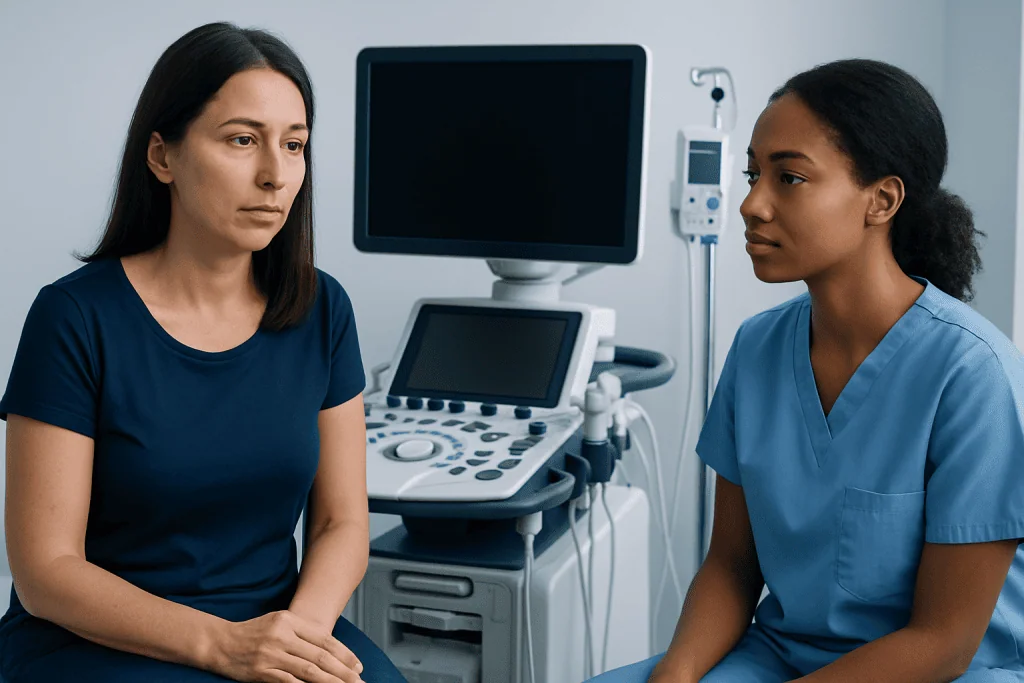
One of the earliest signs can be a change in the menstrual cycle. Periods may become lighter, heavier, less frequent, or stop altogether. In younger women, missed periods without pregnancy should not be ignored, especially if they occur with weight loss, heavy exercise, high stress, or fertility concerns.
Vasomotor symptoms are also common. These include hot flashes, flushing, and night sweats, which can disrupt sleep and leave a person feeling tired or irritable during the day. Poor sleep can then worsen concentration, memory, and mood, creating a cycle that affects work, relationships, and overall well-being.
Low estrogen can also affect vaginal and urinary tissues. Women may notice vaginal dryness, burning, itching, pain during sex, or more frequent urinary urgency and discomfort. These symptoms can overlap with infection, so proper evaluation matters. In some cases, they are related to changes seen in vaginal dryness associated with lower estrogen levels.
Longer-term low estrogen may influence bone and heart health, especially if it happens before the usual age of menopause. It can contribute to lower bone density over time and may increase the risk of fractures. For that reason, persistent symptoms deserve attention even when they seem manageable at first.
Possible causes and risk factors

Menopause and the transition leading up to it are the most common reasons for low estrogen symptoms in midlife. During perimenopause, the ovaries gradually change hormone production, which can make periods irregular and symptoms unpredictable. Eventually, after menopause, estrogen levels remain lower than during the reproductive years.
Low estrogen can also happen before the expected age of menopause. Causes include primary ovarian insufficiency, some genetic conditions, autoimmune disease, chemotherapy or pelvic radiation, surgery involving the ovaries, and problems affecting the pituitary gland or hypothalamus. In younger women, prolonged undernutrition, eating disorders, significant psychological stress, or very intense athletic training may also suppress hormone production.
Certain medicines and medical conditions may contribute as well. Thyroid disorders, elevated prolactin, chronic illness, and some hormonal treatments can all alter menstrual cycles or mimic estrogen deficiency symptoms. Because the same symptom pattern can have more than one explanation, testing should be guided by a qualified clinician rather than assumptions alone.
Risk factors that make evaluation more important include symptoms before age 40, a family history of early menopause, infertility, recent cancer treatment, pelvic surgery, or fractures at a younger age. Women with these factors may need a more detailed workup to understand the cause and protect long-term health.
How doctors diagnose the cause
Diagnosis starts with a careful symptom history. A doctor will usually ask about the menstrual pattern, age at symptom onset, pregnancy possibility, sexual symptoms, sleep, mood, medications, weight change, exercise habits, stress, and any history of cancer treatment or surgery. This helps distinguish hormonal changes from other medical conditions that can look similar.
A physical examination may include blood pressure, weight, signs of thyroid disease, and a pelvic exam when symptoms involve vaginal dryness, pain, or bleeding. Blood tests are not always needed for every woman in the typical age range for menopause, but they may be useful when symptoms occur early, cycles stop unexpectedly, or another endocrine disorder is suspected.
Depending on the situation, doctors may order pregnancy testing, follicle-stimulating hormone, estradiol, thyroid tests, prolactin, or other targeted labs. In selected cases, pelvic ultrasound or bone density testing may be recommended. If there are concerns about heavy or irregular bleeding, additional gynecologic assessment is important to rule out causes other than low estrogen.
When the clinical picture is complex, referral to specialists may be helpful. Evaluation may involve gynecology, endocrinology, or fertility experts, especially if symptoms occur at a young age or if pregnancy is desired. In some cases, a broader review for hormonal imbalance can help organize the next steps.
Treatment options and symptom relief
Treatment depends on the cause, the woman’s age, her symptoms, medical history, and whether she wants future pregnancy. If symptoms are related to menopause, treatment may focus on comfort and quality of life. If low estrogen is caused by an underlying condition such as thyroid disease, nutritional deficiency, or pituitary dysfunction, treating that condition is a key part of care.
Hormone therapy may be considered for some women, especially when symptoms are moderate to severe or when estrogen deficiency occurs unusually early. The form and safety of treatment depend on individual factors such as age, the presence or absence of a uterus, personal and family medical history, and cardiovascular or cancer risk. Decisions about hormone therapy should be personalized after discussion with a qualified doctor.
For vaginal dryness or pain with sex, local treatments may be useful, and non-hormonal moisturizers and lubricants can also help. Some women benefit from prescription therapies aimed at menopausal symptoms or sleep problems when hormone therapy is not suitable. If fertility is a concern, assessment by fertility specialists may be appropriate, particularly when low estrogen is linked to ovulation problems or early ovarian insufficiency.
When symptoms involve the pelvic organs or ovaries, doctors may recommend imaging or other gynecologic treatment depending on the findings. In centers such as Acibadem International, multidisciplinary specialists in women’s health, endocrinology, and reproductive medicine evaluate these symptoms and provide care for international patients in JCI-accredited hospitals.
Self-care, lifestyle, and protecting long-term health
Self-care does not replace medical diagnosis, but it can support symptom management. Keeping a simple record of periods, hot flashes, sleep, mood, and vaginal or urinary symptoms can help both the patient and doctor recognize patterns. This is especially useful when symptoms are fluctuating or seem linked to stress, exercise, or changes in weight.
General lifestyle measures may reduce the burden of symptoms. Regular physical activity, sufficient sleep, stress management, and a balanced diet that provides enough calories, protein, calcium, and vitamin D can all support overall hormonal and bone health. Women who smoke are encouraged to seek help to stop, as smoking may worsen menopausal symptoms and affect bone and cardiovascular health.
For vaginal dryness, over-the-counter moisturizers and lubricants may improve comfort during daily activities and sex. Practical steps such as dressing in layers, keeping the bedroom cool, and limiting triggers like alcohol or spicy foods may help some women with hot flashes, although triggers vary from person to person.
Long-term protection matters when estrogen remains low over time, especially before natural menopause. Doctors may discuss bone density monitoring, fracture prevention, and cardiovascular risk assessment. If symptoms happen early or periods stop for months without a clear reason, prompt medical guidance can help prevent complications rather than simply treating discomfort later.
When to seek medical care
Medical evaluation is appropriate when low estrogen symptoms in women are persistent, bothersome, or unusual for age. A doctor should assess symptoms if periods stop or become very irregular without explanation, if hot flashes or sleep disturbance disrupt daily life, or if vaginal dryness and pain affect sexual health and comfort.
Care is especially important when symptoms begin before age 40, after cancer treatment, or alongside infertility concerns. Women should also seek prompt assessment for unexpected vaginal bleeding after menopause, severe pelvic pain, or symptoms that could suggest another condition such as thyroid disease, pregnancy, or infection.
Urgent care may be needed for chest pain, shortness of breath, fainting, sudden severe headache, or heavy bleeding. These symptoms are not typical signs of low estrogen alone and should not be attributed to hormones without evaluation. A clinician can decide whether the issue is hormonal, gynecologic, or related to another part of health.
Some women with irregular cycles and pelvic symptoms may need further assessment for ovarian or uterine conditions. If a structural problem is suspected, doctors may discuss imaging, follow-up, or targeted care such as ovarian cyst treatment when appropriate to the diagnosis.
Frequently asked questions
What are the first low estrogen symptoms in women?
Early symptoms often include changes in the menstrual cycle, such as irregular or missed periods, along with hot flashes, sleep problems, mood changes, or vaginal dryness. The exact pattern varies because estrogen affects many organs and symptoms may come and go at first.
Does low estrogen always mean menopause?
No. Menopause is a common cause, but low estrogen can also happen because of stress, undernutrition, intense exercise, ovarian conditions, pituitary or thyroid disorders, certain medicines, or cancer treatments. A doctor can help identify the actual cause.
Can low estrogen affect fertility?
Yes. Estrogen is part of the hormonal system that supports ovulation and the menstrual cycle, so low levels may be associated with difficulty getting pregnant. Women with missed periods or infertility concerns should discuss evaluation promptly, especially if symptoms begin at a younger age.
How is low estrogen diagnosed?
Diagnosis is based on symptoms, medical history, and age, with blood tests or imaging used when needed. Not everyone requires extensive testing, but women with early symptoms, stopped periods, or unclear causes often benefit from hormone and thyroid evaluation.
Can low estrogen cause anxiety or depression?
It can contribute to mood changes, irritability, and sometimes anxiety or low mood, especially when symptoms disrupt sleep. However, mental health symptoms have many possible causes, so they should not automatically be blamed on hormones without proper assessment.
What helps low estrogen symptoms naturally?
Lifestyle steps such as regular exercise, adequate nutrition, stress reduction, sleep support, and avoiding smoking may help overall health and sometimes reduce symptom burden. For specific symptoms like vaginal dryness or hot flashes, practical non-hormonal measures can help, but medical advice is still important when symptoms are persistent.
References
- American College of Obstetricians and Gynecologists
- National Institute on Aging
- Office on Women's Health
- Endocrine Society
- North American Menopause Society
This article is for general information only and is not a substitute for professional medical advice. Please consult a qualified doctor about your individual situation.
Explore treatments in Turkey — costs, top hospitals & a free quote
JCI-accredited · board-certified surgeons · reply within 24h
Check your numbers in seconds
BMI, calories, due date, blood pressure and 30+ more clinical calculators — free, instant, doctor-reviewed ranges.

More from the Health Library



Related Specialists
Prof. Dr. Meltem Serin
Radiation Oncology
Assoc. Prof. Dr. Yetkin Zeki Yılmaz
Ear Nose & Throat
Assoc. Prof. Dr. Sinan Kırım
Endocrinology
Dr. Semra Kavas
Infectious Diseases & Clinical Microbiology