Meckel’s Surgery: Procedure, Recovery and Results

Meckel's surgery removes a pouch in the small intestine called a Meckel diverticulum. Surgery is usually recommended only when the diverticulum is causing symptoms or complications.
Key Takeaways
- Meckel's surgery removes a pouch in the small intestine called a Meckel diverticulum.
- Surgery is usually recommended only when the diverticulum is causing symptoms or complications.
- Laparoscopic surgery may allow smaller incisions and a shorter recovery for suitable patients.
- The operation may involve removing only the diverticulum or a short section of small intestine.
- Most people recover well, but follow-up is important to monitor wound healing, bowel function, and complications.
Meckel's surgery is an operation to remove a Meckel diverticulum when it causes bleeding, intestinal blockage, inflammation, perforation, or other complications. The procedure is often performed urgently when symptoms are severe and may be done through keyhole incisions or an open abdominal incision, depending on the clinical situation.
Overview: What Is Meckel's Surgery?
Meckel’s surgery is a procedure used to remove a Meckel diverticulum, a small pouch that can develop in the wall of the small intestine before birth. Many people with this condition never have symptoms and do not need treatment. Surgery is considered when the pouch causes bleeding, pain, inflammation, intestinal obstruction, or a hole in the bowel wall.
The operation is also called diverticulectomy when the surgeon removes the pouch alone. If the surrounding intestine is affected, damaged, narrowed, or contains abnormal tissue, the surgeon may remove a small section of bowel and reconnect the healthy ends. This is known as bowel resection with anastomosis.
Meckel diverticulum is more commonly identified in childhood, but it can cause symptoms at any age. The decision to operate depends on the person’s symptoms, examination findings, imaging or surgical findings, and overall health. An incidental diverticulum found during an unrelated operation does not always need removal.
How the Procedure Works and Who May Need It
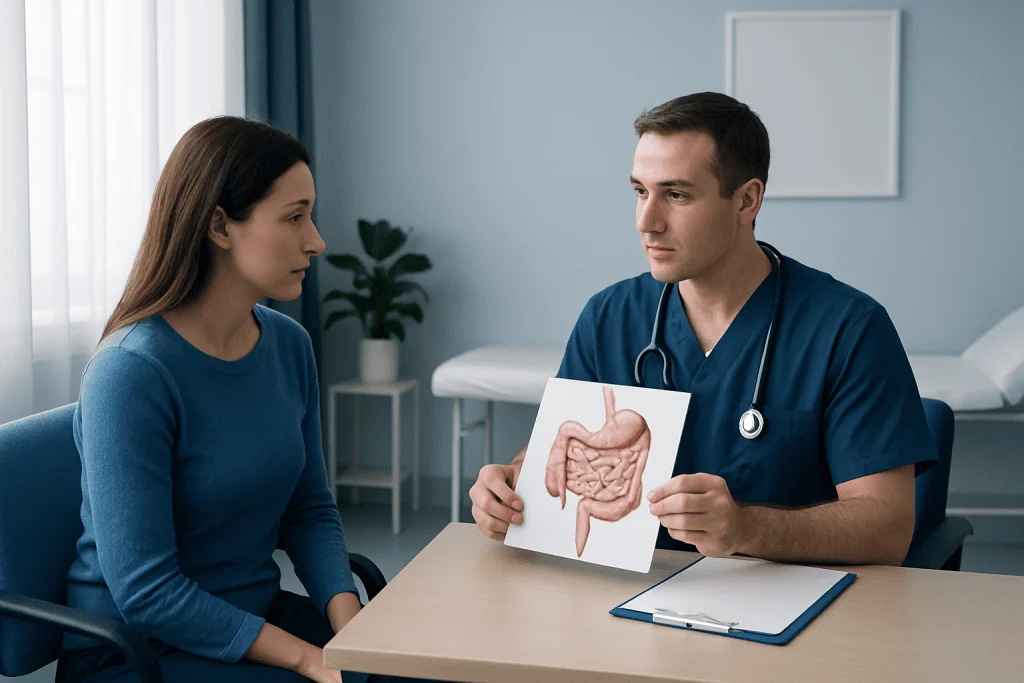
A Meckel diverticulum is a remnant of fetal development located in the lower small intestine. It may contain tissue similar to stomach or pancreatic tissue. Stomach-type tissue can produce acid and lead to ulcers in nearby bowel, which may cause painless rectal bleeding, especially in children.
Meckel’s surgery may be recommended for people with confirmed or strongly suspected complications. These can include unexplained gastrointestinal bleeding, bowel obstruction caused by twisting or trapping of bowel, diverticulitis, perforation, abscess, or a tumor within the diverticulum. In some cases, the diagnosis becomes clear only during emergency surgery for severe abdominal symptoms.
Before planned surgery, clinicians review medical history, medications, allergies, prior operations, and anesthetic risks. Blood tests and imaging may be used to assess bleeding, infection, anemia, or obstruction. A specialized nuclear medicine scan may help identify stomach-type tissue within a Meckel diverticulum in some patients, although no test detects every case.
- Symptoms caused by bleeding or anemia
- Suspected blockage of the small bowel
- Inflammation that resembles appendicitis
- Perforation or infection requiring urgent treatment
- A concerning growth or abnormal tissue found during assessment
Step by Step: What Happens During Meckel's Surgery
The procedure is performed under general anesthesia, so the patient is asleep and does not feel pain during the operation. The surgical team monitors breathing, heart rate, blood pressure, and other vital signs throughout. The exact approach is selected according to the suspected complication, the patient’s condition, and the surgeon’s findings.
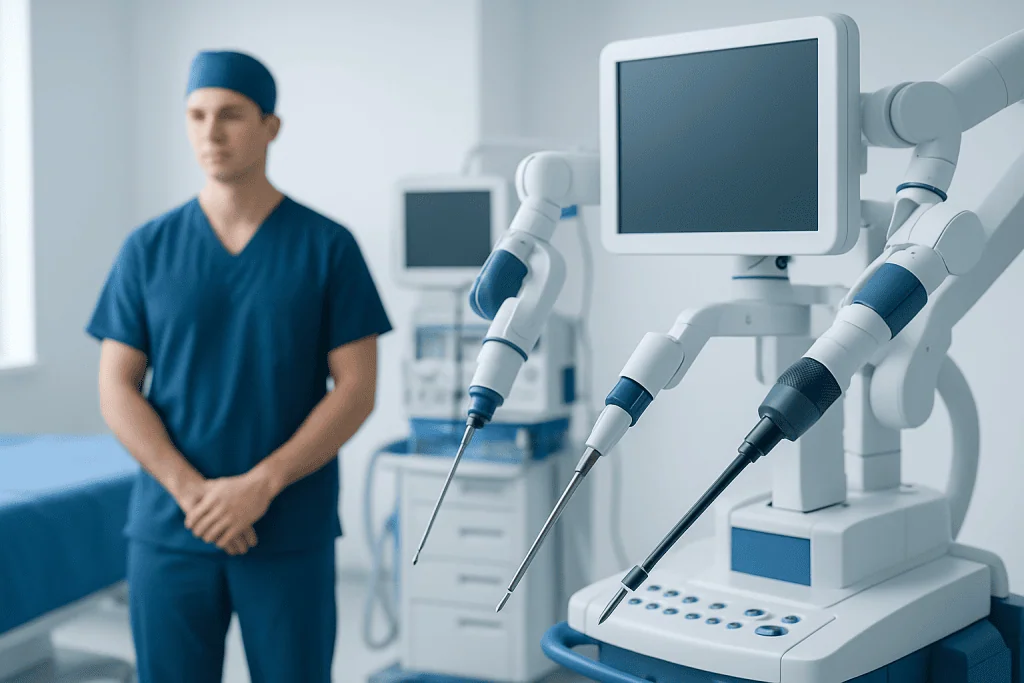
For laparoscopic surgery, the surgeon makes several small abdominal incisions. A camera and slender instruments are inserted to inspect the small intestine and locate the diverticulum. Carbon dioxide gas is used temporarily to create working space in the abdomen. The diverticulum can then be removed through the small incisions or a slightly enlarged incision.
Open surgery uses a larger abdominal incision and may be preferred when there is a major obstruction, perforation, extensive inflammation, heavy bleeding, previous complex abdominal surgery, or uncertainty about the diagnosis. During either approach, the surgeon assesses the base of the diverticulum and nearby bowel. If the bowel is healthy, removal of the pouch alone may be appropriate; if it is inflamed, ulcerated, ischemic, or involved in disease, a short bowel segment may be removed and the healthy ends joined.
Samples removed during surgery are usually examined by a pathologist. This can confirm the diagnosis and identify stomach-type tissue, inflammation, ulcers, or rarely, abnormal cells. The operation length varies with the surgical approach and the complexity of the complication.
Benefits, Results and Possible Risks
The main benefit of Meckel’s surgery is to treat the complication causing symptoms and to prevent the same diverticulum from producing further bleeding, obstruction, inflammation, or perforation. When the diverticulum is the source of bleeding, removal can resolve bleeding related to that structure. In emergency situations, surgery can be lifesaving when perforation, severe infection, or bowel compromise is present.
Results depend partly on why surgery was needed and whether there were complications before the operation. People treated before bowel injury or widespread infection often have a more straightforward recovery than those who require emergency surgery for perforation or obstruction. The surgeon can explain what was found during the procedure and what that may mean for recovery.
As with any abdominal operation, there are potential risks. These include bleeding, infection, reactions to anesthesia, blood clots, injury to nearby structures, leakage from a bowel connection, temporary slowing of bowel activity, and scar tissue that may later contribute to bowel obstruction. Laparoscopic surgery may reduce incision-related discomfort for some people, but it is not appropriate in every situation and may need to be converted to open surgery if safety requires it.
Patients should discuss individual risks with the surgical and anesthesia teams. Factors such as age, nutritional status, other health conditions, the presence of infection, and whether surgery is urgent can influence risk and recovery.
Recovery Timeline After Meckel's Surgery
After surgery, recovery begins with monitoring in a recovery area or hospital ward. Pain relief, fluids, nausea treatment, and measures to prevent blood clots are provided as needed. The care team checks the incision, abdominal comfort, temperature, bowel sounds, and ability to pass gas or stool. Hospital stay varies from a short stay after uncomplicated laparoscopic surgery to a longer admission after bowel resection or emergency treatment.
Food and drink are reintroduced gradually according to the person’s condition and bowel function. Some people begin with clear fluids before progressing to regular meals, while others can advance their diet sooner. Walking as advised by the care team supports circulation, lung function, and return of normal bowel activity.
At home, tiredness and mild incision discomfort are common early in recovery. Patients should follow instructions on wound care, bathing, activity, lifting, driving, work, diet, and prescribed medicines. Strenuous activity and heavy lifting are usually restricted for a period that depends on the procedure and healing progress.
Follow-up allows the surgeon to review pathology findings, incision healing, bowel function, and ongoing symptoms. Recovery is individual: uncomplicated minimally invasive surgery may allow a return to lighter daily activities relatively soon, while open surgery, infection, or bowel resection can require more time. It is important not to compare recovery too closely with another person’s experience.
Self-care and Preparing for Surgery
For planned surgery, patients should carefully follow preoperative instructions about fasting, bowel preparation if advised, and which regular medicines to take or pause. Blood thinners, diabetes medicines, supplements, and anti-inflammatory medicines may need special planning. These changes should only be made with instructions from the treating clinician.
After surgery, supportive self-care includes taking medicines as directed, keeping the incision clean and dry as instructed, eating a balanced diet that is tolerated, drinking enough fluids, and gradually increasing activity. Constipation can be uncomfortable after abdominal surgery, particularly when pain medicines are needed; the care team can advise on safe approaches to bowel regularity.
Smoking can slow healing and increase respiratory and wound-related risks. People who smoke are encouraged to seek support to stop before and after surgery where possible. Keeping follow-up appointments and sharing any concerns promptly helps the team address recovery needs early.
For international patients, Acibadem International’s multidisciplinary specialists and JCI-accredited hospitals provide assessment and surgical care for digestive conditions, including evaluation for general surgery.
When to Seek Medical Care
Urgent medical assessment is important for severe or worsening abdominal pain, a swollen abdomen, repeated vomiting, fainting, fever with significant abdominal tenderness, or blood in the stool. Black, tar-like stool or a large amount of red blood from the rectum can indicate gastrointestinal bleeding and should not be ignored.
After Meckel’s surgery, patients should contact their surgical team promptly if they develop worsening pain rather than gradual improvement, persistent vomiting, inability to keep fluids down, increasing redness or drainage from the wound, fever, shortness of breath, chest pain, or swelling and pain in one leg. These symptoms do not always mean a serious complication, but they need timely clinical advice.
People with ongoing unexplained bleeding, anemia, or recurring episodes of abdominal pain should also arrange medical evaluation, even if symptoms settle. A doctor can determine whether a Meckel diverticulum or another digestive condition may be contributing and recommend appropriate tests or treatment.
Frequently asked questions
What is removed during Meckel's surgery?
The surgeon removes the Meckel diverticulum, which is a small pouch on the small intestine. If nearby bowel is unhealthy or involved in bleeding, inflammation, or blockage, a short section of small intestine may also be removed and the healthy ends reconnected.
Is Meckel's surgery always necessary if a diverticulum is found?
No. Many Meckel diverticula never cause symptoms and are found incidentally. Whether to remove an asymptomatic diverticulum depends on the surgical setting, its appearance, the person’s age and health, and the surgeon’s clinical judgment.
Can Meckel's surgery be done laparoscopically?
Yes, many suitable cases can be treated with laparoscopic, or keyhole, surgery. However, open surgery may be safer or necessary when there is extensive inflammation, perforation, severe obstruction, heavy bleeding, or another complex finding.
How long does recovery take after Meckel's surgery?
Recovery varies according to the surgical approach and whether complications were present. Laparoscopic surgery for an uncomplicated problem may allow a faster return to usual activities, while open surgery or bowel resection commonly needs a longer recovery period.
Will a person have digestive problems after removal of a Meckel diverticulum?
Most people can return to normal eating and bowel habits after healing. Temporary changes such as constipation, loose stools, bloating, or reduced appetite can occur after abdominal surgery, and persistent symptoms should be discussed with the care team.
What are the warning signs after surgery?
Patients should seek medical advice for fever, increasing abdominal pain, persistent vomiting, worsening wound redness or drainage, abdominal swelling, breathing difficulty, or blood in the stool. Early assessment helps identify treatable issues such as infection, dehydration, or bowel-related complications.
References
- National Institute of Diabetes and Digestive and Kidney Diseases
- Merck Manual Consumer Version
- American College of Surgeons
- MedlinePlus
- National Health Service
This article is for general information only and is not a substitute for professional medical advice. Please consult a qualified doctor about your individual situation.
Persistent digestive symptoms? Get evaluated in Turkey
JCI-accredited · board-certified surgeons · reply within 24h
Add us as a Preferred Source to see more of our trusted health content across Google Search, AI Overviews and Discover.
Check your numbers in seconds
BMI, calories, due date, blood pressure and 30+ more clinical calculators — free, instant, doctor-reviewed ranges.