Munchausen by Proxy — Explained by Medical Evidence, Not Myths
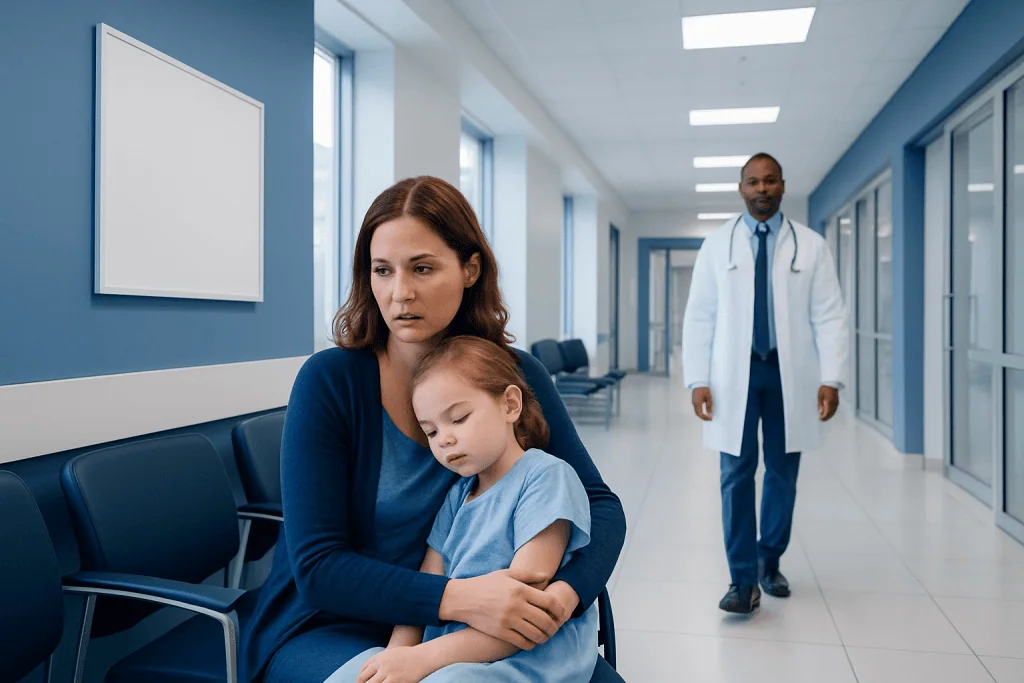
Munchausen by proxy is a recognized mental health and safeguarding issue, not a myth or a parenting style. It involves falsifying, exaggerating, or inducing illness in another person, usually to gain attention or sympathy.
Key Takeaways
- Munchausen by proxy is a recognized mental health and safeguarding issue, not a myth or a parenting style.
- It involves falsifying, exaggerating, or inducing illness in another person, usually to gain attention or sympathy.
- Children may undergo unnecessary tests, medicines, or hospital visits when the behavior is not recognized early.
- Diagnosis depends on careful review of medical records, observed patterns, and multidisciplinary assessment.
- Treatment focuses first on safety, then mental health care, family support, and close follow-up.
Munchausen by proxy, now called factitious disorder imposed on another, is a form of abuse in which a caregiver causes, exaggerates, or invents illness in someone under their care, most often a child. Medical understanding focuses on protecting the affected person, documenting evidence carefully, and arranging psychiatric and social support for the caregiver and family.
Overview: what munchausen by proxy means
Munchausen by proxy is the older, widely used name for factitious disorder imposed on another. It describes a situation in which a caregiver deliberately presents another person as ill, injured, or impaired, or actively causes symptoms. In many cases, the affected person is a child, but vulnerable adults can also be targets.
This condition is understood through medical evidence and safeguarding principles rather than myths or sensational stories. The central issue is harm to the person receiving care. That harm may come from fabricated histories, tampered test samples, unnecessary medicines, withholding food, or directly causing illness or injury.
Experts now often use terms such as caregiver-fabricated illness or medical child abuse because they describe the behavior more clearly. The name matters less than the clinical reality: a pattern of deception that can lead to repeated medical visits, invasive procedures, emotional trauma, and serious health risks.
Because the behavior can be complex and hidden, diagnosis is rarely based on a single event. Instead, healthcare teams look for consistent patterns over time, compare reported symptoms with observed findings, and work closely with child protection and mental health professionals when needed.
How it may appear in real life
Munchausen by proxy can present in many ways. A caregiver may repeatedly report symptoms that medical staff do not observe, such as seizures, bleeding, vomiting, breathing problems, or severe allergies. In some situations, symptoms appear only when the caregiver is present or worsen unexpectedly despite appropriate treatment.
Some caregivers seek frequent opinions from multiple doctors or hospitals, especially when prior evaluations do not confirm a serious illness. They may appear highly engaged with medical details, ask for more tests, or resist reassurance when results are normal. Although being attentive does not mean abuse, a pattern of inconsistencies can raise concern.
Children affected by this behavior may miss school, experience repeated hospital admissions, or begin to believe they are seriously ill. Over time, unnecessary treatment can affect physical health, emotional development, and trust in adults. Some children may become anxious, withdrawn, or confused about their bodies and symptoms.
It is important to remember that many genuine conditions are difficult to diagnose, and most caregivers who seek repeated medical help are acting appropriately. For that reason, clinicians approach possible cases carefully, objectively, and with attention to both medical and family context.
Warning signs doctors may consider

No single sign proves munchausen by proxy, but certain patterns may prompt further assessment. Healthcare professionals usually look at the full picture rather than making conclusions from one symptom or one difficult appointment.
- Reported symptoms are severe, unusual, or persistent, but tests and examinations do not match the history.
- The child improves when separated from the caregiver or when under direct medical observation.
- Symptoms recur repeatedly after discharge or only happen at home.
- The caregiver appears to welcome tests or procedures more than expected, or seems disappointed by normal results.
- Medical records from different clinics show conflicting histories, repeated negative workups, or many missed follow-up plans.
- The child has a history of unexplained illnesses, unusual medication exposure, or suspected poisoning or suffocation events.
These warning signs do not confirm a diagnosis on their own. Many illnesses, including some rare disorders and epilepsy, can be intermittent or difficult to capture during testing. That is why careful documentation, record review, and direct observation are essential.
Doctors also consider the emotional and behavioral impact on the child. Fear of medical settings, repeated school absence, poor quality of life, and confusion about health can all be part of the picture. Protecting the child while avoiding premature conclusions is a key part of good medical practice.
Why it happens and who may be at risk
The exact causes of munchausen by proxy are not fully understood. Research suggests that a combination of psychological distress, personality traits, trauma history, need for attention, and difficulty coping with relationships may play a role in some caregivers. However, each case is different, and assumptions should be avoided.
The behavior is not explained by ordinary anxiety about a child’s health. Many parents are understandably worried when symptoms are unclear. In munchausen by proxy, the core feature is intentional falsification, exaggeration, or induction of illness in another person, even when it causes harm.
There is no single profile that identifies who will develop this disorder. Some caregivers may have their own history of factitious disorder, frequent healthcare use, or unresolved mental health conditions such as depression, trauma-related symptoms, or personality difficulties. But these factors are neither necessary nor sufficient to make the diagnosis.
Risk is highest for the person being cared for, especially infants, young children, and individuals who cannot describe what is happening clearly. The possible consequences range from emotional harm to medication side effects, invasive testing, feeding problems, or severe injury. In some situations, children may be referred for broader mental health assessment, such as child and adolescent psychiatry, to support recovery.
How diagnosis is made
Diagnosis requires careful, evidence-based assessment. Doctors do not diagnose munchausen by proxy simply because symptoms are unexplained. Instead, they review the child’s full medical history, compare reports from different settings, and look for discrepancies between what is described and what is observed clinically.
Medical records are especially important. A pattern of repeated emergency visits, many negative tests, frequent changes of doctor, or symptoms that occur only in one setting may become clearer when records are combined. In hospital, supervised observation can sometimes help determine whether symptoms continue when the caregiver is not directly involved.
Depending on the symptoms, the child may need appropriate investigations to rule out genuine disease. This can include blood tests, specialist consultations, imaging, or monitored inpatient assessment. In selected cases, clinicians may use MRI or other studies if they are medically indicated, but testing is guided by the child’s needs rather than suspicion alone.
Because this issue involves both health and safety, diagnosis usually includes a multidisciplinary team. Pediatricians, psychiatrists, psychologists, nurses, social workers, and child protection professionals may all contribute. When mental health assessment is needed for the caregiver or family, psychiatry services may help clarify underlying conditions and plan treatment.
Treatment and safeguarding
The first priority in suspected or confirmed munchausen by proxy is safety for the affected person. If a child may be at immediate risk, healthcare teams follow legal and safeguarding procedures to reduce harm. This can involve supervised contact, temporary separation, or coordination with child protection authorities, depending on local law and the seriousness of the situation.
Once safety is addressed, treatment focuses on the child’s medical recovery and emotional wellbeing. Some children need their medicines reviewed, unnecessary interventions stopped, and normal routines such as school and sleep restored. Psychological support can help them process fear, confusion, and loss of trust.
The caregiver also needs assessment and treatment, although engagement may be challenging. Mental health care may include psychotherapy, evaluation for coexisting psychiatric conditions, and family-based interventions when appropriate. Progress often depends on insight, honesty, and sustained support over time.
Family care is important because siblings and other relatives may also be affected. The goal is not only to stop harmful behavior but also to create a safer, healthier environment for everyone involved. In complex cases, multidisciplinary specialists at Acibadem International’s JCI-accredited hospitals can assess and manage this condition for international patients.
Prevention, self-care, and reducing harm
There is no simple way for families to prevent munchausen by proxy, but a few practical steps may reduce the chance that harmful patterns go unnoticed. Keeping one consistent primary doctor, bringing prior records to appointments, and using medicines exactly as prescribed can support safer, more coordinated care.
For parents and caregivers who feel overwhelmed by a child’s symptoms, honest communication is essential. It is reasonable to ask questions, seek second opinions when needed, and advocate for a child. It is equally important to avoid changing or adding symptoms, adjusting medicines without advice, or pushing for tests that the care team does not recommend.
For clinicians and families alike, listening to the child’s voice matters. When age-appropriate, children should be asked directly about symptoms, routines, and how they feel about medical visits. School staff, relatives, and other caregivers can sometimes provide helpful information about how the child functions outside the medical setting.
If a caregiver notices intense anxiety, a need for repeated reassurance, or difficulty coping with uncertainty, professional support can help early. Mental health care is not a sign of failure. It can be a constructive step toward healthier coping, safer parenting, and better family communication.
When to seek medical care
Medical care should be sought promptly if a child has symptoms that could reflect a true emergency, such as trouble breathing, seizures, severe dehydration, major injury, unusual sleepiness, or signs of poisoning. Immediate evaluation is also needed if there is concern that someone may be deliberately giving unnecessary medicines, contaminating food or samples, or causing harm.
Non-emergency medical advice is appropriate when there are recurring illnesses that do not make sense, frequent hospital visits with unclear explanations, or a child whose symptoms seem very different at home and in other settings. Parents, relatives, teachers, or other caregivers who are worried should share factual observations rather than accusations. Clear, written timelines can be helpful.
If there is concern about abuse, clinicians may involve safeguarding or child protection services to investigate safely and lawfully. This can feel difficult for families, but the purpose is to protect the child and ensure that both medical and psychological needs are assessed properly.
Anyone who fears immediate danger should contact local emergency services or child protection authorities without delay. A qualified doctor or mental health professional can guide the next steps and help distinguish genuine illness from harmful fabrication or induction of symptoms.
Frequently asked questions
Is munchausen by proxy a real medical condition?
Yes. Munchausen by proxy is the commonly used name for factitious disorder imposed on another, a recognized psychiatric and safeguarding condition. It involves a caregiver falsifying, exaggerating, or causing illness in another person, usually a child.
Is munchausen by proxy the same as being an overprotective parent?
No. Many caregivers are understandably anxious and may seek repeated medical advice for real symptoms. Munchausen by proxy involves intentional deception or harm, which is different from worry, misunderstanding, or cautious parenting.
Can a child really become sick from this behavior?
Yes. Harm can come from unnecessary medicines, repeated tests, delayed recognition of the true problem, or direct induction of symptoms. Emotional effects are also common, including anxiety, mistrust, and disruption of normal development.
How do doctors prove munchausen by proxy?
Doctors usually do not rely on one test or one visit. They build a picture over time by reviewing records, comparing reported symptoms with observed findings, ruling out genuine disease, and involving a multidisciplinary team when needed.
What happens after a diagnosis is made?
The first step is protecting the affected child or vulnerable person from further harm. After that, care may include medical review, psychological support for the child, psychiatric assessment for the caregiver, and coordination with social or child protection services.
Can the caregiver be treated?
Treatment is possible, but it often requires long-term mental health care and honest engagement with the problem. Psychotherapy and treatment of related psychiatric conditions may help, although outcomes vary from person to person.
References
- American Psychiatric Association
- American Academy of Pediatrics
- National Health Service
- National Institute of Mental Health
- World Health Organization
This article is for general information only and is not a substitute for professional medical advice. Please consult a qualified doctor about your individual situation.
Explore treatments in Turkey — costs, top hospitals & a free quote
JCI-accredited · board-certified surgeons · reply within 24h