Muscle Twitching vs Weakness: When to See a Neuromuscular Specialist
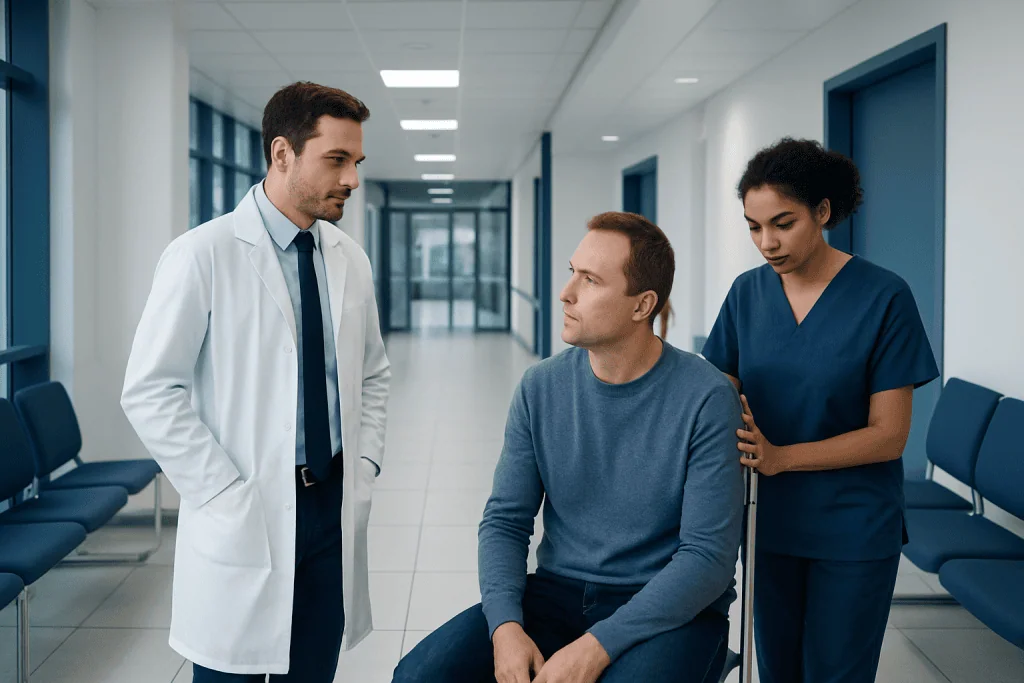
Muscle twitching, also called fasciculation, is a visible or felt muscle movement that often occurs without loss of strength. True muscle weakness means a muscle cannot perform as expected, such as lifting the foot, gripping objects, climbing stairs, or raising an arm.
Key Takeaways
- Muscle twitching, also called fasciculation, is a visible or felt muscle movement that often occurs without loss of strength.
- True muscle weakness means a muscle cannot perform as expected, such as lifting the foot, gripping objects, climbing stairs, or raising an arm.
- Twitching that is widespread, persistent, associated with muscle wasting, or accompanied by progressive weakness should be medically assessed.
- Neuromuscular specialists use examination, blood tests, nerve conduction studies, EMG, imaging, and sometimes genetic or immune testing to find the cause.
- Many causes of twitching and weakness are treatable, especially when evaluated early and accurately.
Muscle twitching and muscle weakness can feel concerning, but they do not always mean the same thing. Understanding the difference helps patients know when simple self-care is reasonable and when a neuromuscular specialist should evaluate the symptoms.
Overview: Why the Difference Matters
Muscle twitching and muscle weakness are common reasons people seek neurological advice. A twitch is an involuntary contraction of small muscle fibers, often seen under the skin as a brief flicker or ripple. Weakness, in contrast, refers to reduced muscle power: the muscle cannot do what it normally should, even when the person tries.
This distinction is important because twitching alone is frequently related to benign triggers such as stress, fatigue, caffeine, exercise, dehydration, or minor electrolyte imbalance. True weakness may suggest a problem affecting the muscles, nerves, nerve roots, neuromuscular junction, spinal cord, or brain. The goal of assessment is not to assume the worst, but to identify patterns that require timely diagnosis and care.
A neuromuscular specialist is a neurologist with focused expertise in conditions involving peripheral nerves, muscles, and the connection between nerves and muscles. This specialist can help separate benign fasciculations from disorders such as peripheral neuropathy, myopathy, myasthenia gravis, motor neuron disease, inflammatory nerve disease, or spinal nerve compression.
Symptoms: Twitching, Weakness, and Related Signs
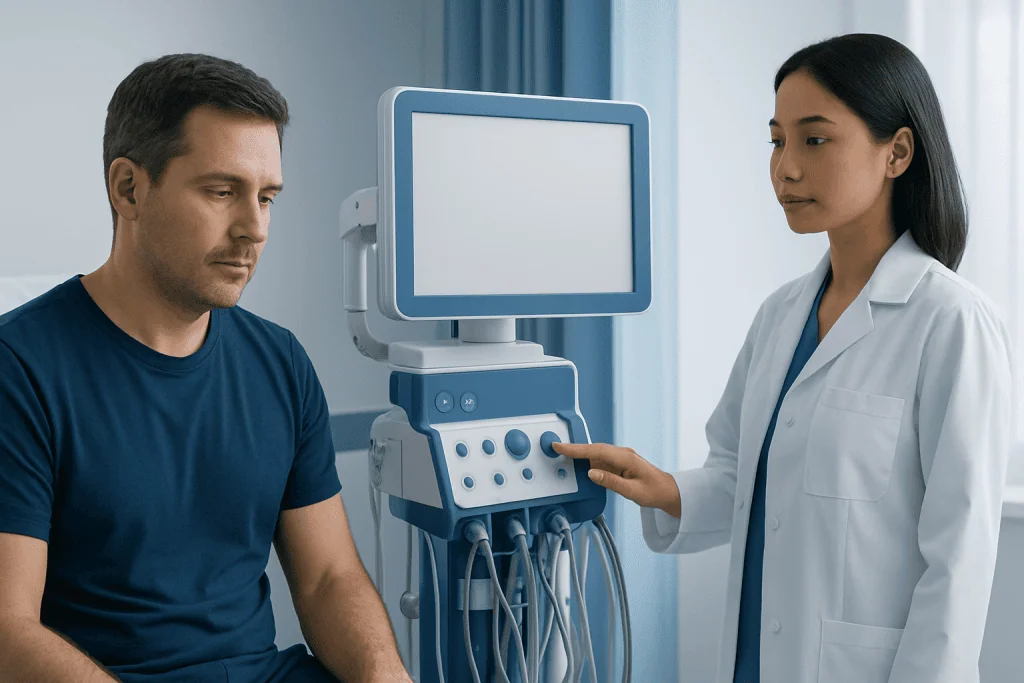
Muscle twitching, medically called fasciculation, may feel like fluttering, buzzing, pulsing, or tiny jumping movements beneath the skin. It can occur in the eyelid, calf, thigh, arm, thumb, or almost any muscle. Twitches may come and go, move from one area to another, or become more noticeable at rest, especially when a person is tired or anxious.
Muscle weakness feels different. A person may drop objects, struggle to open jars, trip over the toes, have difficulty climbing stairs, need to push with the arms to stand from a chair, or find it hard to lift the arms overhead. Weakness is usually noticeable during activity, not only when the body is at rest.
Some symptoms help doctors understand whether the problem is in the muscle, nerve, nerve root, or neuromuscular junction. Important associated symptoms include:
- Numbness, tingling, burning, or reduced sensation
- Muscle cramps, stiffness, pain, or spasms
- Visible muscle thinning or wasting
- Fatigue that worsens with repeated use of a muscle
- Changes in speech, chewing, swallowing, breathing, or facial expression
- Back or neck pain radiating into an arm or leg
Patients often describe symptoms using everyday language, and that is helpful. During evaluation, the doctor may ask whether the symptom is a feeling of fatigue, a lack of endurance, pain-limited movement, imbalance, or actual loss of power. Each points toward different possible causes.
Common Causes and Risk Factors

Isolated muscle twitching is commonly linked to lifestyle and body-state factors. Poor sleep, emotional stress, heavy exercise, dehydration, excess caffeine or stimulant use, and temporary mineral changes can all make muscles more irritable. Some medicines may also contribute to twitching or cramps, so patients should tell the doctor about prescriptions, supplements, and over-the-counter products.
Benign fasciculation syndrome is one possible explanation when twitching is frequent but neurological examination, strength, reflexes, and testing are reassuring. It may be persistent and bothersome, but it is not the same as a progressive neuromuscular disease. Anxiety can also amplify attention to normal body sensations, making twitches feel more prominent.
Weakness has a broader medical differential diagnosis. Causes may include pinched nerves in the spine, peripheral neuropathy, inflammatory neuropathies, muscle inflammation, inherited muscle conditions, thyroid disease, vitamin deficiencies, autoimmune disorders, medication-related muscle injury, and disorders of the neuromuscular junction such as myasthenia gravis. Sudden weakness may also be related to stroke or acute spinal problems and requires urgent assessment.
Risk factors that may increase the need for specialist review include diabetes, thyroid disease, autoimmune disease, cancer history, recent infections, toxin exposure, heavy alcohol use, family history of neuromuscular disease, and new neurological symptoms after starting a medication. Age, symptom speed, distribution, and progression also guide the diagnostic pathway.
How Doctors Diagnose the Cause
Diagnosis begins with a careful history and neurological examination. The doctor checks muscle strength in specific groups, reflexes, sensation, coordination, walking pattern, muscle bulk, and tone. This examination often gives the first clue about whether the problem is in the muscle, peripheral nerve, nerve root, spinal cord, or another part of the nervous system.
Blood tests may be used to look for common and treatable contributors. Depending on the symptoms, tests can include thyroid function, vitamin B12, blood sugar, inflammation markers, kidney and liver function, electrolytes, muscle enzymes such as creatine kinase, and autoimmune markers. These tests are selected individually rather than ordered as a one-size-fits-all panel.
Nerve conduction studies and electromyography, often called EMG, are important tools in neuromuscular medicine. Nerve conduction studies measure how well electrical signals travel through nerves. EMG uses a very fine needle electrode to assess electrical activity in selected muscles, helping distinguish nerve-related weakness from muscle disease and showing whether nerve irritation is active or chronic.
Imaging such as MRI of the brain, spine, or affected muscles may be recommended when symptoms suggest nerve root compression, spinal cord involvement, inflammation, or structural disease. In selected cases, genetic testing, antibody testing, lumbar puncture, muscle biopsy, or nerve biopsy may be considered. The aim is to confirm the diagnosis with the least invasive and most informative approach.
Treatment Options Depend on the Diagnosis
Treatment for muscle twitching or weakness depends on the underlying cause. When twitching is linked to sleep loss, stress, caffeine, or exercise overload, improvement often starts with rest, hydration, balanced nutrition, stretching, and reducing stimulants. If a medication may be contributing, the prescribing doctor can review alternatives; patients should not stop prescribed medicines without medical advice.
For nerve compression, treatment may include physical therapy, posture and activity changes, pain control, targeted injections, or, in selected cases, surgery. For peripheral neuropathy, care may focus on treating the underlying cause, such as diabetes or vitamin deficiency, while also managing pain, balance, and foot safety. Inflammatory neuropathies and autoimmune neuromuscular conditions may require immune-based treatments prescribed and monitored by specialists.
Muscle diseases may be treated with rehabilitation, medication adjustments, anti-inflammatory or immune therapies when appropriate, cardiac or respiratory monitoring in certain inherited conditions, and genetic counseling for families. Myasthenia gravis has specific treatments that may improve nerve-to-muscle signaling and control immune activity. The treatment plan is tailored to severity, daily function, and overall health.
Rehabilitation is often an important part of recovery or long-term management. Physiotherapists and occupational therapists can help preserve strength, improve endurance, reduce fall risk, teach energy conservation, and recommend assistive devices when useful. The best outcomes usually come from a coordinated plan that combines diagnosis, medical treatment, rehabilitation, and practical support.
Prevention and Self-Care for Benign Twitching
When twitching occurs without weakness, numbness, muscle wasting, or other neurological symptoms, simple self-care may be reasonable while monitoring the pattern. Adequate sleep is one of the most helpful steps because sleep deprivation increases nervous system excitability. Regular meals, hydration, and a balanced diet also support normal muscle and nerve function.
Patients may consider reducing caffeine, nicotine, energy drinks, and other stimulants, especially if twitching is worse after using them. Gentle stretching, gradual exercise progression, and recovery days can help when symptoms follow intense workouts. Relaxation strategies such as slow breathing, mindfulness, or light walking may reduce stress-related muscle tension and heightened awareness of twitching.
A symptom diary can be useful. Patients can note where twitching occurs, how long it lasts, whether weakness is present, sleep quality, exercise, caffeine intake, medications, and stress level. This record can help the doctor identify patterns and decide whether testing is needed.
Self-care should not replace medical assessment when symptoms are progressive or function is changing. The most reassuring situation is twitching with normal strength and a normal neurological examination. If there is uncertainty, a primary care doctor or neurologist can provide an appropriate first evaluation.
When to See a Neuromuscular Specialist
A neuromuscular specialist should be considered when twitching is accompanied by objective weakness, muscle wasting, persistent cramps, abnormal reflexes, numbness, or problems with walking and balance. Referral is also appropriate when symptoms are progressive, affect multiple body regions, or remain unexplained after an initial medical evaluation.
More urgent medical care is needed for sudden weakness on one side of the body, facial drooping, trouble speaking, severe new back or neck pain with weakness, loss of bladder or bowel control, difficulty breathing, or rapidly worsening swallowing difficulty. These symptoms may require emergency assessment because they can involve the brain, spinal cord, or breathing muscles.
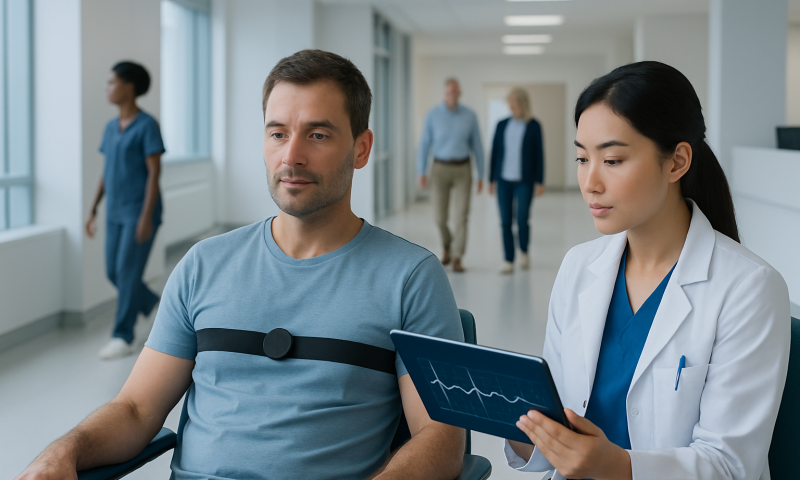
Patients should bring a medication list, past test results, family history, and a clear timeline of symptoms to the appointment. Videos of visible twitching can be helpful, especially if the movements are intermittent. The specialist may repeat the neurological examination and recommend targeted tests such as EMG, blood work, or imaging.
For international patients, Acibadem International offers evaluation and treatment of neuromuscular symptoms through multidisciplinary specialists and JCI-accredited hospitals. Regardless of where care is received, patients are encouraged to seek advice from qualified clinicians who can interpret symptoms in the context of examination and appropriate testing.
Frequently asked questions
Are muscle twitches always a sign of a serious neurological disease?
No. Muscle twitches are common and are often related to fatigue, stress, caffeine, exercise, or benign muscle irritability. They become more concerning when they occur with true weakness, muscle wasting, worsening symptoms, or other neurological signs.
How can a person tell the difference between fatigue and true weakness?
Fatigue means the body feels tired or heavy, but strength may still be normal when tested. True weakness means a muscle cannot perform a task it previously could, such as lifting the foot, gripping firmly, climbing stairs, or raising the arm. A neurological examination is the best way to confirm the difference.
When is an EMG test recommended?
An EMG may be recommended when symptoms suggest nerve, muscle, or motor neuron involvement, especially if there is weakness, muscle wasting, persistent twitching, or unclear examination findings. It helps doctors identify whether the problem is nerve-related, muscle-related, active, chronic, or localized.
Can anxiety cause muscle twitching?
Anxiety and stress can increase muscle tension and make the nervous system more excitable, which may contribute to twitching. Anxiety can also make normal body sensations more noticeable. However, new or persistent symptoms should still be discussed with a doctor if they are worrying or associated with weakness.
What symptoms should prompt urgent medical attention?
Urgent care is needed for sudden one-sided weakness, facial drooping, trouble speaking, difficulty breathing, rapidly worsening swallowing problems, or weakness with loss of bladder or bowel control. Severe new back or neck pain with weakness should also be assessed promptly.
Can muscle weakness be treated?
Many causes of muscle weakness are treatable or manageable, especially when diagnosed accurately. Treatment may include correcting vitamin or hormone problems, managing diabetes, physical therapy, immune treatment, medication changes, or care for nerve compression. The best approach depends on the exact diagnosis.
References
- American Academy of Neurology
- National Institute of Neurological Disorders and Stroke
- Mayo Clinic
- Cleveland Clinic
- Muscular Dystrophy Association
This article is for general information only and is not a substitute for professional medical advice. Please consult a qualified doctor about your individual situation.
Explore treatments in Turkey — costs, top hospitals & a free quote
JCI-accredited · board-certified surgeons · reply within 24h