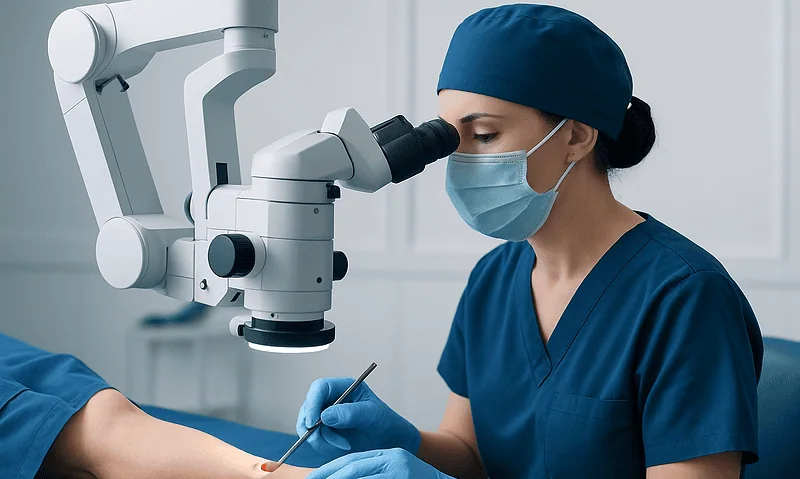
Myopathy Treatment: How It Works, Results and What to Expect

Myopathy is a broad term for diseases that affect skeletal muscle and commonly cause weakness. The most effective myopathy treatment depends on the specific type and its underlying cause.
Key Takeaways
- Myopathy is a broad term for diseases that affect skeletal muscle and commonly cause weakness.
- The most effective myopathy treatment depends on the specific type and its underlying cause.
- Some acquired myopathies improve substantially when the trigger is treated or removed.
- Inherited myopathies may not yet be curable, but rehabilitation and supportive care can improve daily function and quality of life.
- New or rapidly worsening weakness, swallowing problems or breathing difficulty needs prompt medical assessment.
Myopathy treatment is individualized because myopathy describes a group of muscle diseases with different causes. Care may involve treating inflammation, correcting an underlying metabolic or hormonal problem, changing a medication, genetic counseling, rehabilitation and practical support to preserve strength and independence.
Myopathy Treatment: How It Works
Myopathy treatment works by identifying why the muscles are not functioning normally and addressing that cause wherever possible. Myopathy is not one single diagnosis. It is a general term for disorders that damage or weaken skeletal muscles, which are the muscles used for movement, posture, breathing and swallowing. Treatment therefore begins with an accurate diagnosis rather than a one-size-fits-all procedure.
Some forms are acquired and potentially reversible. Examples include medication-related muscle injury, thyroid-related muscle disease, vitamin or electrolyte problems, infections and inflammatory muscle diseases. In these situations, treatment may improve muscle strength by removing a trigger, managing the associated condition or calming harmful immune activity.
Other forms are inherited and result from changes in genes that affect muscle structure or energy production. Although many inherited myopathies do not currently have a cure, coordinated medical care can help maintain mobility, prevent complications and support participation in everyday activities. Treatment goals may include reducing symptoms, protecting heart and lung health, avoiding falls and supporting emotional wellbeing.
Understanding the Type of Myopathy
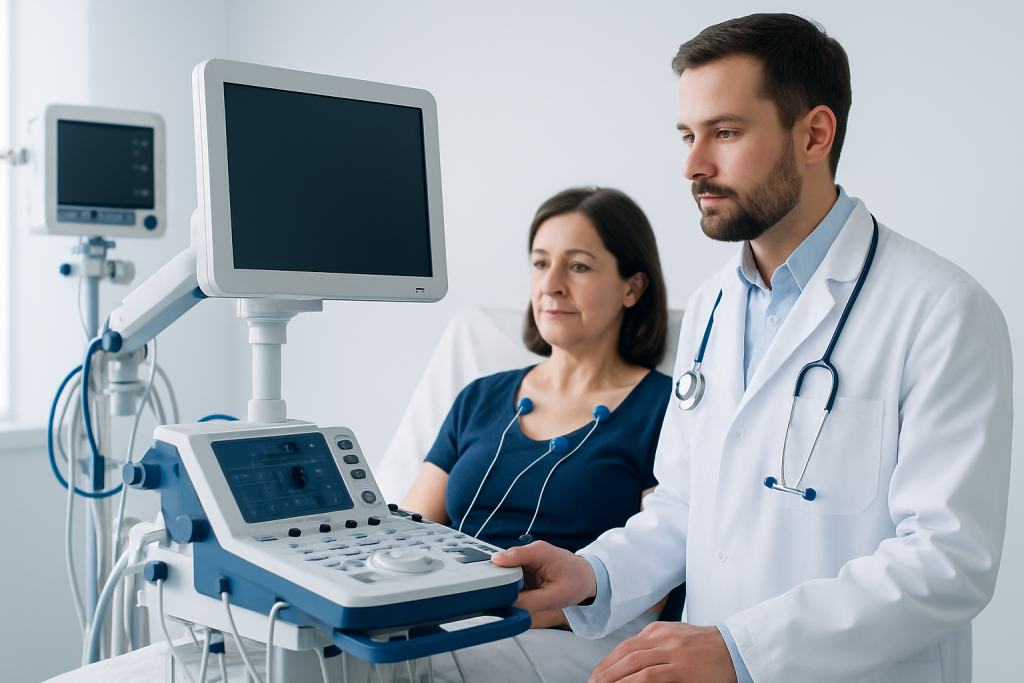
Symptoms alone cannot reliably identify the type of myopathy. Weakness may affect the hips and thighs, shoulders and upper arms, hands, face, eye muscles or breathing muscles, depending on the condition. A clinician will also consider the age at which symptoms began, their speed of progression, family history, medicines, physical activity, diet and other medical conditions.
Common categories include inflammatory myopathies, muscular dystrophies, congenital myopathies, metabolic myopathies, endocrine myopathies and toxic or medication-induced myopathies. Conditions such as muscular dystrophy are genetic muscle disorders, while inflammatory conditions may require a different approach focused on immune control.
A diagnosis may involve a neurological examination, blood tests for muscle enzymes and other causes of weakness, electromyography, imaging, genetic testing and sometimes a muscle biopsy. Heart rhythm testing, echocardiography, lung function tests or swallowing assessments may be recommended when a particular form of myopathy can affect these systems.
- Neurologists assess muscle and nerve function and coordinate diagnosis.
- Rheumatologists may help manage inflammatory or autoimmune myopathies.
- Endocrinologists treat hormonal causes such as thyroid disease.
- Physiatrists, physiotherapists and occupational therapists focus on function, safety and independence.
Who May Benefit From Myopathy Treatment?

Anyone with confirmed or suspected myopathy may benefit from a tailored care plan. The appropriate plan depends on the cause, severity of weakness, muscles involved and whether there are concerns involving the lungs, heart, swallowing or mobility. People with mild symptoms may need monitoring and a targeted exercise plan, while those with progressive weakness may require more comprehensive rehabilitation and specialist follow-up.
People are often referred for evaluation when they develop difficulty rising from a chair, climbing stairs, lifting objects overhead, walking longer distances or maintaining balance. Other possible features include muscle cramps, fatigue with exercise, muscle pain, dark urine after severe muscle injury, drooping eyelids, trouble swallowing or shortness of breath.
Before recommending treatment, the healthcare team reviews medications and supplements carefully. Certain medicines can contribute to muscle symptoms in some people, particularly when combined with other medicines or medical conditions. A person should not stop a prescribed medicine without speaking to the clinician who prescribed it, because an alternative plan may be needed.
What to Expect During Assessment and Treatment
There is usually no single procedure called myopathy treatment. Instead, care follows a step-by-step process that starts with assessment and continues with regular review. The first visit commonly includes discussion of symptoms, family history, past illnesses, current medicines and the effects of weakness on work, home life and mobility. A focused physical examination measures strength, reflexes, sensation, gait and muscle size.
After investigations clarify the likely cause, the care team discusses treatment priorities. For inflammatory myopathy, this may include medicines that reduce inflammation or modify immune activity, together with monitoring for medicine-related effects. For endocrine, nutritional or metabolic causes, treatment focuses on correcting the underlying imbalance. For medicine-related myopathy, a clinician may adjust, replace or discontinue the suspected medicine when it is safe to do so.
Rehabilitation is often an important part of care across many types of myopathy. A physiotherapist can design an individually paced program to support flexibility, endurance, balance and safe movement without overexertion. Occupational therapy may suggest energy-conservation techniques, adaptations at home or work, and equipment such as braces or mobility aids when useful.
Some people need additional support from speech and language therapists for swallowing or communication concerns, dietitians for nutrition, respiratory specialists for breathing assessment, or cardiologists when the heart may be involved. At Acibadem International, multidisciplinary specialists in JCI-accredited hospitals can assess and manage myopathy for international patients when coordinated care is needed.
Benefits, Risks and Recovery Timeline
The potential benefit of myopathy treatment is improved strength, function, comfort and safety, but the expected result varies widely. When weakness is caused by a correctable problem, improvement may occur after the cause is treated. Recovery can take days to weeks for some medication, electrolyte or endocrine-related conditions, while inflammatory muscle disease may require months of treatment and rehabilitation before meaningful recovery is seen.
For inherited or slowly progressive myopathies, treatment may focus less on reversing muscle changes and more on maintaining function, preventing complications and helping a person adapt as needs change. Regular reassessment is valuable because symptoms, activity tolerance and support needs can evolve over time. Rehabilitation plans should be reviewed and adjusted rather than followed rigidly.
Risks depend on the treatment used. Immune-suppressing medicines can increase infection risk and may have other effects that require blood tests and clinical monitoring. Exercise that is too intense for a person’s condition may cause prolonged fatigue or muscle injury, whereas overly avoiding activity can lead to deconditioning. A supervised, individualized approach helps balance these considerations.
Recovery also includes practical planning. Adequate sleep, balanced nutrition, hydration, paced activity and fall-prevention strategies can support wellbeing. People should ask their care team which symptoms should prompt urgent contact and whether family members may benefit from genetic counseling or testing.
Can You Recover From Myopathy?
Recovery from myopathy depends on its cause. Some acquired myopathies can improve greatly, and sometimes resolve, when the underlying issue is identified and treated. Examples may include weakness related to a medicine, thyroid disorder, nutritional deficiency, electrolyte imbalance or certain inflammatory conditions.
Inherited myopathies are generally long-term conditions because their underlying genetic cause remains present. However, this does not mean that nothing can be done. Rehabilitation, symptom management, assistive devices, respiratory or heart monitoring when appropriate, and social support can help many people remain active and independent for as long as possible.
The treating clinician can give the most realistic outlook after determining the specific diagnosis. Improvement is often gradual, and progress may be measured by practical changes such as safer walking, less fatigue during daily tasks or improved ability to climb stairs rather than by complete disappearance of symptoms.
Does Myopathy Get Worse Over Time?
Some types of myopathy are progressive, meaning weakness can increase over time, while others remain stable or improve with treatment. The pattern depends on the diagnosis. Genetic muscle disorders may progress slowly or at variable rates, whereas an acquired myopathy may stabilize or improve after the trigger is addressed.
Regular follow-up helps clinicians recognize changes early and update the care plan. This may include repeated strength and mobility assessments, medication monitoring, and screening for heart, lung or swallowing involvement when relevant to the particular condition.
It is helpful to report changes such as new falls, reduced walking distance, increasing trouble with stairs, persistent pain, unexpected weight loss, swallowing difficulty or breathlessness. Early attention to these issues can help preserve safety and function.
How Bad Can Myopathy Get? Is Myopathy Painful? When to Seek Medical Care
Myopathy can range from mild weakness that has little effect on daily life to more significant limitations involving walking, self-care, swallowing or breathing. Severity depends on the type of myopathy, which muscles are affected and whether treatment can address the cause. Many people have manageable symptoms with appropriate monitoring and supportive care, but some forms require close specialist follow-up.
Myopathy is not always painful. Weakness and reduced exercise tolerance are often more prominent than pain, especially in some inherited forms. However, aching, cramps, tenderness or exercise-related muscle pain can occur in inflammatory, metabolic, toxic or injury-related muscle conditions. Pain should be assessed because it may have causes other than the myopathy itself.
Medical assessment is recommended for persistent or unexplained muscle weakness, especially if it is worsening or affecting daily activities. Urgent care is appropriate for rapidly developing weakness, trouble breathing, new difficulty swallowing, severe muscle pain with dark or cola-colored urine, chest symptoms, or inability to stand or walk safely. These symptoms can have several causes and should not be managed by self-treatment alone.
Until reviewed by a clinician, a person should avoid unaccustomed strenuous exercise if it clearly worsens symptoms. Keeping a brief record of symptom timing, affected muscles, recent illnesses, exercise, medicines and supplements can help make the medical evaluation more informative.
Frequently asked questions
What is the best treatment for myopathy?
The best myopathy treatment is the one that addresses the specific cause. It may include changing a contributing medicine, treating an endocrine or nutritional problem, immune-directed treatment for inflammatory disease, rehabilitation, or long-term supportive care for inherited conditions. A neurological evaluation is important before deciding on treatment.
Can you recover from myopathy?
Some acquired forms of myopathy can improve significantly when their underlying cause is treated. Inherited forms are usually lifelong, but symptoms and function can often be supported with individualized rehabilitation, monitoring and practical adaptations. The outlook differs substantially between types of myopathy.
Does myopathy get worse over time?
It can, but not always. Certain inherited myopathies are progressive, while some inflammatory, medication-related, hormonal or nutritional myopathies may stabilize or improve with timely treatment. Regular follow-up helps identify changes and adjust care.
How bad can myopathy get?
Severity varies from mild weakness to substantial difficulty with mobility, daily activities, swallowing or breathing. The specific diagnosis, rate of progression and muscles involved influence severity. Early specialist assessment can help identify risks and provide appropriate support.
Is myopathy painful?
Myopathy may be painful, but pain is not present in every type. Some people mainly experience weakness, fatigue or reduced stamina, while others have muscle aches, cramps or tenderness. New, severe or persistent pain should be discussed with a healthcare professional.
What tests are used to diagnose myopathy?
Testing may include blood tests, a physical and neurological examination, electromyography, imaging and genetic testing. In selected cases, clinicians may recommend a muscle biopsy. Heart, breathing or swallowing tests may also be needed depending on the suspected type of myopathy.
References
- National Institute of Neurological Disorders and Stroke
- Muscular Dystrophy Association
- Mayo Clinic
- Merck Manual Consumer Version
- National Organization for Rare Disorders
This article is for general information only and is not a substitute for professional medical advice. Please consult a qualified doctor about your individual situation.
Joint and spine care in Turkey — expert assessment & treatment
JCI-accredited · board-certified surgeons · reply within 24h
Add us as a Preferred Source to see more of our trusted health content across Google Search, AI Overviews and Discover.