Neuromodulation for Chronic Migraine: Benefits, Risks, and Who May Be Eligible

Neuromodulation can be noninvasive or implanted, depending on the device and the patient’s needs. It is generally considered for people with frequent or chronic migraine, especially when standard treatments are not effective or cause side effects.
Key Takeaways
- Neuromodulation can be noninvasive or implanted, depending on the device and the patient’s needs.
- It is generally considered for people with frequent or chronic migraine, especially when standard treatments are not effective or cause side effects.
- Benefits may include fewer migraine days, lower pain intensity, and reduced reliance on acute medicines.
- Possible risks vary by device and may include skin irritation, discomfort, tingling, dizziness, or procedure-related complications for implanted systems.
- A neurologist or headache specialist helps decide eligibility based on diagnosis, migraine pattern, prior treatments, and overall health.
Neuromodulation for chronic migraine refers to devices that change pain signaling by stimulating specific nerves or brain pathways. For some people, it can reduce migraine frequency, lessen attack severity, or support treatment when medicines are not enough or are poorly tolerated.
Overview
Neuromodulation for chronic migraine uses controlled electrical or magnetic stimulation to influence the nerves and pathways involved in migraine pain. The goal is not to “cure” migraine, but to reduce how often attacks happen, how severe they feel, and how much they interfere with daily life. Depending on the method, stimulation may be applied through a wearable device placed on the skin or through an implanted system used in selected cases.
Chronic migraine is usually defined as headache on 15 or more days each month, with migraine features on at least 8 of those days, for more than 3 months. Many people with chronic migraine have already tried lifestyle changes and medicines for prevention or symptom relief. Neuromodulation may be considered when those measures have not provided enough benefit, are not well tolerated, or are not suitable for medical reasons.
Several types of neuromodulation are used in headache care. These include external trigeminal nerve stimulation, noninvasive vagus nerve stimulation, single-pulse transcranial magnetic stimulation, and in highly selected situations, implanted stimulation techniques. The best option depends on the person’s migraine pattern, other health conditions, treatment history, and preferences.
How neuromodulation may help in chronic migraine
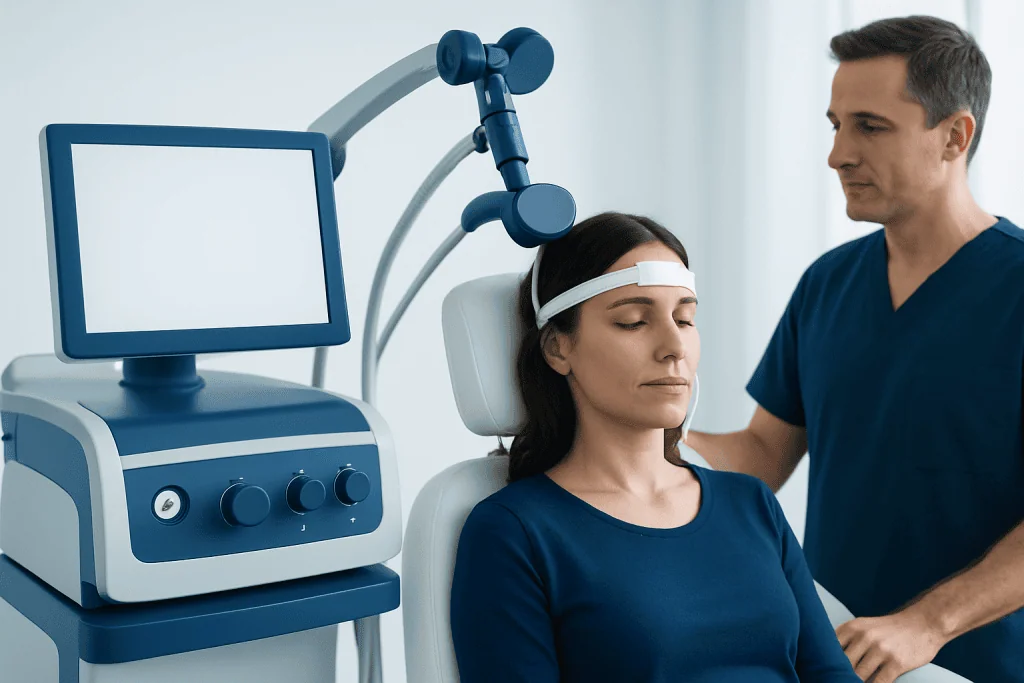
Migraine is a complex neurological condition involving abnormal processing in pain networks, sensory pathways, and the trigeminovascular system. Neuromodulation aims to calm or rebalance some of these circuits. By changing the way nerves send and process signals, stimulation may reduce sensitivity, interrupt the build-up of an attack, or lower the likelihood of future migraine days.
Different devices target different nerves or regions. For example, some wearable devices stimulate branches of the trigeminal nerve in the forehead, while others stimulate the vagus nerve in the neck. Magnetic stimulation devices act on brain activity linked to migraine. These approaches are designed to be targeted and to avoid the whole-body effects that medicines can sometimes cause.
Neuromodulation may be used for prevention, for treatment during an acute attack, or for both, depending on the device. In some patients, it may also help reduce overuse of pain-relief medication, which is important because frequent use of acute medicines can contribute to medication overuse headache. It is usually part of a broader care plan rather than a stand-alone solution.
Who may be eligible

People who may be eligible for neuromodulation for chronic migraine often have a clear diagnosis confirmed by a neurologist or headache specialist. It may be considered when migraine remains frequent despite appropriate preventive treatment, when side effects limit medication use, or when certain medicines are unsafe because of other medical conditions. It can also be an option for patients who prefer a non-drug approach as part of migraine management.
Eligibility depends on the type of device. A doctor will consider how often headaches occur, whether the headaches truly meet migraine criteria, what treatments have already been tried, and whether any other headache disorders are present. Evaluation may include a review of a headache diary, current medications, triggers, sleep habits, and signs of migraine or related conditions. Patients with implanted electrical devices, certain heart rhythm problems, epilepsy, pregnancy considerations, or skin sensitivity may need special assessment depending on the neuromodulation method being discussed.
Not everyone with chronic migraine is a candidate for every device. Some noninvasive options may be suitable earlier in care, while implanted approaches are generally reserved for carefully selected patients with severe, refractory symptoms. Shared decision-making is important so the person understands the expected benefits, daily use requirements, costs, limitations, and follow-up needs.
Types of neuromodulation used for migraine
Noninvasive neuromodulation is often the starting point. These devices are used at home and typically work through the skin without surgery. Examples include external trigeminal nerve stimulation worn on the forehead, noninvasive vagus nerve stimulation applied to the neck, and single-pulse transcranial magnetic stimulation used according to a clinician’s instructions. Some devices are designed mainly to prevent migraine, while others may also help at the beginning of an attack.
Implanted neuromodulation is less commonly used for migraine and is generally considered only in complex, highly selected cases after specialist evaluation. Implantation may involve stimulation of peripheral nerves or other targets, depending on the clinical situation and available expertise. Because these techniques involve a procedure, they require careful discussion of possible benefits and risks compared with noninvasive options.
Neuromodulation is usually integrated with other evidence-based migraine care. This may include trigger management, sleep optimization, hydration, exercise, behavioral support, and preventive or acute medicines when appropriate. In some patients, a specialist may also discuss other procedural approaches such as Botox treatment for chronic migraine or, in selected settings, deep brain stimulation for other neurological disorders where neuromodulation expertise is relevant, though deep brain stimulation is not a routine treatment for migraine.
Benefits and possible risks
The main potential benefit of neuromodulation is meaningful symptom reduction without adding another systemic medication. Some people experience fewer migraine days, lower headache intensity, shorter attacks, or better function at work and home. Others may find that the device helps them treat attacks earlier or reduces their need for rescue medicines. Response varies, and improvement may be gradual over several weeks to months for preventive use.
Noninvasive devices are generally well tolerated, but side effects can occur. These may include tingling, pressure, mild pain at the application site, skin irritation, dizziness, drowsiness, or temporary discomfort during stimulation. Most side effects are mild and improve when the session ends or settings are adjusted, but the patient should report any persistent or concerning symptoms to the treating team.
Implanted devices carry additional risks because they involve a procedure. Possible complications can include infection, bleeding, lead movement, hardware problems, pain at the implant site, or the need for revision or removal. A doctor will also review safety precautions for MRI, travel, physical activity, and interactions with other devices when relevant.
It is helpful to set realistic expectations. Neuromodulation often aims for better control rather than complete elimination of migraine. Keeping a headache diary before and after starting treatment helps measure whether it is truly improving frequency, severity, medication use, and quality of life.
Diagnosis and treatment planning
Before recommending neuromodulation, the clinician first confirms that the headaches are chronic migraine and not another condition that needs different treatment. This assessment typically includes a detailed history, neurological examination, medication review, and discussion of patterns such as aura, nausea, light sensitivity, and disability. In some situations, tests may be needed to rule out other causes of headache.
A headache diary is especially useful. It can show how many headache days occur each month, how severe they are, what medicines are being used, and whether medication overuse may be contributing. The doctor may also look for common coexisting problems such as anxiety, depression, sleep disorders, neck pain, and hormonal influences, because these can affect migraine control and treatment response.
Treatment planning is individualized. Some patients may do well with a noninvasive device alone, while others need a combination approach that includes preventive medicines, neurology rehabilitation support for symptom coping or function, and follow-up with a headache clinic. If symptoms are complex or overlap with other neurological issues, consultation in brain and nerve surgery or multidisciplinary neurology services may be appropriate for advanced evaluation.
Self-care, follow-up, and when to seek medical advice
Neuromodulation works best when combined with good migraine self-care. Regular sleep, hydration, balanced meals, stress management, and consistent physical activity can all support better control. Patients are usually advised to use the device exactly as prescribed and to continue tracking headache days, triggers, and medicine use. Skipping sessions or using the device inconsistently may make it harder to judge whether it is helping.
Follow-up appointments are important to review progress and adjust the plan. The clinician may change session timing, stimulation settings, or combine neuromodulation with another preventive strategy if results are incomplete. If side effects occur, the treating team can often suggest practical changes such as repositioning the device, modifying treatment schedules, or checking whether a different option is more suitable.
Medical advice should be sought promptly if headaches suddenly change pattern, become dramatically more severe, or are accompanied by symptoms such as weakness, confusion, fainting, seizure, fever, or trouble speaking. These symptoms can point to causes other than migraine and need urgent assessment. A doctor should also be contacted if neuromodulation causes significant discomfort, skin reactions, palpitations, or any new symptom that feels unusual.
For people seeking specialist assessment, Acibadem International’s multidisciplinary teams in JCI-accredited hospitals evaluate and treat neurological conditions, including chronic migraine, for international patients. A specialist can explain whether neuromodulation is a reasonable option and how it may fit into a broader long-term migraine plan.
Frequently asked questions
What is neuromodulation for chronic migraine?
Neuromodulation for chronic migraine uses a device to stimulate specific nerves or brain pathways involved in migraine. The aim is to reduce migraine frequency, lessen pain, or help stop an attack early, depending on the device.
Is neuromodulation a replacement for migraine medication?
Not always. For some people, it is used alongside preventive or acute medicines, while others may use it when medicines are not tolerated or are not enough on their own. The best approach depends on the individual’s migraine pattern and treatment history.
Who is a good candidate for migraine neuromodulation?
A good candidate is usually someone with a confirmed migraine diagnosis, especially chronic migraine, who still has significant symptoms despite standard treatment or cannot tolerate certain medicines. Eligibility also depends on the type of device, other medical conditions, and whether the person can use the treatment consistently.
Are neuromodulation devices painful?
Most noninvasive devices cause mild sensations such as tingling, pressure, or brief discomfort rather than significant pain. Implanted systems may involve procedure-related discomfort and a recovery period, so they require more careful consideration.
How long does it take to see results?
Some devices may help during an acute migraine attack, while preventive benefits often take several weeks or longer to become clear. Keeping a headache diary is one of the best ways to see whether headache days, severity, and medication use are improving over time.
Are there any risks or side effects?
Yes, but they vary by device. Noninvasive methods may cause skin irritation, dizziness, or temporary discomfort, while implanted methods can carry procedural risks such as infection or hardware problems. A doctor can explain the specific safety issues for the recommended option.
References
- World Health Organization
- International Headache Society
- American Headache Society
- National Institute of Neurological Disorders and Stroke
- National Institute for Health and Care Excellence
This article is for general information only and is not a substitute for professional medical advice. Please consult a qualified doctor about your individual situation.
Neuromodulation in Turkey — costs, top hospitals & a free quote
JCI-accredited · board-certified surgeons · reply within 24h
Add us as a Preferred Source to see more of our trusted health content across Google Search, AI Overviews and Discover.