Neuromodulation: How Electrical Stimulation Treats Neurological Symptoms

Neuromodulation works by adjusting abnormal nerve signaling rather than removing or destroying tissue. Common forms include deep brain stimulation, spinal cord stimulation, vagus nerve stimulation, sacral nerve stimulation, and noninvasive brain stimulation.
Key Takeaways
- Neuromodulation works by adjusting abnormal nerve signaling rather than removing or destroying tissue.
- Common forms include deep brain stimulation, spinal cord stimulation, vagus nerve stimulation, sacral nerve stimulation, and noninvasive brain stimulation.
- It is used for selected patients with conditions such as Parkinson’s disease, essential tremor, epilepsy, chronic neuropathic pain, dystonia, and some bladder or bowel disorders.
- Treatment decisions require careful diagnosis, imaging, specialist evaluation, and realistic discussion of benefits and risks.
- Many implanted devices can be programmed and adjusted over time, allowing therapy to be personalized to the patient’s symptoms.
Neuromodulation is a group of therapies that use carefully controlled electrical or magnetic stimulation to change nerve activity and reduce symptoms. It may be considered when neurological symptoms such as tremor, chronic pain, spasticity, or seizures are not well controlled with standard treatments.
Overview
Neuromodulation refers to medical treatments that use controlled electrical or magnetic stimulation to influence how nerves communicate. The nervous system works through electrical and chemical signals. In some neurological conditions, these signals become overactive, underactive, or poorly coordinated. Neuromodulation aims to rebalance these signals and improve symptoms without permanently damaging nerve tissue.
Some neuromodulation therapies involve an implanted device, such as a small pulse generator connected to thin electrodes. Others are noninvasive and deliver stimulation from outside the body. Depending on the condition, stimulation may target the brain, spinal cord, peripheral nerves, or specific nerve pathways that affect organs such as the bladder.
Neuromodulation is not a single treatment for one disease. It is a broad approach used in carefully selected patients with movement disorders, chronic pain, epilepsy, spasticity, certain psychiatric conditions, and some bladder or bowel disorders. For many people, it is considered when medication, rehabilitation, lifestyle measures, or other treatments do not provide enough symptom control or cause difficult side effects.
How Electrical Stimulation Affects the Nervous System
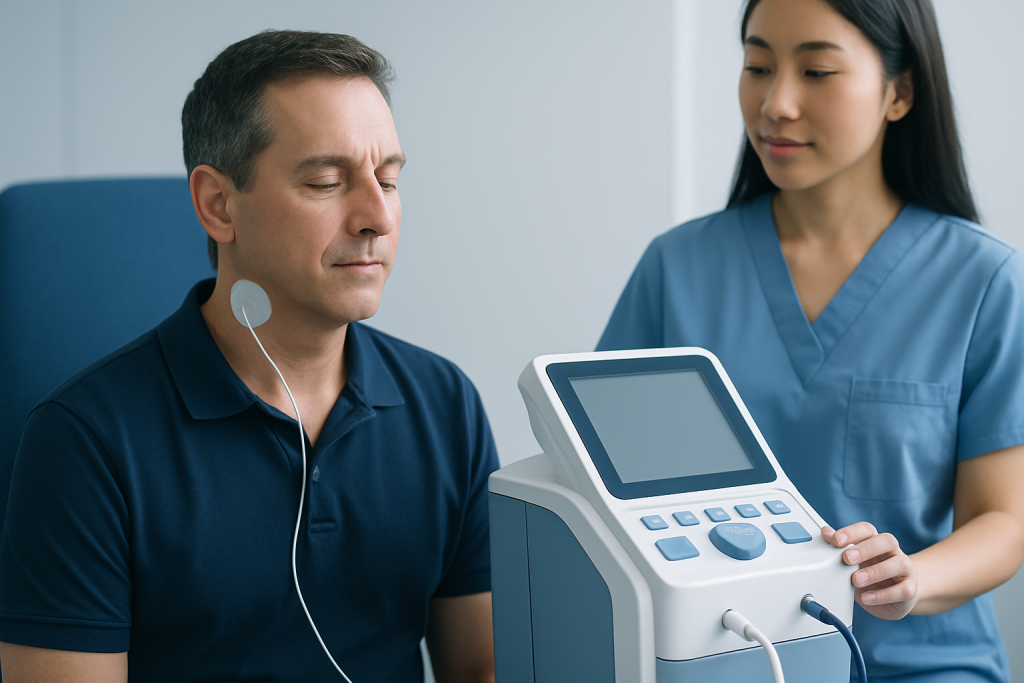
Electrical stimulation therapy works by sending small, precisely controlled pulses to a target area of the nervous system. These pulses can interrupt abnormal signaling, strengthen helpful pathways, or change how the brain interprets signals from the body. The exact effect depends on where the stimulation is delivered, the pattern of pulses, and the condition being treated.
For example, in Parkinson’s disease or essential tremor, abnormal activity in deep brain circuits can contribute to shaking, stiffness, or slow movement. Deep brain stimulation delivers pulses to specific brain regions to help smooth out these circuit patterns. In chronic neuropathic pain, spinal cord stimulation may reduce the transmission or perception of pain signals before they reach the brain.
Many implanted neuromodulation systems are adjustable. A specialist can change settings such as stimulation strength, frequency, pulse width, and active contact points using an external programmer. This adjustability is one reason neuromodulation can be tailored over time as symptoms change, recovery progresses, or medication plans are modified.
Types of Neuromodulation
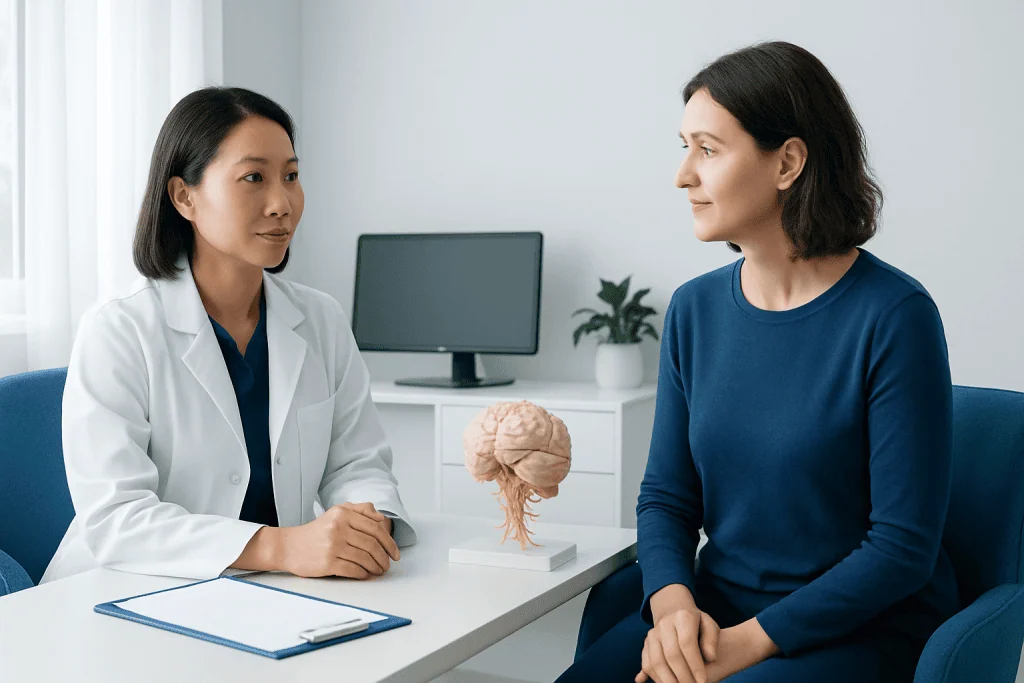
Different types of neuromodulation are used for different medical needs. The choice depends on the diagnosis, the patient’s symptoms, prior treatments, overall health, and the expected balance of benefit and risk. A neurologist, neurosurgeon, pain specialist, rehabilitation physician, psychiatrist, or urologist may be involved depending on the therapy.
- Deep brain stimulation: Electrodes are placed in specific brain targets and connected to a pulse generator, commonly used for selected movement disorders and some forms of epilepsy or dystonia.
- Spinal cord stimulation: Electrodes are placed near the spinal cord to help manage certain chronic pain conditions, especially neuropathic pain.
- Vagus nerve stimulation: A device stimulates the vagus nerve in the neck and may be used for some patients with epilepsy or treatment-resistant depression.
- Sacral nerve stimulation: Stimulation near the sacral nerves may help selected bladder or bowel control problems.
- Peripheral nerve stimulation: Electrodes target a specific nerve outside the brain and spinal cord, often for localized nerve pain.
- Noninvasive stimulation: Techniques such as transcranial magnetic stimulation or transcranial electrical stimulation deliver stimulation from outside the skull and may be used in selected neurological or psychiatric settings.
Some therapies require surgery, while others are performed in an outpatient setting without an incision. Implanted systems may include a trial phase for certain pain or bladder indications, allowing the care team and patient to assess whether stimulation provides meaningful improvement before a permanent device is placed.
Conditions Neuromodulation May Help Treat
Neuromodulation may be considered for several neurological and functional conditions, but it is not appropriate for everyone. In movement disorders, deep brain stimulation can be an option for selected people with Parkinson’s disease, essential tremor, dystonia, or tremor that does not respond well enough to medication. The goal is usually to reduce symptoms such as tremor, stiffness, abnormal postures, or medication-related movement fluctuations.
In epilepsy, stimulation therapies may help reduce seizure frequency in some patients whose seizures continue despite appropriate anti-seizure medications and who are not candidates for curative epilepsy surgery. Vagus nerve stimulation, responsive neurostimulation, and deep brain stimulation are examples used in specific circumstances. These treatments usually aim to reduce the burden of seizures rather than guarantee complete seizure freedom.
Neuromodulation is also used in selected chronic pain conditions, particularly neuropathic pain after nerve injury, spine surgery, complex regional pain syndrome, or certain limb pain syndromes. Sacral nerve stimulation may help some patients with urinary urgency, urinary retention, or fecal incontinence when conservative approaches have not been sufficient. In all cases, careful evaluation helps confirm that symptoms match an indication where neuromodulation is likely to help.
Evaluation and Patient Selection
Before neuromodulation is recommended, the care team confirms the diagnosis and reviews previous treatments. This may include a detailed medical history, neurological examination, medication review, symptom diaries, imaging studies, nerve tests, psychological assessment, or specialist consultations. The aim is to identify the symptom pattern, rule out other treatable causes, and decide whether stimulation is a reasonable next step.
For deep brain stimulation, brain imaging helps plan the safest and most accurate target. In movement disorders, specialists often assess how symptoms respond to medication because this can help predict which symptoms may improve with stimulation. For spinal cord or peripheral nerve stimulation, the pain type, location, previous surgeries, and functional goals are carefully reviewed.
Patient selection also includes practical considerations. A person with an implanted device must be able to attend programming visits, report symptom changes, follow precautions, and understand that results may develop gradually. The decision is shared between the patient and clinicians, with discussion of expected benefits, possible risks, alternative treatments, and the need for ongoing follow-up.
What to Expect During Treatment
The treatment pathway depends on the type of neuromodulation. For some pain and sacral nerve therapies, a temporary trial may be performed first. During a trial, thin leads are placed near the target nerves and connected to an external stimulator. If symptoms improve meaningfully during the trial period, a permanent implanted system may be discussed.
For deep brain stimulation, surgery is planned using advanced imaging and neurophysiological guidance. Electrodes are implanted in targeted brain areas and connected to a pulse generator, usually placed under the skin of the chest or abdomen. After healing, the device is programmed during outpatient visits. Several adjustments may be needed to find the best balance between symptom relief and side effects.
After implantation, patients receive instructions about wound care, activity restrictions during healing, device use, and follow-up. Rechargeable or nonrechargeable batteries may be used depending on the system. Some devices are compatible with certain types of MRI under specific conditions, but patients should always inform healthcare providers, dentists, and imaging centers that they have an implanted neurostimulation device.
Benefits, Risks, and Limitations
The main potential benefit of neuromodulation is improved symptom control when other treatments are not enough. Because stimulation settings can often be adjusted, therapy may be personalized over time. Some patients may experience better daily function, less pain, fewer severe symptoms, or reduced reliance on certain medications, although medication changes should only be made under medical supervision.
Like any medical procedure, implanted neuromodulation has risks. These may include infection, bleeding, lead movement, hardware discomfort, device malfunction, stimulation-related side effects, or the need for revision surgery. Noninvasive stimulation generally avoids surgical risks but may still cause temporary discomfort, headache, tingling, or other mild effects depending on the technique.
Neuromodulation does not cure most underlying neurological diseases. It is usually a symptom management strategy and may work better for some symptoms than others. For example, deep brain stimulation may improve tremor or medication fluctuations in selected Parkinson’s patients but may not improve balance, speech, memory, or symptoms caused by other conditions. Clear goals before treatment help patients judge whether results are meaningful in daily life.
Living With a Neuromodulation Device and When to Seek Care
Living with a neuromodulation device usually involves periodic follow-up visits for programming, battery checks, and symptom review. Patients may be given a handheld controller to turn stimulation on or off, check battery status, or select approved settings. Keeping a symptom diary can help the care team make precise adjustments and understand which settings are most helpful.
Patients should contact their doctor if they notice redness, swelling, drainage, fever, worsening pain near the implant site, sudden loss of benefit, unusual sensations, new weakness, severe headache, seizures that change in pattern, or any sudden neurological symptom. They should also ask for guidance before MRI, surgery, diathermy, radiation therapy, or procedures involving strong electromagnetic fields.
Acibadem International’s multidisciplinary specialists and JCI-accredited hospitals evaluate and treat neurological conditions for international patients, including selected cases where neuromodulation may be appropriate. A qualified specialist can explain whether electrical stimulation therapy fits the patient’s diagnosis, goals, and medical history.
Frequently asked questions
What is neuromodulation in simple terms?
Neuromodulation is a treatment approach that changes nerve activity using controlled electrical or magnetic stimulation. It can target the brain, spinal cord, or specific nerves to reduce symptoms such as tremor, pain, seizures, or bladder control problems.
Is neuromodulation the same as brain surgery?
Not always. Some forms, such as deep brain stimulation, do involve surgery to implant electrodes in the brain. Other types target the spinal cord or peripheral nerves, and some noninvasive techniques deliver stimulation from outside the body without an implant.
Does neuromodulation cure neurological disease?
Neuromodulation usually manages symptoms rather than curing the underlying condition. For example, it may reduce tremor, pain, or seizure burden in carefully selected patients. The expected benefit depends on the diagnosis, target, and individual response.
Who may be a candidate for neuromodulation?
A candidate is usually someone with a confirmed diagnosis whose symptoms remain troublesome despite appropriate standard treatment. The person must also be healthy enough for the procedure if an implant is needed and able to attend follow-up visits for programming and monitoring.
Can the stimulation settings be changed after implantation?
Yes, many implanted neuromodulation devices can be programmed after surgery. Specialists can adjust stimulation settings to improve symptom control and reduce side effects. Several programming visits may be needed, especially in the first months.
Are implanted neuromodulation devices safe with MRI scans?
Some modern devices are MRI-conditional, meaning MRI may be possible only under specific conditions. Patients should always tell the imaging team and their doctor that they have an implanted device before any scan. The device model and manufacturer guidance must be checked first.
What happens if neuromodulation does not help enough?
The care team may adjust settings, review the diagnosis, check the device, or combine stimulation with medication, rehabilitation, or other treatments. In some cases, a device may be turned off or removed if it is not beneficial or causes problems. Decisions are made individually with the treating specialist.
References
- National Institute of Neurological Disorders and Stroke
- International Neuromodulation Society
- American Association of Neurological Surgeons
- National Institute for Health and Care Excellence
- Movement Disorder Society
This article is for general information only and is not a substitute for professional medical advice. Please consult a qualified doctor about your individual situation.
Neuromodulation in Turkey — costs, top hospitals & a free quote
JCI-accredited · board-certified surgeons · reply within 24h

More from the Health Library


Related Specialists

Assoc. Prof. Dr. Serap Aktaş Yıldırım
Anesthesiology
Dr. Olcay İsbir
Anesthesiology
Prof. Dr. Ayten Ferahbaş Kesikoğlu
Dermatology
Assoc. Prof. Dr. Emir Çapkınoğlu
General Surgery