Neuropsychological Testing vs MRI: Why Both May Be Needed
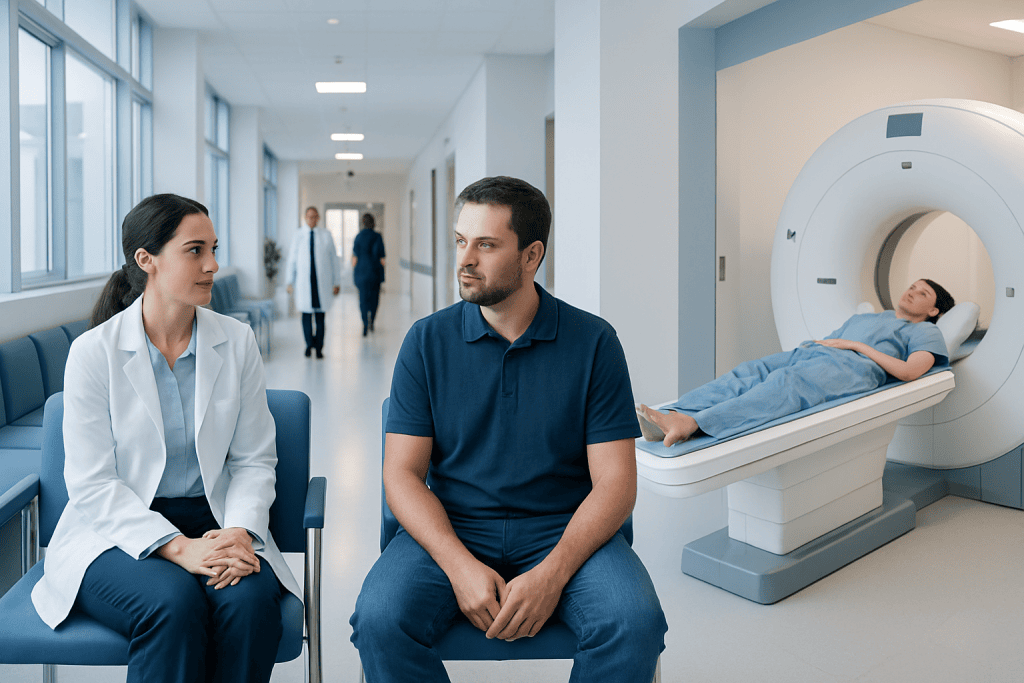
Neuropsychological testing measures brain function, while MRI shows brain structure. Both tests may be useful when symptoms are complex, subtle, or unexplained.
Key Takeaways
- Neuropsychological testing measures brain function, while MRI shows brain structure.
- Both tests may be useful when symptoms are complex, subtle, or unexplained.
- A normal MRI does not always rule out real cognitive or emotional difficulties.
- Neuropsychological testing can help guide diagnosis, treatment planning, and rehabilitation.
- Doctors choose tests based on symptoms, medical history, examination findings, and clinical goals.
Neuropsychological testing and MRI answer different but complementary questions about the brain. One evaluates how well the brain is working in daily functions such as memory, language, and attention, while the other shows detailed images of brain structure.
Overview: How Neuropsychological Testing and MRI Differ
When people experience memory problems, attention changes, language difficulty, mood changes, or thinking that feels slower than usual, they often wonder which test they need. In many cases, the answer is not one or the other. Neuropsychological testing and MRI are different tools that provide different kinds of information, and they are often most useful when considered together.
Neuropsychological testing is a detailed evaluation of cognitive and emotional functioning. It looks at how a person performs on tasks involving memory, concentration, problem-solving, language, visual-spatial skills, processing speed, and sometimes mood or behavior. It does not take pictures of the brain. Instead, it helps specialists understand how the brain is functioning in real-life terms.
MRI, or magnetic resonance imaging, creates detailed images of brain anatomy. It can show structural changes such as stroke, tumors, bleeding, inflammation, shrinking of brain tissue, or signs of injury. A brain MRI can be very helpful when doctors need to look for a physical cause of symptoms.
Because function and structure are not the same thing, one test may be normal while the other shows important findings. That is why neuropsychological testing vs MRI is best understood as a comparison between complementary methods, not competing ones.
What Neuropsychological Testing Can Show
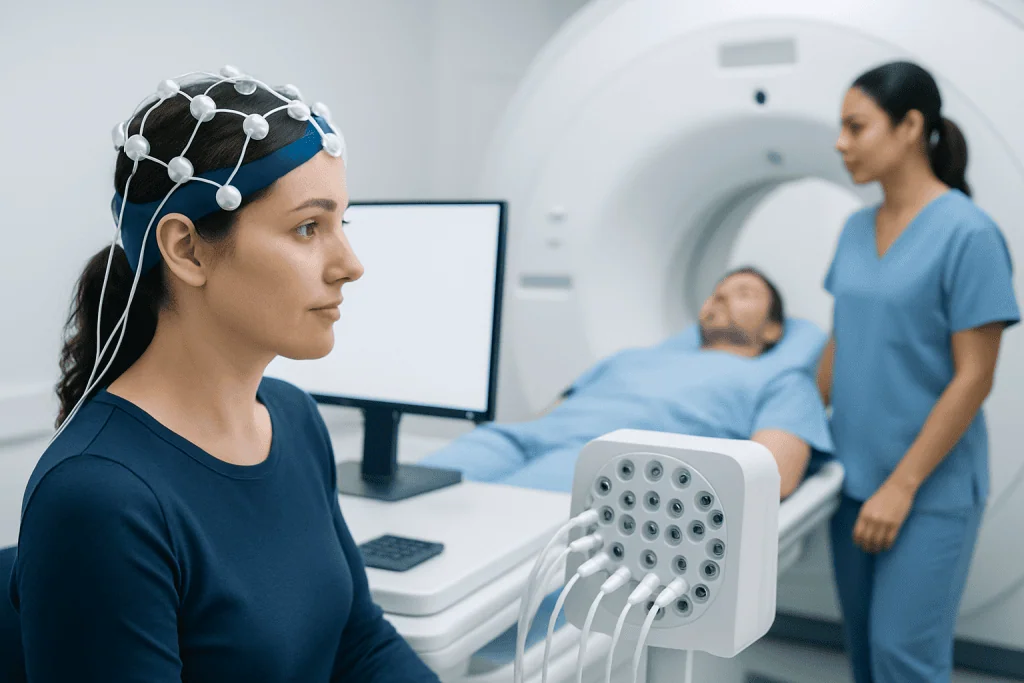
Neuropsychological testing is designed to identify patterns in thinking and behavior. During the assessment, a person may be asked to remember words or stories, solve puzzles, name objects, copy figures, switch attention between tasks, or answer questions about mood and daily functioning. The goal is not to pass or fail, but to understand strengths and weaknesses across different brain-related skills.
This type of testing can be especially useful when symptoms are subtle or when routine exams do not fully explain what a person is experiencing. For example, someone may report memory concerns, but testing can help determine whether the main issue is truly memory, or whether attention, sleep, anxiety, depression, language processing, or stress is affecting performance.
Neuropsychological testing can also help distinguish between conditions that may look similar in everyday life. It may contribute to the evaluation of mild cognitive impairment, dementia, attention problems, effects of traumatic brain injury, learning differences, epilepsy-related cognitive changes, or neurologic illnesses such as Alzheimer’s disease.
In addition, the results often help with practical planning. They can guide rehabilitation, school or workplace accommodations, driving discussions, return-to-work decisions, and treatment strategies that support daily function. This makes the assessment valuable even when imaging findings are limited or unclear.
What MRI Can Show
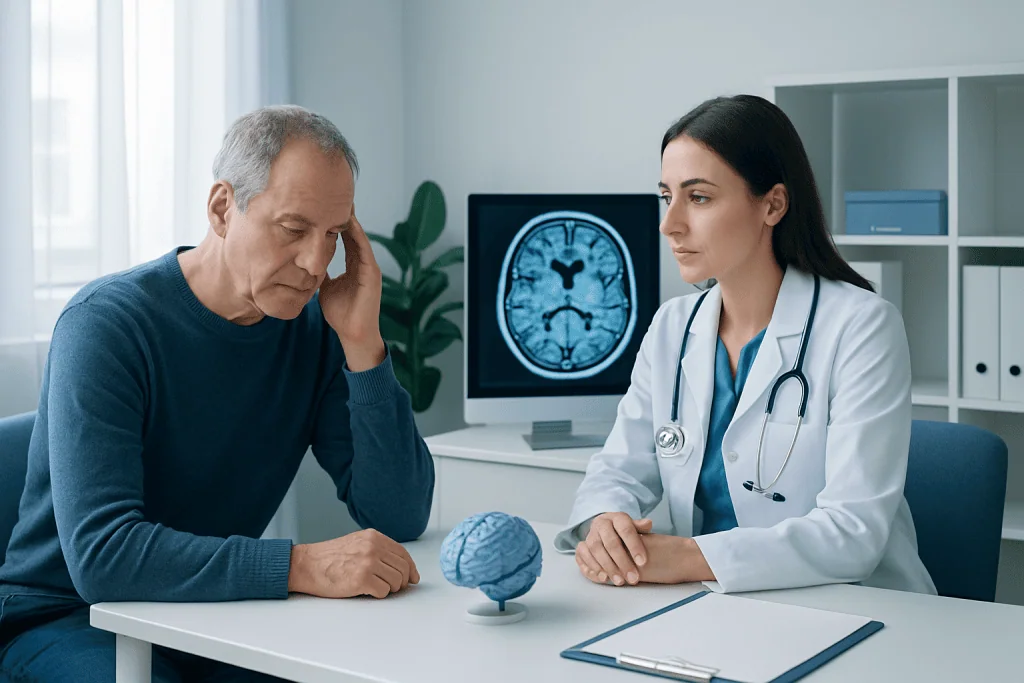
MRI gives doctors a detailed view of the brain’s physical structure. It is particularly useful for detecting problems that may need urgent or specific medical treatment, such as a stroke, tumor, brain swelling, bleeding, multiple sclerosis-related changes, infection, hydrocephalus, or damage after an injury. In some cases, specialized sequences can also provide clues about chronic small vessel disease or patterns of tissue loss associated with neurodegenerative conditions.
If a person has sudden neurologic symptoms, severe headaches with warning signs, seizures, one-sided weakness, balance changes, or significant changes on neurologic examination, imaging may be a priority. A doctor may recommend MRI of the brain to look for structural explanations that cannot be identified through conversation or paper-and-pencil tasks alone.
However, MRI does have limits. It can show whether something looks abnormal in the brain’s anatomy, but it cannot directly measure how well a person remembers, plans, pays attention, or uses language in daily life. Some people have symptoms that are very real even though the MRI is unremarkable, especially in early disease, concussion recovery, functional difficulties, sleep-related cognitive problems, or mood-related cognitive changes.
For that reason, MRI is often part of a broader evaluation rather than a complete answer on its own. Imaging findings need to be interpreted together with symptoms, neurologic examination, laboratory results, and sometimes neuropsychological data.
Why Both May Be Needed
The main reason both tests may be recommended is that they answer different clinical questions. MRI asks, “Is there a visible structural problem in the brain?” Neuropsychological testing asks, “How is the person’s brain functioning across important cognitive and emotional domains?” A complete diagnosis often depends on both perspectives.
For example, a patient with memory decline may have an MRI that shows age-related changes but no clear explanation for how much daily function has changed. Neuropsychological testing may reveal a pattern more consistent with early neurodegenerative disease, attention problems, depression, or another cause. On the other hand, cognitive testing may suggest a focal difficulty, and MRI may then help identify a structural reason such as prior stroke or a mass affecting a certain brain region.
Both tests can also be useful for establishing a baseline. In conditions that may change over time, specialists may compare future results with earlier imaging or cognitive performance to see whether symptoms are stable, improving, or progressing. This can support treatment planning and follow-up.
In multidisciplinary care, these tools often work together with other evaluations. A person may also need a neurologic examination, blood tests, sleep assessment, psychiatric evaluation, or EEG testing if seizures are a concern. The final diagnosis usually comes from the whole clinical picture rather than from any single test.
Common Situations Where Doctors Use One or Both
Doctors may consider neuropsychological testing, MRI, or both in a range of situations. The choice depends on symptoms, age, medical history, examination findings, and what question the care team is trying to answer.
Examples include:
- Persistent memory complaints or confusion
- Suspected dementia or mild cognitive impairment
- Attention and concentration problems affecting school or work
- Recovery after concussion or traumatic brain injury
- Epilepsy, especially before or after treatment planning
- Stroke, brain infection, or inflammatory neurologic disease
- Mood or anxiety symptoms that may be affecting thinking
- Concerns about planning, judgment, language, or personality change
In some of these cases, imaging comes first to rule out structural causes. In others, neuropsychological testing is especially helpful because it can detect cognitive patterns that are not visible on a scan. For children, older adults, and people with complex neurologic conditions, combining both methods can provide a much clearer understanding.
Sometimes doctors also use these tools before procedures or surgeries. When cognitive function could be affected by treatment, a pre-treatment baseline can be very useful for comparison later. This approach is common in epilepsy care, tumor care, and other neurological treatment pathways.
What to Expect During Evaluation and Results
An MRI is usually completed in a radiology setting. The person lies still while the scanner takes images. The test is painless, though some people find the enclosed space uncomfortable or the machine noisy. In certain situations, contrast dye may be used if the doctor needs additional detail.
Neuropsychological testing is longer and more interactive. It is usually performed by a neuropsychologist or a trained specialist under neuropsychologist supervision. The appointment may last several hours, sometimes split across sessions, depending on the person’s age, symptoms, stamina, and the complexity of the referral question.
Results from neuropsychological testing are not based only on raw scores. Specialists interpret performance in the context of age, education, language, cultural background, medical conditions, mood, sleep, and effort during testing. The final report often explains which abilities are preserved, which are weaker than expected, and what those findings may mean clinically.
After results are reviewed, the care team may recommend treatment, rehabilitation, counseling, medication review, sleep management, or further specialist evaluation. If appropriate, Acibadem International’s multidisciplinary specialists in JCI-accredited hospitals evaluate international patients with cognitive and neurologic symptoms using coordinated neuropsychology, neurology, and imaging services.
When to Seek Medical Advice
It is sensible to seek medical advice when changes in memory, thinking, language, mood, or behavior are new, worsening, or affecting daily life. A doctor should also assess symptoms such as confusion, getting lost in familiar places, repeated questions, difficulty managing medications or finances, or trouble returning to normal function after a head injury.
Urgent evaluation is especially important if symptoms begin suddenly or are accompanied by weakness, numbness, severe headache, seizure, loss of consciousness, vision change, or speech difficulty. In these situations, doctors may need to quickly rule out a stroke or another structural brain problem.
Families often notice changes before the person experiencing them does. Sharing specific examples can help clinicians decide whether neuropsychological testing, MRI, or another assessment is the best next step. Bringing a medication list and details about sleep, mood, and medical history can also improve the evaluation.
Even when symptoms turn out to be related to stress, sleep problems, depression, or another treatable issue, assessment can still be worthwhile. Reassurance is most meaningful when it is based on a careful and informed clinical review.
Frequently asked questions
Is neuropsychological testing better than MRI?
Neither test is better in every situation because they provide different information. Neuropsychological testing measures how the brain is functioning, while MRI shows brain structure. Doctors often choose one or both depending on the symptoms and the question they need to answer.
Can an MRI be normal if someone has real memory problems?
Yes. A person can have genuine cognitive symptoms even when MRI does not show a clear structural abnormality. Neuropsychological testing may detect subtle problems in memory, attention, language, or processing that imaging alone cannot measure.
Why would a doctor order neuropsychological testing after an MRI?
MRI may show whether there is a visible brain abnormality, but it does not explain all aspects of day-to-day thinking and behavior. Neuropsychological testing can clarify how symptoms affect memory, focus, planning, and other cognitive skills. It also helps with diagnosis, treatment planning, and follow-up.
Does neuropsychological testing diagnose dementia?
It can strongly support the diagnostic process, but it is usually not used alone. Doctors combine the test results with medical history, examination, imaging, lab work, and functional information. The testing is especially helpful for identifying patterns consistent with different types of cognitive impairment.
How long does neuropsychological testing take?
The length varies, but it often takes several hours and may be completed in one or more sessions. The exact duration depends on the person’s symptoms, age, and the complexity of the evaluation. Breaks are usually provided as needed.
When is MRI more urgent than neuropsychological testing?
MRI is often more urgent when symptoms suggest a possible structural brain problem, such as sudden weakness, new seizures, severe headache with warning signs, or abrupt confusion. In these cases, doctors may need imaging quickly to look for stroke, bleeding, tumor, or inflammation. Neuropsychological testing is generally more helpful once the person is medically stable.
References
- National Institute of Neurological Disorders and Stroke
- National Institute on Aging
- American Academy of Neurology
- Radiological Society of North America
- American Psychological Association
This article is for general information only and is not a substitute for professional medical advice. Please consult a qualified doctor about your individual situation.
Explore treatments in Turkey — costs, top hospitals & a free quote
JCI-accredited · board-certified surgeons · reply within 24h
Add us as a Preferred Source to see more of our trusted health content across Google Search, AI Overviews and Discover.