Neuropsychology Assessment: Who Needs One and What Can It Show?

A neuropsychology assessment measures how the brain is working through standardized tests and interviews. It may be useful for memory concerns, attention problems, learning difficulties, brain injury, stroke, epilepsy, and neurodegenerative conditions.
Key Takeaways
- A neuropsychology assessment measures how the brain is working through standardized tests and interviews.
- It may be useful for memory concerns, attention problems, learning difficulties, brain injury, stroke, epilepsy, and neurodegenerative conditions.
- The assessment does not usually involve needles or painful procedures; most of it consists of speaking, answering questions, and completing paper, computer, or hands-on tasks.
- Results can help distinguish between different causes of cognitive or emotional symptoms and support a practical care plan.
- A neuropsychologist considers medical history, education, language, mood, and daily functioning when interpreting results.
A neuropsychology assessment is a detailed evaluation of thinking, memory, attention, language, and other cognitive skills. It can help explain symptoms, support diagnosis, and guide treatment, rehabilitation, school, or workplace planning.
Overview: What Is a Neuropsychology Assessment?
A neuropsychology assessment is a structured evaluation of how a person’s brain is functioning in daily life. It looks at mental abilities such as attention, memory, language, problem-solving, planning, processing speed, visual-spatial skills, and sometimes mood and behavior. The goal is not simply to produce a score, but to understand a person’s strengths and challenges in a meaningful clinical context.
This type of assessment is carried out by a clinical neuropsychologist, usually with the help of standardized tests and a detailed interview. The neuropsychologist reviews symptoms, medical history, education, emotional health, and functional abilities at home, school, or work. Test results are then compared with expected performance for a person of a similar age and background.
A neuropsychology assessment can be useful when symptoms are hard to explain or when several possible causes need to be considered. For example, memory difficulty may be related to stress, depression, sleep problems, medication effects, a neurological illness, or a combination of factors. A careful evaluation helps clarify what may be happening and what type of support may help most.
Who May Need One?
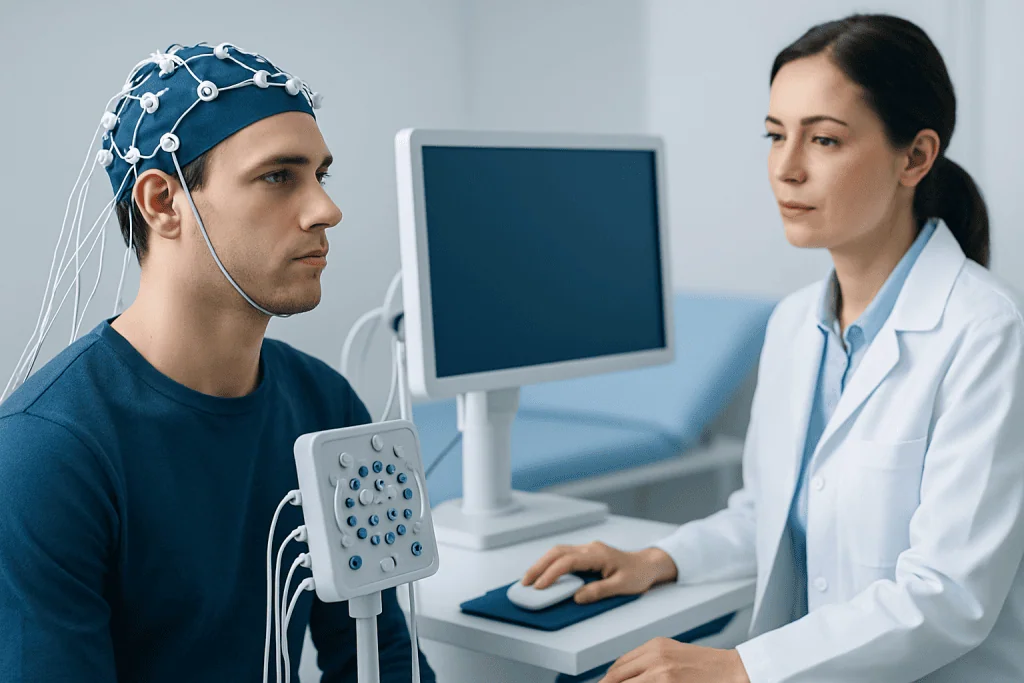
People are often referred for a neuropsychology assessment when they, their family, or their doctor notice changes in thinking, behavior, or everyday function. The evaluation may be recommended for children, adults, or older adults, depending on the concern. It is especially helpful when symptoms affect learning, work performance, independence, or safety.
Common reasons for referral include forgetfulness, poor concentration, slower thinking, difficulty finding words, learning problems, changes after a head injury, or questions about decision-making ability. It may also be part of the evaluation for conditions such as Alzheimer’s disease, stroke, epilepsy, multiple sclerosis, Parkinson’s disease, ADHD, autism spectrum disorder, or mood disorders when cognitive symptoms are prominent.
Some people are assessed before or after medical treatment to establish a baseline and monitor change over time. For example, testing may help after a stroke rehabilitation program or during recovery from neurological illness. It may also support practical planning for school accommodations, return to work, driving, or independent living.
- Unexplained memory or concentration problems
- Changes after concussion or traumatic brain injury
- Learning or developmental concerns in children
- Cognitive symptoms linked to neurological or psychiatric conditions
- Monitoring change over time or treatment effects
What Can It Show?

A neuropsychology assessment can show which cognitive skills are working well and which are affected. Rather than giving a simple yes-or-no answer, it creates a profile of performance across different areas. This profile may reveal patterns that suggest certain types of brain dysfunction, emotional influences, or developmental differences.
For example, one person may show strong language skills but weaker visual memory and planning. Another may have reduced attention and processing speed with otherwise preserved learning ability. These patterns can help doctors understand whether symptoms fit better with a neurodegenerative condition, the effects of brain injury, a developmental disorder, anxiety or depression, medication side effects, sleep disruption, or another cause.
The assessment can also help answer practical questions. It may estimate how symptoms could affect medication management, financial tasks, work demands, school performance, or everyday independence. When repeated over time, it may show whether cognition is stable, improving, or changing, which can be important in conditions such as dementia or after treatments that may affect brain function.
What Happens During the Assessment?
The process usually begins with a clinical interview. The neuropsychologist asks about current symptoms, when they started, how they affect daily life, and whether there have been changes over time. Medical history, medications, sleep, mood, education, occupation, language background, and family observations may all be discussed because these factors can influence cognitive performance.
Testing itself often includes a series of tasks that may be spoken, written, computer-based, or hands-on. A person may be asked to remember words or stories, copy shapes, solve problems, name pictures, switch attention between tasks, or respond quickly and accurately. Some assessments also include questionnaires about mood, anxiety, fatigue, or behavior because emotional health can strongly affect concentration and memory.
The length of the appointment varies depending on the reason for referral and the person’s stamina. Some assessments take a few hours, while more complex evaluations may be split across sessions. The tests are generally noninvasive and do not usually involve painful procedures. In some cases, results are considered alongside brain imaging or other neurological investigations, such as MRI or EEG, when clinically appropriate.
After testing, the neuropsychologist interprets the results and prepares a report. This report explains findings in plain language, outlines likely contributing factors, and offers recommendations for treatment, rehabilitation, education, work, and day-to-day coping strategies.
How to Prepare and What to Expect Afterward
Preparation is usually simple but important. A person is often advised to get a good night’s sleep, eat as usual unless told otherwise, bring glasses or hearing aids if needed, and take regular medications unless the doctor gives different instructions. It can also help to bring previous medical records, school reports, or a list of concerns and examples of daily difficulties.
Because testing relies on effort and concentration, it is best to arrive rested and to mention anything that could affect performance, such as pain, illness, poor sleep, anxiety, or language barriers. Honest effort matters more than trying to appear especially capable. The purpose is to understand real-life functioning so that the recommendations are genuinely helpful.
After the assessment, the neuropsychologist usually reviews the findings and answers questions. Recommendations may include medical follow-up, cognitive rehabilitation, speech and language therapy, psychotherapy, school supports, workplace adjustments, or practical strategies such as written reminders and structured routines. If needed, family members may also receive guidance on communication and daily support.
How Results Help Guide Treatment and Support
Neuropsychology results are often most valuable when used as part of a wider care plan. They can help neurologists, psychiatrists, rehabilitation teams, pediatric specialists, and primary care doctors decide what kind of treatment or monitoring is most appropriate. In many cases, the findings help narrow the diagnosis or point to issues that need further evaluation.
Recommendations may focus on both medical and practical support. A person with attention and executive function difficulties might benefit from structured routines, environmental adjustments, and therapy aimed at organization and planning. Someone with memory impairment may need external reminders, medication review, family education, and follow-up testing. Children may need classroom accommodations or learning support tailored to their profile.
When rehabilitation is appropriate, the report can guide targeted therapy. Depending on the person’s needs, this may involve physical therapy and rehabilitation as part of a broader neurological recovery plan, cognitive strategies, or speech-language support. Near the end of the care pathway, some patients may seek evaluation and treatment through centers such as Acibadem International, where multidisciplinary specialists in JCI-accredited hospitals care for international patients with neurological and cognitive concerns.
Limitations, Reassurance, and When to Seek Medical Advice
A neuropsychology assessment is a powerful tool, but it does have limits. It does not diagnose every condition on its own, and results must be interpreted together with medical examination, history, and sometimes laboratory or imaging findings. Performance can also be affected by sleep loss, pain, medication effects, mood symptoms, education, cultural background, or unfamiliarity with the testing language.
Even so, many people find the process reassuring because it provides a clearer picture of what is happening. The results may confirm that certain abilities are intact, identify areas that deserve support, and put symptoms into context. This can reduce uncertainty and help families plan practical next steps.
Medical advice should be sought if there is new or worsening confusion, rapid memory decline, major personality change, unexplained trouble speaking, sudden weakness, seizures, or cognitive problems after a head injury. These symptoms may need prompt medical assessment. For ongoing concerns about memory, concentration, learning, or everyday functioning, a qualified doctor can advise whether a neuropsychology assessment is appropriate.
Frequently asked questions
Is a neuropsychology assessment the same as an IQ test?
No. Although some parts of the assessment may include measures related to intellectual ability, a neuropsychology assessment is broader. It examines multiple areas such as memory, attention, language, executive function, visual-spatial skills, mood, and how these affect daily life.
How long does a neuropsychology assessment take?
The length varies depending on the reason for referral and the complexity of the case. Some evaluations take a few hours, while others are spread over more than one session. Breaks are often included to reduce fatigue.
Can the assessment diagnose dementia or Alzheimer’s disease?
It can provide important evidence that supports or questions a diagnosis, but it is usually not the only step. Doctors combine test results with medical history, examination, and sometimes imaging or laboratory tests. The assessment is especially useful for identifying patterns of strengths and weaknesses and tracking change over time.
Do children have neuropsychology assessments too?
Yes. Children may be assessed for learning difficulties, attention problems, developmental concerns, epilepsy, brain injury, or changes in school performance. The evaluation is adapted to the child’s age, development, and communication style.
What if anxiety or depression is affecting concentration?
That is one reason the assessment can be helpful. Neuropsychologists consider emotional health alongside cognitive testing because mood symptoms can significantly affect attention, memory, and processing speed. The final interpretation aims to show whether emotional factors, neurological factors, or both may be contributing.
How should someone prepare for the appointment?
It helps to sleep well, eat normally, bring any needed glasses or hearing aids, and take regular medicines unless told otherwise by a doctor. Bringing a list of symptoms, medications, and examples of day-to-day difficulties can also be useful. A family member may sometimes provide additional observations.
References
- American Psychological Association
- National Institute of Neurological Disorders and Stroke
- National Institute on Aging
- American Academy of Clinical Neuropsychology
- World Health Organization
This article is for general information only and is not a substitute for professional medical advice. Please consult a qualified doctor about your individual situation.
Neuropsychology in Turkey — costs, top hospitals & a free quote
JCI-accredited · board-certified surgeons · reply within 24h
Add us as a Preferred Source to see more of our trusted health content across Google Search, AI Overviews and Discover.