Orthostatic Intolerance: A Complete Medical Overview

Orthostatic intolerance is a symptom pattern, not a single disease. It commonly causes lightheadedness, palpitations, blurred vision, fatigue, or near-fainting when standing.
Key Takeaways
- Orthostatic intolerance is a symptom pattern, not a single disease.
- It commonly causes lightheadedness, palpitations, blurred vision, fatigue, or near-fainting when standing.
- Common contributors include dehydration, prolonged bed rest, certain medications, autonomic dysfunction, and heart or endocrine conditions.
- Diagnosis is based on history, physical examination, blood pressure and heart rate measurements, and sometimes tilt-table testing.
- Treatment depends on the cause and may include fluids, salt guidance, compression garments, exercise, and medicines when appropriate.
- Persistent, severe, or fainting-related symptoms should be assessed by a qualified doctor.
Orthostatic intolerance is a group of symptoms that happen when the body has difficulty adjusting to an upright position. It often causes dizziness, lightheadedness, weakness, palpitations, or fatigue when standing, and symptoms usually improve after sitting or lying down.
Overview: what orthostatic intolerance means
Orthostatic intolerance describes difficulty remaining upright because the body does not adapt normally to standing. When a person stands, gravity pulls blood toward the legs and lower body. In response, the nervous system and blood vessels should quickly tighten blood vessels and adjust heart rate so that enough blood continues to reach the brain and other organs.
If this adjustment is not effective, symptoms can appear within seconds or minutes of standing. People may feel lightheaded, shaky, weak, mentally foggy, nauseated, or aware of a rapid heartbeat. Symptoms usually improve when sitting down, lying flat, or elevating the legs.
Orthostatic intolerance is not one single diagnosis. It is an umbrella term that can include problems such as orthostatic hypotension, postural tachycardia syndrome (POTS), or other forms of autonomic dysfunction. It can also happen temporarily during illness, after dehydration, or while taking certain medicines.
Because many conditions can lead to similar symptoms, evaluation focuses on identifying the underlying cause and ruling out serious heart, neurological, endocrine, or blood pressure problems. In some people, orthostatic intolerance is mild and manageable; in others, it can interfere with work, school, exercise, and daily activities.
Symptoms and how they may affect daily life
The hallmark of orthostatic intolerance is the appearance or worsening of symptoms when standing still or changing from lying or sitting to standing. These symptoms often improve with sitting or lying down. Some people notice symptoms mainly in hot environments, after meals, during prolonged standing, or after exercise.
Common symptoms include:
- Lightheadedness or dizziness when standing
- Blurred vision or dimming of vision
- Weakness, shakiness, or feeling unsteady
- Palpitations or a racing heartbeat
- Fatigue and reduced exercise tolerance
- Headache, nausea, or sweating
- Brain fog, trouble concentrating, or feeling mentally slowed
- Near-fainting or fainting in some cases
Symptoms can vary from day to day. A person may feel almost normal on some days and very limited on others, especially with heat, poor sleep, dehydration, menstruation, infection, or emotional stress. For some people, symptoms appear gradually over weeks or months, while for others they start after an illness, surgery, pregnancy, or a period of bed rest.
Daily life can be affected in practical ways. Standing in lines, taking hot showers, climbing stairs, cooking, or walking long distances may become difficult. Some people avoid activity because it brings on symptoms, but prolonged inactivity can further reduce conditioning and may make orthostatic symptoms worse over time.
Why it happens: causes and risk factors

Orthostatic intolerance develops when the body cannot maintain stable blood flow and blood pressure during upright posture. This may happen because of low blood volume, delayed narrowing of blood vessels, an excessive heart rate response, reduced fitness, or a problem in the autonomic nervous system, which controls automatic body functions such as heart rate and blood vessel tone.
Common causes and contributors include dehydration, vomiting or diarrhea, fever, blood loss, prolonged bed rest, and certain medications. Medicines that may contribute include some blood pressure drugs, diuretics, antidepressants, sedatives, and medicines that affect heart rate or blood vessel tone. Alcohol can also worsen symptoms by widening blood vessels and promoting dehydration.
Several medical conditions can be associated with orthostatic intolerance, including autonomic disorders, diabetes-related nerve damage, anemia, thyroid disease, adrenal problems, chronic fatigue states, and some heart rhythm or structural heart problems. In some patients, doctors may assess for related patterns such as postural tachycardia syndrome (POTS) or low blood pressure on standing, including orthostatic hypotension.
Risk factors include younger age in some forms such as POTS, older age in orthostatic hypotension, recent viral illness, prolonged inactivity, pregnancy, hot weather exposure, and a personal or family history of autonomic symptoms. Importantly, symptoms are real and physiological; they are not simply caused by anxiety, although stress can make symptoms more noticeable.
How doctors diagnose orthostatic intolerance
Diagnosis begins with a careful description of symptoms: when they happen, how long they last, what improves them, and whether there has been fainting, chest pain, breathlessness, or recent illness. A doctor will also review medicines, fluid intake, diet, menstrual history when relevant, sleep, exercise level, and any chronic medical conditions.
Physical examination usually includes checking heart rate and blood pressure while lying down, sitting, and standing. Doctors may measure these changes over several minutes, because symptoms do not always appear immediately. A person may be asked whether they feel dizzy, weak, or nauseated while these measurements are taken.
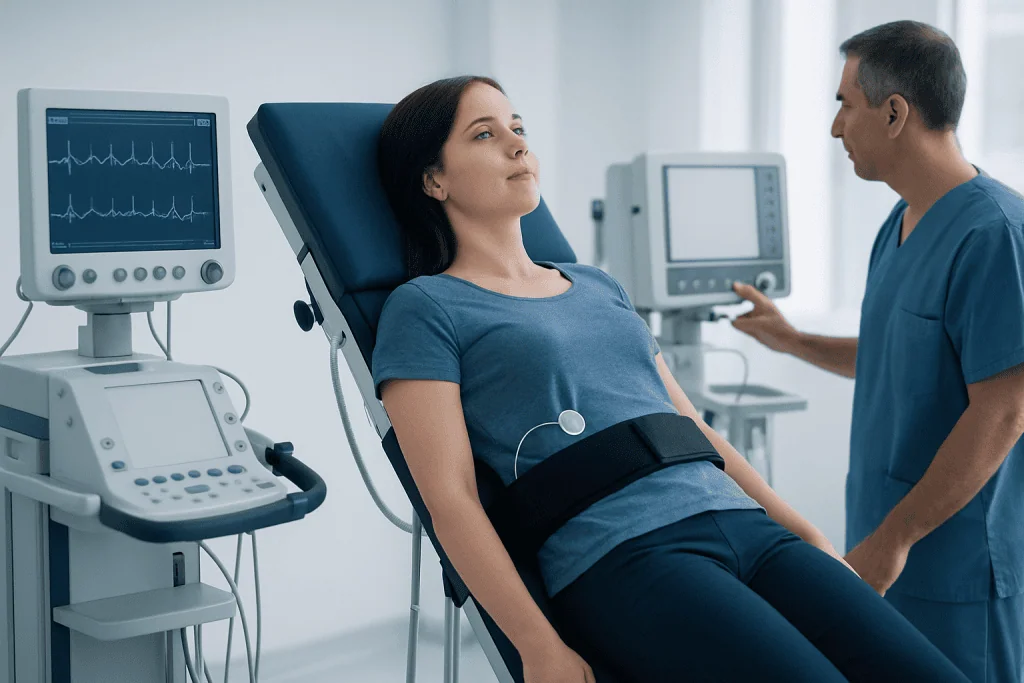
Additional tests are chosen based on the clinical picture. These may include blood tests for anemia, thyroid function, electrolytes, glucose, or vitamin deficiencies; an electrocardiogram to check heart rhythm; and sometimes echocardiography or rhythm monitoring. If symptoms are persistent or the diagnosis remains unclear, a tilt-table test may be recommended. This test monitors heart rate and blood pressure while the body is tilted upright in a controlled setting. In some cases, specialists may also use electrocardiography or echocardiography to evaluate for heart-related causes.
The main goal is to distinguish between different forms of orthostatic intolerance and to identify any underlying disorder that needs treatment. A clear diagnosis helps guide management and can reassure patients that symptoms have a recognized medical explanation.
Treatment options and symptom management
Treatment depends on the cause, the symptom pattern, and how much daily function is affected. If symptoms are linked to dehydration, recent illness, or medications, addressing those factors may significantly improve standing tolerance. When there is an associated condition such as anemia, thyroid disease, diabetes, or an autonomic disorder, treatment focuses on that problem as well.
Non-drug measures are often the first step and can be very helpful. These commonly include increasing fluid intake if medically appropriate, discussing salt intake with a doctor, avoiding prolonged standing, rising slowly from bed, using compression stockings or abdominal garments, and learning physical counter-maneuvers such as leg crossing or calf tightening when symptoms begin. Structured exercise, especially recumbent or semi-recumbent activities at first, can improve conditioning and circulation over time.
Some people need medication when lifestyle measures are not enough. The choice depends on the type of orthostatic intolerance and a person’s overall health. Medicines may be used to support blood vessel tone, expand blood volume, or control an excessive heart rate response. Because these treatments need individualized monitoring, they should only be started and adjusted by a qualified clinician.
When symptoms are frequent or severe, care may involve more than one specialty, such as cardiology, neurology, internal medicine, or endocrinology. In selected cases, a doctor may recommend further evaluation with Holter monitoring if rhythm-related symptoms are suspected. Near the end of a diagnostic journey, some international patients seek assessment at centers such as Acibadem International, where multidisciplinary specialists in JCI-accredited hospitals evaluate and treat orthostatic intolerance and related conditions.
Prevention and self-care strategies
Not every case can be prevented, but many people can reduce symptoms by understanding their triggers and building routines that support circulation. A regular sleep schedule, balanced meals, hydration, and paced physical activity often help the body respond better to upright posture. Long periods of bed rest should be avoided when possible, because deconditioning can worsen orthostatic symptoms.
Helpful self-care strategies may include:
- Drinking fluids regularly throughout the day if a doctor has not advised fluid restriction
- Standing up gradually, especially first thing in the morning
- Avoiding very hot showers, saunas, and overheated rooms
- Eating smaller meals if large meals trigger symptoms
- Using compression garments if recommended
- Building exercise tolerance slowly with seated, recumbent, or water-based exercise
- Keeping a symptom diary to identify triggers such as heat, missed meals, or certain medicines
People with recurring episodes should review all prescription and nonprescription medications with their doctor. Sometimes a medicine is contributing without it being obvious at first. It may also help to plan ahead for situations that involve prolonged standing, such as travel, ceremonies, or waiting in lines.
Self-care is most effective when it is tailored to the individual. What helps one person may not help another, because orthostatic intolerance can arise from different mechanisms. A clinician can help turn general advice into a practical plan based on medical history and test results.
When to seek medical care
Medical evaluation is appropriate if dizziness, palpitations, weakness, or faint feelings happen repeatedly on standing, interfere with daily activities, or are getting worse. A person should also seek care if symptoms begin after starting a new medication, after a significant illness, or along with unexplained weight loss, ongoing fatigue, or signs of dehydration.
Urgent medical attention is important if orthostatic symptoms occur with chest pain, shortness of breath, severe headache, confusion, injury from a fall, new neurological symptoms, or actual fainting. These features may point to a more serious heart, circulation, or nervous system problem that needs prompt assessment.
Children, teenagers, pregnant individuals, and older adults can all develop orthostatic symptoms, but the causes may differ by age and health status. A clinical assessment can help decide whether symptoms reflect a temporary issue, a medication effect, or a condition that requires longer-term treatment and follow-up.
It is reasonable to bring a symptom diary to the appointment, including when symptoms occur, blood pressure or heart rate readings if available, possible triggers, and all medications or supplements being taken. This information can make diagnosis more efficient and help guide the next steps.
Frequently asked questions
Is orthostatic intolerance the same as low blood pressure?
Not always. Orthostatic intolerance is a broader term that describes symptoms triggered by standing. Some people have a clear drop in blood pressure, while others mainly have an excessive rise in heart rate or another circulation problem without classic low blood pressure.
Can orthostatic intolerance go away on its own?
Sometimes it can, especially if it is related to dehydration, a temporary illness, medication effects, or deconditioning after bed rest. In other cases, it can persist and require ongoing management. The outlook depends on the underlying cause and how well triggers can be controlled.
What is the difference between orthostatic intolerance and POTS?
Orthostatic intolerance is an umbrella term for symptoms that happen when upright posture is not well tolerated. POTS is one specific form in which standing causes a marked increase in heart rate along with symptoms, without the same pattern of blood pressure drop seen in classic orthostatic hypotension.
Does orthostatic intolerance mean there is a heart problem?
Not necessarily. Many cases are related to hydration status, autonomic regulation, deconditioning, or medication effects rather than a structural heart disease. However, because some heart rhythm or circulation disorders can cause similar symptoms, medical evaluation is important when symptoms are persistent, severe, or associated with fainting.
Are exercise and activity safe with orthostatic intolerance?
In many people, graded exercise is part of treatment and can improve symptoms over time. The key is to start in a way that is tolerable, often with seated or recumbent activities, and increase slowly. Anyone with severe symptoms, chest pain, or fainting should get medical advice before beginning or changing an exercise program.
Can anxiety cause orthostatic intolerance?
Stress and anxiety can intensify awareness of palpitations, dizziness, and breathlessness, but they do not explain every case. Orthostatic intolerance often has measurable changes in heart rate, blood pressure, or circulation. A thorough assessment helps determine whether autonomic, cardiovascular, endocrine, or other physical factors are involved.
References
- National Heart, Lung, and Blood Institute
- National Institute of Neurological Disorders and Stroke
- American Heart Association
- Dysautonomia International
- Mayo Clinic
This article is for general information only and is not a substitute for professional medical advice. Please consult a qualified doctor about your individual situation.
Heart care in Turkey — expert evaluation and treatment
JCI-accredited · board-certified surgeons · reply within 24h
Check your numbers in seconds
BMI, calories, due date, blood pressure and 30+ more clinical calculators — free, instant, doctor-reviewed ranges.