Paraparesis: A Complete Medical Overview
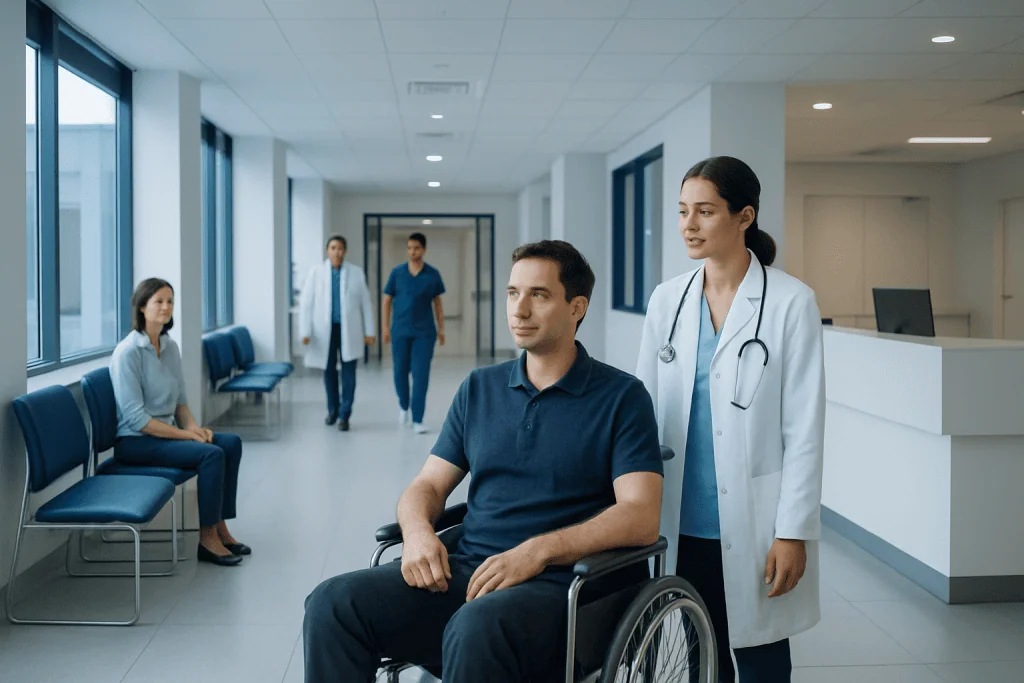
Paraparesis means partial weakness in both legs, not complete paralysis. It can result from spinal cord disorders, nerve diseases, inflammation, injury, or inherited conditions.
Key Takeaways
- Paraparesis means partial weakness in both legs, not complete paralysis.
- It can result from spinal cord disorders, nerve diseases, inflammation, injury, or inherited conditions.
- Symptoms may include difficulty walking, stiffness, numbness, pain, or bladder and bowel changes.
- Early medical evaluation is important, especially if weakness is sudden, worsening, or accompanied by back pain or numbness.
- Treatment depends on the cause and may include medicines, rehabilitation, assistive devices, or surgery.
Paraparesis is partial weakness affecting both legs, usually linked to a problem in the spinal cord, brain, or nerves. It is a symptom rather than a single disease, so diagnosis focuses on finding the underlying cause and guiding treatment to improve mobility, safety, and quality of life.
Overview: what paraparesis means
Paraparesis is a medical term for partial weakness in both legs. It does not mean complete loss of movement. Instead, a person may still be able to stand or walk, but with reduced strength, stiffness, poor balance, or increased effort. The weakness may develop slowly over time or appear more suddenly, depending on the cause.
Doctors use the term because it describes a pattern of symptoms rather than one specific disease. In many cases, paraparesis points to a problem affecting the spinal cord, the nerves that carry signals to the legs, or less commonly the brain. This is why careful evaluation is important: the same symptom can have several different explanations, and treatment depends on the underlying condition.
Paraparesis can affect people in different ways. Some notice frequent tripping, leg heaviness, or trouble climbing stairs. Others develop muscle tightness, spasms, numbness, or changes in bladder control. Because these changes can overlap with other neurological conditions, doctors may also consider related disorders such as multiple sclerosis when investigating the cause.
Symptoms and how they may affect daily life
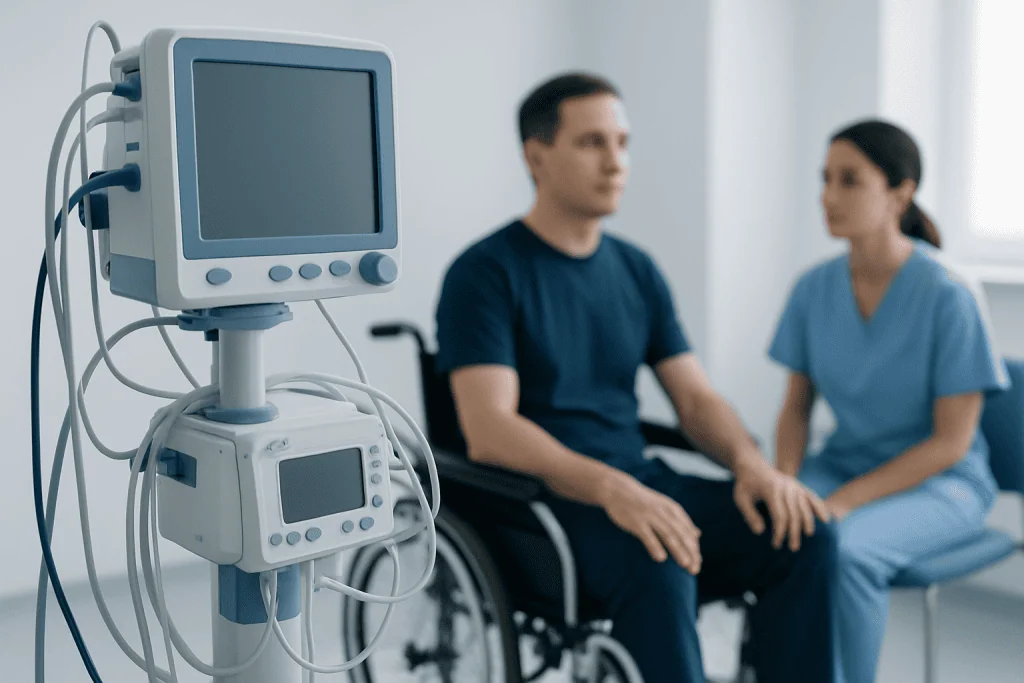
The main symptom of paraparesis is weakness in both legs. This weakness may be mild at first and become more noticeable with walking long distances, rising from a chair, or going up steps. Some people describe their legs as heavy, stiff, shaky, or less responsive than usual.
Other symptoms often depend on where the nervous system problem is located. If the spinal cord is involved, stiffness and muscle spasms may be more prominent. If sensory pathways are affected, there may be numbness, tingling, burning sensations, or reduced awareness of touch and position. Balance can become less steady, increasing the risk of falls.
Daily life may be affected in several practical ways:
- Walking more slowly or needing to hold onto furniture or railings
- Fatigue after short periods of standing or walking
- Difficulty driving, working, or exercising
- Trouble with bladder urgency, constipation, or sexual function in some cases
Symptoms that come on suddenly, rapidly worsen, or are associated with severe back pain, fever, or loss of bladder or bowel control need urgent medical assessment.
Causes and risk factors
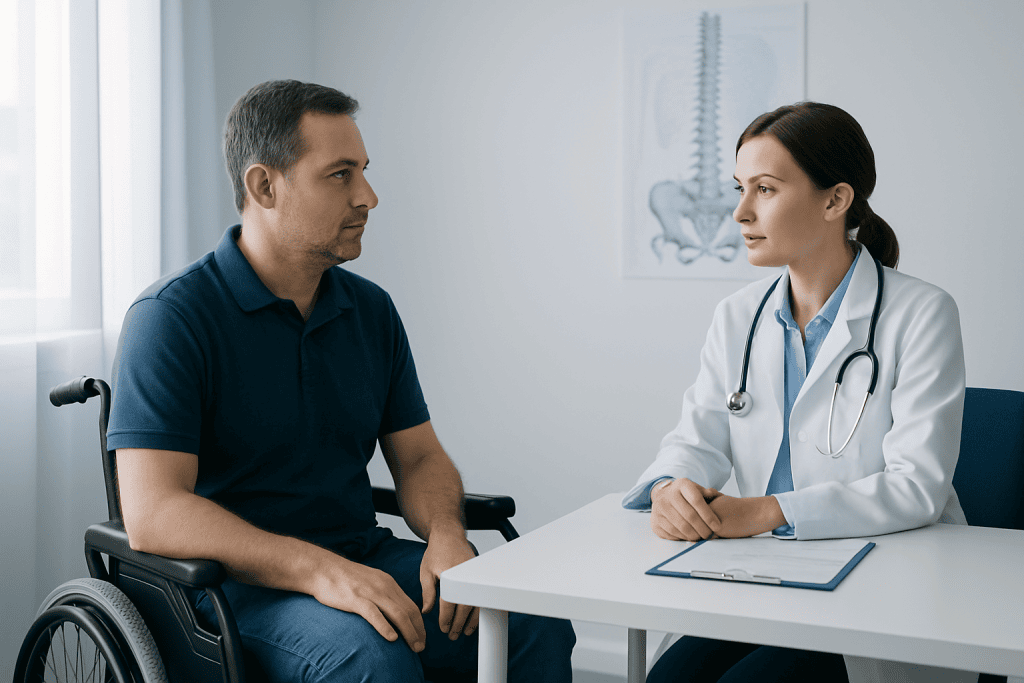
Paraparesis has many possible causes. A common theme is disruption of the pathways that carry movement signals from the brain through the spinal cord and into the legs. Problems in the thoracic spinal cord are especially likely to affect both legs while leaving the arms relatively unaffected.
Possible causes include structural conditions, inflammatory diseases, infections, reduced blood supply to the spinal cord, vitamin deficiencies, inherited disorders, and trauma. Compression from a tumor, disc problem, abscess, or narrowing of the spinal canal may damage the cord. Inherited forms, such as hereditary spastic paraplegia, often cause slowly progressive leg stiffness and weakness over years. Other neurological illnesses, including Parkinson’s disease, may affect walking and mobility, though they are distinct from true paraparesis.
Examples of underlying causes include:
- Spinal cord compression from a herniated disc, tumor, fracture, or spinal stenosis
- Inflammatory or autoimmune disorders such as transverse myelitis or multiple sclerosis
- Infections affecting the spinal cord or surrounding tissues
- Stroke affecting areas that control both legs, though this is less common
- Peripheral nerve or motor neuron disorders in selected cases
- Vitamin B12 deficiency and some metabolic or toxic causes
- Inherited neurological conditions such as hereditary spastic paraplegia
Risk factors vary by cause. They may include a history of spinal injury, autoimmune disease, cancer, infection, family history of neurological disease, or longstanding nutritional deficiency. Sometimes no single risk factor is obvious at the start, which is why a structured work-up is useful.
How doctors diagnose paraparesis
Diagnosis begins with a detailed medical history and neurological examination. The doctor asks when the weakness started, whether it is getting worse, and whether symptoms such as numbness, pain, spasms, fever, or bladder changes are present. The pattern of symptoms helps identify whether the cause is more likely in the spinal cord, brain, nerves, or muscles.
During the exam, strength, reflexes, muscle tone, sensation, coordination, and walking are assessed. Increased reflexes and stiffness may suggest an upper motor neuron problem in the brain or spinal cord, while reduced reflexes can point toward peripheral nerve involvement. The doctor may also look for a sensory level on the torso, which can be a clue to spinal cord disease.
Tests are chosen based on the suspected cause. These may include MRI of the spine or brain, blood tests for inflammation, infection, vitamin deficiency, or autoimmune disease, and sometimes nerve conduction studies or electromyography. In selected cases, a lumbar puncture may help assess inflammation or infection. If spinal compression is suspected, prompt imaging is especially important because early treatment can help protect function.
Depending on the findings, patients may be referred for advanced evaluation in neurology, neurosurgery, or physical therapy and rehabilitation to clarify the cause and plan care.
Treatment options and rehabilitation
There is no single treatment for paraparesis because the best approach depends on the cause. The first goal is to treat any condition that is damaging the nervous system. For example, inflammatory causes may require medicines that reduce immune activity, infections need targeted treatment, and compression of the spinal cord may call for urgent surgical assessment. If a structural spine problem is found, doctors may consider input from spine surgery specialists.
The second goal is to improve mobility, comfort, and independence. Rehabilitation is a central part of care for many patients, whether symptoms are temporary, chronic, or slowly progressive. A personalized program may focus on strengthening, stretching, balance work, gait training, and techniques to reduce spasticity. Assistive devices such as canes, walkers, braces, or wheelchairs may support safety and conserve energy.
Additional treatments may include medicines for muscle spasms, pain, bladder symptoms, or other related problems. Occupational therapy can help with home and workplace adaptations. When symptoms affect emotional well-being, psychological support can also be helpful. Treatment plans often work best when they are coordinated across several specialties.
Near the end of the diagnostic and treatment pathway, some international patients seek care at Acibadem International, where multidisciplinary specialists and JCI-accredited hospitals evaluate and treat complex neurological and spinal conditions.
Living with paraparesis: self-care and prevention
Self-care cannot replace medical treatment, but it can play an important role in day-to-day function. Regular follow-up helps the care team monitor changes in strength, balance, and sensation. Exercises should be guided by a clinician or therapist, especially if there is a risk of falls, worsening pain, or fatigue.
Helpful strategies often include staying as active as safely possible, protecting skin and joints, using well-fitted footwear, and making the home easier to navigate. Removing tripping hazards, installing handrails, and improving lighting may lower the risk of falls. If bladder or bowel symptoms are present, early discussion with a doctor can prevent complications and improve comfort.
Prevention depends on the cause. Not all cases can be prevented, especially inherited conditions or autoimmune disorders. However, some steps may reduce risk in certain situations:
- Seeking prompt care for new back pain with leg weakness or numbness
- Treating infections early and following medical advice after spinal injury
- Maintaining adequate nutrition, including evaluation for vitamin deficiencies when indicated
- Managing chronic conditions that may affect nerves or blood vessels
- Following rehabilitation plans to preserve mobility and prevent deconditioning
Many people benefit from setting realistic goals and measuring progress in small steps, such as safer transfers, longer walking distance, or less fatigue with daily activities.
When to seek medical care
Medical care is recommended for any ongoing weakness in both legs, even if symptoms seem mild at first. Progressive weakness, repeated falls, or new difficulty walking should be evaluated promptly because early diagnosis may improve treatment options and help prevent complications.
Urgent medical attention is needed if weakness begins suddenly, rapidly worsens, or is accompanied by severe back pain, numbness spreading upward, fever, recent trauma, or loss of bladder or bowel control. These features can suggest spinal cord compression, infection, or another condition that needs immediate care.
It is also important to seek review if symptoms interfere with work, sleep, self-care, or emotional well-being. A qualified doctor can determine whether paraparesis is present, identify its cause, and recommend the most appropriate treatment and rehabilitation plan.
Frequently asked questions
Is paraparesis the same as paraplegia?
No. Paraparesis means partial weakness in both legs, while paraplegia means complete or near-complete loss of movement in both legs. The terms sound similar, but they describe different degrees of impairment.
Can paraparesis improve?
It can improve in some people, especially when the underlying cause is identified and treated early. Recovery depends on the reason for the weakness, how severe it is, and how quickly treatment begins. Rehabilitation can also make a meaningful difference in mobility and independence.
What kind of doctor treats paraparesis?
Evaluation often starts with a neurologist, but treatment may involve several specialists. Depending on the cause, care can also include neurosurgeons, spine specialists, rehabilitation physicians, physical therapists, and sometimes urologists or pain specialists.
Does paraparesis always come from the spinal cord?
Not always, but the spinal cord is a common source because it carries movement signals to both legs. Problems in the brain, peripheral nerves, or inherited neurological disorders can also cause similar weakness patterns. This is why imaging and neurological examination are important.
Is paraparesis painful?
Paraparesis itself refers to weakness, so pain is not required for the diagnosis. However, some underlying causes can also produce back pain, nerve pain, muscle spasms, or uncomfortable tightness. Pain assessment is an important part of the medical evaluation.
What tests are usually needed?
Doctors commonly use a neurological examination along with MRI scans of the spine or brain. Blood tests may look for inflammation, infection, vitamin deficiency, or autoimmune disease. In some cases, nerve tests or a lumbar puncture may also be recommended.
References
- World Health Organization
- National Institute of Neurological Disorders and Stroke
- National Institute of Arthritis and Musculoskeletal and Skin Diseases
- MedlinePlus
- American Academy of Neurology
This article is for general information only and is not a substitute for professional medical advice. Please consult a qualified doctor about your individual situation.
Joint and spine care in Turkey — expert assessment & treatment
JCI-accredited · board-certified surgeons · reply within 24h