Pregnant and Urine Smells Explained: Causes, Management, and When to See a Doctor

A change in urine smell during pregnancy is often harmless and may relate to hormones, hydration, diet, or supplements. Pregnancy can make odors seem stronger because the sense of smell often becomes more sensitive.
Key Takeaways
- A change in urine smell during pregnancy is often harmless and may relate to hormones, hydration, diet, or supplements.
- Pregnancy can make odors seem stronger because the sense of smell often becomes more sensitive.
- Burning urination, fever, pelvic pain, blood in urine, or back pain may point to a urinary tract infection.
- Staying well hydrated and reviewing diet or supplements can help reduce urine odor in many cases.
- Persistent, very strong, sweet, foul, or ammonia-like odor should be discussed with a healthcare professional.
Medically reviewed by the Acıbadem International Medical Board — July 23, 2026
Pregnant and urine smells are commonly explained by normal pregnancy changes such as stronger sense of smell, concentrated urine, prenatal vitamins, and certain foods. However, a strong or unusual odor together with burning, pain, fever, or urinary urgency may suggest an infection and should be checked by a doctor.
What it can mean when pregnant and urine smells
If someone notices that they are pregnant and urine smells stronger than usual, the cause is often not dangerous. In many cases, the change is linked to concentrated urine from mild dehydration, hormonal shifts, a heightened sense of smell, prenatal vitamins, or foods such as asparagus, garlic, coffee, and some spices.
That said, urine odor should be interpreted together with other symptoms. A strong smell alone can be a normal pregnancy experience, but odor with burning, pain, fever, chills, blood in the urine, lower abdominal discomfort, or needing to pass urine very often may suggest a urinary problem that needs assessment.
Pregnancy changes the urinary tract in ways that can make infection more likely. Because urinary tract infections can sometimes start with subtle symptoms in pregnancy, it is reasonable to mention persistent changes to an obstetrician, family doctor, or urologist, especially if the odor is new, intense, or accompanied by discomfort.
Why urine odor may seem stronger in pregnancy
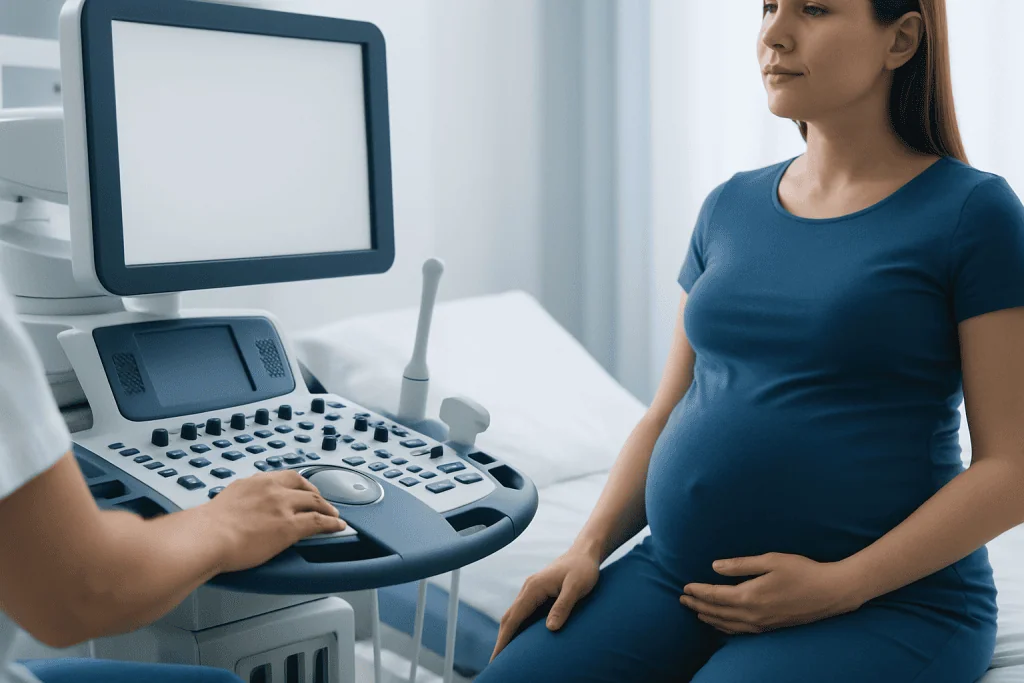
Pregnancy affects the body in several ways that can make urine smell more noticeable even when nothing is wrong. Hormonal changes can influence body fluids, and many pregnant people become much more sensitive to smells. As a result, a urine odor that was always present but mild may suddenly seem stronger.
Urine concentration is another common reason. If fluid intake is lower than usual, or if nausea and vomiting make hydration difficult, urine becomes darker and more concentrated. Concentrated urine often has a sharper, more ammonia-like smell.
Prenatal supplements can also play a role. B vitamins in particular may change urine color and odor. In addition, certain foods and drinks can briefly affect how urine smells. These changes usually improve once hydration is better or the food effect passes.
- Common harmless triggers include dehydration, morning sickness, vitamins, coffee, asparagus, garlic, and spices.
- A more sensitive sense of smell can make normal odors seem unusually strong.
- Temporary odor changes are often less concerning if there is no pain, fever, or urinary burning.
Common causes of smelly urine during pregnancy

The most frequent cause is concentrated urine. This can happen after sleeping, on hot days, after exercise, or when nausea reduces fluid intake. Usually, the urine looks darker yellow and the smell improves after drinking enough water.
Diet and supplements are also common explanations. Foods such as asparagus are well known for changing urine odor, and coffee may make urine smell stronger. Prenatal vitamins, especially those containing B vitamins, can create a distinct smell that is unpleasant but harmless.
Urinary tract infection is an important cause that should not be overlooked during pregnancy. Infection may cause cloudy urine, discomfort while urinating, urgency, frequency, lower abdominal pain, or fever. Because infection can spread upward to the kidneys, prompt evaluation matters. If symptoms suggest a UTI, doctors may investigate for urinary tract infection.
Less commonly, other medical issues can contribute, including vaginal infections that are mistaken for urine odor, poorly controlled blood sugar that may give urine a sweet smell, or rare metabolic conditions. A clinician can help distinguish whether the odor is truly from urine or from vaginal discharge, sweat, or another source.
Symptoms that suggest something more than a normal pregnancy change
Urine odor alone is often not enough to diagnose a problem. The concern becomes greater when the smell appears together with symptoms pointing to infection or another health issue. In pregnancy, these signs should be taken seriously because some urinary conditions can affect both the pregnant person and the baby if untreated.
Symptoms worth noticing include burning or pain while urinating, needing to urinate often but passing only small amounts, cloudy urine, blood in the urine, pelvic pressure, or lower abdominal pain. Flank or back pain, fever, chills, nausea, or vomiting can suggest that an infection has reached the kidneys and should be assessed urgently.
A sweet or fruity odor may sometimes raise concern about high blood sugar, while a very strong fishy or unpleasant smell may actually come from vaginal discharge rather than urine. If there is itching, irritation, or unusual discharge, the problem may be gynecologic rather than urinary.
- Burning, urgency, fever, blood, or back pain are not typical harmless odor changes.
- Cloudy urine or feeling unwell should prompt medical advice.
- If the smell seems to come from discharge rather than urine, a pelvic assessment may be needed.
How doctors evaluate urine odor in pregnancy
Evaluation usually begins with a careful history. A doctor may ask when the odor started, whether it is present all the time or only at certain times of day, fluid intake, diet, supplements, and whether there are symptoms such as burning, fever, discharge, or back pain. This helps separate likely harmless causes from those needing treatment.
A urine test is often the key first step. Urinalysis can look for signs of infection, dehydration, blood, glucose, and other abnormalities. If infection is suspected, a urine culture may be sent to identify the bacteria and guide treatment. This is especially important in pregnancy, when even bacteria in the urine without symptoms may sometimes require treatment.
Further tests depend on the situation. If symptoms are severe, recurrent, or unusual, a clinician may consider blood tests or imaging of the urinary system. In some cases, patients may be referred for urology evaluation or obstetric and gynecologic care to clarify the cause and choose pregnancy-safe treatment.
Management and treatment options
Treatment depends on the cause. If the odor is related to concentrated urine, increasing fluid intake is often the simplest and most effective step, unless a doctor has advised fluid restriction for another condition. Eating regular meals and managing nausea can also help maintain hydration.
If foods or supplements appear to be responsible, a patient should not stop prenatal vitamins without medical advice. Instead, it can help to discuss whether the timing or type of supplement might be adjusted. When odor is mild and there are no other symptoms, monitoring for a short time may be appropriate.
If a urinary infection is diagnosed, doctors usually prescribe pregnancy-safe antibiotics and may repeat urine testing afterward to confirm that the infection has cleared. Prompt treatment matters because untreated infection can progress to kidney infection. In more complex cases, care may involve pregnancy follow-up and, if needed, kidney-focused assessment related to kidney infection.
If there are signs of diabetes, vaginal infection, or another underlying issue, management targets that cause. The safest approach in pregnancy is to avoid self-medicating and to check with a qualified clinician before using over-the-counter remedies, herbal products, or antiseptic washes.
Self-care steps that may help reduce urine odor
Simple daily habits can often lessen urine odor. Drinking water regularly throughout the day helps dilute the urine and may reduce an ammonia-like smell. People who are dealing with nausea may tolerate small, frequent sips better than large amounts at once.
It can also help to notice patterns. If the smell appears after certain foods, drinks, or vitamins, keeping a brief record may clarify the trigger. Good genital hygiene is useful, but harsh soaps, douches, and fragranced products should generally be avoided because they can irritate the area and may worsen vaginal symptoms.
Practical self-care includes urinating when needed rather than holding urine for long periods, wiping front to back, and wearing breathable underwear. These steps do not treat an infection, but they can support urinary comfort and lower irritation. If symptoms continue despite hydration and basic care, medical review is the next step.
Near the end of pregnancy or at any stage, personalized advice is best. Acibadem International’s multidisciplinary specialists in JCI-accredited hospitals diagnose and treat pregnancy-related urinary and gynecologic concerns for international patients when further evaluation is needed.
When to seek medical care
Medical care should be sought if urine odor is persistent and clearly unusual, especially when it comes with burning, fever, chills, back pain, pelvic pain, blood in the urine, or urinary urgency. These symptoms can suggest infection, and urinary infections in pregnancy should not be ignored.
It is also wise to contact a clinician if vomiting makes it hard to keep fluids down, if the urine becomes very dark despite drinking, or if the odor is sweet or fruity and accompanied by excessive thirst or frequent urination. Any concern about reduced fetal movement, contractions, or feeling generally unwell should also be discussed urgently with an obstetric team.
Even when the cause turns out to be harmless, checking in can provide reassurance and help protect pregnancy health. A prompt urine test is simple and often clarifies whether the issue is dehydration, diet, supplements, or something that needs treatment.
Frequently asked questions
Is it normal for urine to smell stronger during pregnancy?
Yes, it can be normal. Pregnancy hormones, more concentrated urine, prenatal vitamins, certain foods, and a heightened sense of smell can all make urine seem stronger even without illness.
Can dehydration make urine smell bad in pregnancy?
Yes. Dehydration is one of the most common reasons for stronger-smelling urine because the urine becomes more concentrated. Drinking fluids regularly often helps, unless a doctor has given different advice.
Does smelly urine always mean a urinary tract infection?
No. Odor alone does not confirm a urinary tract infection, and many harmless factors can change urine smell. However, if odor is accompanied by burning, urgency, pelvic pain, fever, or back pain, a urine test is important.
Why do prenatal vitamins change urine smell?
Prenatal vitamins, especially those containing B vitamins, can affect both the color and smell of urine. This is usually harmless, but patients should speak with their doctor before stopping or changing any prenatal supplement.
What does sweet-smelling urine during pregnancy mean?
Sweet or fruity-smelling urine can sometimes occur after certain foods, but it may also suggest glucose in the urine or high blood sugar. Because pregnancy can affect blood sugar control, this change should be discussed with a healthcare professional.
How can someone tell if the smell is from urine or vaginal discharge?
This can be difficult without an examination. If there is unusual discharge, itching, irritation, or a fishy odor, the source may be vaginal rather than urinary, and a clinician can help determine the cause.
References
- American College of Obstetricians and Gynecologists
- National Institute of Diabetes and Digestive and Kidney Diseases
- Mayo Clinic
- National Health Service
- Centers for Disease Control and Prevention
This article is for general information only and is not a substitute for professional medical advice. Please consult a qualified doctor about your individual situation.
Explore treatments in Turkey — costs, top hospitals & a free quote
JCI-accredited · board-certified surgeons · reply within 24h