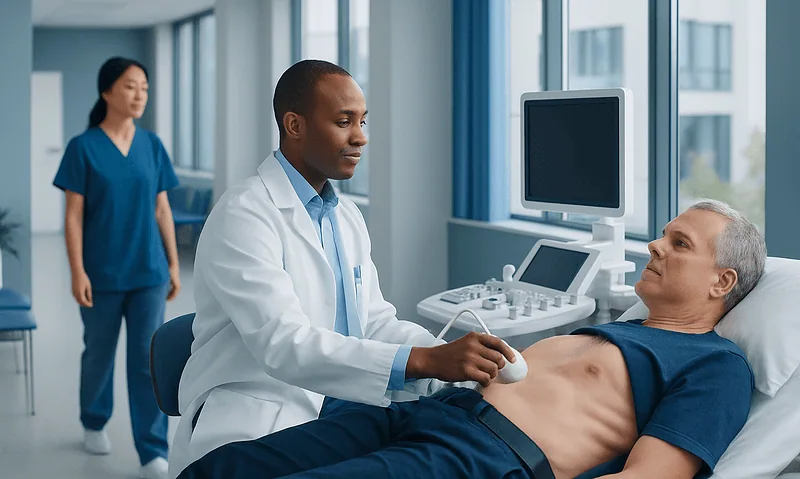
Prostate Exam Procedure: An Evidence-Based Patient Guide

A digital rectal exam uses one gloved, lubricated finger to assess the back surface of the prostate. A prostate exam is not a cancer diagnosis; abnormal findings may have several causes and often require follow-up tests.
Key Takeaways
- A digital rectal exam uses one gloved, lubricated finger to assess the back surface of the prostate.
- A prostate exam is not a cancer diagnosis; abnormal findings may have several causes and often require follow-up tests.
- Current prostate cancer screening decisions are individualized, usually using shared decision-making about PSA testing and personal risk.
- Most people can return to normal activities immediately after a routine prostate examination.
- Newer tools, including multiparametric MRI and risk calculators, may help refine the need for a biopsy after an elevated PSA or concerning exam.
A prostate exam procedure is a clinical assessment of the prostate, commonly involving a digital rectal examination (DRE) and, when appropriate, a prostate-specific antigen (PSA) blood test. It is brief, usually causes only temporary discomfort, and helps a clinician decide whether further evaluation is needed.
Overview: What Is a Prostate Exam Procedure?
A prostate exam procedure is an assessment used to check the size, shape and feel of the prostate gland, which sits below the bladder and surrounds part of the urethra. The examination often refers to a digital rectal examination (DRE), in which a clinician gently feels the prostate through the rectal wall. Depending on the person’s age, symptoms and risk factors, the appointment may also include discussion of a PSA blood test.
The procedure is used in more than one setting. It may help assess urinary symptoms such as a weak stream, frequent urination, difficulty starting to urinate or a feeling that the bladder does not empty fully. It can also be part of an individualized discussion about prostate cancer screening, although neither a DRE nor PSA test alone can confirm cancer.
A DRE takes only a short time and does not usually require anesthesia, fasting or recovery time. Feeling uneasy is common, and patients may ask the clinician to explain each step, pause if needed, and use a chaperone according to local practice.
How the Prostate Examination Works and Who May Need One
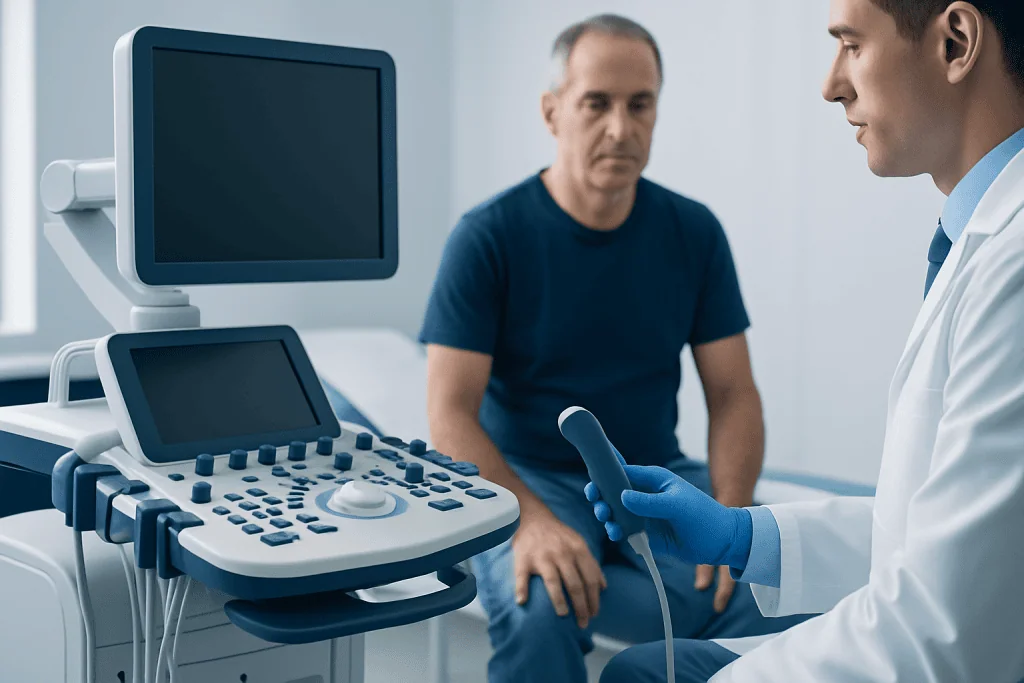
During a DRE, a clinician checks the portion of the prostate that can be reached through the rectum. They may note whether it feels enlarged, tender, firm, irregular or asymmetrical. Enlargement is often related to benign prostatic hyperplasia, a noncancerous increase in prostate size that becomes more common with age. Inflammation, infection and cancer can also alter examination findings, so results are interpreted alongside symptoms, medical history and test results.
A prostate exam may be considered for people with bothersome lower urinary tract symptoms, blood in the urine or semen, pelvic discomfort, recurrent urinary infections, unexplained urinary retention, or an abnormal PSA result. It may also be used during evaluation of erectile or ejaculation concerns when clinically relevant. A clinician will consider medications, previous prostate procedures, family history and overall health.
Screening is different from investigating symptoms. Prostate examination guidelines generally support an informed, individualized conversation about PSA-based screening rather than routine testing for everyone. Factors that may affect this conversation include age, life expectancy, family history of prostate cancer and ancestry associated with a higher risk. People with symptoms should seek medical assessment rather than relying on screening advice alone.
For a broader explanation of prostate-related symptoms and evaluation, patients can read about prostate cancer as part of understanding why additional tests may sometimes be advised.
Step-by-Step: What Happens During the Procedure?

The appointment usually starts with questions about urinary symptoms, sexual health, bowel changes, previous urologic conditions, medications and family history. If PSA testing is planned, the clinician may explain what the result can and cannot show and whether timing factors could influence interpretation. A urine test, blood pressure measurement or other routine assessment may also be appropriate depending on the reason for the visit.
For the DRE, the patient may stand and lean forward over an examination table, lie on their side with knees bent, or use another comfortable position. The clinician wears a glove, applies lubricant and gently inserts one finger into the rectum. They assess the prostate for a few seconds, then remove the finger and offer tissues or a place to clean up.
Pressure, fullness or a brief urge to urinate may occur, but sharp pain is not expected. Patients should tell the clinician if there is pain, particularly if they have hemorrhoids, an anal fissure, recent rectal surgery, severe rectal inflammation or trauma. The clinician can adjust the approach or postpone the examination if necessary.
A prostate exam study guide or prostate exam PDF may describe the clinical sequence in detail, but real appointments should always be adapted to the individual. The patient’s comfort, consent and privacy remain central throughout the prostate exam protocol.
Do You Use 1 or 2 Fingers for a Prostate Exam?
A standard digital rectal examination uses one gloved and lubricated finger. One finger is sufficient to assess the part of the prostate that can be felt through the front wall of the rectum. Using two fingers is not part of a routine prostate examination.
The examination is brief because the prostate is close to the rectum. The clinician may gently assess the surrounding rectal area as well, but the purpose is not to reach the entire prostate or to perform an internal examination with multiple fingers.
Patients who are anxious about the examination can say so before it begins. The clinician can describe what they are doing, proceed slowly, stop at any time on request, and discuss alternatives or additional tests when appropriate.
What Is the New Procedure for Prostate Exam?
There is no single new replacement procedure for every prostate exam. The DRE remains a useful focused physical examination in selected situations, while PSA blood testing is commonly used in prostate cancer screening discussions. Increasingly, clinicians combine PSA results with personal risk factors, repeat testing when appropriate, and validated risk calculators to decide whether further assessment is needed.
Multiparametric magnetic resonance imaging (MRI) is an important newer tool when PSA is elevated or another finding raises concern. It can identify areas of the prostate that may need closer evaluation and can help guide targeted biopsy planning. MRI does not replace clinical judgment, and not every person with an elevated PSA needs MRI or biopsy immediately.
If a biopsy is recommended, modern approaches may use MRI-targeted sampling in addition to systematic samples. Some centers use transperineal biopsy, which reaches the prostate through the skin between the scrotum and anus rather than through the rectum; this may reduce certain infection risks. The best pathway depends on the reason for testing and the person’s individual circumstances.
When further specialist evaluation is needed, prostate cancer treatment planning begins with confirming the diagnosis and discussing the stage, grade, general health and personal priorities. A suspicious test result does not automatically mean treatment will be required.
What Should You Not Do Before a Prostate Exam?
Most people do not need special preparation for a DRE. They can usually eat, drink, take usual medicines and follow normal hygiene routines unless their clinician gives different instructions. It is helpful to tell the clinician about rectal bleeding, painful hemorrhoids, anal fissures, recent surgery, anticoagulant medicines or any condition that could make the examination uncomfortable.
If a PSA blood test is planned, preparation may matter more. Ejaculation, vigorous cycling and some prostate manipulations can temporarily influence PSA levels in some people. A clinician may suggest avoiding ejaculation and strenuous cycling for a short period before testing, but patients should follow the instructions from their own healthcare team because practices vary.
Urinary infection, urinary retention, recent catheterization and recent prostate procedures can also affect PSA interpretation. Patients should not stop prescribed medicines or delay needed care without medical advice. If they have fever, burning urination or acute urinary symptoms, they should inform the clinic before attending.
Are Prostate Exams No Longer Recommended?
Prostate exams are not universally abandoned, but their role has become more individualized. Routine DRE alone is not generally recommended as a stand-alone population screening test for prostate cancer. PSA-based screening is usually considered through shared decision-making, balancing possible benefits against the risks of false-positive results, unnecessary testing and treatment of cancers that may never cause harm.
A DRE may still be useful when a person has urinary symptoms, an abnormal PSA level, a known prostate condition, or a clinician needs additional information from a physical examination. It may identify concerning changes, but a normal DRE cannot rule out prostate cancer because not all areas of the prostate can be felt.
People should discuss their own circumstances with a qualified clinician rather than relying on a general age cutoff or an online checklist. Those with a close family history of prostate cancer or other risk factors may benefit from starting the screening conversation earlier than average-risk individuals.
Benefits, Risks, Recovery and When to Seek Medical Care
The main benefit of a prostate exam procedure is that it provides immediate clinical information that may help explain symptoms and guide next steps. It can identify enlargement, tenderness or an irregular area that warrants further assessment. However, it has limitations: it cannot examine the entire prostate, findings can be subjective, and it cannot diagnose cancer without additional testing.
Risks from a routine DRE are very low. Temporary discomfort, embarrassment or minor rectal spotting may occur, especially in people with hemorrhoids or fragile rectal tissue. Most patients can return to work, driving, exercise and normal daily activities straight away. Persistent bleeding, significant pain or feeling unwell afterward is uncommon and should be discussed with a clinician.
Medical care should be sought promptly for inability to urinate, fever or chills with urinary symptoms, visible blood in urine that persists or is heavy, severe pelvic pain, or new weakness or numbness in the legs. Non-urgent medical review is appropriate for persistent urinary changes, repeated nighttime urination, a weak stream, pelvic discomfort or an unexplained elevated PSA.
Acibadem International’s multidisciplinary specialists and JCI-accredited hospitals assess prostate symptoms and related conditions for international patients, using appropriate clinical examination, laboratory testing and imaging when indicated.
Frequently asked questions
Is a prostate exam painful?
A routine digital rectal examination should not be painful, although it can cause brief pressure or discomfort. Pain may occur if there are hemorrhoids, an anal fissure, inflammation or another rectal condition. The patient should tell the clinician immediately if the examination hurts.
How long does a prostate exam take?
The digital rectal examination itself usually takes less than a minute. The full appointment may take longer because it includes discussion of symptoms, medical history, screening choices and possible tests. There is generally no recovery period after the examination.
Can a prostate exam detect cancer?
A DRE can detect some changes that may be concerning, such as a hard nodule or irregular area, but it cannot diagnose prostate cancer. Many prostate cancers cannot be felt during an examination, and noncancerous conditions can also cause abnormal findings. Further evaluation may include PSA testing, MRI and sometimes biopsy.
Should someone have a PSA test before a prostate exam?
PSA testing and DRE may be used together in selected circumstances, but one does not always need to happen before the other. The right approach depends on whether the person has symptoms, their age, family history and other risk factors. A clinician can explain the advantages and limitations of PSA testing before it is done.
What happens if the prostate feels enlarged on examination?
An enlarged prostate is commonly caused by benign prostatic hyperplasia, which is not cancer. The clinician may ask about urinary symptoms and may recommend urine testing, PSA testing, ultrasound, measurement of residual urine or referral to a urologist. The next step depends on symptoms and the overall examination findings.
Can hemorrhoids prevent a prostate examination?
Hemorrhoids do not always prevent a DRE, but active painful hemorrhoids or rectal bleeding can make it uncomfortable. The patient should mention them before the examination. The clinician may modify the exam, delay it or use other tests first if that is safer or more comfortable.
References
- American Urological Association
- European Association of Urology
- National Cancer Institute
- U.S. Preventive Services Task Force
- Mayo Clinic
This article is for general information only and is not a substitute for professional medical advice. Please consult a qualified doctor about your individual situation.
Oncology care in Turkey — second opinion and treatment plan
JCI-accredited · board-certified surgeons · reply within 24h
Add us as a Preferred Source to see more of our trusted health content across Google Search, AI Overviews and Discover.
Check your numbers in seconds
BMI, calories, due date, blood pressure and 30+ more clinical calculators — free, instant, doctor-reviewed ranges.