Operation to Remove Ovaries: Procedure, Recovery and Results

Oophorectomy is the medical term for surgery to remove one or both ovaries. Removing both ovaries before natural menopause causes immediate surgical menopause.
Key Takeaways
- Oophorectomy is the medical term for surgery to remove one or both ovaries.
- Removing both ovaries before natural menopause causes immediate surgical menopause.
- Many procedures are performed through minimally invasive surgery, which usually allows a faster recovery than open surgery.
- The decision to remove ovaries balances the reason for surgery, cancer risk, symptoms, fertility wishes and long-term hormonal health.
- New severe pain, fever, wound problems, heavy bleeding, chest pain or shortness of breath after surgery needs prompt medical assessment.
An operation to remove ovaries, called an oophorectomy, may be performed for ovarian disease, cancer risk reduction, severe endometriosis, or a suspicious mass. The procedure can involve one ovary or both, and its effects depend largely on whether the person has reached menopause and whether the uterus and fallopian tubes are also removed.
Overview: What Is an Operation to Remove Ovaries?
An operation to remove ovaries is called an oophorectomy. It may be recommended to treat a concerning ovarian mass, cancer, persistent cysts, severe endometriosis or infection, or to lower cancer risk in selected people with inherited genetic risk. The surgeon may remove one ovary (unilateral oophorectomy) or both ovaries (bilateral oophorectomy).
The ovaries produce eggs and hormones, including estrogen and progesterone. When one ovary is removed and the other remains healthy, periods and fertility can often continue. Removing both ovaries stops egg release and hormone production; if this occurs before natural menopause, it causes menopause straight away.
Oophorectomy is sometimes performed alongside removal of the fallopian tubes, known as salpingo-oophorectomy. It may also be part of a larger operation such as hysterectomy, although removal of the uterus is not automatically required when an ovary is removed. The surgical plan should be individualized after discussion with a gynecologist or gynecologic oncologist.
Why It May Be Recommended and Who May Be a Candidate
A clinician may discuss ovary removal when imaging, blood tests, symptoms or surgical findings raise concern about cancer. It can also be considered for a large or complex ovarian cyst, ovarian torsion that has damaged the ovary, an abscess that does not respond to treatment, or severe pelvic disease. Conditions such as endometriosis may occasionally require surgery when symptoms remain significant despite other care.
For people with certain inherited cancer-risk gene changes or a strong family history, removing both tubes and ovaries after completion of childbearing may substantially reduce the chance of ovarian and fallopian tube cancer. This is a preventive decision that requires careful genetic counseling and discussion of the health effects of early menopause.
Before recommending surgery, the team considers age, menopausal status, symptoms, medical history, fertility goals, imaging findings and personal cancer risk. Depending on the situation, alternatives may include observation with repeat imaging, medication, cyst removal while preserving the ovary, or removal of the fallopian tubes alone. A suspicious mass should be assessed by an appropriately experienced surgical team.
- One ovary may be removed when disease is limited to one side and preserving hormones or fertility is possible.
- Both ovaries may be removed for confirmed or strongly suspected cancer, selected high-risk prevention plans, or disease affecting both ovaries.
- Additional surgery may be needed when cancer is diagnosed or suspected, depending on surgical findings and pathology results.
How the Procedure Works: Step by Step

Before the operation, patients usually have a medical review, blood tests and, when needed, ultrasound or other imaging. The surgeon explains what tissue may be removed, whether the plan could change if unexpected findings are seen, and how pathology results will be communicated. General anesthesia is used, so the patient is asleep and does not feel the operation.
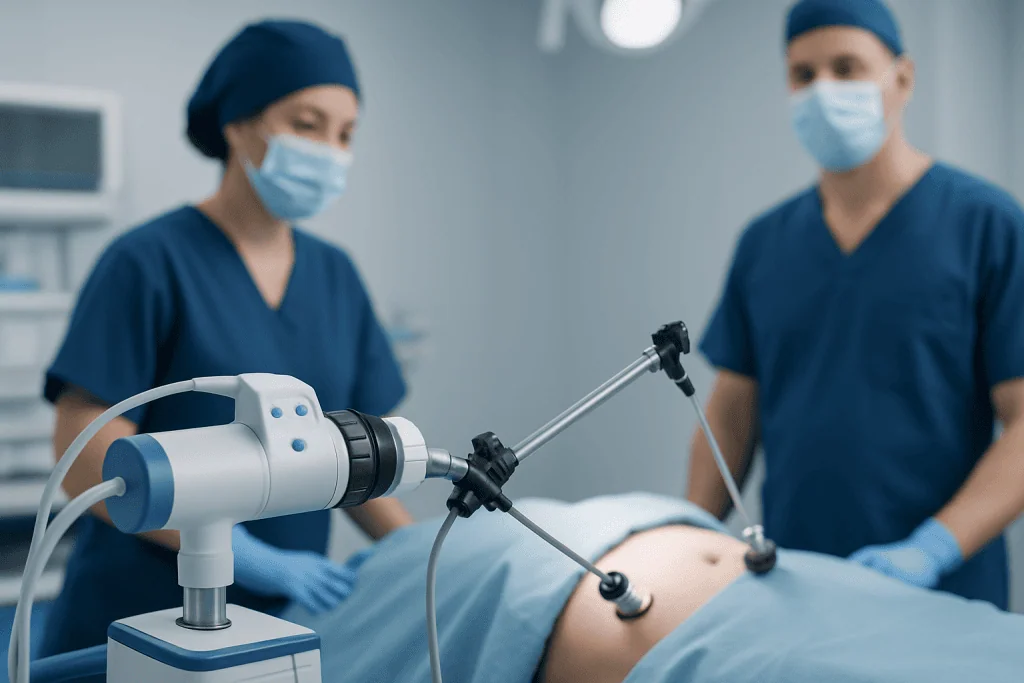
Many oophorectomies are done laparoscopically or with robotic assistance. The surgeon makes several small abdominal incisions, introduces a camera and fine instruments, and carefully separates the ovary or ovaries from their blood supply and supporting tissues. The removed tissue is placed in a protective bag and sent for laboratory examination.
Open abdominal surgery, called laparotomy, uses a larger incision. It may be advised when a mass is very large, cancer is suspected, extensive disease is present, or a minimally invasive approach would not be safe. In some cases, the final extent of surgery is decided during the procedure after a specialist examines the tissue.
Oophorectomy may be performed as part of gynecologic oncology care when cancer is suspected or confirmed. The exact approach, expected hospital stay and recovery plan depend on the reason for surgery, the technique used and whether other procedures are performed at the same time.
Recovery Timeline and Comfort After Surgery
Recovery varies from person to person. After minimally invasive surgery, many patients go home the same day or after an overnight stay, while open surgery commonly requires several days in hospital. In the early days, tiredness, abdominal tenderness, mild swelling and shoulder-tip discomfort from surgical gas can occur after laparoscopy.
For the first one to two weeks, patients are generally encouraged to walk gently and increase activity gradually while avoiding heavy lifting and strenuous exercise. Driving, work and sexual activity should resume only when the surgical team says it is safe. Recovery after laparoscopy often takes around two to four weeks; after open surgery, it may take four to eight weeks or longer.
How painful is recovery from ovary removal? Pain is usually most noticeable during the first few days and should gradually improve. Minimally invasive surgery generally causes less incision pain and a shorter recovery than open surgery, but both can involve pelvic or abdominal soreness. The care team may recommend prescribed or non-prescription pain relief, movement, hydration and measures to prevent constipation; patients should use medicines only as directed.
Follow-up commonly includes checking incision healing and reviewing pathology. Contact the surgical team promptly if pain is worsening rather than improving, if vomiting prevents fluids from being kept down, or if there are concerns about recovery.
What Happens to the Body After Ovary Removal?
What happens to your body after your ovaries are removed? When one ovary is removed, the remaining ovary often continues to release hormones and eggs. Menstrual cycles may continue, and pregnancy may still be possible if the uterus, fallopian tube and remaining ovary are healthy. Fertility may nonetheless be reduced because there is one less ovary and because the underlying condition may affect reproductive health.
When both ovaries are removed before menopause, estrogen levels fall abruptly. This causes surgical menopause, which can bring hot flashes, night sweats, vaginal dryness, sleep changes, mood changes and reduced sexual desire. Long-term loss of ovarian hormones before the usual age of menopause can also affect bone strength, heart and blood-vessel health, and sexual well-being.
Menopausal hormone therapy may be appropriate for some people who have both ovaries removed before natural menopause, particularly when there is no medical reason to avoid it. The choice depends on factors such as age, symptoms, personal and family history, whether the uterus remains, and the reason for surgery. A gynecologist can explain the possible benefits and risks and discuss non-hormonal options when needed.
Emotional responses are also important. Feelings about fertility, body image, cancer risk or an unexpected menopause are personal and valid. Support from loved ones, counseling, menopause care and fertility specialists can help patients make decisions and adjust after surgery.
Benefits, Risks and Weight Changes
The main benefit of ovary removal is treatment or prevention of a specific health problem. It can remove cancer or a suspicious mass, prevent further torsion or cyst-related complications, ease symptoms in carefully selected cases, and reduce cancer risk for some high-risk patients. The expected benefit should always be considered against the consequences of losing ovarian function.
All operations carry some risk. Possible short-term complications include bleeding, infection, blood clots, reactions to anesthesia, injury to nearby organs such as the bowel, bladder or ureter, and the need to change from minimally invasive to open surgery. Adhesions and ongoing pelvic pain are less common but possible. The surgeon discusses the risks that are most relevant to the individual procedure.
Is removing your ovaries a big surgery? It can be a major operation, especially if both ovaries are removed, open surgery is required, or cancer staging and other procedures are performed. However, a planned laparoscopic removal of an ovary or ovaries is commonly less invasive than open abdominal surgery. The seriousness of the operation depends on the surgical approach, health status and the condition being treated, not only on the name of the procedure.
Do you gain weight after having your ovaries removed? Ovary removal does not automatically cause weight gain. After both ovaries are removed before menopause, hormonal changes, reduced activity during recovery, sleep disruption and normal aging can make weight management feel more difficult for some people. Gradually returning to activity, eating a balanced diet and discussing persistent changes with a clinician can support overall health.
Self-Care, Follow-Up and When to Seek Medical Care
During recovery, patients should follow their surgeon’s instructions about wound care, bathing, activity, lifting, diet and medicines. Short, frequent walks can support circulation and bowel function, while rest remains important. Keeping follow-up appointments allows the team to discuss pathology, symptom control, menopause management and any need for further treatment.
Long-term care after bilateral oophorectomy before menopause may include bone-health assessment, cardiovascular risk review and individualized menopause support. Regular exercise, sufficient dietary calcium and vitamin D, avoiding smoking, limiting alcohol and maintaining routine preventive care can all contribute to long-term well-being. A clinician can tailor recommendations to the person’s medical history.
When to seek medical care: Urgent medical advice is needed for fever, increasing redness or discharge from an incision, heavy vaginal bleeding, worsening abdominal pain, persistent vomiting, difficulty passing urine, one-sided leg swelling, chest pain or shortness of breath. These symptoms do not always mean a serious complication, but they should not be ignored after surgery.
Acibadem International’s multidisciplinary specialists and JCI-accredited hospitals diagnose and treat gynecologic conditions for international patients. Patients considering ovary removal can benefit from a consultation that includes gynecology, gynecologic oncology when appropriate, anesthesia, pathology and menopause or fertility support.
Frequently asked questions
Can you live normally without ovaries?
Yes. Many people live active, healthy lives after one or both ovaries are removed. If both are removed before natural menopause, planning for menopausal symptoms and long-term bone and cardiovascular health is an important part of follow-up care.
Will periods stop after one ovary is removed?
Usually not, if the other ovary is functioning and the uterus remains. Periods may be temporarily irregular after surgery, but the remaining ovary can often continue normal hormonal cycling.
Can pregnancy happen after removal of one ovary?
Pregnancy may still be possible when one healthy ovary, a functioning fallopian tube and the uterus remain. Fertility depends on age, ovarian reserve, the condition that led to surgery and other reproductive factors.
How long will I stay in hospital after ovary removal surgery?
A minimally invasive procedure may involve same-day discharge or one night in hospital. Open surgery, complex surgery or treatment for cancer may require a longer stay, based on recovery and clinical needs.
Does removal of both ovaries always require hormone therapy?
No. Hormone therapy is not suitable or necessary for everyone, but it is often discussed for people who enter surgical menopause before the typical age of natural menopause. The decision should be individualized with a clinician who knows the person's medical and cancer history.
How soon are pathology results available after ovary removal?
Timing varies by hospital and by the complexity of laboratory testing. The surgical team usually explains when results are expected and arranges follow-up to review what they mean for any additional care.
References
- American College of Obstetricians and Gynecologists
- National Cancer Institute
- National Health Service
- Mayo Clinic
- World Health Organization
This article is for general information only and is not a substitute for professional medical advice. Please consult a qualified doctor about your individual situation.
Oncology care in Turkey — second opinion and treatment plan
JCI-accredited · board-certified surgeons · reply within 24h
Add us as a Preferred Source to see more of our trusted health content across Google Search, AI Overviews and Discover.

More from the Health Library



Related Specialists

Dr. Aytan Seydalıyeva
Infectious Diseases and Clinical Microbiology
Dr. Ecem Sevim Akı
Otorhinolaryngology
Dr. Bahar Kaplan
Psychiatry
Dr. Kerim Çıkım
Internal Medicine