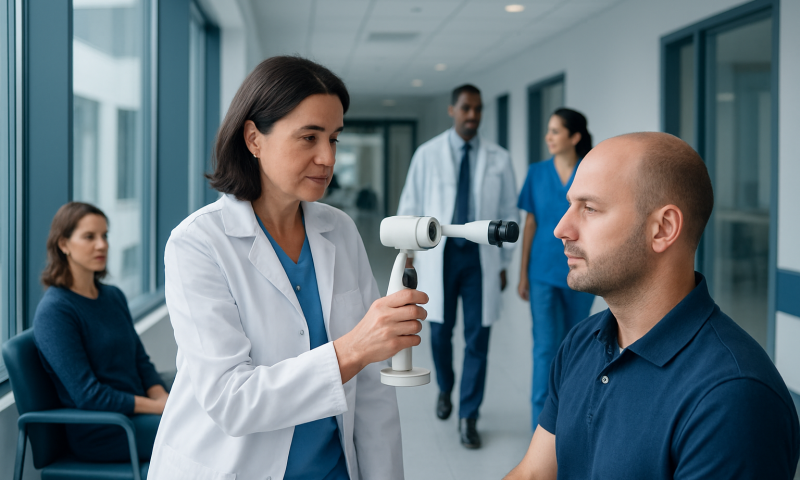
Proton Therapy Tumors: How It Works, Results and What to Expect

Proton therapy is radiation treatment, not surgery, and it is usually delivered on an outpatient basis. Its main physical advantage is that protons can deposit most of their energy in the tumor and have little to no exit dose beyond the target.
Key Takeaways
- Proton therapy is radiation treatment, not surgery, and it is usually delivered on an outpatient basis.
- Its main physical advantage is that protons can deposit most of their energy in the tumor and have little to no exit dose beyond the target.
- Not every cancer benefits equally from proton therapy; careful planning by a multidisciplinary cancer team is essential.
- Treatment commonly involves a planning phase followed by daily sessions over several days or weeks, depending on the diagnosis.
- Side effects vary by the body area treated and can develop gradually during treatment or shortly afterward.
- Ongoing follow-up remains important to assess response, manage side effects and monitor long-term health.
Proton therapy tumors treatment is a form of external-beam radiation that uses proton particles to deliver radiation to a planned depth in the body. It may be especially helpful when a tumor is close to sensitive structures, but suitability depends on the cancer type, location, stage, prior treatment and overall treatment goals.
Overview: what proton therapy for tumors means
Proton therapy tumors treatment is an advanced type of radiation therapy used to damage cancer cells and limit their ability to grow. Instead of using X-rays, as in conventional photon radiation, it uses positively charged particles called protons. The treatment is painless while it is being delivered and does not make a person radioactive.
The key feature of proton therapy is how the radiation dose is deposited. Protons release most of their energy at a calculated depth, known as the Bragg peak, and then stop. This can reduce radiation exposure beyond the tumor and may help protect nearby organs in carefully selected situations.
Proton therapy is one option within modern cancer care rather than a universal replacement for other radiation techniques. For some tumors, highly conformal photon radiotherapy, surgery, systemic treatment or a combination of approaches may be equally appropriate. The most suitable plan is based on an individualized review by radiation oncology and other relevant specialists.
How proton therapy works
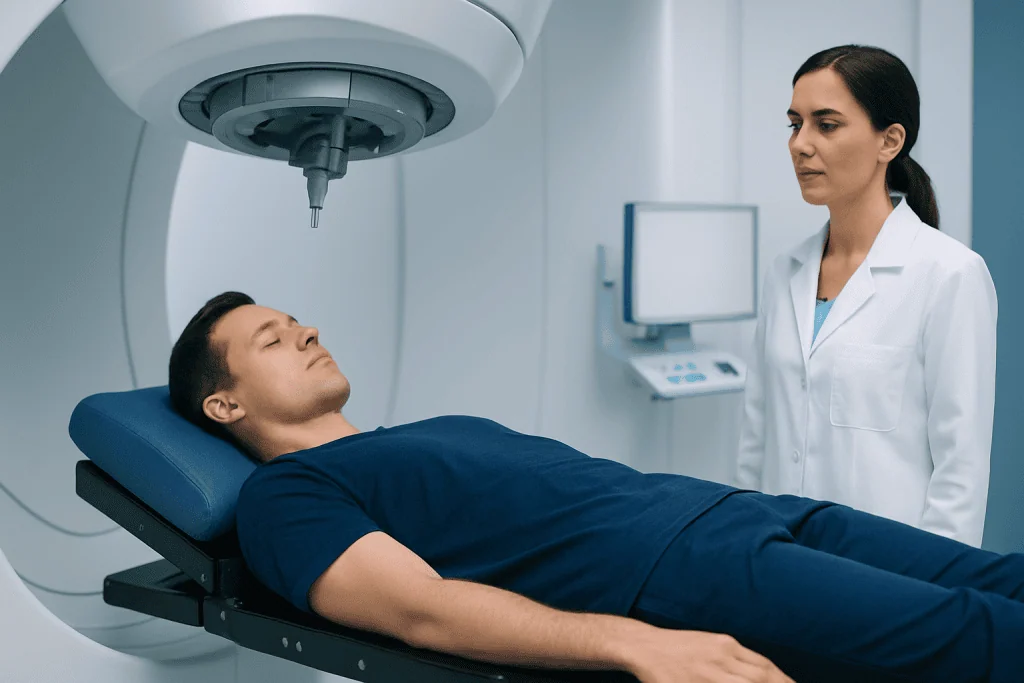
Before treatment, the radiation oncology team defines the treatment target using imaging such as CT, MRI or PET scans when appropriate. The target may include the visible tumor, the surgical tumor bed, nearby lymph nodes or a margin around these areas to account for microscopic disease and normal movement within the body.
A proton therapy machine accelerates protons to high energy and directs them into the body from carefully planned angles. Modern delivery methods can shape and layer the radiation dose through the tumor volume. Sophisticated planning software calculates how to cover the target while respecting dose limits for nearby healthy tissues.
In practice, proton therapy requires close attention to anatomy that can change from day to day. Breathing, weight changes, filling of the bladder or bowel, and tumor response can affect where the protons stop. The team may use daily imaging, immobilization devices, breath-hold techniques or plan adjustments to maintain accuracy.
The potential reduction in radiation exposure to healthy tissue is most meaningful when important structures lie close to the target. Examples can include the brain, spinal cord, eyes, hearing structures, heart, lungs, bowel, kidneys and reproductive organs. Whether this physical advantage translates into a meaningful clinical benefit differs among cancer types and individuals.
Who may be a candidate for proton therapy
Proton therapy may be considered for tumors in locations where avoiding radiation to nearby normal tissue is particularly important. It is often evaluated for selected pediatric cancers, tumors of the brain or skull base, certain head and neck cancers, eye tumors, some cancers near the spine, and selected tumors of the chest, abdomen or pelvis. It may also be discussed for some people receiving radiation again in an area treated previously.
Candidacy is not determined by diagnosis alone. Radiation oncologists consider the tumor’s size, shape, stage and location; whether it has spread; prior surgery, chemotherapy or radiation; a person’s general health; and the intent of treatment. Treatment may be curative, delivered after surgery to lower recurrence risk, used with other therapies, or focused on symptom control.
For many common cancers, advanced photon techniques may provide excellent tumor coverage and safe normal-tissue doses. A planning comparison may sometimes be performed to determine whether proton therapy offers a meaningful advantage. Patients benefit from asking what the expected goals are, what alternatives exist, and which side effects the proposed technique is designed to reduce.
Proton therapy is delivered by a specialized radiation oncology team and may be coordinated with surgery, medical oncology, pathology, diagnostic imaging, rehabilitation and supportive care. Related cancer pathways may include evaluation for brain tumors or other site-specific conditions when clinically relevant.
What happens before and during treatment
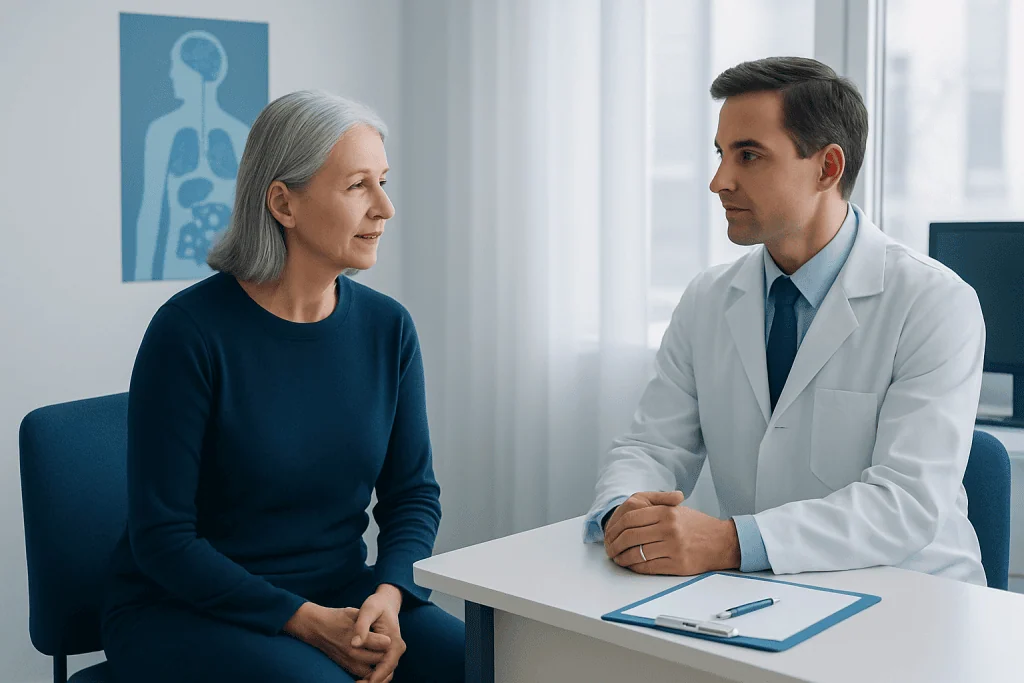
The process starts with a consultation. The radiation oncologist reviews medical records, pathology findings, imaging, symptoms and prior treatments. The person can discuss expected benefits, possible side effects, alternatives and practical considerations. Additional scans or specialist assessments may be needed before a final recommendation is made.
During simulation, the team creates a reproducible treatment position. Depending on the treatment area, this may involve a custom mask for the head and neck, a body mold, cushions or other supports. A planning CT scan is performed, often alongside MRI or PET images that are matched to the scan for precise target definition. Small skin marks may be used to support daily positioning.
Radiation oncologists, medical physicists and dosimetrists then create and verify a treatment plan. This process can take time because it involves detailed quality and safety checks. Once treatment begins, most sessions last a short time, although positioning and imaging generally take longer than the actual radiation delivery.
Sessions are usually given on weekdays for a schedule set by the cancer type and treatment purpose. The person lies still while the machine moves around the treatment area. Staff monitor from another room and can communicate throughout the session. Proton therapy itself is noninvasive, and most people return home after each visit. When appropriate, patients can learn more about proton therapy treatment as part of a broader radiation oncology discussion.
Benefits, limitations and possible risks
The principal potential benefit of proton therapy is more controlled dose distribution. By reducing radiation beyond the target, it may lower exposure to certain healthy tissues and may be valuable where long-term side effects are a particular concern, including in children and younger adults. It can also be useful when tumors are close to structures that have limited tolerance for radiation.
However, proton therapy still delivers radiation and can cause side effects in the tissues within or near the treatment field. Short-term effects may include tiredness, skin redness or irritation, hair loss in the treated area, swelling, and site-specific symptoms such as sore throat, nausea, diarrhea, urinary changes or temporary worsening of local symptoms. The likelihood and severity depend strongly on the body area treated and other therapies received.
Some effects occur months or years later and may include scarring, stiffness, hormonal changes, organ-function changes, nerve effects or a small risk of a new cancer caused by radiation. These risks are individualized and should be reviewed before treatment. Proton therapy may reduce dose to some normal tissues, but it cannot eliminate all treatment-related risks.
There are also practical limitations. Treatment requires highly precise setup, and anatomical changes can require re-imaging or replanning. Some tumors move with breathing or digestion, making careful motion management essential. Evidence supporting proton therapy is strongest for certain clinical situations, while for others research continues to clarify how it compares with modern photon radiation.
Recovery timeline and self-care during treatment
There is usually no immediate recovery period after an individual proton therapy session. Many people continue normal daily activities, although treatment appointments and travel can be tiring. Fatigue often builds gradually over the course of radiation and may persist for several weeks after the final session.
Side effects often depend on the treatment site and can begin during the second or third week of a longer course. The cancer team checks progress regularly and can recommend symptom relief, nutrition support, skin care, pain management or referral to other specialists. It is important not to use creams, supplements or non-prescription medicines on the treatment area without asking the care team first.
Helpful self-care generally includes resting as needed, maintaining hydration, choosing nourishing foods that are manageable for symptoms, protecting treated skin from friction and sun exposure, and keeping all review appointments. The care team may provide more specific instructions, such as mouth care for head and neck treatment or bowel and bladder preparation for pelvic treatment.
After treatment, follow-up visits and imaging are scheduled according to the cancer type. Radiation effects and tumor response may take time to become clear, so follow-up is a planned part of care rather than an indication that treatment has failed. If rehabilitation is needed, services such as cancer rehabilitation may support function, strength and quality of life.
When to seek medical care
A person receiving proton therapy should contact the treatment team promptly for new or worsening symptoms, especially symptoms that interfere with eating, drinking, sleep, mobility or daily activities. The team should also be informed about fever, signs of infection, persistent vomiting, uncontrolled pain, significant bleeding, severe diarrhea, dehydration, rapidly worsening skin reactions or unexpected changes in mental function.
Urgent medical assessment is appropriate for severe shortness of breath, chest pain, sudden weakness, confusion, seizures, heavy bleeding, a serious allergic-type reaction or any symptom that feels life-threatening. People should use local emergency services when needed rather than waiting for a routine oncology appointment.
New symptoms after treatment do not always mean that cancer has returned; they may relate to radiation effects, other treatments or unrelated health conditions. Nonetheless, timely reporting helps clinicians assess the cause and offer appropriate care. Acibadem International’s multidisciplinary specialists and JCI-accredited hospitals provide evaluation and treatment planning for international patients who may be considering proton therapy.
Frequently asked questions
Is proton therapy better than standard radiation for all tumors?
No. Proton therapy has a distinct physical dose pattern that can reduce radiation beyond the tumor, but this does not mean it is automatically the best option for every cancer. The appropriate technique depends on the tumor location, nearby organs, treatment goals, available evidence and the individual treatment plan.
How long does proton therapy for tumors take?
The number of sessions varies widely by cancer type and whether treatment is intended to cure cancer, reduce recurrence risk after surgery, or relieve symptoms. Many plans involve weekday treatments over several weeks, while some situations use shorter courses. The radiation oncologist can explain the expected schedule after planning is complete.
Does proton therapy hurt?
The radiation delivery itself is not felt and is generally painless. Remaining still in the treatment position may be uncomfortable for some people, particularly if they already have pain or anxiety. The team can help with positioning and supportive measures.
Will a person be radioactive after proton therapy?
No. External-beam proton therapy does not leave radiation in the body. It is safe to be around family members, children and pregnant people after a treatment session unless the medical team has given separate instructions for another treatment.
What side effects can proton therapy cause?
Side effects depend mainly on the part of the body receiving radiation, the total dose and whether other treatments are used. Fatigue and skin changes are common possibilities, while other effects may involve the digestive system, urinary system, mouth and throat, lungs, brain or other organs near the treatment field. The care team reviews expected effects before treatment and monitors them throughout.
Can proton therapy be used after previous radiation?
In selected cases, proton therapy may be considered for re-irradiation because limiting dose to previously treated normal tissues can be important. Re-irradiation is complex and carries meaningful risks, so it requires detailed review of prior radiation plans, current imaging and overall health. A specialized radiation oncology team can determine whether it is appropriate.
References
- National Cancer Institute
- American Society for Radiation Oncology
- American Cancer Society
- European Society for Radiotherapy and Oncology
- International Atomic Energy Agency
This article is for general information only and is not a substitute for professional medical advice. Please consult a qualified doctor about your individual situation.
Oncology care in Turkey — second opinion and treatment plan
JCI-accredited · board-certified surgeons · reply within 24h