Radiation Fibrosis: How It Works, Results and What to Expect

Radiation fibrosis is a late effect of radiotherapy, caused by tissue healing that becomes excessive or persistent. It may affect the skin, soft tissues, muscles, lungs, bowel, bladder or other structures within the treated area.
Key Takeaways
- Radiation fibrosis is a late effect of radiotherapy, caused by tissue healing that becomes excessive or persistent.
- It may affect the skin, soft tissues, muscles, lungs, bowel, bladder or other structures within the treated area.
- Symptoms depend on location and can include tightness, pain, reduced movement, breathlessness, cough or changes in bowel and bladder function.
- Established scar tissue is usually not fully reversible, but many symptoms can be improved or stabilised with tailored care.
- New or worsening symptoms after radiotherapy should be assessed to exclude infection, recurrence and other treatable causes.
Radiation fibrosis is the formation of firm scar tissue that can develop months or years after radiotherapy. It cannot always be removed, but early assessment, rehabilitation and treatment of specific symptoms can help preserve comfort, movement and organ function.
Radiation Fibrosis Overview: How It Works
Radiation fibrosis is a delayed change in body tissues after radiotherapy. Radiation is used to damage cancer cells, but nearby healthy cells can also be affected. In some people, the healing response continues for longer than needed, leading to an increase in collagen, the protein that gives scar tissue its strength.
This process can make tissue less flexible, thicker or tighter. It may develop in the skin and tissues under the skin, muscles, nerves, lungs, breast or chest wall, head and neck structures, bowel, bladder, or other organs that received radiation. The location, radiation dose, treatment field and a person’s individual health all influence the likelihood and severity of fibrosis.
Fibrosis is different from many early radiotherapy effects, such as temporary skin redness or fatigue. Early effects often settle within weeks, whereas fibrosis generally appears months to years later and may change gradually. It is important to remember that not every long-term symptom after cancer treatment is radiation fibrosis; assessment can identify the most likely cause.
Symptoms and Results of Radiation Fibrosis
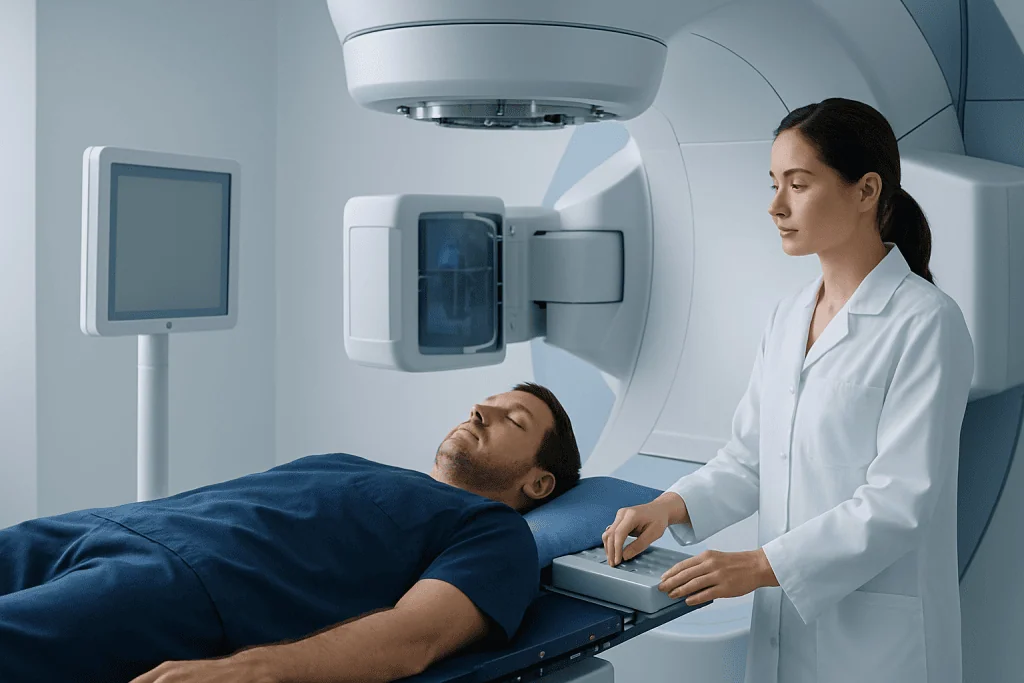
The results of radiation fibrosis vary considerably. In the skin and soft tissues, there may be firmness, tightness, thickened skin, sensitivity, swelling, pain or reduced range of movement. Fibrosis around the shoulder, neck, jaw, chest wall or pelvis can make everyday activities more difficult if muscles and connective tissues become less elastic.
When radiation affects the chest, fibrosis may involve part of the lung. Possible symptoms include a persistent dry cough, shortness of breath during activity, chest discomfort or reduced exercise tolerance. Some small areas of lung fibrosis cause no noticeable symptoms and are found only on follow-up imaging.
Fibrosis in the head and neck may contribute to difficulty opening the mouth, swallowing or moving the neck. In the pelvis, it may be associated with bowel, bladder, sexual or pelvic pain symptoms. The care plan should focus on the affected area, the person’s symptoms and whether daily function is changing.
- Changes can be mild and stable or more functionally significant.
- Symptoms may overlap with recurrence of cancer, infection, inflammation or unrelated health conditions.
- Prompt evaluation is especially important when symptoms are new, progressive or unexplained.
Does Radiation Fibrosis Get Worse?

Radiation fibrosis can progress slowly in some people, particularly during the first few years after treatment, but it does not inevitably worsen for everyone. The scar-forming process may eventually stabilise, and symptoms may remain mild. The course depends on the tissue treated, the extent of exposure, other treatments such as surgery or chemotherapy, smoking status, existing lung or vascular disease, and individual healing responses.
Progressive tightness, declining movement, worsening breathlessness or increasing pain should not simply be assumed to be fibrosis. Clinicians may arrange imaging, lung function testing, blood tests or other assessments to look for treatable causes. Early rehabilitation and symptom management may help reduce the impact of stiffness and loss of function.
Regular follow-up with the oncology team or another relevant specialist allows symptoms to be monitored over time. Keeping a simple record of when symptoms occur, what makes them better or worse, and how they affect activities can help guide care.
Candidacy and Diagnosis: Who Needs Assessment?
Anyone who has received radiotherapy and develops persistent symptoms in or near the treatment area may benefit from medical review. Radiation fibrosis is more likely when larger volumes of normal tissue were exposed, higher radiation doses were needed, surgery was performed in the same area, or there are pre-existing conditions affecting healing. However, risk factors do not mean that fibrosis will definitely occur.
Diagnosis is based on a careful medical history, examination and review of the previous radiotherapy plan when available. Depending on the affected body area, investigations may include ultrasound, CT, MRI, lung function tests, swallowing assessment, endoscopy or laboratory tests. Imaging can show patterns of scarring, but it is interpreted alongside symptoms and prior treatment history.
The clinical team also needs to distinguish fibrosis from active cancer, infection, blood clots, heart disease, medication effects and other causes of symptoms. This step is particularly important for breathlessness, new pain, weight loss, bleeding, fever or rapidly changing symptoms.
Radiation Fibrosis Treatment: Step-by-Step Care
There is no single procedure that cures all forms of radiation fibrosis. Treatment is personalised and begins with defining which tissues are affected and which symptoms most limit quality of life. The practical goal is often to improve function, control symptoms, prevent complications and monitor for change rather than promise removal of established scarring.
Care commonly starts with a specialist evaluation, review of imaging and a functional assessment. The team may then recommend physiotherapy, stretching and strengthening, occupational therapy, massage or other supervised techniques for tight soft tissues. For swallowing, speech and language therapy may be useful; for pelvic symptoms, pelvic-floor rehabilitation may be considered. Treatment for radiotherapy-related effects should be coordinated with the person’s cancer follow-up plan.
Medicines may be used for specific concerns such as pain, muscle spasm, cough, airway symptoms, reflux or inflammation, depending on the clinical situation. Some people may be considered for selected treatments aimed at soft-tissue injury, including hyperbaric oxygen in particular circumstances, but suitability and evidence differ by body site. Procedures or surgery are reserved for selected complications, such as a significant narrowing, wound problem or severe functional limitation.
A multidisciplinary approach may involve radiation oncology, medical oncology, pulmonology, rehabilitation medicine, physiotherapy, pain medicine, surgery, gastroenterology, urology or other specialists. Acibadem International’s multidisciplinary specialists and JCI-accredited hospitals can assess and treat radiotherapy-related complications for international patients.
Recovery Timeline, Benefits and Risks of Management
Recovery from radiation fibrosis management is usually gradual. A rehabilitation programme may require several weeks or months of regular exercises and follow-up before changes in flexibility, endurance or daily function become clear. Symptoms may improve even when scar tissue itself remains visible on imaging or can still be felt on examination.
The potential benefits of treatment include better mobility, less discomfort, improved breathing efficiency, safer swallowing, greater independence and a clearer understanding of what to monitor. Progress often depends on consistent participation in an individualised plan. Clinicians may adjust the plan as symptoms and functional goals change.
Risks depend on the treatment selected. Exercises and manual therapies should be prescribed carefully because overly forceful stretching may worsen pain or damage fragile tissue. Medicines can cause side effects or interact with other treatments. Procedures, including surgery, carry their own risks and may heal differently in previously irradiated tissue, so decisions require an experienced team and a balanced discussion of expected benefit.
How to Heal Radiation Fibrosis and Can You Reverse Fibrosis Scarring?
Established radiation fibrosis generally cannot be completely reversed because mature scar tissue does not behave like normal tissue. However, this does not mean that nothing can be done. Many people can improve their symptoms, movement, stamina and ability to manage daily activities through targeted rehabilitation, treatment of contributing problems and regular follow-up.
“Healing” in this setting usually means protecting function and reducing the effect of fibrosis rather than erasing all scarring. A personalised programme may include gentle daily mobility work, posture and breathing exercises, skin care where appropriate, nutrition support and treatment for pain or other symptoms. A therapist should advise on exercises for the specific body area involved.
Smoking cessation is particularly important for people with lung symptoms because smoking can further impair lung health and tissue healing. Maintaining activity within safe limits, attending scheduled cancer follow-up visits and discussing changes early can support long-term wellbeing. People should avoid unproven supplements or aggressive treatments marketed as scar reversal without discussing them with their medical team.
What Is the Average Life Expectancy for Someone With Radiation Fibrosis of the Lungs?
There is no single average life expectancy for a person with radiation fibrosis of the lungs. Outlook depends on how much lung tissue is affected, whether fibrosis is stable or progressing, baseline lung and heart health, the original cancer and its current status, smoking history, and other medical conditions. Small, stable areas of scarring may have little or no effect on life expectancy.
More extensive lung involvement can affect breathing and exercise capacity, but clinicians cannot estimate prognosis accurately from the label “radiation fibrosis” alone. Lung function tests, oxygen levels, CT findings, symptom pattern and overall health provide more meaningful information. A pulmonologist and radiation oncologist can explain what the findings mean for an individual person.
New breathlessness should always be assessed rather than attributed to scarring without review. Causes such as infection, pulmonary embolism, heart problems, recurrent cancer or treatable airway disease may require different care and can sometimes be urgent.
When to Seek Medical Care
A person should contact their oncology team or doctor if they notice increasing tightness, pain, swelling, skin breakdown, reduced movement, persistent cough, worsening breathlessness, swallowing difficulty, bowel or bladder changes, or symptoms that interfere with daily life. These concerns deserve assessment even if radiotherapy was completed years earlier.
Urgent medical care is needed for severe or sudden shortness of breath, chest pain, coughing up blood, fainting, new confusion, high fever, significant bleeding, or rapidly worsening weakness. These symptoms may have causes other than radiation fibrosis and should be evaluated promptly.
Follow-up is also appropriate for emotional concerns. Long-term effects of cancer treatment can be frustrating and may affect confidence, work and relationships. Discussing these experiences with the care team can help connect patients with rehabilitation, symptom support and mental health resources when needed.
Frequently asked questions
What is radiation fibrosis?
Radiation fibrosis is excessive scarring in tissues that have received radiotherapy. It can arise months or years after treatment and may affect the skin, muscles, lungs or organs within the radiation field. Its impact ranges from mild tightness to more significant changes in function.
How soon after radiotherapy can radiation fibrosis develop?
Radiation fibrosis usually develops later than short-term radiation side effects. It may begin months after treatment and can become noticeable years later. The timing and severity differ from person to person.
Does radiation fibrosis get worse?
It may worsen gradually in some people, especially early in its course, but it can also remain stable. New or progressive symptoms should be reviewed because they may have another cause that needs treatment. Regular follow-up helps clinicians monitor change and adjust management.
Can you reverse fibrosis scarring?
Mature fibrosis scarring is not usually fully reversible. Nevertheless, rehabilitation, symptom-focused treatment and management of related problems can often improve comfort, movement, breathing or everyday function. The best approach depends on the body area involved.
How is radiation fibrosis of the lungs treated?
Management begins with confirming the cause of symptoms and assessing lung function. Depending on the findings, care may include pulmonary rehabilitation, breathing strategies, treatment for cough or other conditions, smoking cessation support and monitoring. A specialist may recommend additional treatment when there is an associated complication.
What is the average life expectancy for someone with radiation fibrosis of the lungs?
There is no reliable single average because outcomes vary greatly. Limited, stable scarring may not meaningfully affect life expectancy, while more extensive disease requires individual assessment. The person’s cancer status, lung function, heart health and other conditions are all important.
References
- National Cancer Institute
- American Cancer Society
- American Society for Radiation Oncology
- European Society for Radiotherapy and Oncology
- National Heart, Lung, and Blood Institute
This article is for general information only and is not a substitute for professional medical advice. Please consult a qualified doctor about your individual situation.
Oncology care in Turkey — second opinion and treatment plan
JCI-accredited · board-certified surgeons · reply within 24h