Recent Advances in Breast Cancer Treatment: How It Works, Results and What to Expect

Breast cancer treatment is increasingly guided by tumor subtype, biomarkers, stage and genomic testing rather than by one standard approach. Targeted therapies, immunotherapy and antibody-drug conjugates may improve outcomes for selected people, especially in certain HER2-positive or triple-negative cancers.
Key Takeaways
- Breast cancer treatment is increasingly guided by tumor subtype, biomarkers, stage and genomic testing rather than by one standard approach.
- Targeted therapies, immunotherapy and antibody-drug conjugates may improve outcomes for selected people, especially in certain HER2-positive or triple-negative cancers.
- Modern surgery and radiation techniques can often preserve more normal tissue while maintaining effective cancer control.
- Not every new treatment is appropriate for every breast cancer; eligibility depends on careful pathology and oncology assessment.
- Clinical trials remain an important way to access and evaluate emerging treatments under specialist supervision.
Recent advances in breast cancer treatment focus on matching treatment intensity and type to the biology and stage of each person’s cancer. Progress in targeted medicines, immunotherapy, antibody-drug conjugates, refined surgery and radiation planning is helping many patients receive more individualized care while protecting quality of life.
Overview: how breast cancer treatment is changing
Recent advances in breast cancer treatment are making care more precise, rather than simply more intensive. Doctors now combine information from imaging, biopsy results, tumor stage, hormone receptor status, HER2 status, inherited-risk assessment when appropriate, and sometimes genomic tests to create a treatment plan that fits the individual cancer.
For many people, treatment involves more than one approach. Surgery removes the known tumor, radiation treats areas at risk of remaining microscopic disease, and medicines such as endocrine therapy, chemotherapy, targeted therapy or immunotherapy address cancer cells that may be elsewhere in the body. The timing of these treatments may differ: medication may be given before surgery, after surgery, or both.
Advances do not mean that one treatment works for all breast cancers. They mean that specialists can increasingly identify who is likely to benefit from a particular treatment and who may safely avoid an intervention that is unlikely to help. A multidisciplinary team usually includes breast surgeons, medical oncologists, radiation oncologists, radiologists, pathologists, genetic specialists and supportive-care professionals.
How newer breast cancer treatments work
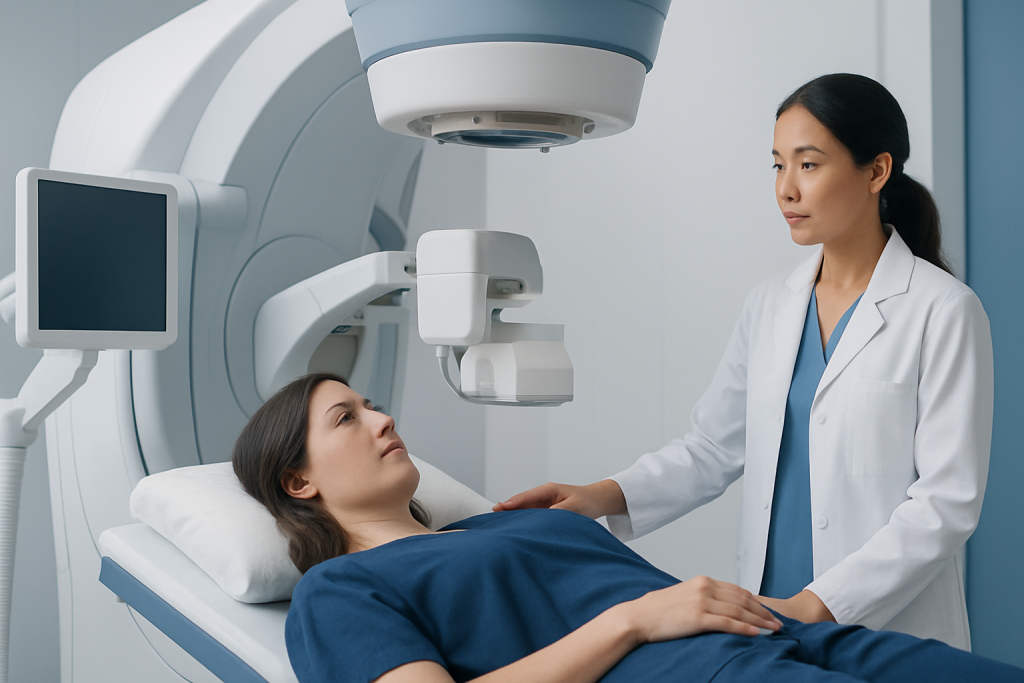
Breast cancer is commonly classified by whether cancer cells have estrogen or progesterone receptors, excess HER2 protein or gene activity, or neither. Hormone receptor-positive cancers may respond to endocrine therapy, which blocks hormonal stimulation of cancer cells. HER2-positive cancers may respond to medicines that target HER2, while triple-negative breast cancer may be treated with chemotherapy and, in selected settings, immunotherapy or other targeted medicines.
Antibody-drug conjugates are an important area of progress. These medicines use an antibody to recognize a feature on cancer cells and deliver a potent anti-cancer drug more directly to those cells. They are used in certain early-stage and metastatic settings depending on the tumor’s characteristics and prior treatments, but they can still cause significant side effects and need close monitoring.
Immunotherapy helps the immune system recognize and attack cancer cells. It is not suitable for every breast cancer, but it can be part of treatment for selected triple-negative cancers, particularly in higher-risk early disease or advanced disease. Other advances include medicines that target pathways involved in cell growth or DNA repair, such as CDK4/6 inhibitors, PARP inhibitors for some people with inherited BRCA mutations, and PI3K-pathway treatments in selected advanced hormone receptor-positive cancers.
Specialists may also use genomic assays in some early hormone receptor-positive, HER2-negative cancers to estimate whether chemotherapy is likely to add meaningful benefit. These tests support, rather than replace, decisions based on pathology, lymph-node findings, tumor size, overall health and patient preferences.
Who may be a candidate for newer approaches?

Candidacy depends on the type and extent of breast cancer, not on age alone. A biopsy provides key information about hormone receptors and HER2 status, while scans and surgical findings help establish the stage. In metastatic breast cancer, additional tumor testing may be recommended because biomarkers can help identify appropriate targeted treatments.
Newer treatments may be considered before surgery when the cancer is larger, involves lymph nodes, has aggressive biological features, or when shrinking the tumor could make breast-conserving surgery possible. Treatment before surgery is called neoadjuvant therapy. The response can also help guide treatment after surgery, particularly for some HER2-positive and triple-negative cancers.
After surgery, adjuvant treatment aims to lower the chance that cancer will return. The exact plan may include radiation, endocrine therapy, chemotherapy, anti-HER2 therapy or other medicines. In some lower-risk situations, modern testing and clinical evidence may allow chemotherapy to be omitted safely.
People with a strong personal or family history of breast, ovarian, pancreatic or prostate cancer may benefit from genetic counseling and testing. Results can affect surveillance, surgical discussions and the choice of certain medicines. A specialist should explain what a result can and cannot mean for the patient and relatives.
What to expect: a step-by-step treatment pathway
Care usually begins with diagnostic imaging and a core needle biopsy. A pathology report identifies the cancer type and biomarkers. Additional imaging, blood tests or staging scans may be needed depending on the diagnosis and symptoms. The team then discusses the case and recommends a personalized sequence of treatment.
If surgery comes first, the operation may be breast-conserving surgery (lumpectomy) or mastectomy. Sentinel lymph node biopsy is often used to assess whether cancer has reached nearby lymph nodes while limiting unnecessary lymph-node removal. Reconstruction may be performed at the same time as mastectomy or at a later stage. Patients can discuss options through breast cancer treatment planning.
If medicine is given first, treatment is delivered in cycles over several months, with regular examinations, laboratory testing and sometimes imaging to monitor response. Surgery follows once the planned systemic treatment is complete. Radiation and additional medication may then be recommended according to the final pathology results.
For advanced or metastatic disease, care is generally centered on systemic therapy. Doctors monitor symptoms, imaging, laboratory results and treatment tolerance over time. Treatment can be adjusted if the cancer changes, if side effects become difficult, or if new biomarker information identifies another suitable option.
Benefits, risks and recovery timeline
The main benefit of personalized treatment is that it can improve the balance between cancer control and treatment burden. For example, some people may avoid chemotherapy when testing suggests little expected benefit, while others may receive added targeted treatment because their cancer has features associated with a higher risk of recurrence. Modern radiation planning can also reduce exposure to nearby normal tissues.
Each treatment has potential risks. Surgery can cause pain, infection, bleeding, scarring, changes in breast sensation, shoulder stiffness or lymphedema. Chemotherapy may cause fatigue, nausea, infection risk, hair loss, numbness or tingling, and effects on fertility. Targeted drugs and immunotherapy have their own possible effects, including heart, lung, liver, skin, hormone-related or immune-related complications depending on the medicine.
Recovery is individual. Many people return to light daily activities within days to a few weeks after breast surgery, although full recovery and adjustment to range-of-motion exercises may take longer. Radiation is commonly given over days or weeks and can cause temporary skin changes and fatigue. Systemic treatments often require ongoing visits and monitoring over months or, for endocrine therapy, longer periods.
Patients should promptly report fever, shortness of breath, chest pain, severe diarrhea, sudden swelling, uncontrolled vomiting, new severe pain or concerning skin reactions during treatment. Early management can often reduce the impact of side effects and help treatment continue safely.
What is the latest breakthrough in breast cancer?
There is no single latest breakthrough that applies to every form of breast cancer. Important recent progress includes antibody-drug conjugates, more effective combinations of targeted medicines, immunotherapy for selected triple-negative cancers, and improved use of treatment before surgery to assess how a tumor responds.
Another major advance is the growing ability to use tumor biology to guide decisions. Biomarker testing and genomic assays can help identify treatment sensitivity and estimate recurrence risk in some groups. This supports more personalized choices about chemotherapy, endocrine therapy and targeted therapy.
Research is continuing in areas such as medicines for cancers with low HER2 expression, treatments aimed at specific gene changes, blood-based monitoring tests, and strategies to overcome drug resistance. A patient’s oncology team can explain whether any established new option or clinical trial is relevant to their diagnosis.
What does the 62-day rule mean for cancer treatment?
The 62-day rule is a United Kingdom National Health Service waiting-time standard, not a treatment method or a biological rule about cancer. It generally refers to a target for a patient with suspected cancer to begin first definitive treatment within 62 days of an urgent referral.
Healthcare systems use waiting-time standards to encourage timely investigation and treatment. The exact pathway, timing targets and referral processes vary between countries and regions. A diagnosis of breast cancer should be assessed promptly, but the appropriate treatment start date also depends on completing accurate testing, staging and specialist planning.
People who are worried about a breast change should not wait for a particular timeline to seek advice. They should contact a qualified clinician for assessment, especially if a lump, skin change, nipple change or unexplained discharge is present.
Are we getting closer to a cure for breast cancer?
Many early-stage breast cancers can already be treated with curative intent, and treatment outcomes have improved through screening, earlier diagnosis and better therapies. However, breast cancer is not one disease: different subtypes behave differently, and some cancers can recur despite appropriate treatment.
Research is moving closer to more reliable prevention of recurrence and longer-term control of advanced breast cancer. Better understanding of tumor biology is allowing doctors to select treatments more carefully and develop therapies for cancers that previously had fewer options.
For metastatic breast cancer, treatment is usually focused on controlling the disease, prolonging life and maintaining quality of life. Some people experience long periods of stable disease. Open communication with the oncology team helps patients understand the aim of treatment in their own situation.
What new cancer drug has 100% success?
No cancer drug has 100% success across breast cancer or across cancer generally. Individual reports of exceptional responses can be encouraging, but they do not mean that the same treatment will work for everyone. Treatment results depend on cancer type, stage, biomarkers, prior therapies, overall health and many other factors.
New medicines are carefully studied in clinical trials to measure benefits and harms in groups of patients. A clinician can help interpret trial results, including what the findings mean for response rates, recurrence risk, survival and side effects. Claims of guaranteed success should be viewed cautiously.
When a new medicine may be appropriate, the oncology team will explain the expected goal of treatment, alternatives, monitoring requirements and possible risks. Shared decision-making allows the patient’s values and priorities to be included in the plan.
When to seek medical care
A person should arrange medical assessment for a new breast or underarm lump, persistent breast pain in one area, a change in breast size or shape, dimpling or thickening of the skin, a new inverted nipple, a rash around the nipple, or spontaneous bloody or clear nipple discharge. Most breast changes are not cancer, but evaluation is important.
Anyone already receiving breast cancer treatment should contact their care team promptly for symptoms that may signal infection, a blood clot, an allergic reaction or a serious medication effect. Emergency care is appropriate for severe breathing difficulty, chest pain, fainting, sudden neurological symptoms or uncontrolled bleeding.
For international patients, Acibadem International’s multidisciplinary specialists and JCI-accredited hospitals can assess breast symptoms and coordinate individualized treatment plans. Information on breast cancer can help patients understand diagnosis, staging and care discussions before meeting a qualified clinician.
Frequently asked questions
Can breast cancer treatment be personalized?
Yes. Treatment is increasingly personalized using the cancer stage, pathology, hormone receptor status, HER2 status, genetic findings when relevant, and the person’s general health and preferences. Personalization may affect the type, order and duration of surgery, radiation and medication.
Is immunotherapy used for all breast cancers?
No. Immunotherapy is used for selected breast cancers, most commonly certain triple-negative cancers. Whether it is suitable depends on the stage, biomarkers, previous treatment and the potential balance of benefit and side effects.
Can targeted therapy replace chemotherapy?
Sometimes targeted therapy is used alongside chemotherapy, and in other settings it may be used after or instead of chemotherapy. The choice depends on the cancer subtype and clinical setting. A medical oncologist can explain the role of each treatment in an individual plan.
How long does breast cancer treatment take?
The active treatment period may range from weeks to many months, depending on whether surgery, chemotherapy, radiation, targeted therapy or immunotherapy is needed. Endocrine therapy for hormone receptor-positive breast cancer is often continued for years. Follow-up care continues after active treatment ends.
Do all patients need a mastectomy?
No. Many people are candidates for breast-conserving surgery followed by radiation. Mastectomy may be recommended based on tumor size, the number and location of tumors, genetic risk, previous radiation, personal preference or other medical factors.
Should a person ask about clinical trials?
Yes, asking is reasonable, particularly when standard options are limited or when a trial may match the tumor’s biology. Clinical trials have specific eligibility criteria and potential benefits and risks. Participation is always voluntary and should be discussed with the oncology team.
References
- World Health Organization
- National Cancer Institute
- American Cancer Society
- European Society for Medical Oncology
- National Comprehensive Cancer Network
This article is for general information only and is not a substitute for professional medical advice. Please consult a qualified doctor about your individual situation.
Breast Cancer in Turkey — costs, top hospitals & a free quote
JCI-accredited · board-certified surgeons · reply within 24h
Add us as a Preferred Source to see more of our trusted health content across Google Search, AI Overviews and Discover.