Red Toes: A Complete Medical Overview

Red toes are a symptom rather than a diagnosis, and causes range from mild irritation to medical conditions that need treatment. Common explanations include friction, cold-related changes, dermatitis, fungal infection, chilblains, gout, and circulation problems.
Key Takeaways
- Red toes are a symptom rather than a diagnosis, and causes range from mild irritation to medical conditions that need treatment.
- Common explanations include friction, cold-related changes, dermatitis, fungal infection, chilblains, gout, and circulation problems.
- Warning signs include severe pain, spreading redness, fever, open sores, black or blue discoloration, numbness, or a toe that feels cold.
- Diagnosis often relies on the appearance of the toes, symptoms, medical history, and sometimes blood tests or circulation studies.
- Self-care may help with mild cases, but persistent, recurrent, or worsening toe redness should be assessed by a doctor.
Red toes can happen for many reasons, from minor friction and cold exposure to skin inflammation, infection, or circulation problems. The best treatment depends on the cause, especially whether redness comes with pain, swelling, itching, warmth, numbness, or skin changes.
Overview: what red toes can mean
Red toes usually mean that the skin or tissues of the toes are irritated, inflamed, infected, or reacting to changes in blood flow. In many people, the cause is minor, such as tight shoes, friction, dry skin, or a temporary response to cold. In others, toe redness may be linked to a skin condition, a fungal infection, an inflammatory disorder, or a problem with circulation.
Because red toes are a visible sign rather than a disease itself, the surrounding symptoms matter. Doctors look at whether the redness is new or long-lasting, whether it affects one toe or several, and whether it comes with itching, swelling, warmth, numbness, discoloration, cracks in the skin, or trouble walking. This broader picture helps narrow down the cause.
Toe redness can look very different from one person to another. Some people notice bright red patches after exercise or hot showers. Others develop red-purple toes after cold weather, or a red, swollen joint at the base of the big toe. Paying attention to these patterns can help guide the next steps and determine whether home care is reasonable or medical advice is needed.
Common causes of red toes
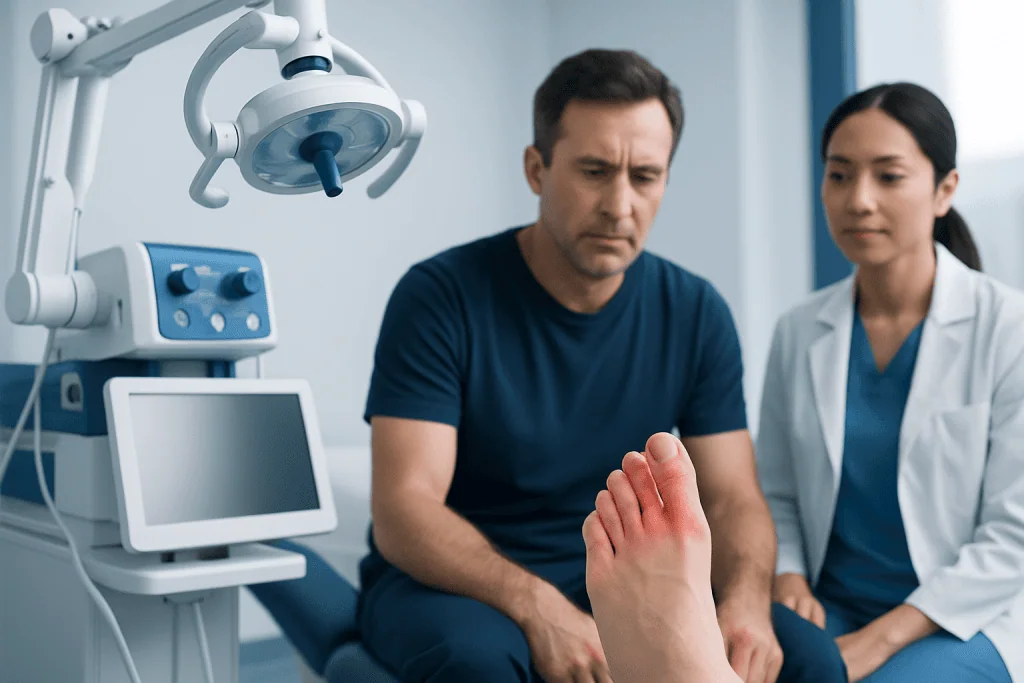
One of the most common reasons for red toes is simple irritation. Tight footwear, long walks, moisture trapped in socks, or repeated rubbing can inflame the skin. This type of redness often improves when pressure is reduced and the skin is kept clean and dry.
Skin conditions can also affect the toes. Eczema, contact dermatitis from soaps or footwear materials, and psoriasis may cause redness along with dryness, scaling, itching, or cracking. Fungal infections, including athlete’s foot, may spread to the toes and the spaces between them, leading to redness, peeling, and discomfort. Some cases overlap with broader skin inflammation such as eczema.
Cold-related conditions are another important cause. Chilblains, sometimes called pernio, can appear after exposure to cold and damp conditions. The toes may become red, purple, swollen, itchy, or tender as the small blood vessels react abnormally. In contrast, a sudden return of color after a period of cold, pale toes may be part of a circulation-related response.
Inflammatory and metabolic conditions can also present with toe redness. Gout may cause a painful, red, swollen joint, often in the big toe. Less commonly, arthritis, small-vessel inflammation, or autoimmune disease may be involved. If toe redness is persistent or associated with other symptoms elsewhere in the body, doctors may investigate more systemic causes.
Symptoms that help identify the cause

The appearance of red toes can offer useful clues. Bright, diffuse redness with soreness may suggest friction or pressure. Itchy red patches with dry or flaky skin are more consistent with dermatitis or fungal infection. Red-purple discoloration after cold exposure may point toward chilblains or another blood-flow-related issue.
Pain is especially important. A very tender, swollen big toe joint can suggest gout. Warmth, throbbing, and increasing redness may signal infection, particularly if the skin is broken or an ingrown toenail is present. Numbness, tingling, or a toe that alternates between pale, blue, and red may indicate a vascular problem that needs prompt assessment.
Other associated symptoms can include:
- Swelling or puffiness
- Itching or burning
- Scaling, peeling, or cracked skin
- Warmth to the touch
- Blisters or sores
- Pus near the nail
- Pain when walking or wearing shoes
- Color changes triggered by cold or stress
Symptoms that involve the nails can also help. Thickened, crumbly nails may support a fungal cause, while redness around the nail fold can occur with an ingrown nail or nail-fold infection. If the skin becomes dark blue, black, or severely pale, urgent medical review is important because this can signal poor blood supply.
Risk factors and underlying conditions
Several factors can make red toes more likely. Footwear is a frequent contributor. Shoes that are too tight, poorly ventilated, or not suited to activity can cause friction, pressure points, and moisture buildup. People who spend long hours standing, walking, or exercising may be more prone to irritation and inflammation in the toes.
Environmental exposure matters as well. Cold, damp conditions increase the chance of chilblains and other circulation-related color changes. Repeated wet-dry cycles can weaken the skin barrier and make irritation or infection more likely. At the other extreme, excess heat and sweating can contribute to rash and fungal overgrowth.
Some medical conditions increase the likelihood that toe redness reflects a deeper issue. Diabetes can affect both skin health and circulation, making it harder for small injuries to heal and easier for infections to develop. Vascular disorders, neuropathy, autoimmune disease, and inflammatory arthritis can all involve the toes. Problems such as peripheral artery disease may reduce blood flow and should be considered when redness is accompanied by coldness, pain with walking, or non-healing wounds.
People with a history of skin allergies, fungal infections, gout, or poor circulation may experience recurring symptoms. Smoking, high cholesterol, and some medications can also affect blood vessels and skin health. A doctor will usually assess these background factors when deciding whether red toes are harmless, recurrent, or a sign of a condition that needs treatment.
How doctors diagnose red toes
Diagnosis begins with a careful history and physical examination. A doctor will ask when the redness started, whether it appeared after cold exposure or new shoes, and whether there is pain, itching, fever, or skin breakdown. They will also look at the pattern of redness, the nails, the spaces between the toes, and pulses in the feet.
In many cases, examination is enough to identify the likely cause. If infection is suspected, the doctor may assess for warmth, swelling, pus, or tenderness. If a fungal condition is possible, a skin or nail sample may be taken for testing. If gout, autoimmune disease, or inflammation is suspected, blood tests may be useful.
When circulation problems are a concern, additional assessment may be needed. This can include pulse checks, blood pressure comparisons, or imaging of blood flow such as Doppler ultrasound. If the diagnosis is uncertain or symptoms are persistent, referral to a dermatologist, vascular specialist, podiatrist, or rheumatologist may be appropriate.
The goal is not only to name the cause of red toes but also to identify complications early. Doctors pay close attention to open wounds, severe swelling, rapidly spreading redness, or signs of reduced blood supply, especially in people with diabetes or known vascular disease.
Treatment options for red toes
Treatment depends entirely on the cause. For mild irritation from pressure or rubbing, changing footwear, reducing friction, resting the feet, and protecting the skin are often enough. If the skin is dry or inflamed, gentle moisturizers and avoidance of irritating products may help. Some people benefit from assessment in dermatology when symptoms are recurrent or diagnosis is unclear.
If a fungal infection is responsible, antifungal treatment may be recommended. If bacteria have caused a skin or nail infection, a doctor may advise local care or prescribe medication based on severity. For inflammatory conditions such as eczema or psoriasis, treatment may include medicated creams and skin-care measures. A painful swollen joint due to gout may require specific treatment after medical evaluation.
Cold-related red toes are usually managed by keeping the feet warm and dry, avoiding sudden temperature changes, and improving circulation with gentle movement. If there is concern about blood vessel spasm or reduced blood flow, doctors may investigate vascular causes and tailor treatment accordingly. In more complex cases, review by cardiovascular surgery or a vascular specialist may be considered if blood-flow problems are identified.
When red toes are part of a broader health problem, treatment focuses on that underlying condition. For example, improving blood sugar control in diabetes or addressing poor circulation can reduce repeated episodes and lower the risk of complications. Near the end of the care pathway, some international patients may choose centers such as Acibadem International, where multidisciplinary specialists in JCI-accredited hospitals diagnose and treat skin, vascular, and foot-related conditions.
Prevention and self-care
Daily foot care can reduce many common causes of red toes. Washing the feet gently, drying well between the toes, and changing socks when they become damp can help protect the skin. Shoes should fit comfortably, allow airflow, and match the activity. People who exercise regularly may need moisture-wicking socks and shoes with enough toe room.
Skin care is also important. Fragrance-free moisturizers can support dry or irritated skin, though creams should usually not be applied heavily between the toes where moisture can build up. Nails should be trimmed carefully to reduce the risk of ingrown nails and nail-fold infection. Walking barefoot in shared wet areas may increase fungal exposure, so sandals can be helpful in places such as pools or locker rooms.
People who develop redness in cold weather should keep their feet warm with dry socks and appropriate footwear. Sudden direct heat, such as placing cold feet immediately near a heater, is best avoided because it may worsen some cold-related reactions. Those with diabetes, nerve problems, or circulation concerns should inspect their feet regularly for color changes, cracks, or wounds, since they may not always feel early injury.
Self-care is best suited to mild symptoms that are clearly linked to irritation or weather and that improve quickly. Persistent redness, repeated flare-ups, or any sign of infection or poor blood flow should prompt a professional assessment rather than continued home treatment alone.
When to seek medical care
Medical advice is recommended if red toes do not improve within a few days, keep returning, or interfere with walking and daily activities. A doctor should also assess toe redness associated with swelling, marked tenderness, skin breakdown, discharge, or nail problems. These features can suggest infection, inflammation, or a structural issue that needs treatment.
Prompt medical care is important if there is fever, rapidly spreading redness, severe pain, loss of sensation, or a toe that becomes blue, black, or very pale. These symptoms can point to a serious infection or reduced blood flow. People with diabetes, weakened immunity, or known vascular disease should seek evaluation earlier because foot complications can develop more quickly.
If the cause is uncertain, professional assessment can help prevent unnecessary treatment and identify the right specialty when needed. Red toes may be simple to manage, but they can also be an early clue to skin disease, gout, or circulation problems that benefit from timely care.
Frequently asked questions
Are red toes always a sign of poor circulation?
No. Red toes can result from many causes, including friction, dermatitis, fungal infection, cold exposure, and joint inflammation. Circulation problems are one possibility, especially if the toes are also cold, numb, painful, or changing color.
Can cold weather cause red toes?
Yes. Cold and damp exposure can trigger chilblains, which often cause red or purple, itchy, swollen toes. Symptoms usually improve with gentle warming and protection from further cold, but persistent or severe cases should be checked by a doctor.
What is the difference between red toes and a toe infection?
An infected toe is more likely to feel warm, tender, swollen, and increasingly painful, and there may be pus or a break in the skin. Redness without infection may be caused by irritation, eczema, or cold-related changes. A medical exam helps distinguish between them when the cause is unclear.
Can diabetes cause red toes?
Diabetes can contribute indirectly by affecting circulation, nerve function, and wound healing. This can make the feet more vulnerable to irritation, infection, and skin changes. Any new toe redness in a person with diabetes should be taken seriously and assessed early.
Do red toes need treatment every time?
Not always. Mild redness from temporary irritation or pressure may improve with better footwear, rest, and skin care. Treatment is needed when symptoms persist, worsen, recur often, or suggest infection, gout, or a circulation problem.
Should someone exercise with red toes?
That depends on the cause. If redness is from friction or pressure, continuing the same activity may worsen the problem until footwear or training habits are adjusted. If there is significant pain, swelling, or suspected infection, medical advice is a better first step than exercise.
References
- American Academy of Dermatology
- American Diabetes Association
- National Health Service
- Mayo Clinic
- American College of Rheumatology
This article is for general information only and is not a substitute for professional medical advice. Please consult a qualified doctor about your individual situation.
Explore treatments in Turkey — costs, top hospitals & a free quote
JCI-accredited · board-certified surgeons · reply within 24h

More from the Health Library



Related Specialists

Dr. Zeynep Ekici Ljama
Anesthesiology
Dr. Iretiola Albert
Inpatient Clinic Physicians Clinical Service
Gülsen Ersözlü
Physical Medicine & Rehabilitation
Dr. Mehmet İbrahim Cansunar
General Surgery