

Seeing Stars While Pregnant Explained: Causes, Management, and When to See a Doctor
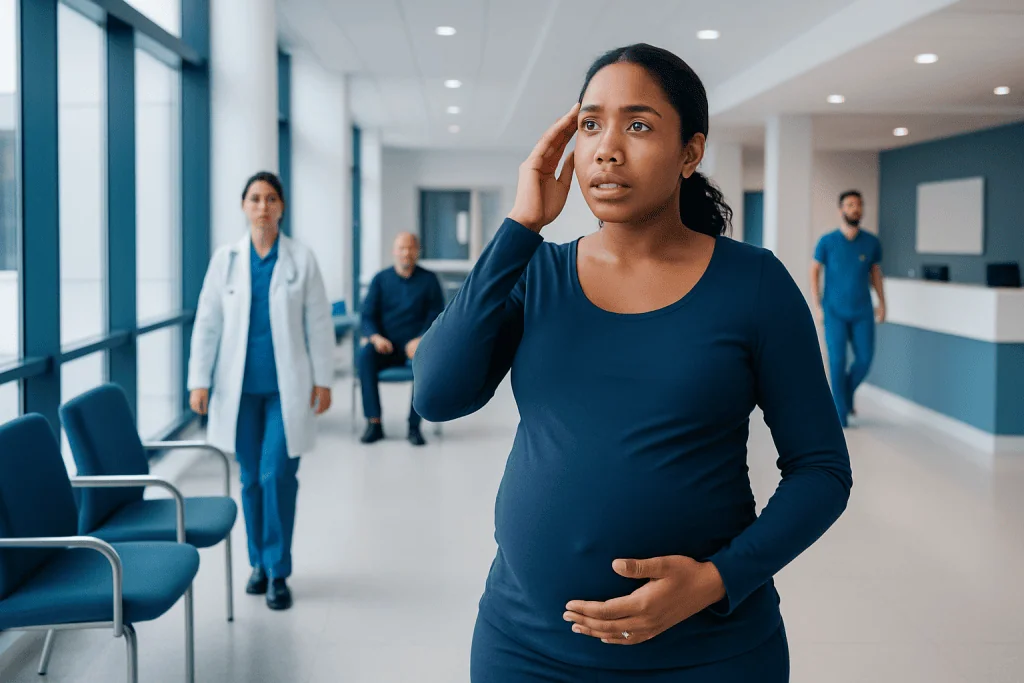
Brief visual spots or flashes in pregnancy are often related to circulation, hydration, fatigue, or migraine. Sudden vision changes with headache, swelling, or high blood pressure may be a warning sign of preeclampsia.
Key Takeaways
- Brief visual spots or flashes in pregnancy are often related to circulation, hydration, fatigue, or migraine.
- Sudden vision changes with headache, swelling, or high blood pressure may be a warning sign of preeclampsia.
- Tracking when symptoms happen can help identify triggers such as standing up quickly, missing meals, or overheating.
- Rest, fluids, regular meals, and slow position changes may help with mild episodes.
- Pregnant patients should seek urgent care for persistent, severe, or repeated visual symptoms.
Seeing stars while pregnant usually means brief visual spots, flashes, or sparkles caused by changes such as low blood pressure, dehydration, blood sugar shifts, or migraine. It can also signal a condition that needs urgent assessment, especially if it is sudden, severe, or happens with headache, swelling, abdominal pain, or high blood pressure.
What seeing stars while pregnant can mean
Seeing stars while pregnant usually describes brief flashes, sparkles, spots, or a feeling that vision is shimmering. In many cases, this happens because pregnancy changes blood flow, blood pressure, fluid balance, and blood sugar levels. It may occur after standing up quickly, getting overheated, skipping a meal, or feeling especially tired.
Even though the symptom is often temporary and harmless, it should not be ignored. Pregnancy can also increase the chance of problems that affect vision, including migraine with visual aura, anemia, and hypertensive disorders such as preeclampsia. The context matters: how long the symptom lasts, whether it keeps returning, and whether it comes with other warning signs.
A practical way to think about it is that seeing stars is a symptom, not a diagnosis. The next step is to look for clues from the rest of the body. A brief episode that improves after sitting down and drinking water is different from a sudden, intense visual disturbance with severe headache or rising blood pressure.
How the symptom may look and feel
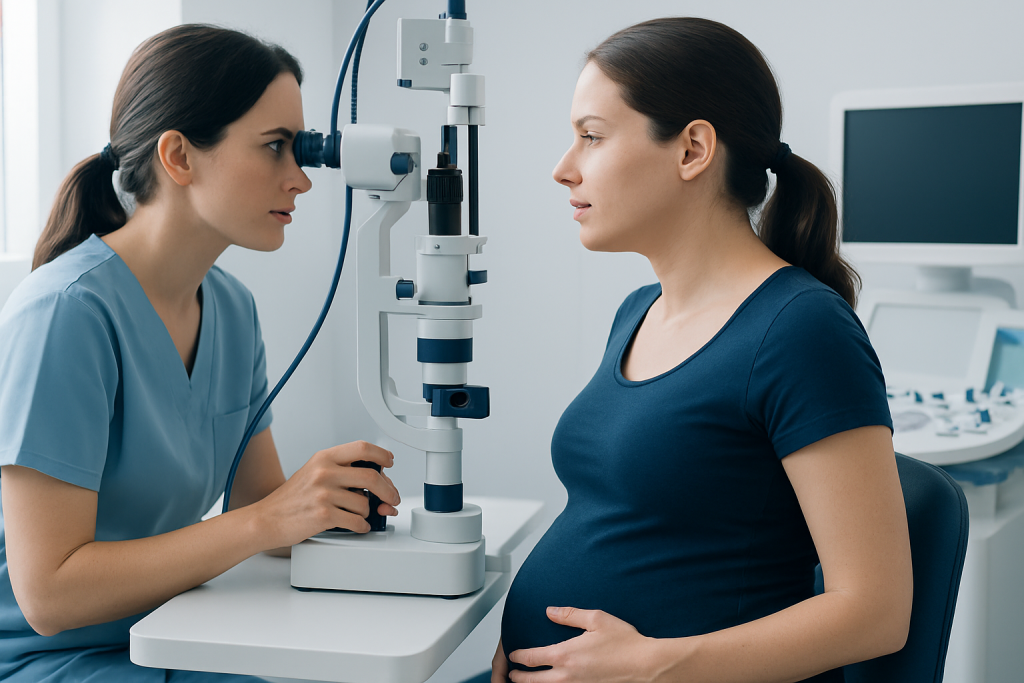
People describe seeing stars in different ways. Some notice tiny bright dots, zigzag lines, flashes of light, shimmering at the edges of vision, or dark spots that briefly drift across the field of view. Others feel as though vision dims for a moment, especially when standing up after sitting or lying down.
The symptom may affect one eye or both, but it can be hard to tell during a short episode. It may last only a few seconds or continue for several minutes. Some pregnant patients also notice dizziness, nausea, weakness, ringing in the ears, or a sense that they might faint.
Keeping track of timing can be helpful. For example, symptoms that occur in the shower, on a hot day, after exercise, or when meals are delayed can suggest dehydration, low blood pressure, or low blood sugar. Symptoms followed by headache or sensitivity to light may fit a migraine pattern.
- Bright spots, sparkles, or flashes
- Blurred or dimmed vision
- Zigzag or shimmering lines
- Symptoms after standing quickly
- Episodes linked to hunger, heat, or fatigue
Common causes during pregnancy
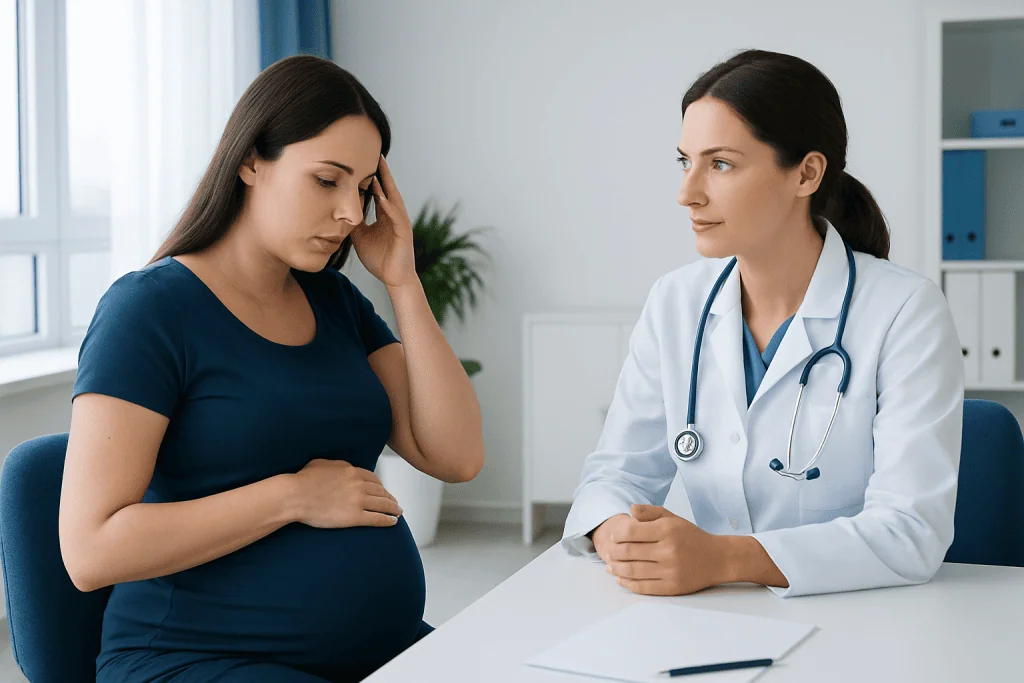
Normal pregnancy changes are a common reason for visual sensations. Hormonal shifts and increased blood volume can affect circulation and fluid balance. Blood pressure may drop slightly in early and mid-pregnancy, and blood vessels can respond differently to standing, heat, and exertion. These changes can briefly reduce blood flow to the brain or eyes, leading to stars, lightheadedness, or near-fainting.
Low blood sugar can also trigger visual symptoms. Pregnancy increases the body’s energy demands, and going too long without eating may lead to shakiness, sweating, weakness, or spots in the vision. Dehydration has a similar effect, especially if there is vomiting, warm weather, or not enough fluid intake.
Migraine is another important cause. Some people who have never had migraine before notice it during pregnancy, while others find that migraine patterns change. Visual aura may include flashing lights or zigzag lines, sometimes without a strong headache. Migraine can overlap with pregnancy-related symptoms, so a doctor may look closely at the pattern and any prior history.
Less commonly, anemia, eye conditions, or retinal problems may contribute. If symptoms are persistent, involve real loss of vision, or affect only one eye, an eye and medical assessment may be needed. In selected situations, doctors may recommend tests or a comprehensive eye examination to rule out eye-related causes.
When seeing stars may be a warning sign
Visual changes in pregnancy deserve extra attention because they can occur with high blood pressure disorders. Preeclampsia is a pregnancy complication that can affect blood pressure, the kidneys, liver, brain, and eyes. Seeing flashing lights, spots, or blurred vision can be part of this picture, especially later in pregnancy or soon after birth.
Symptoms that should raise concern include a severe or persistent headache, swelling of the face or hands, pain under the ribs on the right side, sudden nausea after mid-pregnancy, shortness of breath, or a blood pressure reading that is higher than expected. Not every person with preeclampsia feels obviously unwell, so visual symptoms should not be dismissed if they are new or unusual.
Other urgent possibilities include fainting, major blood sugar abnormalities, significant anemia, or neurologic conditions. Rarely, a detached retina or other eye emergency can cause flashes of light, especially if there is a sudden increase in floaters or a curtain-like shadow in the vision. For these reasons, severe or sudden visual changes should be assessed promptly.
How doctors evaluate the symptom
Evaluation starts with a careful history. A clinician will ask what the stars looked like, how long they lasted, what the person was doing at the time, and whether there were symptoms such as headache, dizziness, abdominal pain, swelling, or fainting. Blood pressure measurement is especially important in pregnancy.
The physical assessment may include checking pulse, hydration status, and sometimes a urine sample to look for protein. Depending on the situation, blood tests may be ordered to check for anemia, blood sugar problems, or signs of pregnancy complications. If symptoms suggest a neurologic or eye cause, further evaluation may be arranged.
Doctors do not need the same tests for every patient. Someone with an isolated brief episode after skipping breakfast may need different guidance from someone with recurrent flashes, swelling, and elevated blood pressure. If there is concern about vascular or brain-related causes, clinicians may consider MRI because it can help evaluate certain symptoms without using ionizing radiation.
Management and self-care for mild episodes
Treatment depends on the cause. For mild, occasional episodes related to standing quickly, dehydration, or missing meals, simple steps can help. Sitting or lying down right away can reduce the chance of fainting. Drinking water, having a snack, cooling down, and resting often improve symptoms if they are due to low blood pressure or blood sugar shifts.
Preventive habits can make episodes less frequent. Eating regular balanced meals, carrying a small snack, rising slowly from bed or a chair, and avoiding long periods in hot or crowded settings may help. Some people also benefit from paying attention to sleep, as fatigue can make visual symptoms and migraine more likely.
If migraine is suspected, a doctor can advise which treatments are considered safer in pregnancy. It is best not to start over-the-counter medicines, supplements, or herbal products without professional guidance. If blood pressure issues, anemia, or another medical condition is found, treating that underlying problem is the priority. In some cases, additional care may involve maternal-fetal medicine evaluation for closer pregnancy monitoring.
When to seek medical care
Pregnant patients should contact a doctor promptly if seeing stars is new, frequent, worsening, or hard to explain. Medical advice is especially important if the symptom lasts more than a few minutes, keeps coming back, or is accompanied by headache, dizziness, fainting, chest pain, shortness of breath, swelling, or upper abdominal pain.
Urgent care is needed for sudden vision loss, a curtain-like shadow, severe headache, confusion, weakness, trouble speaking, heavy bleeding, or symptoms that suggest high blood pressure in pregnancy. If home blood pressure readings are elevated, the obstetric team should be informed right away. It is safer to be checked than to assume the symptom is only from fatigue.
Near the end of pregnancy and in the days after delivery, new visual symptoms should be taken seriously because some pregnancy complications can appear postpartum as well. Acibadem International’s multidisciplinary specialists in JCI-accredited hospitals diagnose and treat pregnancy-related conditions for international patients when more advanced assessment is needed.
Frequently asked questions
Is seeing stars while pregnant normal?
It can be a common symptom during pregnancy, especially with dehydration, low blood pressure, fatigue, or low blood sugar. However, it is not something to ignore, because vision changes can sometimes point to a more serious pregnancy complication.
Can low blood pressure cause seeing stars in pregnancy?
Yes. Standing up quickly or being overheated can briefly lower blood flow to the brain and eyes, leading to spots, flashes, dizziness, or a faint feeling. Resting and changing positions slowly may help, but repeated episodes should be discussed with a doctor.
Is seeing flashing lights a sign of preeclampsia?
It can be. Flashing lights, spots, or blurred vision may occur with preeclampsia, especially when combined with headache, swelling, high blood pressure, or pain under the ribs. Because preeclampsia can become serious, these symptoms need prompt medical attention.
What should someone do right away if they see stars while pregnant?
They should sit or lie down safely to avoid falling, drink water if able, and have a light snack if a delayed meal may be the cause. If symptoms do not pass quickly, return often, or come with other warning signs, they should call their maternity care team.
Can pregnancy migraine cause visual stars without a headache?
Yes. Migraine aura can cause flashing lights, zigzag patterns, or shimmering vision, and sometimes these visual symptoms happen without a strong headache. A doctor can help decide whether the pattern fits migraine or needs further evaluation.
When is seeing stars during pregnancy an emergency?
It is an emergency if there is sudden vision loss, severe or persistent headache, fainting, confusion, weakness, trouble speaking, chest pain, or heavy bleeding. Urgent assessment is also important if there is concern about high blood pressure or preeclampsia.
References
- American College of Obstetricians and Gynecologists
- Centers for Disease Control and Prevention
- National Institute for Health and Care Excellence
- World Health Organization
- American Academy of Ophthalmology
This article is for general information only and is not a substitute for professional medical advice. Please consult a qualified doctor about your individual situation.
Explore treatments in Turkey — costs, top hospitals & a free quote
JCI-accredited · board-certified surgeons · reply within 24h
Check your numbers in seconds
BMI, calories, due date, blood pressure and 30+ more clinical calculators — free, instant, doctor-reviewed ranges.

More from the Health Library



Related Specialists

Prof. Dr. Cem Aygün
Gastroenterology
Assoc. Prof. Dr. Tuğçe Apaydın
Endocrinology
Assoc. Prof. Dr. Mustafa Emir Tavşanlı
Neurology
Dr. Mustafa Mert Okumuş (m)
Aesthetic Plastic and Reconstructive Surgery