Silicosis: Symptoms, Causes, and Treatment Options

Silicosis develops when fine silica dust is inhaled and damages the lungs. Symptoms may appear slowly and can include cough, breathlessness, fatigue, and chest discomfort.
Key Takeaways
- Silicosis develops when fine silica dust is inhaled and damages the lungs.
- Symptoms may appear slowly and can include cough, breathlessness, fatigue, and chest discomfort.
- There is no cure for established lung scarring, but treatment can relieve symptoms and slow complications.
- Avoiding further silica exposure is a central part of care.
- Workplace protection, respiratory safety, and regular medical follow-up can reduce risk and support earlier diagnosis.
Medically reviewed by the Acıbadem International Medical Board — July 24, 2026
Silicosis is a preventable but serious lung disease caused by breathing in fine crystalline silica dust over time. It can lead to cough, shortness of breath, and lasting lung scarring, but early recognition, exposure control, and supportive treatment can help protect lung health.
Overview: what silicosis is
Silicosis is a lung disease caused by breathing in very small particles of crystalline silica, a mineral found in materials such as stone, sand, quartz, concrete, brick, and mortar. Over time, these particles can settle deep in the lungs and trigger inflammation and scarring. That scarring makes it harder for the lungs to work normally, which is why silicosis often causes cough and shortness of breath.
Silicosis is considered an occupational lung disease because it most often affects people whose jobs involve cutting, grinding, drilling, blasting, or handling silica-containing materials. Examples include mining, construction, quarrying, stone fabrication, ceramics, and some manufacturing work. People may not notice symptoms for many years, especially if exposure has been gradual.
Doctors usually describe silicosis as chronic, accelerated, or acute, depending on how much silica was inhaled and over what period. Chronic silicosis tends to develop after long-term exposure. Accelerated silicosis can appear after shorter but heavier exposure. Acute silicosis is less common and may develop after intense exposure over a short time, causing more rapid breathing problems.
Silicosis cannot simply be reversed once scar tissue has formed, but many people benefit from early diagnosis, symptom management, prevention of further exposure, and treatment of complications. It can also increase the risk of other lung problems, including infections and chronic breathing disease, so regular medical follow-up is important.
Symptoms and how they may progress
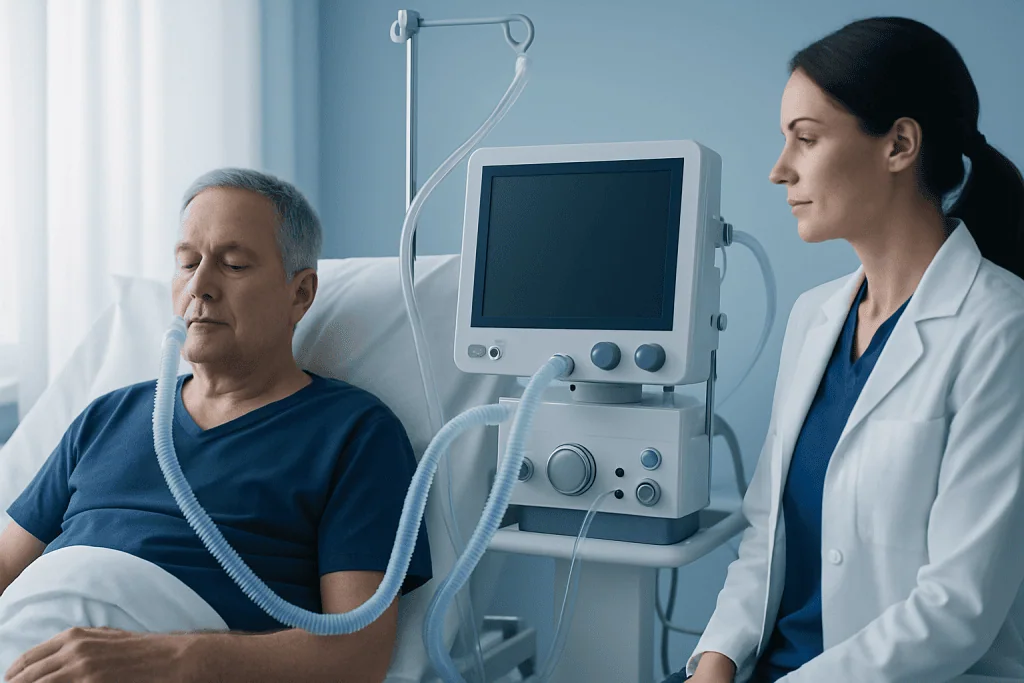
Silicosis symptoms often begin gradually. In the early stages, some people have no obvious symptoms at all, and the condition may first be suspected because of work history or an abnormal chest imaging test. As lung scarring increases, common symptoms include a persistent cough, shortness of breath during activity, tiredness, and reduced exercise tolerance.
Some people also notice chest tightness, wheezing, weight loss, or more frequent respiratory infections. As the disease becomes more advanced, breathlessness may happen during lighter activities or even at rest. Severe disease can lead to low oxygen levels and significant limitation in daily life.
Symptoms can overlap with other lung conditions. For example, silicosis may resemble or occur alongside chronic obstructive pulmonary disease or other forms of chronic lung inflammation. Because of this, it is important not to assume that a long-standing cough is only due to smoking, age, or temporary irritation.
A change in symptoms deserves attention. Worsening cough, fever, increasing mucus, chest pain, or rapidly increasing shortness of breath may point to infection, progression of lung disease, or another complication. A healthcare professional can help determine the cause and whether testing is needed.
Causes and risk factors

The direct cause of silicosis is inhalation of respirable crystalline silica dust. The highest risk usually comes from work activities that create fine airborne dust, especially in enclosed or poorly ventilated spaces. Tasks such as dry cutting engineered stone, sandblasting, tunneling, mining, demolition, and concrete drilling can produce especially high exposure if protective controls are inadequate.
Risk depends on several factors: how much dust a person breathes, how often exposure happens, how long it continues, and whether proper dust control methods are in place. Even when symptoms take years to appear, damage can begin earlier. People with prolonged workplace exposure may be affected despite feeling well at first.
Smoking does not cause silicosis, but it can worsen breathing symptoms and add to lung damage. Existing lung disease, poor respiratory protection, and repeated unrecognized exposure may also increase the impact on overall respiratory health. In some settings, workers may be exposed without realizing that the material they are handling contains silica.
Silicosis is also linked with a higher risk of complications such as tuberculosis, chronic bronchitis, emphysema, autoimmune disease, and, in some cases, lung cancer. This does not mean every person with silica exposure will develop these problems, but it does mean that careful assessment and ongoing monitoring are important when exposure has been significant.
How silicosis is diagnosed
Diagnosis begins with a detailed history. A doctor will ask about current and past jobs, workplace dust exposure, protective equipment use, smoking history, and respiratory symptoms. This occupational history is often the key to identifying silicosis, especially because symptoms may be mistaken for asthma, infection, or other chronic lung conditions.
Tests commonly include a chest X-ray or chest CT scan to look for patterns of lung scarring. Lung function testing can show how well the lungs move air and transfer oxygen. Blood tests may be used in some cases to help assess other possible causes of symptoms or to look for associated conditions. If low oxygen levels are suspected, pulse oximetry or arterial blood gas testing may be considered.
Doctors also evaluate for complications and related conditions. Because silica exposure can increase vulnerability to infections, screening for tuberculosis may be recommended in appropriate settings. If symptoms suggest another lung disease, further evaluation may be needed to distinguish silicosis from conditions such as pulmonary fibrosis of other causes.
Not every person with silica exposure will have silicosis, and not every abnormal scan means severe disease. Diagnosis is based on the overall picture: exposure history, imaging findings, symptoms, and lung function. A respiratory specialist can help clarify the diagnosis and recommend a monitoring plan tailored to the individual.
Treatment options and long-term management
There is no medication that can remove silica particles already embedded in the lungs or fully reverse established scarring. Treatment for silicosis therefore focuses on preventing further damage, relieving symptoms, preserving lung function, and addressing complications early. The first and most important step is to avoid continued silica exposure wherever possible.
Depending on symptoms and test results, treatment may include inhaled medicines to ease airway irritation, pulmonary rehabilitation to improve exercise tolerance, vaccinations to reduce the risk of respiratory infections, and prompt treatment when infections occur. Some people with low oxygen levels may need supplemental oxygen. In advanced cases, specialist procedures or evaluation for lung transplantation may be discussed, though this is not needed for most patients.
If breathing symptoms are significant, doctors may also evaluate for coexisting conditions such as asthma, chronic bronchitis, or sleep-related breathing problems. Supportive care can include nutrition guidance, smoking cessation help, and exercise advice matched to the person’s breathing capacity. In selected cases, additional imaging or bronchoscopy may be used if another diagnosis is being considered or infection is suspected; this may involve bronchoscopy as part of the work-up.
Long-term management usually involves regular follow-up with a respiratory specialist. For international patients who need comprehensive assessment, Acibadem International’s multidisciplinary specialists in JCI-accredited hospitals diagnose and treat complex lung conditions, including silicosis-related complications, with coordinated imaging, respiratory testing, and specialist care.
Prevention and self-care
Silicosis is largely preventable. The best protection comes from reducing dust at the source through workplace controls such as wet cutting methods, local exhaust ventilation, enclosed processes, and safe cleanup practices. Dry sweeping or using compressed air can spread fine dust and may increase risk if safer alternatives are not used.
Appropriate respiratory protection is also important, but masks should support, not replace, proper dust control measures. Workers should receive training on silica hazards, understand the materials they are using, and follow occupational safety guidance for fit-tested respirators when required. Employers and employees both play a role in prevention.
For people already diagnosed with silicosis, self-care focuses on protecting remaining lung function. Helpful steps may include avoiding smoking, staying current with recommended vaccines, keeping follow-up appointments, exercising within comfortable limits, and seeking care early for cough, fever, or worsening shortness of breath. Some patients may benefit from respiratory therapy or pulmonary rehabilitation-style breathing support.
It can also help to keep a record of past jobs and exposure details, especially if medical care is needed later. This information can make diagnosis easier and support ongoing monitoring. People who continue to work in at-risk settings should discuss safe work adjustments with occupational health and respiratory specialists.
When to seek medical care
Medical evaluation is important for anyone with ongoing silica dust exposure who develops a persistent cough, shortness of breath, wheezing, or unusual fatigue. Care is also advisable for people with a long history of exposure even if symptoms seem mild, because lung changes may develop before they become obvious in daily life.
Prompt medical attention is especially important if breathing suddenly worsens, chest pain occurs, fever develops, coughing brings up blood, or oxygen levels seem low. These signs can point to infection, another lung condition, or progression that needs urgent assessment. Early care can help identify treatable causes and reduce complications.
People with known silicosis should keep regular follow-up appointments and report any new or changing symptoms. If diagnosis is uncertain or symptoms are becoming harder to manage, referral to a chest diseases or occupational lung specialist may be helpful. Tests such as imaging, lung function assessment, and specialist review can clarify the next steps.
Frequently asked questions
Can silicosis be cured?
Silicosis cannot usually be cured once lung scarring has formed. Treatment focuses on stopping further exposure, relieving symptoms, monitoring lung function, and treating complications early. Early diagnosis can make a meaningful difference in long-term care.
How long does it take for silicosis to develop?
It depends on the intensity and duration of silica exposure. Chronic silicosis often develops after many years of lower-level exposure, while accelerated or acute forms can appear after heavier exposure over a shorter period. Some people do not notice symptoms until the disease is already established.
What jobs are most associated with silicosis?
Jobs involving stone, concrete, sand, mining, quarrying, and construction carry the greatest risk, especially when tasks create fine dust. Engineered stone fabrication, sandblasting, drilling, cutting, and demolition are particularly important risk settings. Risk is higher when ventilation and respiratory protection are inadequate.
Is silicosis the same as COPD?
No. Silicosis is a specific lung disease caused by inhaling crystalline silica dust, while COPD is a broader term that usually includes chronic bronchitis and emphysema. However, the two can coexist, and both may cause cough and breathlessness.
Can a person get silicosis after a short exposure?
Yes, but this is more likely when exposure is very intense. Acute or accelerated silicosis can develop after short-term, high-level dust exposure, although chronic silicosis from long-term exposure is more common. Any significant exposure should be taken seriously.
What tests are used to check for silicosis?
Doctors usually use a detailed exposure history, chest imaging such as X-ray or CT, and lung function tests. Additional tests may be used to rule out infection, evaluate oxygen levels, or look for other lung conditions. The diagnosis is based on the full clinical picture rather than one test alone.
References
- World Health Organization
- Centers for Disease Control and Prevention
- National Institute for Occupational Safety and Health
- American Lung Association
- American Thoracic Society
This article is for general information only and is not a substitute for professional medical advice. Please consult a qualified doctor about your individual situation.
Explore treatments in Turkey — costs, top hospitals & a free quote
JCI-accredited · board-certified surgeons · reply within 24h