Etomidate: An Evidence-Based Guide for Patients

Etomidate is usually given by clinicians through a vein to start anesthesia or for brief emergency sedation. It acts quickly and is often chosen when maintaining blood pressure is especially important.
Key Takeaways
- Etomidate is usually given by clinicians through a vein to start anesthesia or for brief emergency sedation.
- It acts quickly and is often chosen when maintaining blood pressure is especially important.
- Common short-term effects can include muscle jerks, nausea, vomiting, and temporary breathing suppression.
- Etomidate is not a pain medicine and may be combined with other drugs depending on the procedure.
- Its use is individualized, especially in critically ill patients, children, older adults, and people with adrenal concerns.
Etomidate is a short-acting intravenous sedative medicine mainly used to help start general anesthesia or provide rapid sedation for urgent procedures. It is valued in specific situations because it works quickly and usually has less effect on blood pressure than some other anesthetic drugs.
Overview: what etomidate is and why it is used
Etomidate is a prescription intravenous sedative-hypnotic medicine. In everyday patient terms, this means it is a drug given into a vein to cause rapid sleep-like unconsciousness for a short time. Doctors most often use it to help start general anesthesia before surgery or to sedate a patient briefly during emergency airway management.
One of the main reasons clinicians choose etomidate is that it usually has less effect on blood pressure than some other induction agents. This can make it useful in people who are seriously ill, injured, or medically fragile, although the best choice still depends on the individual situation, the planned procedure, and the clinician’s judgment.
Etomidate is not the same as a general sleep medicine taken at home, and it is not intended for self-use. It is typically used in controlled settings such as operating rooms, emergency departments, intensive care units, and procedure areas where the team can monitor breathing, heart rhythm, oxygen levels, and blood pressure closely.
How etomidate works in the body
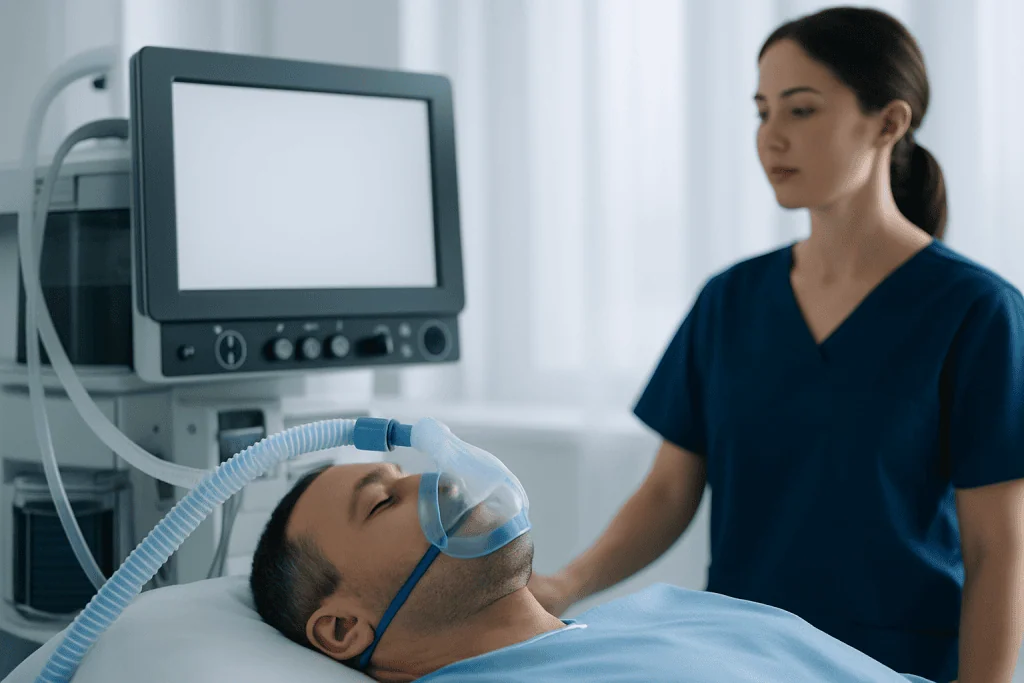
Etomidate works by enhancing the activity of gamma-aminobutyric acid, or GABA, a chemical messenger in the brain that slows nerve activity. By strengthening this calming effect, the medicine rapidly reduces awareness and helps the patient become unconscious or deeply sedated for a short period.
Its onset is fast, often within seconds after injection, and its effects wear off relatively quickly because the body redistributes and then metabolizes the drug. This short duration is one reason it is useful for anesthesia induction and urgent procedures where clinicians need quick control over sedation.
Even though etomidate causes unconsciousness, it does not reliably provide pain relief. For painful procedures, doctors may pair it with pain-relieving medicines or other anesthetic agents. Depending on the clinical need, etomidate may be part of a broader anesthesia plan that can include anesthesia care and careful airway support.
When doctors may choose etomidate

Etomidate is commonly used to induce general anesthesia before an operation. It may also be used during rapid sequence intubation, a process in which doctors quickly place a breathing tube in patients who cannot protect their airway or who need help breathing. In these urgent settings, the drug’s speed and cardiovascular stability can be important advantages.
Doctors may also consider etomidate in patients with trauma, severe infection, heart disease, or low blood pressure risk, when a large drop in blood pressure from another sedative would be undesirable. That does not mean etomidate is always the best option; rather, it is one tool among several, and clinicians weigh its risks and benefits carefully.
It is less commonly used for ongoing sedation over long periods. In many hospitals, other medicines are preferred for longer procedures or extended ICU sedation because etomidate can affect adrenal hormone production. If a patient has complex heart or critical care needs, specialists in settings such as cardiology care or intensive care may help guide the safest medication plan.
Possible side effects and safety considerations
Like all anesthetic medicines, etomidate can cause side effects. Common short-term effects include pain at the injection site, nausea, vomiting, and brief muscle movements or jerks called myoclonus. Some patients may also experience temporary confusion or drowsiness while waking up.
Etomidate can suppress breathing, especially when used with opioids or other sedatives, so monitoring is essential. Clinicians also watch for changes in blood pressure, heart rate, oxygen level, and airway reflexes. These effects are why etomidate should only be given by trained professionals with resuscitation equipment available.
An important clinical issue with etomidate is adrenal suppression. The medicine can temporarily reduce the body’s ability to make cortisol, a hormone involved in stress response. A single dose is often well tolerated in many patients, but this effect matters more in critically ill people, those with possible adrenal problems, or when repeated dosing is being considered.
Patients should tell their care team about all medicines they take, as well as any history of endocrine disorders, allergies, seizures, liver disease, or serious heart problems. This helps the team balance etomidate against alternatives and lower the risk of complications.
Who may need extra caution
Some groups need especially careful assessment before receiving etomidate. These include older adults, infants and children, pregnant patients, and people who are severely ill with sepsis, shock, or major organ dysfunction. In these situations, the medical team considers both the need for rapid sedation and the possible effect on breathing, circulation, and adrenal function.
Patients with suspected or known adrenal insufficiency may need special caution because etomidate can further reduce cortisol production. For example, someone being evaluated for severe fatigue, salt imbalance, or endocrine disease may need a different anesthetic plan. Adrenal and metabolic concerns are sometimes assessed alongside broader adrenal insufficiency conditions when clinically relevant.
People with heart rhythm problems, significant lung disease, or neurologic illness may also need tailored planning. If a patient has multiple medical problems, the safest approach is often a multidisciplinary discussion among anesthesiologists, surgeons, emergency physicians, or intensive care doctors before the medicine is used.
What to expect before, during, and after receiving etomidate
Before etomidate is given, the clinical team reviews the patient’s medical history, current medicines, allergies, recent eating and drinking, and the reason for sedation or anesthesia. Monitoring equipment is placed to track vital signs. In planned procedures, the anesthesiologist explains the overall anesthesia plan and answers questions about risks and recovery.
During administration, etomidate is injected into a vein. It acts quickly, so the patient may feel sleepy almost immediately. Depending on the situation, the team may also give oxygen, pain medicine, or a muscle relaxant, and may support breathing with a mask or place a breathing tube.
Afterward, patients are monitored as they wake up. It is common to feel groggy for a short time, and some people may have nausea or vomiting. The team watches for breathing problems, prolonged drowsiness, low oxygen levels, or signs that another medical issue is affecting recovery.
If etomidate was used in an emergency, recovery may be influenced more by the underlying illness than by the medicine itself. For example, a patient with severe infection or respiratory failure may need additional investigation and treatment beyond the sedation episode.
When to seek medical care
Etomidate itself is generally given in medical settings, so urgent side effects are usually recognized and treated immediately by healthcare professionals. However, if a patient has recently received sedation or anesthesia and later develops trouble breathing, severe vomiting, chest pain, confusion that does not improve, fainting, or an allergic reaction such as swelling or hives, prompt medical evaluation is important.
Patients should also contact a doctor if they have ongoing weakness, unusual dizziness, persistent nausea, or concerns after a procedure involving anesthesia. These symptoms may or may not be related to etomidate, but they deserve attention, especially in older adults or people with chronic illness.
When emergency sedation is part of treatment for a serious condition, follow-up care should focus on the underlying problem as well. If a patient required intubation due to infection, trauma, or another urgent illness, doctors may evaluate related conditions affecting the lungs, heart, or nervous system. In complex cases, Acibadem International’s multidisciplinary specialists at JCI-accredited hospitals diagnose and treat patients who need coordinated anesthesia, critical care, and specialty evaluation.
Frequently asked questions
What is etomidate used for?
Etomidate is mainly used to start general anesthesia and to provide rapid sedation for urgent procedures such as placing a breathing tube. It is especially considered when doctors want a medicine that usually has a smaller effect on blood pressure than some alternatives.
Is etomidate a painkiller?
No. Etomidate causes sedation or unconsciousness, but it does not reliably treat pain. If a procedure is painful, doctors usually combine it with pain-relieving medicines or other anesthetic drugs.
Why do some doctors prefer etomidate in emergencies?
A key reason is that etomidate acts quickly and often preserves blood pressure better than some other induction agents. This can be useful in patients who are unstable, injured, or critically ill, although the final drug choice depends on the full clinical picture.
What are the most common side effects of etomidate?
Common short-term effects include nausea, vomiting, injection-site discomfort, and involuntary muscle movements called myoclonus. It can also slow breathing, which is why it is given only in monitored medical settings.
Can etomidate affect the adrenal glands?
Yes. Etomidate can temporarily reduce the body’s production of cortisol by suppressing adrenal function. This effect may be more important in critically ill patients or in people who already have adrenal problems, so doctors take it into account when choosing sedation.
How long does etomidate last?
Etomidate works within seconds and its sedative effect is usually brief. Exact duration varies by dose, body condition, and whether other medicines are used, but it is generally considered a short-acting agent.
This article is for general information only and is not a substitute for professional medical advice. Please consult a qualified doctor about your individual situation.
Explore treatments in Turkey — costs, top hospitals & a free quote
JCI-accredited · board-certified surgeons · reply within 24h
Add us as a Preferred Source to see more of our trusted health content across Google Search, AI Overviews and Discover.
Check your numbers in seconds
BMI, calories, due date, blood pressure and 30+ more clinical calculators — free, instant, doctor-reviewed ranges.

More from the Health Library

Baking Soda Trick — Explained by Medical Evidence, Not Myths

Red Spot on Eye: An Evidence-Based Guide for Patients

Antacids Otc Drugs: What Patients Need to Know

Feeling Sick in the Third Trimester: What Patients Need to Know

Plaque Psoriasis: A Complete Medical Overview