Steroids for Bronchitis: Early Signs, Risk Factors, and How It Is Treated

Most cases of acute bronchitis are viral and do not routinely require steroids. Steroids may be considered when bronchitis symptoms occur with asthma, COPD, or marked airway inflammation causing wheeze.
Key Takeaways
- Most cases of acute bronchitis are viral and do not routinely require steroids.
- Steroids may be considered when bronchitis symptoms occur with asthma, COPD, or marked airway inflammation causing wheeze.
- Diagnosis focuses on symptoms, exam findings, and ruling out pneumonia or other causes of cough.
- Treatment often includes rest, fluids, symptom relief, and avoiding smoke or other irritants.
- Urgent medical care is important for breathing trouble, chest pain, bluish lips, or high fever.
Steroids for bronchitis can reduce airway inflammation in selected cases, but they are not usually needed for routine acute bronchitis. The right treatment depends on whether symptoms are caused by a short-term viral illness, an underlying lung condition, or a more serious breathing problem.
Overview: Do steroids help bronchitis?
Steroids for bronchitis can help in some situations, but they are not a standard treatment for every person with a cough. In most otherwise healthy adults, acute bronchitis is caused by a viral infection, and symptoms improve with time and supportive care rather than steroid medication.
The reason steroids are sometimes discussed is that bronchitis can involve irritation and swelling in the airways. Steroids reduce inflammation, so they may be useful when bronchitis occurs alongside conditions such as asthma or chronic obstructive pulmonary disease (COPD), or when wheezing and airway narrowing are prominent. They are less likely to help when the main problem is a simple viral chest infection without significant airway inflammation.
Bronchitis is a broad term that can refer to short-term acute bronchitis or longer-lasting chronic bronchitis. Acute bronchitis usually starts after a cold or other upper respiratory infection and causes cough, mucus, chest discomfort, and fatigue. Chronic bronchitis is a long-term condition, often linked to smoking or ongoing lung disease, and it may overlap with COPD.
Because treatment differs by cause, a clinician looks at the full picture rather than prescribing steroids automatically. This approach helps avoid unnecessary medicine exposure while making sure people with more severe breathing symptoms receive appropriate care.
Early signs and common symptoms of bronchitis
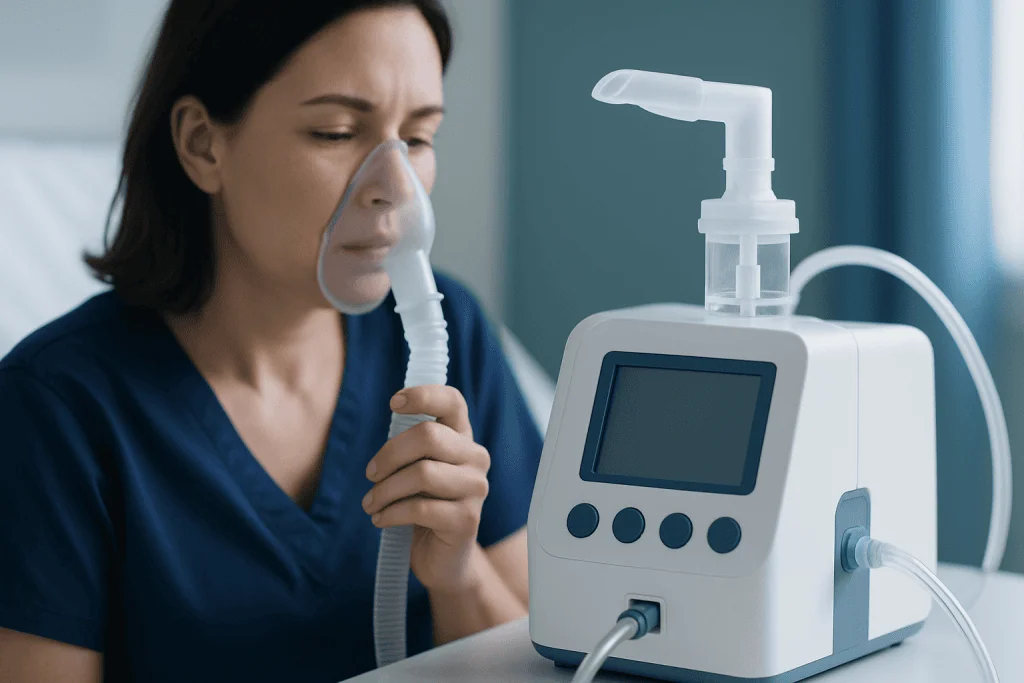
Bronchitis often begins with symptoms that resemble a common cold. A person may notice a sore throat, runny nose, mild fever, body aches, or tiredness, followed by a cough that becomes the main symptom. The cough may start dry and later produce clear, white, yellow, or green mucus.
As the airways become irritated, symptoms can include chest tightness, a burning feeling behind the breastbone, mild shortness of breath, and noisy breathing. Some people also develop wheezing, especially if they already have reactive airways. The cough can persist for several weeks even after the infection itself has started to settle.
Symptoms that can make clinicians think more carefully about whether steroids or other treatments are needed include:
- Noticeable wheezing or whistling sounds when breathing
- Shortness of breath that interferes with normal activities
- A history of asthma or COPD
- Cough triggered by cold air, exercise, or allergens
- Repeated episodes of bronchitis-like symptoms
It is important to remember that mucus color alone does not reliably show whether an infection is viral or bacterial. Persistent cough is common in bronchitis, but severe breathlessness, confusion, high fever, or chest pain suggest that another condition, such as pneumonia, may need to be ruled out.
Who may need steroids and what raises the risk?

Several factors influence whether steroids for bronchitis may be considered. The most important is whether the inflammation is part of a broader airway problem rather than an uncomplicated viral illness. People with asthma or COPD may have more swelling and narrowing in the breathing tubes during an infection, and that can make a short course of steroids more useful.
Risk factors for more intense bronchitis symptoms include smoking, secondhand smoke exposure, air pollution, occupational dust or chemical irritants, older age, and a weakened immune system. Seasonal viruses, crowded indoor settings, and poor hand hygiene can also increase the chance of developing acute bronchitis in the first place.
Doctors may think about steroids when a patient has prominent wheeze, reduced airflow, or a flare of an underlying chronic lung condition. These medicines may be given as inhaled steroids in some cases or as oral steroids for a short period in more significant inflammation. However, they are not usually recommended for routine acute bronchitis in people without asthma, COPD, or another clear indication.
There are also reasons to use caution. Steroids can cause side effects such as sleep disturbance, mood changes, increased blood sugar, stomach upset, and temporary lowering of infection defenses. That is why the potential benefit should clearly outweigh the risks before they are prescribed.
How doctors diagnose bronchitis and decide on treatment
Bronchitis is usually diagnosed through a medical history and physical examination. A clinician asks when the cough began, whether there is fever, wheezing, chest pain, or breathlessness, and whether there is a history of smoking, asthma, allergies, or chronic lung disease. Listening to the lungs can help identify wheezing, coarse breath sounds, or findings that suggest another diagnosis.
In many straightforward cases of acute bronchitis, additional tests are not needed. If symptoms are severe, prolonged, or unusual, the doctor may order tests to rule out pneumonia, influenza, COVID-19, or other causes of cough. A chest X-ray may be used if fever is high, oxygen levels are low, or the person appears significantly unwell.
Some people may need breathing tests if there is concern for asthma or COPD, especially when wheezing keeps recurring. Depending on the results, treatment may include medicines that open the airways such as bronchodilator treatment or an inhaled treatment plan for an underlying lung condition.
The main goal of diagnosis is not simply to label the cough as bronchitis, but to identify who can recover with basic care and who may benefit from more specific treatment. This is the step that helps determine whether steroids are likely to help or are unlikely to provide meaningful benefit.
Treatment options: when steroids are used and when they are not
For most people with acute bronchitis, treatment focuses on comfort and recovery while the airways heal. This can include fluids, rest, avoiding tobacco smoke, and over-the-counter symptom relief when appropriate. Cough may take time to improve, and patience is often part of treatment.
Steroids are generally reserved for selected situations. A doctor may prescribe them when bronchitis triggers a significant flare of asthma or COPD, or when airway inflammation causes enough wheezing and breathing difficulty that reducing swelling is expected to help. In some cases, other therapies such as inhaler therapy may be part of the plan, either instead of or alongside steroids.
Antibiotics are not routinely needed for acute bronchitis because viruses are the most common cause. They may be considered only when there is evidence of a bacterial infection or a higher-risk setting. Other treatments depend on symptoms and cause, and may include fever reducers, hydration, humidified air, and guidance on safe activity while recovering.
When a person has chronic bronchitis, recurring wheeze, or suspected structural lung problems, follow-up with a respiratory specialist may be appropriate. For some international patients, Acibadem International’s multidisciplinary specialists and JCI-accredited hospitals evaluate cough and airway disease using imaging, pulmonary testing, and individualized treatment plans, including care related to COPD treatment when needed.
Prevention and self-care during recovery
Even when steroids are not needed, self-care plays an important role in recovery from bronchitis. Drinking enough fluids can help thin mucus, and adequate sleep supports healing. Many people find that warm drinks, a humidified environment, and avoiding strenuous activity for a short time reduce throat and chest irritation.
Avoiding cigarette smoke is one of the most helpful steps. Smoke exposure can prolong coughing, increase airway inflammation, and raise the risk of future bronchitis episodes. People who are exposed to workplace dust, fumes, or pollution may also benefit from discussing protective measures with a healthcare professional.
Prevention focuses on reducing infection risk and protecting the lungs over the long term. Helpful steps include:
- Frequent handwashing and avoiding close contact with sick people when possible
- Staying up to date with recommended vaccines, including influenza and other relevant respiratory vaccines
- Managing asthma, allergies, or COPD consistently
- Not smoking and seeking support to quit if needed
- Following medical advice if coughs are frequent or prolonged
If cough lasts longer than expected, it does not always mean treatment failed. Airways can stay sensitive for weeks after an infection. Still, ongoing or worsening symptoms deserve reassessment so that other causes such as asthma, pneumonia, reflux, or sinus-related cough can be considered.
When to seek medical care
Most cases of acute bronchitis improve without urgent treatment, but some symptoms should prompt medical attention. A person should contact a healthcare professional if a cough lasts more than a few weeks, repeatedly returns, or is associated with significant wheezing, poor sleep, or reduced ability to work or exercise.
Same-day or urgent evaluation is important for shortness of breath at rest, chest pain, high fever, bluish lips, confusion, coughing up blood, or symptoms in someone with heart or lung disease. These signs can suggest pneumonia, a severe asthma flare, a COPD exacerbation, or another condition that needs prompt care.
Children, older adults, pregnant people, and anyone with a weakened immune system may need earlier assessment because complications can develop more easily. Medical care is also important when over-the-counter remedies are not helping, or when there is concern about dehydration or poor oral intake.
A timely evaluation helps guide whether supportive care is enough or whether treatments such as inhalers, further testing, or a carefully chosen short course of steroids are appropriate. The safest approach is to let a qualified clinician decide based on symptoms, examination findings, and personal health history.
Frequently asked questions
Are steroids commonly prescribed for bronchitis?
Not usually. Most cases of acute bronchitis are caused by viruses and improve with time, rest, fluids, and symptom relief. Steroids are more likely to be used when bronchitis is accompanied by asthma, COPD, or significant wheezing from airway inflammation.
Do steroids shorten how long bronchitis lasts?
They do not reliably shorten routine viral bronchitis in otherwise healthy people. Their main role is to reduce inflammation in selected cases where narrowed airways are contributing to symptoms. A doctor weighs expected benefit against possible side effects before prescribing them.
What are the side effects of steroids for bronchitis?
Possible side effects can include trouble sleeping, mood changes, increased appetite, stomach upset, and higher blood sugar. Risk depends on the type of steroid, the dose, and how long it is used. Short courses are often better tolerated, but they should still be used only under medical guidance.
If mucus is green or yellow, does that mean antibiotics or steroids are needed?
Not necessarily. Mucus color can change during viral infections and does not by itself prove a bacterial infection or indicate a need for steroids. The decision depends more on overall symptoms, examination findings, and whether there are signs of pneumonia or an underlying lung condition.
What is the difference between bronchitis and pneumonia?
Bronchitis affects the bronchial tubes, the airways that carry air in and out of the lungs, and commonly causes cough and irritation. Pneumonia affects the lung tissue itself and is more likely to cause high fever, significant weakness, low oxygen, or chest pain with breathing. A doctor may use an exam and sometimes a chest X-ray to tell them apart.
When should someone with bronchitis go to the doctor?
Medical care is important if there is breathing difficulty, chest pain, high fever, bluish lips, confusion, coughing up blood, or symptoms that are worsening instead of improving. A clinician should also evaluate a cough that lasts several weeks or keeps returning. People with asthma, COPD, heart disease, or weakened immunity may need earlier assessment.
References
- Centers for Disease Control and Prevention
- American Lung Association
- National Heart, Lung, and Blood Institute
- National Institute for Health and Care Excellence
- Merck Manual Consumer Version
This article is for general information only and is not a substitute for professional medical advice. Please consult a qualified doctor about your individual situation.
Bronchitis in Turkey — costs, top hospitals & a free quote
JCI-accredited · board-certified surgeons · reply within 24h