Surgical Removal of Tumors: Procedure, Recovery and Results

Tumor surgery may be used to diagnose, cure, control, or relieve symptoms caused by a mass. Not every tumor needs surgery; some are better managed with monitoring, medicines, radiation therapy, or systemic cancer treatment.
Key Takeaways
- Tumor surgery may be used to diagnose, cure, control, or relieve symptoms caused by a mass.
- Not every tumor needs surgery; some are better managed with monitoring, medicines, radiation therapy, or systemic cancer treatment.
- Recovery can range from days after a minor procedure to weeks or months after major or complex surgery.
- Removal of a cancerous tumor does not always mean that all cancer has been eliminated; pathology and staging guide next steps.
- Surgical risks depend strongly on the organ involved, the extent of surgery, and individual health factors.
Surgical removal of tumors is an operation to remove a suspicious, benign, or cancerous mass, often together with a small margin of surrounding tissue. Whether surgery is appropriate, how extensive it will be, and what results to expect depend on the tumor’s type, location, size, stage, and a person’s overall health.
Overview: What Surgical Removal of Tumors Means
Surgical removal of tumors is a procedure in which a surgeon removes an abnormal growth, also called a mass, from the body. The growth may be benign, meaning noncancerous, or malignant, meaning cancerous. Surgery can be performed to establish a diagnosis, remove the entire tumor, reduce the amount of tumor present, prevent complications, or ease symptoms such as pain, bleeding, blockage, or pressure on nearby structures.
The phrase surgical removal of a tumor covers many different operations. A small skin lump may be removed under local anesthesia in an outpatient setting, while surgery for a tumor in the breast, bowel, lung, brain, kidney, or another organ may require general anesthesia and a hospital stay. The surgical team aims to remove the tumor while preserving as much normal function as safely possible.
Before recommending surgery, clinicians consider imaging findings, biopsy results when available, the suspected diagnosis, and whether the mass can be removed safely. In cancer care, surgery is often one part of a wider treatment plan that may also include radiation therapy, chemotherapy, immunotherapy, targeted therapy, hormone therapy, or active surveillance.
How Tumor Removal Surgery Works and Who May Be a Candidate
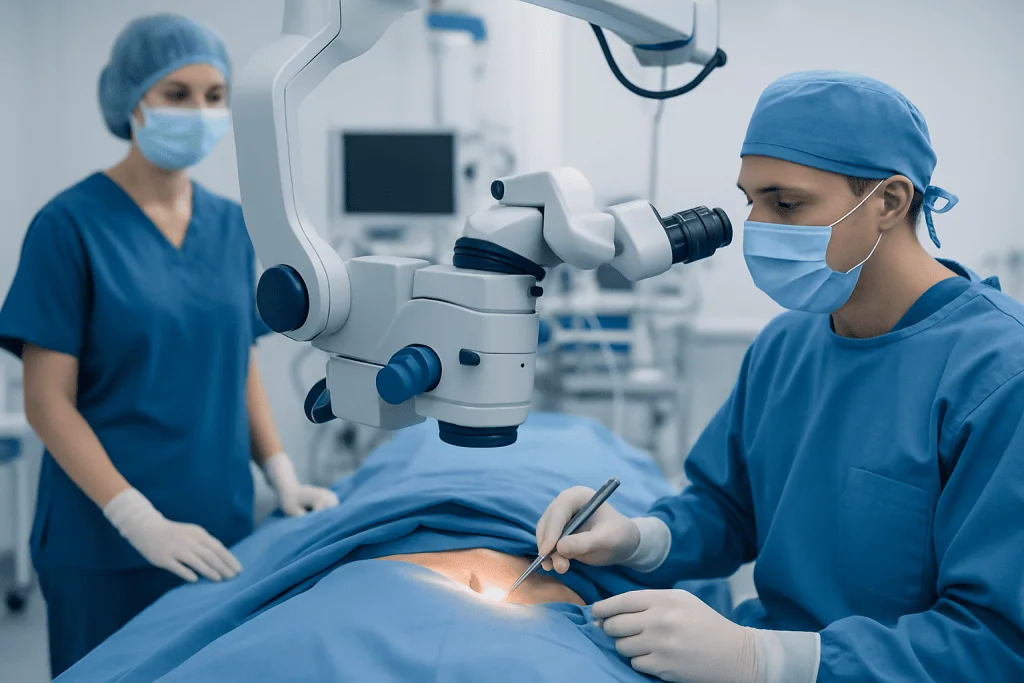
A surgical team first determines the purpose of the operation. For some masses, surgery provides tissue for detailed laboratory testing when a needle biopsy is not suitable or has not provided a clear answer. For other tumors, the goal is complete removal. In cancer surgery, this may include removing a margin of nearby tissue and, in selected cases, nearby lymph nodes to check whether cancer cells have spread.
People may be candidates for surgery when the tumor is localized or can be safely reached, when removal is likely to improve outcomes or symptoms, and when the person is medically fit enough for the planned anesthesia and operation. Candidacy is individualized. A tumor may be difficult to remove if it involves vital blood vessels, nerves, or organs, or if it has spread in a way that makes an operation unlikely to provide benefit.
Planning commonly includes blood tests, imaging such as ultrasound, CT, MRI, or PET scans, and an anesthesia assessment. A multidisciplinary team may include surgeons, medical oncologists, radiation oncologists, radiologists, pathologists, anesthesiologists, rehabilitation professionals, and organ-specific specialists. This coordination is especially important for complex cancer operations.
- Open surgery uses a larger incision to access the tumor.
- Minimally invasive surgery uses several small incisions and a camera, sometimes with robotic assistance.
- Endoscopic procedures use natural openings or small access points for selected tumors.
- Reconstructive surgery may be needed when removal affects appearance, movement, swallowing, breathing, or organ function.
Step by Step: What Happens During Surgery Removal of a Tumor

On the day of surgery, the patient is checked in, the operation is reviewed, and the surgical site may be marked. An anesthesiologist discusses the planned anesthesia and monitors breathing, circulation, pain control, and other vital functions throughout the procedure. Depending on the operation, anesthesia may be local, regional, sedation-based, or general.
Once anesthesia is in place, the surgeon accesses the tumor through the planned incision or minimally invasive approach. The surgeon carefully separates the mass from surrounding structures and removes it, often with a margin of normal-looking tissue when cancer is suspected. In some operations, lymph nodes are sampled or removed. The surgical removal of mass may also require repair or reconstruction of the area afterward.
The removed tissue is sent to a pathology laboratory. A pathologist examines it under a microscope to identify the tumor type and assess features such as grade, margins, and, when relevant, lymph node involvement. During some procedures, a rapid assessment may be requested while surgery is underway, but final pathology results usually take longer.
After the operation, the patient is observed in a recovery area. The team monitors pain, nausea, bleeding, wound condition, oxygen levels, and return of normal body functions. Discharge may occur the same day after a minor procedure or after several days for more extensive surgery.
What Tumors Are Usually Treatable With Surgical Removal?
Many benign tumors can be treated with surgery when they are painful, growing, causing pressure on nearby tissues, affecting function, or creating uncertainty about the diagnosis. Examples include some lipomas, benign thyroid nodules, ovarian cysts, uterine fibroids, benign brain tumors, and noncancerous growths of the skin or digestive tract. However, a benign diagnosis does not automatically mean surgery is required; observation can be appropriate for many stable, symptom-free tumors.
For cancer, surgery is commonly used for solid tumors that are localized or regionally confined and can be removed with acceptable risk. This may include selected cancers of the breast, colon and rectum, kidney, thyroid, lung, skin, pancreas, liver, stomach, uterus, ovary, prostate, and other sites. The exact role of surgery differs by cancer type and stage.
Some cancers are treated first with medication-based therapies or radiation because surgery alone is unlikely to control the disease, the tumor needs to shrink before an operation, or surgery could cause substantial harm. Blood cancers such as leukemia generally are not treated by removing a tumor, although surgery may occasionally be needed to address a complication or obtain diagnostic tissue. A cancer specialist can explain whether surgery is curative, part of combined treatment, or intended mainly for symptom relief.
How Long Does It Take to Recover From a Tumor Removal Surgery?
Recovery after tumor removal surgery varies widely. A minor outpatient procedure may allow a return to light daily activities within a few days, although the incision can take several weeks to heal fully. Recovery after abdominal, chest, pelvic, brain, or other major surgery commonly takes several weeks, and some people need months to regain stamina, strength, and confidence in normal routines.
The recovery timeline is shaped by the location and size of the tumor, whether surgery was open or minimally invasive, whether reconstruction was needed, the person’s age and baseline health, and whether additional treatments are planned. Pain, tiredness, reduced appetite, bowel changes, temporary swelling, and emotional ups and downs can occur during healing. These experiences should be discussed with the care team rather than managed alone.
Before discharge, patients receive instructions about wound care, bathing, medicines, activity limits, lifting restrictions, diet, follow-up visits, and warning signs. Gentle movement, adequate fluids, balanced nutrition, and gradually increasing activity can support recovery when approved by the surgical team. Rehabilitation, physiotherapy, speech and swallowing therapy, or occupational therapy may be recommended after certain operations.
Follow-up is important because the final pathology report may change the treatment plan. The surgeon and oncology team can explain when it is safe to return to work, exercise, driving, travel, and other individual activities.
Do You Still Have Cancer if the Tumor Is Removed?
Removing a cancerous tumor can eliminate all detectable cancer in some people, particularly when the cancer is found early and fully removed with clear margins. However, it is not possible to judge this from the operation alone. The pathology report, imaging, lymph node findings, cancer stage, and tumor biology all help determine whether there is evidence of remaining disease or a risk of recurrence.
A clear surgical margin means that no cancer cells are seen at the edge of the removed tissue under the microscope. This is generally reassuring, but it does not guarantee that microscopic cancer cells are absent elsewhere in the body. If cancer is found at or close to a margin, the team may discuss further surgery, radiation therapy, systemic treatment, or careful monitoring, depending on the diagnosis.
Some patients need treatment after surgery to reduce the chance of cancer returning. Others may receive treatment before surgery to make tumor removal more effective. Regular follow-up appointments, examinations, blood tests, imaging, or other surveillance are tailored to the specific cancer and are an important part of long-term care.
How Risky Is Tumor Removal Surgery?
All operations carry some risk, but the level of risk differs greatly between procedures. Removing a small superficial mass is usually very different from operating near the brain, spinal cord, heart, lungs, major blood vessels, or abdominal organs. The surgeon balances the possible benefits of removing the tumor against the potential effects on organ function and quality of life.
General surgical risks include bleeding, infection, blood clots, reactions to anesthesia, pain, scarring, and delayed wound healing. Depending on the tumor location, there can also be risks such as changes in bowel or bladder function, weakness, numbness, speech or swallowing problems, hormonal changes, reduced lung capacity, or damage to nearby structures. Some complications are temporary, while others may be longer lasting.
Risk assessment includes the planned operation, other medical conditions, medications, smoking status, nutritional health, prior treatments, and functional ability. Patients can help lower some risks by following preoperative instructions, sharing a complete medication list, asking about smoking cessation support, and following postoperative guidance. The surgical team should explain the main risks that apply to the individual operation before consent is given.
For international patients, Acibadem International’s multidisciplinary specialists and JCI-accredited hospitals evaluate and treat tumor conditions with care plans tailored to the tumor type, location, and individual needs.
When to Seek Medical Care
A person should arrange medical assessment for a new lump or mass that persists, enlarges, becomes painful, bleeds, changes the skin over it, or interferes with normal function. Other reasons to seek care include unexplained weight loss, ongoing fatigue, persistent changes in bowel or bladder habits, unusual bleeding, difficulty swallowing, a persistent cough, or neurological symptoms. These symptoms can have many causes, but timely evaluation is appropriate.
After surgery, urgent medical advice is needed for increasing redness, swelling, or drainage from the wound; fever; worsening pain that is not controlled by the prescribed plan; heavy bleeding; shortness of breath; chest pain; fainting; persistent vomiting; or sudden new weakness, confusion, or speech difficulty. Patients should follow the contact instructions provided by their surgical team and seek emergency care for severe or rapidly worsening symptoms.
It is helpful to bring prior imaging reports, biopsy results, medication lists, and relevant medical history to appointments. A qualified doctor can explain whether monitoring, biopsy, surgical removal, or another treatment approach is most appropriate for a particular mass.
Frequently asked questions
Is surgical removal of tumors always necessary?
No. Some tumors can be safely monitored, while others respond better to medicines, radiation therapy, or other treatments. Surgery is considered when it can clarify the diagnosis, remove the tumor, prevent complications, or relieve symptoms.
Can a tumor be removed without open surgery?
In selected cases, tumors can be removed using minimally invasive, robotic, laparoscopic, endoscopic, or image-guided techniques. Whether this is possible depends on the tumor’s size, location, relation to nearby structures, and the required extent of removal.
Will a biopsy be needed before tumor removal surgery?
A biopsy is often used to identify the type of tumor before treatment decisions are made. In some situations, the whole mass is removed first because it is small, easily accessible, or a biopsy would not be safe or sufficiently informative.
What does it mean if surgical margins are clear?
Clear margins mean that a pathologist did not see cancer cells at the outer edge of the tissue removed during surgery. This suggests the tumor was removed with a surrounding border of noncancerous tissue, although follow-up recommendations still depend on the cancer type and stage.
How soon can someone return to normal activity after tumor surgery?
The answer depends on the procedure and individual recovery. Light activity may resume relatively soon after minor surgery, while major surgery can require weeks or longer before normal activities and work are appropriate. The surgeon’s activity guidance should be followed closely.
Can a tumor come back after it is removed?
Yes, some benign and cancerous tumors can recur after removal. The chance of recurrence depends on the tumor type, whether it was completely removed, its biological features, and whether cancer cells had spread. Follow-up care helps detect changes early.
References
- National Cancer Institute
- American Cancer Society
- American College of Surgeons
- World Health Organization
- National Health Service
This article is for general information only and is not a substitute for professional medical advice. Please consult a qualified doctor about your individual situation.
Oncology care in Turkey — second opinion and treatment plan
JCI-accredited · board-certified surgeons · reply within 24h
Add us as a Preferred Source to see more of our trusted health content across Google Search, AI Overviews and Discover.