Terminal Disease: Early Signs, Risk Factors, and How It Is Treated

Terminal disease is a broad term, not a single diagnosis. It usually means an illness has reached an advanced stage where cure is unlikely.
Key Takeaways
- Terminal disease is a broad term, not a single diagnosis.
- It usually means an illness has reached an advanced stage where cure is unlikely.
- Care often focuses on symptom relief, quality of life, and aligning treatment with the patient’s goals.
- Early conversations about palliative care, daily support, and future planning can be helpful.
- Patients should seek medical review promptly if symptoms worsen suddenly or distress becomes hard to manage.
Terminal disease refers to an advanced illness that is not expected to be cured and may limit life expectancy. Even when cure is not possible, treatment can still focus on comfort, symptom control, emotional support, and helping patients and families make informed decisions.
What terminal disease means
Terminal disease is a general term used for a serious illness that has reached an advanced stage and is not expected to be cured. It does not describe one specific condition. Instead, it refers to the outlook of a disease when treatment can no longer reliably stop it from progressing.
People often hear this term in relation to advanced cancer, severe organ failure, progressive neurological conditions, or other illnesses that continue to worsen despite treatment. A terminal diagnosis does not mean that care stops. In many cases, medical care becomes more focused on comfort, symptom relief, emotional wellbeing, and practical support for the patient and family.
The time course can vary widely. Some people live with a terminal disease for months or even longer, while others decline more quickly. Because every condition behaves differently, doctors usually discuss prognosis carefully and may focus more on what to expect, what symptoms can be managed, and what support is available than on giving an exact timeline.
Common types and outlook
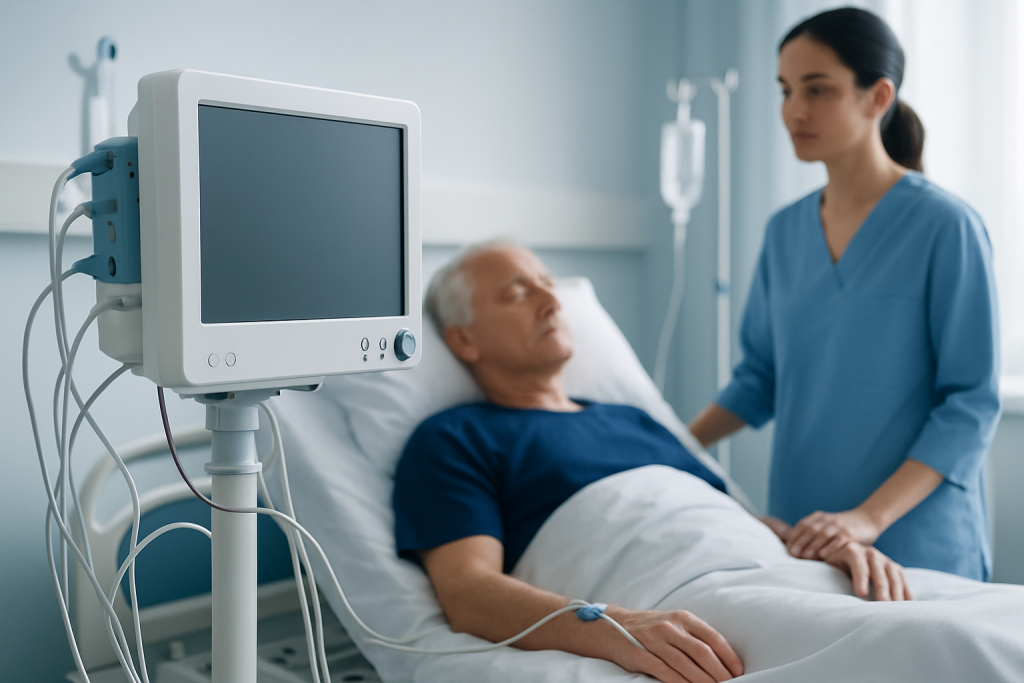
Many different illnesses can become terminal when they reach a late stage. These may include advanced cancer, severe heart failure, end-stage lung disease, advanced kidney failure, cirrhosis, and progressive neurological disorders such as motor neuron disease or advanced dementia. In some cases, repeated infections or frailty can also contribute to a terminal outlook.
Doctors usually determine that a disease is terminal by looking at several factors together. These include how far the illness has progressed, how well it responds to treatment, how quickly symptoms are worsening, and how much it affects daily function. Test results are important, but so are a person’s strength, appetite, mobility, and ability to care for themselves.
Outlook is often discussed in terms of goals rather than certainty. For one person, the priority may be staying comfortable at home. For another, it may be controlling pain while continuing selected treatment. These conversations help shape a care plan that respects medical realities while also honoring the patient’s preferences and values.
Early signs and changes that may suggest advanced disease
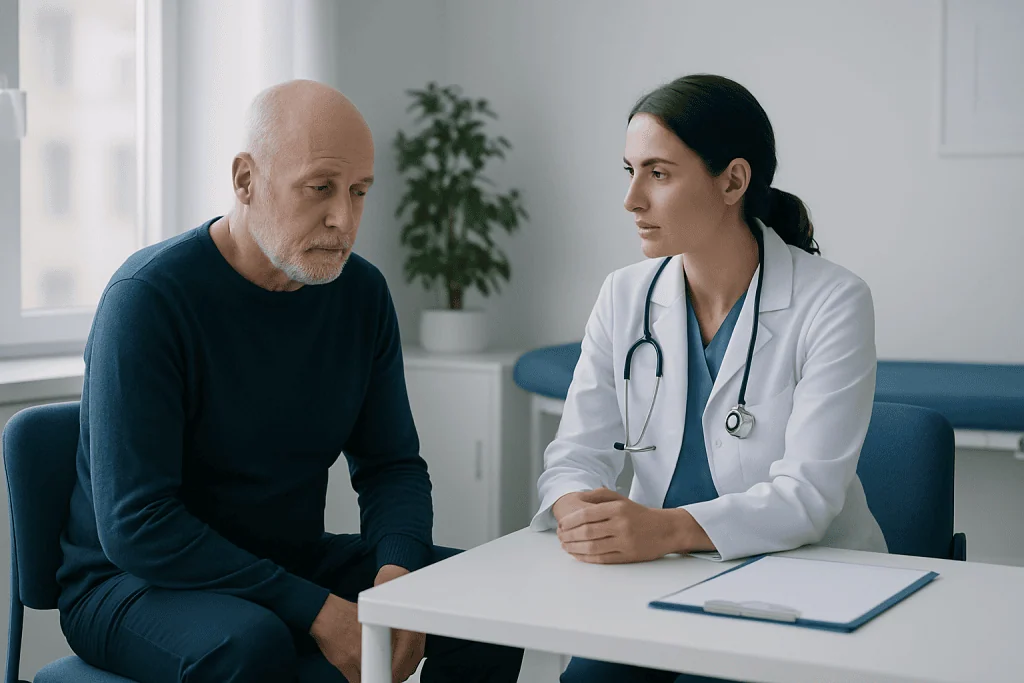
The early signs of a terminal disease are usually the signs of an illness becoming more advanced, rather than a separate set of symptoms unique to the word “terminal.” These changes often develop gradually. They may include increasing fatigue, unintentional weight loss, reduced appetite, declining strength, more time spent in bed or resting, and a growing need for help with everyday activities.
Other warning signs depend on the underlying disease. For example, a person with advanced lung disease may notice worsening breathlessness, while someone with severe heart disease may have increasing swelling and reduced exercise tolerance. In cancer, persistent pain, weakness, difficulty eating, or spread to other organs may suggest progression. Some people also develop sleep changes, confusion, low mood, or withdrawal from usual social activities.
Families sometimes notice that the patient is recovering less well after infections, hospital stays, or minor illnesses. Repeated emergency visits, difficulty swallowing, and a decline in mobility can also suggest that a disease is entering a more advanced stage. These signs do not always mean death is near, but they do signal the need for reassessment and support.
- More severe or frequent symptoms despite treatment
- Ongoing weight loss or poor nutrition
- Reduced independence in bathing, dressing, or walking
- Frequent hospital admissions or complications
- Greater need for pain relief or symptom control
Causes and risk factors
Terminal disease itself is not caused by a single factor. Rather, it is the end stage of illnesses that have continued to progress. The risk factors depend on the underlying condition. For example, smoking may increase the risk of advanced lung disease or some cancers, while long-standing diabetes or high blood pressure can raise the risk of kidney failure, heart disease, and stroke.
Age can also play a role, since many chronic illnesses become more common later in life. Family history, genetic conditions, environmental exposures, infections, and lifestyle factors may contribute as well. In some people, delayed diagnosis or an aggressive form of disease makes progression more likely despite appropriate care.
It is important to remember that risk factors are not the same as causes in an individual person. Many people with risk factors never develop advanced disease, and some people with terminal illness had few or no clear risks. For patients and families, understanding the cause can be helpful, but the main medical focus is usually on current needs, symptom management, and planning next steps.
How doctors diagnose and assess terminal disease
Doctors diagnose a terminal disease by combining the original diagnosis with evidence that the illness has reached an advanced, irreversible stage. This usually includes a medical history, physical examination, symptom review, and tests such as blood work or imaging. The exact process depends on the condition. Someone with suspected spread of cancer may need MRI scanning, while a patient with organ failure may need repeated lab tests and functional assessments.
Assessment goes beyond confirming disease progression. Clinicians also look at symptom burden, nutrition, movement, mental clarity, emotional distress, and how well the person manages daily life. These details help the care team understand not only how advanced the illness is, but also what kind of support is needed at home, in hospital, or in a palliative care setting.
Good communication is a key part of diagnosis. Patients may want clear explanations of what the disease means now, which treatments may still help, and which treatments are unlikely to offer benefit. Honest, compassionate discussions help people prepare, ask questions, and make decisions that fit their goals and beliefs.
Treatment options: comfort, control, and supportive care
Treatment for terminal disease often aims to improve quality of life rather than cure the underlying illness. This may still include disease-directed treatment when it can relieve symptoms or slow progression in a meaningful way. For example, some patients may continue chemotherapy or receive radiation therapy to reduce pain, bleeding, or pressure caused by tumors, even when cure is no longer realistic.
Palliative care is a central part of treatment. It focuses on relief of pain, breathlessness, nausea, constipation, fatigue, anxiety, sleep problems, and other distressing symptoms. Palliative care can be provided alongside other medical treatment and is appropriate at any stage of serious illness, not only in the final days or weeks.
Some people may eventually be referred to hospice care, which usually emphasizes comfort and support when life expectancy is limited and curative treatment is no longer being pursued. Support may include nursing care, counseling, spiritual care, equipment for home use, and help for family caregivers. In selected situations, procedures such as pain management interventions or fluid drainage may also improve comfort.
Care is often provided by a multidisciplinary team that may include specialists, primary doctors, nurses, palliative care experts, dietitians, psychologists, physiotherapists, and social workers. Near the end of the care pathway, Acibadem International’s multidisciplinary specialists and JCI-accredited hospitals also diagnose and treat complex advanced illnesses for international patients when coordinated evaluation is needed.
Self-care, planning, and support for daily life
Self-care in terminal disease is not about curing the illness. It is about conserving energy, easing symptoms, and maintaining dignity and comfort. Small, frequent meals, good hydration when possible, gentle movement as tolerated, pressure relief, and regular medication schedules may all help. Family members or caregivers often play a major role in daily support.
Emotional care matters as much as physical care. Many patients feel fear, sadness, anger, uncertainty, or a need to talk about what matters most to them. Counseling, faith support, support groups, and open family conversations can reduce isolation and help everyone cope. It may also be helpful to discuss practical issues such as home care needs, legal planning, preferred place of care, and emergency contacts.
Advance care planning allows patients to express their wishes clearly. This can include preferences about hospital treatment, resuscitation, feeding support, or who should help make decisions if they become unable to speak for themselves. These conversations are often difficult, but they can reduce stress later and help ensure care remains consistent with the patient’s values.
When to seek medical care
People living with a terminal disease should seek medical care whenever symptoms change significantly or become harder to manage. Warning signs include severe pain, sudden breathlessness, new confusion, agitation, repeated vomiting, inability to keep medicines down, falls, bleeding, seizures, or a sharp drop in alertness. Prompt review can help relieve distress and may prevent unnecessary suffering.
It is also important to contact a doctor or palliative care team when eating and drinking become difficult, constipation is severe, pressure sores appear, or caregivers feel unable to cope safely at home. Sometimes the need for medical attention is not an emergency but a sign that the care plan should be adjusted.
Regular follow-up is valuable even when the main goal is comfort. Ongoing review allows clinicians to adapt treatment, support families, and discuss what changes may happen next. Patients should never feel that asking for help is a burden; timely support is an important part of good terminal care.
Frequently asked questions
What is the difference between terminal disease and chronic disease?
A chronic disease is a long-term condition that may be stable, manageable, or slowly progressive over many years. A terminal disease is an illness that has advanced to the point where cure is no longer expected and life expectancy may be limited.
Does a terminal disease always mean death is very near?
Not always. Some people live with a terminal illness for months or longer, depending on the disease, response to treatment, and overall health. Doctors usually focus on likely patterns and goals of care rather than exact timelines.
Can treatment still help if a disease is terminal?
Yes. Treatment can still be very important for controlling pain, breathlessness, nausea, anxiety, and other symptoms. In some cases, selected medical treatments may also slow progression or reduce complications, even if cure is not possible.
What is palliative care, and when should it start?
Palliative care is specialized care that focuses on symptom relief, quality of life, communication, and support for patients and families. It can begin at any stage of a serious illness and does not require stopping other treatments.
Is hospice the same as palliative care?
They are related but not identical. Palliative care can be provided alongside active treatment at many stages of illness, while hospice care is usually for people with a limited life expectancy who are mainly receiving comfort-focused care.
How can families support someone with a terminal disease?
Families can help by assisting with medicines, meals, appointments, mobility, and emotional support. Just as important is listening to the patient’s wishes and asking the care team for guidance when symptoms change or caregiving becomes difficult.
References
- World Health Organization
- National Cancer Institute
- American Academy of Hospice and Palliative Medicine
- National Institute on Aging
- Centers for Disease Control and Prevention
This article is for general information only and is not a substitute for professional medical advice. Please consult a qualified doctor about your individual situation.
Oncology care in Turkey — second opinion and treatment plan
JCI-accredited · board-certified surgeons · reply within 24h
Check your numbers in seconds
BMI, calories, due date, blood pressure and 30+ more clinical calculators — free, instant, doctor-reviewed ranges.

More from the Health Library



Related Specialists

Dr. Samprie Ouzoun
Cardiology
Dr. Tahir Aslan
Gynecology & Obstetrics
Prof. Dr. İsmet Aydoğdu
Hematology
Assoc. Prof. Dr. Barış Görgün
Orthopedic Surgery & Traumatology