Treatment for Constipation in Adults: How It Works, Results and What to Expect

Constipation treatment usually begins with identifying contributing habits, medicines and health conditions. Fiber, fluids, regular activity and a consistent toilet routine can help many adults prevent recurrence.
Key Takeaways
- Constipation treatment usually begins with identifying contributing habits, medicines and health conditions.
- Fiber, fluids, regular activity and a consistent toilet routine can help many adults prevent recurrence.
- Laxatives may be useful, but the best type and duration depend on the individual and should be discussed with a clinician when symptoms persist.
- Severe abdominal pain, vomiting, a swollen abdomen, inability to pass gas, rectal bleeding or unexplained weight loss need prompt medical evaluation.
- Chronic constipation can be managed effectively when a clinician identifies its cause and creates a personalized plan.
Treatment for constipation in adults is tailored to the cause, symptom severity and duration. Many people improve with fluids, dietary fiber, activity and short-term medicines, while persistent or concerning symptoms need medical assessment to rule out an underlying condition or bowel blockage.
Treatment for Constipation in Adults: How It Works
Treatment for constipation in adults aims to make stools easier to pass, restore a comfortable bowel pattern and address the reason constipation developed. Constipation commonly means passing fewer stools than usual, having hard or lumpy stools, straining, feeling incompletely emptied or needing to help a bowel movement pass. A normal bowel frequency varies widely, so the person’s usual pattern and symptoms are more important than a particular number of bowel movements.
For recent, mild constipation, treatment often starts with practical measures: gradually increasing fiber-containing foods, drinking enough fluid for individual health needs, being physically active and allowing unhurried time for toileting. A clinician may recommend a short course of a laxative when these measures are not enough or faster relief is needed. The choice can include bulk-forming, osmotic, stimulant, stool-softening or rectal medicines, depending on the situation.
Long-lasting constipation deserves a more individualized approach. Doctors consider medicines such as opioid pain relievers, iron supplements and some antacids; medical conditions including diabetes or thyroid disorders; pelvic floor coordination problems; and bowel disorders. Constipation can also occur with functional bowel conditions, including irritable bowel syndrome with constipation, in which abdominal pain and bowel-pattern changes are important features.
Who May Need Medical Treatment and Assessment?
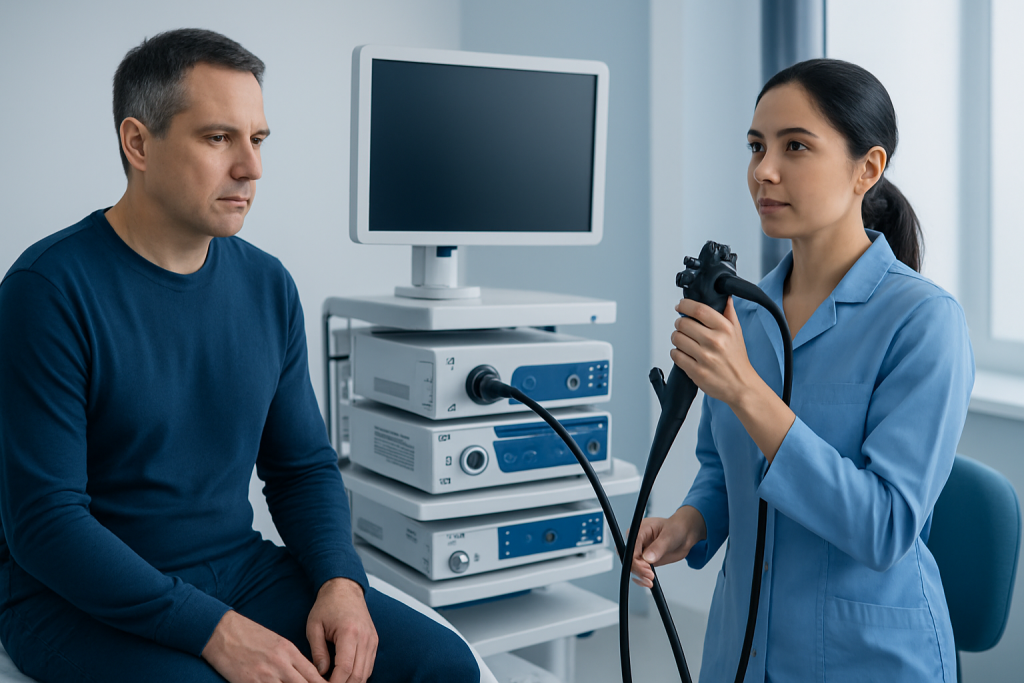
Adults who have occasional constipation without warning symptoms can often begin with self-care and advice from a pharmacist or doctor. Medical review is especially helpful when constipation lasts longer than a few weeks, returns repeatedly, affects daily life, begins after age 50 without an obvious explanation, or does not improve with reasonable lifestyle changes and over-the-counter treatment.
A clinician will ask about the timing of symptoms, diet, hydration, mobility, toilet habits, medical history and all prescription and non-prescription medicines. They may also ask whether symptoms began after surgery, travel, an illness or a major change in routine. This helps distinguish slow stool transit, difficulty emptying the rectum, medication-related constipation and other causes.
People who are pregnant, older adults, people with kidney or heart disease, and those taking several medicines should seek professional advice before choosing a laxative. Certain products may not be suitable in specific health situations, and changing a prescribed medicine without medical guidance is not recommended.
What Happens During Constipation Treatment?

There is usually no single procedure for constipation. Instead, care follows a step-by-step process that starts with a clinical history and physical examination. The clinician may examine the abdomen and, when appropriate, perform a rectal examination to check for stool in the rectum, fissures, hemorrhoids, muscle coordination concerns or other findings that may affect treatment.
Initial treatment commonly includes setting a realistic fiber goal and increasing it gradually to reduce bloating and gas. Food sources may include vegetables, fruit, beans, whole grains, nuts and seeds. Adequate fluid intake supports fiber, unless a doctor has advised fluid restriction. Establishing a regular bathroom routine, often after a meal when the bowel is naturally more active, can also be useful. Responding to the urge to pass stool rather than delaying it may help prevent stool from becoming harder.
If medicine is needed, an osmotic laxative may draw water into the bowel to soften stool, while a stimulant laxative encourages bowel contractions and may be used for short-term rescue in selected cases. Suppositories or enemas can sometimes be used when stool is retained in the rectum, but they should not be used repeatedly without medical advice. For chronic idiopathic constipation that has not responded to simpler measures, specialists may consider prescription medicines that increase fluid secretion in the intestine or affect bowel motility.
Further tests are not required for everyone. Blood tests may look for metabolic or hormonal contributors. Colonoscopy or imaging may be appropriate when warning signs are present or screening is due. Specialized testing, such as anorectal manometry or a balloon expulsion test, can assess pelvic floor function when a person has ongoing difficulty emptying despite suitable treatment.
Benefits, Risks and Expected Recovery Timeline
The main benefit of effective treatment is a return to easier, more complete bowel movements with less straining, discomfort and bloating. For short-term constipation, response may occur within hours to several days, depending on the cause and the treatment used. Fiber changes often take longer, commonly several days to a few weeks, because the bowel needs time to adjust.
Recovery is best viewed as symptom improvement rather than a fixed timetable. A person may first notice softer stools and less straining, followed by a more predictable routine. If constipation is linked to an ongoing medicine, a chronic condition or pelvic floor dysfunction, management may take longer and may require follow-up adjustments rather than a one-time remedy.
Laxatives can cause gas, cramps, loose stools or urgency. Excessive or prolonged use of some products may lead to dehydration or changes in electrolyte balance, particularly in older adults or people with kidney disease. Bulk-forming fiber products should be taken with sufficient fluid and are not appropriate if a bowel obstruction is suspected. It is important to follow product instructions and seek medical advice rather than escalating treatment repeatedly when symptoms do not improve.
How Long Does It Take to Fully Relieve Constipation?
There is no single timeframe for full relief. Mild constipation related to a temporary change in routine may improve within one to three days with hydration, activity, dietary adjustments and an appropriate short-term laxative. Some rectal treatments can work more quickly, but they are not the right choice for every person and should be used as directed.
When constipation has developed gradually or persisted for weeks, improvement may take days to several weeks. Increasing fiber too quickly can worsen bloating, so gradual changes are generally more comfortable. Chronic constipation may need ongoing strategies and follow-up to find the safest and most effective combination.
If symptoms worsen, do not improve after a reasonable period of self-care, or repeatedly return after treatment, medical assessment is appropriate. A doctor can check whether the plan needs to change and whether an underlying cause should be investigated.
How to Tell If Constipation Is Resolved?
Constipation is usually considered improved when stools are easier to pass, straining is reduced, the feeling of incomplete emptying has settled and bowel movements have returned to a pattern that is comfortable for that individual. It is not necessary to have a bowel movement every day. The goal is a sustainable routine without distressing symptoms.
Stools that are soft and formed, rather than hard pellets or very loose stools, are generally a helpful sign. The person should also have less abdominal discomfort, bloating and need to use manual assistance. Keeping a brief record of bowel movements, stool consistency, food intake and medicines can help identify patterns and guide follow-up care.
Temporary diarrhea after laxative use does not necessarily mean constipation is fully resolved; it may mean the dose or product needs adjustment. Recurrent constipation, ongoing abdominal pain or new symptoms should be discussed with a qualified clinician.
How Do You Tell If It Is Constipation or a Blockage?
Constipation and bowel obstruction can sometimes cause similar symptoms, such as abdominal discomfort, bloating and difficulty passing stool. However, an obstruction is a medical concern in which stool and gas cannot move normally through the bowel. It may be caused by conditions such as scar tissue after surgery, a hernia, inflammation or, less commonly, a growth.
Warning signs that may suggest an obstruction include severe or worsening cramping abdominal pain, a markedly swollen abdomen, repeated vomiting, inability to pass gas as well as stool, fever, or feeling very unwell. These symptoms require urgent medical assessment. A person should not try to treat suspected obstruction with additional laxatives or enemas unless a clinician has advised it.
Some people with partial obstruction can still pass small amounts of stool or liquid, so passing stool does not always rule out a serious problem. Doctors use the history, examination and, when needed, blood tests and imaging to determine whether constipation is uncomplicated or whether a blockage needs prompt treatment.
What Do Doctors Do When You Go In for Constipation?
Doctors begin by assessing how long symptoms have been present, whether there are alarm features, and whether medicines or medical conditions could be contributing. They will usually examine the abdomen and may perform a rectal examination. This can identify hard stool in the rectum, signs of bleeding, tenderness or other findings that guide immediate care.
When uncomplicated constipation is likely, a clinician may recommend dietary and routine changes, adjust a contributing medicine where appropriate, and select a laxative plan. If there is fecal impaction, treatment may include suppositories, enemas or carefully supervised removal of retained stool. The exact approach depends on the person’s symptoms, examination and health history.
Testing is considered when symptoms are persistent, unexplained or associated with warning signs. This can include blood tests, imaging, colonoscopy when indicated, or functional tests for the muscles involved in bowel emptying. At Acibadem International, multidisciplinary specialists in JCI-accredited hospitals assess and treat digestive concerns for international patients, including persistent constipation requiring coordinated evaluation.
When constipation is accompanied by chronic abdominal pain or bowel habit changes, clinicians may also assess related digestive conditions such as irritable bowel syndrome. The care plan should be reviewed over time so that treatment remains effective, appropriate and safe.
When to Seek Medical Care
Prompt medical care is needed for severe or increasing abdominal pain, vomiting, a swollen abdomen, inability to pass gas, rectal bleeding, black stools, fainting, fever or symptoms of dehydration. These features can indicate a problem more serious than uncomplicated constipation and should not be managed with repeated home remedies alone.
A non-urgent appointment is appropriate for constipation that is new and persistent, occurs with unexplained weight loss, anemia, fatigue, a family history of colorectal cancer or inflammatory bowel disease, or a clear change from the usual bowel pattern. People who need laxatives regularly should also speak with a doctor about safer long-term management.
For ongoing symptoms, a gastroenterology assessment can clarify whether dietary measures, medication review, pelvic floor therapy or further tests are most useful. Early, balanced evaluation can help relieve symptoms while avoiding unnecessary treatment.
Frequently asked questions
What is the best treatment for constipation in adults?
The best treatment depends on the cause, duration and severity of symptoms. Many adults benefit from gradually increasing dietary fiber, drinking enough fluid, being active and using a suitable short-term laxative if needed. Persistent constipation should be assessed by a doctor, especially if it affects quality of life or does not respond to initial measures.
Can adults use laxatives every day for constipation?
Some people with chronic constipation may need regular laxative treatment under medical guidance. The appropriate product, frequency and duration depend on medical history, other medicines and the type of constipation. Regular self-treatment without review can mask an underlying issue or cause side effects.
How long does it take to fully relieve constipation?
Mild, temporary constipation may improve in hours to a few days, depending on the treatment used. Dietary fiber and routine changes can take several days or weeks to have their full effect. If there is no improvement or symptoms are recurring, medical advice is recommended.
How do I know whether constipation is resolved?
Constipation is generally improved when bowel movements are comfortable, stools are easier to pass, straining has reduced and the sensation of incomplete emptying has gone. Daily bowel movements are not required; a comfortable and usual pattern is the goal. Continued pain, bloating or recurrent hard stools suggests further adjustment may be needed.
How can I tell constipation from a bowel blockage?
A bowel blockage may cause severe or worsening abdominal pain, significant swelling, vomiting and inability to pass gas or stool. These symptoms require urgent medical assessment. Because a partial blockage can sometimes still allow small bowel movements, it is safer to seek care if symptoms are severe or unusual rather than trying more laxatives.
What will a doctor do for severe constipation?
A doctor will review symptoms, medicines and medical history, then examine the abdomen and sometimes the rectum. They may recommend specific laxatives or rectal treatment if stool is impacted, and arrange blood tests or imaging if there are warning signs. Longer-term care may include medication changes, specialist testing or treatment for an underlying digestive condition.
References
- National Institute of Diabetes and Digestive and Kidney Diseases
- American College of Gastroenterology
- National Health Service
- Mayo Clinic
- World Gastroenterology Organisation
This article is for general information only and is not a substitute for professional medical advice. Please consult a qualified doctor about your individual situation.
Persistent digestive symptoms? Get evaluated in Turkey
JCI-accredited · board-certified surgeons · reply within 24h
Add us as a Preferred Source to see more of our trusted health content across Google Search, AI Overviews and Discover.

More from the Health Library



Related Specialists

Dt. Ceren Güney Güleç
Oral & Dental Health
Dr. Muzaffer Bora Okar
General Surgery
Dr. Münür Selçuk Kendir
Aesthetic Plastic & Reconstructive Surgery
Fzt. İsmail Ateş
Physical Medicine and Rehabilitation