

Tummy Tightening Pregnancy Explained: Causes, Management, and When to See a Doctor

A tight or hard-feeling belly in pregnancy is often normal, especially as the uterus grows. Braxton Hicks contractions usually feel irregular, brief, and improve with rest or hydration.
Key Takeaways
- A tight or hard-feeling belly in pregnancy is often normal, especially as the uterus grows.
- Braxton Hicks contractions usually feel irregular, brief, and improve with rest or hydration.
- Painful, regular tightening or symptoms such as bleeding or leaking fluid need prompt medical advice.
- Hydration, changing position, gentle rest, and bladder emptying may help ease harmless tightening.
- A doctor can check whether symptoms are due to normal pregnancy changes, preterm labor, or another condition.
Tummy tightening in pregnancy is commonly caused by normal uterine growth, changes in the abdominal muscles, or Braxton Hicks contractions. It is often harmless, but tightening that is regular, painful, or linked with bleeding, fluid leakage, fever, or reduced fetal movement should be assessed by a doctor.
Overview: what tummy tightening in pregnancy usually means
Tummy tightening pregnancy symptoms usually describe a belly that feels firm, hard, stretched, or briefly “balling up.” In many cases, this happens because the uterus is growing, the abdominal wall is under more tension, or the uterus is having mild practice contractions known as Braxton Hicks. These sensations can be uncomfortable, but they are often part of a normal pregnancy.
The feeling can vary from person to person. Some describe a sudden tightening across the whole abdomen, while others notice a hard patch or a temporary pulling sensation low in the belly. Tightening may be more noticeable later in pregnancy, but it can also happen earlier as the uterus expands and the ligaments supporting it stretch.
The most important point is context. Tightening that is brief, irregular, and not getting stronger is often less concerning than tightening that becomes rhythmic, painful, frequent, or associated with other symptoms. A healthcare professional can help distinguish normal body changes from signs that need closer attention.
How it can feel and when it tends to happen
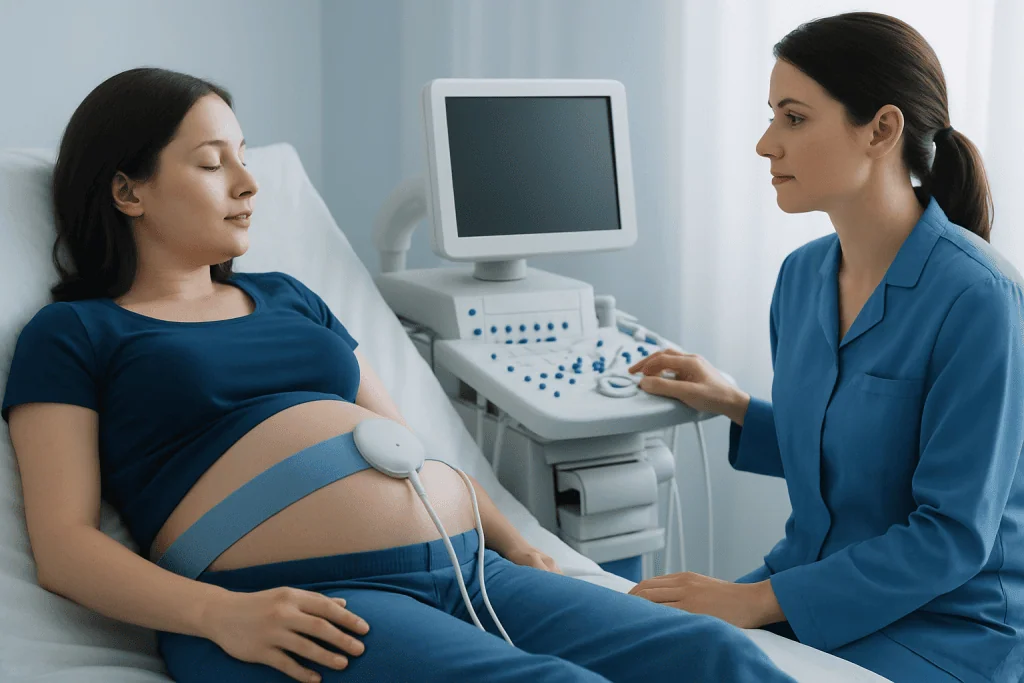
Tummy tightening may feel like pressure, firmness, cramping, or a temporary hardening of the uterus. For some, it occurs after walking, climbing stairs, exercise, sex, dehydration, or a full bladder. Others notice it more in the evening, when the uterus may be more irritable after a busy day.
Braxton Hicks contractions are a common reason for this feeling, especially in the second and third trimesters. These contractions are usually irregular, do not become steadily closer together, and often settle with rest, hydration, or a change in activity. They are different from true labor contractions, which usually become more regular, stronger, and longer over time.
Pregnancy can also bring stretching discomfort in the ligaments and muscles around the uterus. This may create a tightening or pulling sensation, particularly when standing up quickly, coughing, or changing position. In some cases, digestive causes such as bloating or constipation can also add to a sense of abdominal tightness during pregnancy.
Common causes of tummy tightening in pregnancy

One of the most common causes is normal uterine growth. As the uterus expands, surrounding muscles, connective tissues, and skin stretch to accommodate the developing baby. This can create a persistent sense of tension or intermittent firmness, particularly later in pregnancy.
Braxton Hicks contractions are another frequent cause. These are sometimes called “practice contractions” because they prepare the uterus for labor without opening the cervix. They are often described as tightening rather than pain, although some people find them uncomfortable. Dehydration, overexertion, stress, and a full bladder may make them more noticeable.
Other possible causes include round ligament pain, constipation, trapped gas, and temporary muscle strain in the abdominal wall. Less commonly, tightening may be linked with medical issues such as uterine irritability, preterm labor, placental problems, urinary infection, or conditions that cause abdominal pain. If there is concern about preterm labor, a doctor may also discuss related pregnancy complications such as premature birth.
- Normal uterine stretching
- Braxton Hicks contractions
- Round ligament strain
- Constipation or bloating
- Dehydration or overactivity
- Urinary or other infection
- Preterm labor or labor at term
When tightening may be a sign of labor or another problem
Not all tightening means labor, but a pattern matters. True labor contractions usually become regular, stronger, and closer together. They often do not ease with rest or hydration and may be felt in the lower abdomen, back, or both. If tightening follows a repeated pattern or becomes progressively more painful, medical advice is important.
Symptoms that deserve prompt assessment include vaginal bleeding, leaking fluid, fever, severe or one-sided pain, painful urination, fainting, or reduced fetal movement. Tightening with pressure low in the pelvis, back pain, or menstrual-like cramps before 37 weeks may suggest preterm labor and should not be ignored.
Sometimes the concern is not the uterus itself but another condition causing abdominal pain or tension. Examples include a urinary tract infection, dehydration, gastrointestinal upset, or rarely placental complications. In later pregnancy, healthcare teams may use examination and ultrasound to check the baby, placenta, and uterine activity when symptoms are unclear.
How doctors assess tummy tightening during pregnancy
Assessment starts with a careful description of the symptoms. A doctor or midwife may ask when the tightening began, how often it happens, how long it lasts, whether it is painful, and whether there are triggers such as walking, dehydration, sex, or a full bladder. They will also ask about bleeding, fluid leakage, fever, fetal movement, and any history of preterm labor.
The physical evaluation may include checking the abdomen, the mother’s vital signs, and sometimes the cervix, depending on the stage of pregnancy and the symptoms. Fetal heart rate monitoring may be used to assess the baby’s well-being. Urine testing can help look for infection or dehydration, and blood tests may be considered if there are signs of illness or complications.
If symptoms suggest contractions, preterm labor, or another pregnancy issue, imaging and obstetric monitoring can provide more information. In some situations, doctors may review the baby and placenta with pregnancy follow-up services and may also consider conditions such as high-risk pregnancy if there are additional risk factors or concerning findings.
What may help ease harmless tightening
If tummy tightening is mild, irregular, and not accompanied by warning signs, simple measures may help. Resting on the side, slowing activity, and drinking water are often useful, especially if symptoms follow a busy day or possible dehydration. Emptying the bladder can also reduce uterine irritability in some people.
Gentle movement and posture changes may relieve tension linked to muscle strain or ligament stretching. Supportive clothing, avoiding long periods of standing, and pacing physical activity can also help. If constipation or bloating is contributing, a clinician may suggest pregnancy-safe changes in diet, fluids, and daily habits.
It is best not to self-diagnose persistent or severe tightening as “just Braxton Hicks.” If symptoms are new, frequent, or worrying, a qualified doctor should advise on the safest next step. For patients who need specialist assessment, centers such as Acibadem International offer multidisciplinary pregnancy care in JCI-accredited hospitals for international patients.
When to seek medical care
Medical advice should be sought if tightening is regular, painful, increasing in intensity, or occurring more often over time. This is especially important before 37 weeks, when repeated contractions may be a sign of preterm labor. Even if the symptoms later settle, it is safer to report them and receive guidance.
Urgent assessment is recommended for vaginal bleeding, leaking fluid, fever, severe abdominal pain, reduced fetal movement, or dizziness. Tightening with strong back pain, pelvic pressure, or a feeling that something is “not right” also deserves attention. Pregnant patients know their bodies well, and a change from the usual pattern is worth discussing.
People with twins, a previous preterm birth, placental concerns, high blood pressure, or other complications may need a lower threshold for contacting their obstetric team. If a doctor suspects labor or another serious cause, management may include monitoring, hospital observation, or treatments tailored to the pregnancy stage and underlying issue. In selected situations, specialists may coordinate perinatology care for closer maternal-fetal assessment.
Frequently asked questions
Is tummy tightening during pregnancy normal?
Yes, tummy tightening during pregnancy is often normal. It commonly happens because the uterus is growing or because of Braxton Hicks contractions, which are usually irregular and temporary. Still, if the tightening becomes painful, regular, or comes with bleeding or fluid leakage, medical advice is important.
How can someone tell the difference between Braxton Hicks and real labor?
Braxton Hicks contractions are usually irregular, do not get steadily closer together, and may improve with rest, hydration, or changing position. Real labor contractions tend to become more regular, stronger, and longer over time. If there is any doubt, especially before 37 weeks, a doctor or midwife should be contacted.
Can dehydration cause tummy tightening in pregnancy?
Yes, dehydration can make the uterus more irritable and may trigger tightening or Braxton Hicks contractions. Drinking water and resting often helps if dehydration is the cause. If the tightening continues despite fluids or feels painful, a medical review is sensible.
Is a hard belly in pregnancy always a contraction?
No, a hard belly is not always a contraction. The abdomen can feel firm because the uterus is stretching, the baby has changed position, or the abdominal muscles are under tension. Digestive issues such as bloating can also create a tight sensation.
When should tummy tightening in pregnancy be checked urgently?
Urgent care is needed if tightening is regular, painful, or associated with bleeding, leaking fluid, fever, severe pain, or reduced fetal movement. Tightening before 37 weeks should be taken seriously because it can sometimes signal preterm labor. It is also important to seek help if the pregnant person simply feels something is not right.
What can help relieve mild pregnancy tightening at home?
For mild and irregular tightening, resting, drinking water, emptying the bladder, and changing position may help. Reducing strenuous activity and avoiding long periods on the feet can also be useful. Home measures are only appropriate if there are no warning signs and symptoms are clearly easing.
References
- American College of Obstetricians and Gynecologists
- National Health Service
- Mayo Clinic
- World Health Organization
This article is for general information only and is not a substitute for professional medical advice. Please consult a qualified doctor about your individual situation.
Explore treatments in Turkey — costs, top hospitals & a free quote
JCI-accredited · board-certified surgeons · reply within 24h

More from the Health Library



Related Specialists

Dr. Anıl Doğan
Pediatrics
Assoc. Prof. Dr. Mehmet Sağır
Aesthetic Plastic & Reconstructive Surgery
Dt. Neslihan Türker
Oral & Dental Health
Dr. Ceyda Perçinoğlu
Gynecology & Obstetrics