Type 2 diabetes remission Treatment Options: From Medication to Surgery

Remission means blood glucose remains below the diabetes threshold for at least three months without glucose-lowering medicines; it is not the same as a permanent cure. Weight loss and sustained changes in eating patterns and activity can help some people achieve remission, especially earlier in type 2 diabetes.
Key Takeaways
- Remission means blood glucose remains below the diabetes threshold for at least three months without glucose-lowering medicines; it is not the same as a permanent cure.
- Weight loss and sustained changes in eating patterns and activity can help some people achieve remission, especially earlier in type 2 diabetes.
- Diabetes medicines may still be essential during weight-loss efforts and should never be stopped without clinician guidance.
- Metabolic surgery can improve glucose control and may lead to remission in carefully selected patients, particularly when obesity is present.
- Regular monitoring remains important after remission because blood glucose can rise again and diabetes-related risks may persist.
Type 2 diabetes remission treatment aims to bring blood glucose below the diabetes range without glucose-lowering medication for a sustained period. It most often involves intensive lifestyle and weight-management support, while selected people may benefit from metabolic surgery alongside lifelong follow-up.
Overview: What Type 2 Diabetes Remission Treatment Means
Type 2 diabetes remission treatment is a structured approach to bringing blood glucose levels below the diabetes range without the ongoing use of glucose-lowering medication. International expert guidance generally defines remission as an HbA1c result below 6.5% for at least three months after diabetes medicines have been stopped. When HbA1c cannot be measured reliably, clinicians may use other validated glucose measures.
Remission is not considered a cure. Type 2 diabetes can return if weight is regained, insulin production declines over time, illness occurs, or lifestyle changes become difficult to sustain. Even when glucose results improve substantially, ongoing check-ups remain important to protect heart, kidney, nerve and eye health.
The most appropriate plan depends on factors such as how long a person has had diabetes, their current glucose levels, body weight, other health conditions, medications and personal goals. A clinician can help distinguish realistic remission goals from general improvements in blood sugar control, which are valuable even when full remission is not achieved.
How Remission Can Happen
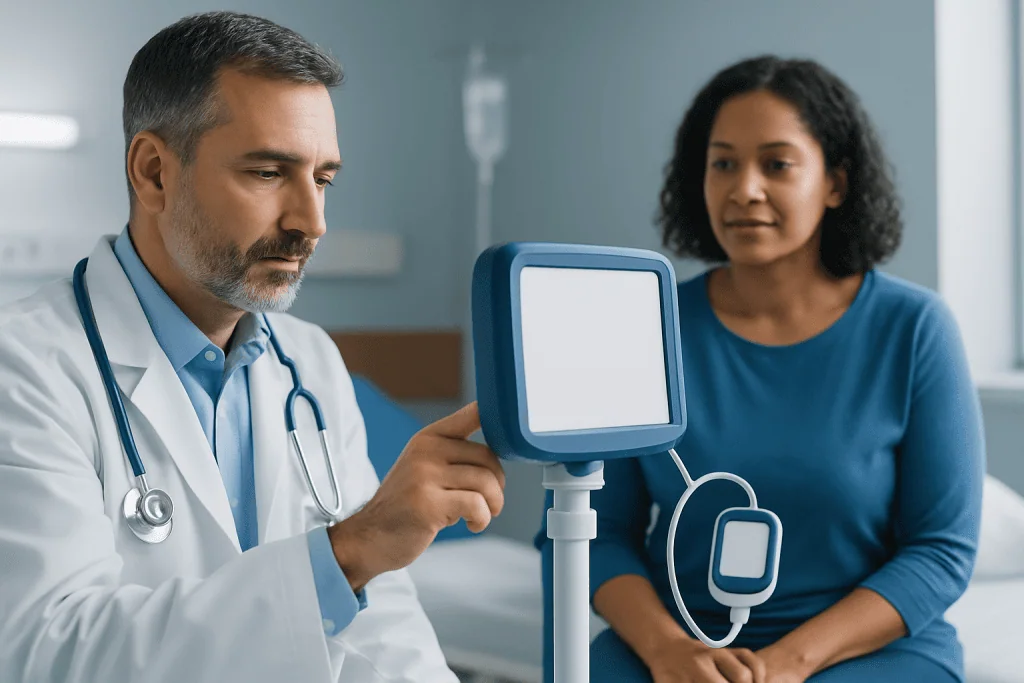
Type 2 diabetes develops when the body does not respond effectively to insulin and, over time, the pancreas cannot produce enough insulin to meet the body’s needs. Excess fat in and around the liver and pancreas can worsen insulin resistance and impair insulin-producing cells. For many people with overweight or obesity, meaningful and sustained weight loss can reduce these effects and improve glucose regulation.
Nutrition changes, increased physical activity, sleep support and behaviour-based weight management can all contribute. Some people achieve major weight loss through a low-calorie dietary programme under medical supervision; others use gradual dietary changes, anti-obesity medicines where appropriate, or structured support programmes. The aim is not a single “diabetes diet,” but an eating pattern that can be maintained safely over time.
Remission is more likely when type 2 diabetes has been present for a shorter time and when substantial weight loss can be maintained, but it cannot be predicted with certainty. People at any body size can improve glucose control through individualised care, and some may need medication despite excellent lifestyle habits.
Medication Within a Remission-Focused Plan

Medication is an important part of type 2 diabetes care and may be used before, during and after a remission-focused programme. Medicines can lower glucose, reduce the risk of complications and, in some cases, support weight loss. They are not a sign of failure; rather, they can help make glucose management safer while longer-term changes take effect.
A clinician may review medicines as food intake, body weight and activity levels change. Insulin and certain tablets that increase insulin release can cause low blood glucose if they are not adjusted when calorie intake falls or weight loss is rapid. For this reason, medication changes should be planned and monitored by the diabetes care team.
If blood glucose remains below the diabetes threshold without glucose-lowering medication, a clinician may document remission. Medicines prescribed primarily for heart, kidney or weight-related benefits may be considered separately, so treatment decisions should always reflect the person’s overall health rather than a remission label alone.
- Do not stop diabetes medication independently.
- Ask how often home glucose checks are needed during dietary or medication changes.
- Continue blood pressure, cholesterol and cardiovascular risk management as advised.
Metabolic Surgery: How It Works and Who May Be Considered
Metabolic surgery, also called bariatric surgery, refers to operations that alter the stomach and sometimes the small intestine to support substantial weight loss and beneficial metabolic changes. Procedures such as sleeve gastrectomy and gastric bypass can improve insulin sensitivity, appetite regulation and gut hormone signalling. For some people, glucose levels improve rapidly after surgery, even before major weight loss occurs.
For a detailed discussion of pathways, eligibility and long-term planning, patients can review type 2 diabetes remission treatment options. Surgery may be considered for adults with type 2 diabetes and obesity when non-surgical measures have not provided adequate metabolic improvement, or when clinical guidelines support an earlier referral based on body mass index, diabetes severity and health risks.
Candidacy is assessed individually by a multidisciplinary team. The review may include diabetes history, body weight and previous treatments, cardiovascular health, sleep apnoea, liver health, nutritional status, mental health, ability to attend follow-up and readiness for lifelong dietary changes. Surgery is not suitable for everyone, and it is one option within comprehensive diabetes care rather than a replacement for follow-up.
What the Procedure and Recovery Usually Involve
Before metabolic surgery, patients usually undergo medical testing, nutritional assessment and education about the procedure. The surgical team explains the recommended operation, expected eating changes, medicines that may need adjustment and the follow-up schedule. Many procedures are performed using minimally invasive, or laparoscopic, techniques under general anaesthesia.
During sleeve gastrectomy, a large portion of the stomach is removed to create a smaller, tube-shaped stomach. Gastric bypass creates a small stomach pouch and redirects part of the small intestine, changing both food intake and nutrient absorption. The operation chosen depends on the person’s medical profile and treatment goals.
Hospital recovery commonly involves early walking, pain management, prevention of blood clots and a staged progression from liquids to soft foods and then regular textured foods. Return to routine activity varies by procedure, work demands and individual healing, but recovery commonly unfolds over several weeks. Follow-up visits monitor hydration, nutrition, weight change, glucose levels and medication needs.
Long-term care includes protein-focused meals, prescribed vitamin and mineral supplements, regular blood tests and ongoing diabetes screening. Nutritional monitoring is particularly important after procedures that change intestinal absorption, because deficiencies can develop without appropriate supplementation and follow-up.
Benefits, Risks and Long-Term Outlook
Potential benefits of metabolic surgery include substantial and sustained weight loss, improved blood glucose levels, reduced need for diabetes medication and improvement in some obesity-related conditions. Some patients meet criteria for diabetes remission after surgery. However, the degree and duration of benefit differ between individuals, and remission may not occur or may later be lost.
All surgery has risks. Early risks can include bleeding, infection, blood clots, reactions to anaesthesia and leaks at surgical connections or staple lines. Later concerns may include reflux symptoms, gallstones, narrowing or ulcers in some procedures, low blood sugar episodes, changes in bowel habits and vitamin or mineral deficiencies. The team discusses how these risks are prevented, recognised and treated.
After remission, annual HbA1c testing is generally recommended at minimum, along with screening for diabetes-related eye, kidney and nerve complications as advised. Continued attention to physical activity, nutrition, sleep, emotional wellbeing and weight maintenance supports the best chance of lasting metabolic health.
Prevention and Self-Care After Glucose Improves
Maintaining improvements in glucose control usually requires long-term support rather than willpower alone. A practical plan may include regular meals built around vegetables, fibre-rich carbohydrates, adequate protein and unsaturated fats, while limiting highly processed foods and sugar-sweetened drinks. A registered dietitian can adapt advice to cultural preferences, food access and any post-surgery dietary requirements.
Regular movement helps muscles use glucose more effectively and supports cardiovascular health. Most people benefit from a combination of aerobic activity and strength-building exercise, adjusted for fitness level, joint health and any medical limitations. Starting gradually is appropriate, especially for people who have been inactive.
Keeping follow-up appointments is part of self-care. Diabetes screening, blood pressure checks, cholesterol management and monitoring for medication side effects or nutritional deficiencies remain relevant even when glucose results are in remission. People should also seek support early if weight regain, emotional eating or difficulty following the plan develops.
When to Seek Medical Care
Anyone considering a major dietary programme, weight-loss medication or metabolic surgery should speak with a qualified healthcare professional first. This is especially important for people using insulin or medicines that can cause low blood glucose, as treatment may need prompt adjustment when food intake or weight changes.
Urgent medical assessment is needed for symptoms of very high or very low blood glucose, such as confusion, fainting, severe weakness, persistent vomiting, dehydration, rapid breathing or inability to keep fluids down. After surgery, patients should urgently contact their surgical team for severe or worsening abdominal pain, fever, persistent vomiting, chest pain, shortness of breath, wound concerns or signs of dehydration.
Acibadem International’s multidisciplinary specialists and JCI-accredited hospitals assess and treat type 2 diabetes and obesity-related metabolic concerns for international patients, with coordinated endocrinology, nutrition and surgical care when appropriate.
Frequently asked questions
Can type 2 diabetes go into remission without surgery?
Yes. Some people achieve remission through substantial, sustained weight loss with structured nutrition, physical activity and behavioural support. The likelihood varies, and medication may still be needed for many people to safely manage glucose and other health risks.
Is type 2 diabetes remission the same as being cured?
No. Remission means glucose remains below the diabetes range without glucose-lowering medication for a defined period. Diabetes can return, so ongoing monitoring and health-focused habits remain important.
How is diabetes remission confirmed?
A clinician usually confirms remission with an HbA1c measurement below 6.5% at least three months after glucose-lowering medication has been stopped. Testing methods and timing may be adapted when HbA1c is not reliable for an individual.
Will I be able to stop my diabetes medicine if I lose weight?
Some people can reduce or stop certain medicines as glucose improves, but this must be decided by their clinician. Medicines such as insulin or insulin-stimulating tablets can cause hypoglycaemia if not adjusted appropriately.
Who may be eligible for metabolic surgery for type 2 diabetes?
Eligibility is based on obesity severity, diabetes control, medical history, previous treatment attempts and the ability to commit to long-term follow-up. A specialist team evaluates whether the expected benefits outweigh surgical and nutritional risks for the individual.
Can diabetes return after metabolic surgery?
Yes. Surgery can produce major and lasting metabolic benefits, but remission is not guaranteed or always permanent. Blood glucose can rise again over time, particularly with weight regain or progressive decline in insulin production, so regular follow-up is essential.
References
- American Diabetes Association
- International Diabetes Federation
- National Institute of Diabetes and Digestive and Kidney Diseases
- American Society for Metabolic and Bariatric Surgery
- World Health Organization
This article is for general information only and is not a substitute for professional medical advice. Please consult a qualified doctor about your individual situation.
Type 2 Diabetes in Turkey — costs, top hospitals & a free quote
JCI-accredited · board-certified surgeons · reply within 24h
Check your numbers in seconds
BMI, calories, due date, blood pressure and 30+ more clinical calculators — free, instant, doctor-reviewed ranges.

More from the Health Library



Related Specialists

Prof. Dr. Gül Esen İçten
Breast Clinic Clinical Service
Dr. Muzaffer Ağır
Orthopedic Surgery & Traumatology
Dr. Nazife Kartal Kara
Gynecology & Obstetrics
Ody. Merve Mercan
Audiology