Ulcerative Colitis Medication: Uses, Dosage, and Side Effects — A Clinical Overview

Ulcerative colitis medication is chosen based on whether treatment is meant to control an active flare or maintain remission. Different drug classes work in different ways, and each has its own common side effects, interactions, and safety warnings.
Key Takeaways
- Ulcerative colitis medication is chosen based on whether treatment is meant to control an active flare or maintain remission.
- Different drug classes work in different ways, and each has its own common side effects, interactions, and safety warnings.
- Official dosing varies by product and patient factors, so dose changes should always be discussed with a clinician.
- Some medicines need blood tests, infection screening, or ongoing monitoring during treatment.
- New or worsening bleeding, severe abdominal pain, fever, dehydration, or medication reactions should prompt medical attention.
Ulcerative colitis medication is used to reduce inflammation, control flares, and help maintain remission, but the right option depends on disease severity, treatment response, and individual health factors. Common medication groups include aminosalicylates, corticosteroids, immunomodulators, and biologic or targeted therapies, each with different uses, side effects, and precautions.
Overview: what ulcerative colitis medication is used for
Ulcerative colitis medication is used to calm inflammation in the lining of the colon, relieve symptoms such as diarrhea, bleeding, and urgency, and reduce the chance of future flares. In clinical practice, medicines are selected according to disease extent, severity, prior response to treatment, and the patient’s overall health. The goal is usually twofold: to treat active inflammation and then to maintain remission once symptoms improve.
There is no single medicine that suits every person with ulcerative colitis. Some medicines are best for mild disease, while others are reserved for moderate to severe symptoms or for people who do not respond well to first-line therapy. A gastroenterologist may also adjust treatment over time if symptoms change, side effects occur, or monitoring results suggest a different approach is safer.
Ulcerative colitis itself is a chronic inflammatory bowel disease. Readers who want a broader overview of the condition can see ulcerative colitis. Medication is only one part of care; follow-up, nutrition support, infection prevention, and sometimes surgery may also play a role.
Main types of medication for ulcerative colitis
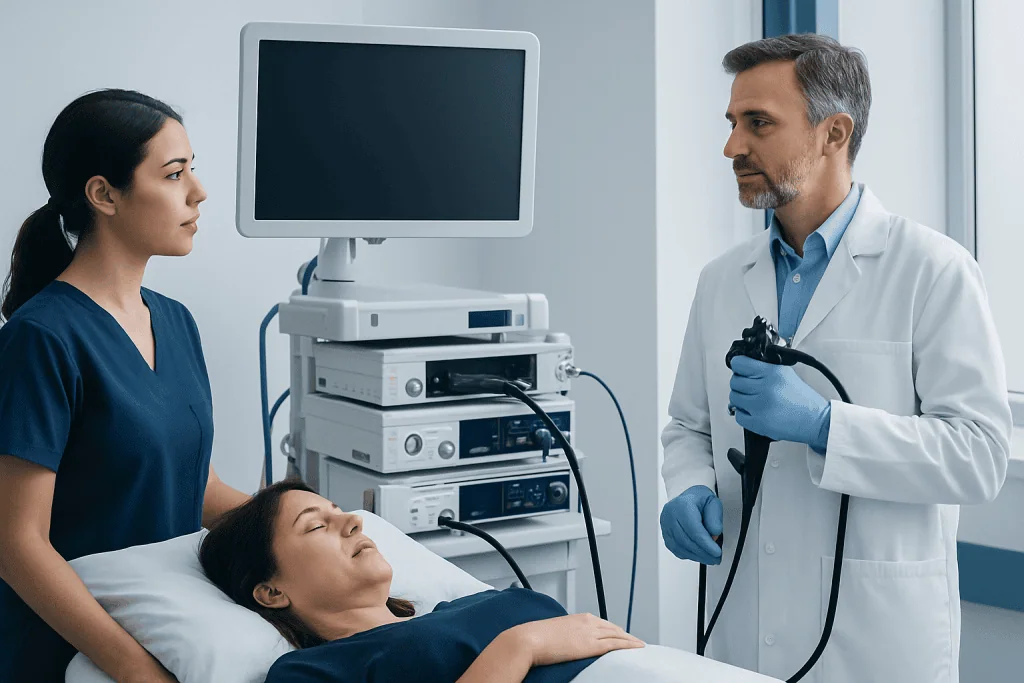
The main medicine groups used in ulcerative colitis include aminosalicylates, corticosteroids, immunomodulators, biologic medicines, and small-molecule targeted therapies. Aminosalicylates, often called 5-ASA medicines, are commonly used in mild to moderate disease. They may be taken by mouth, used rectally, or both, depending on where inflammation is located.
Corticosteroids are usually used for short-term control of active flares rather than long-term maintenance. They can be very effective at reducing inflammation quickly, but they are not ideal for prolonged use because side effects become more likely over time. Immunomodulators may be used in selected patients to help maintain remission or reduce steroid dependence, although their onset of action can be slower.
Biologic medicines and targeted oral therapies are often considered for moderate to severe ulcerative colitis or when other treatments have not worked well enough. These therapies act on specific pathways in the immune system. When medication alone does not control disease or complications develop, clinicians may also discuss procedural or surgical care such as colectomy or, in broader inflammatory bowel disease care pathways, inflammatory bowel disease treatment.
Uses and label-level facts by medication class

Aminosalicylates are generally used to treat mild to moderate ulcerative colitis and to help maintain remission. Depending on the product label, they may be used alone or combined with rectal formulations for disease affecting the lower colon or rectum. Common side effects can include headache, nausea, abdominal discomfort, or diarrhea. Product labels may also warn about hypersensitivity reactions and advise caution in some kidney-related conditions.
Corticosteroids are used to control inflammation during active flares, especially when symptoms are more intense or when 5-ASA therapy is not enough. Common side effects vary by product and duration of use but may include mood changes, sleep disturbance, increased appetite, fluid retention, elevated blood sugar, or higher infection risk. Labels generally caution against sudden stopping of systemic steroids without medical supervision and note that long-term use can increase the risk of bone loss, cataracts, and adrenal suppression.
Immunomodulators, such as thiopurine-based medicines, may be used in selected patients to maintain remission or reduce the need for steroids. Labels commonly describe risks such as bone marrow suppression, liver problems, pancreatitis, and increased susceptibility to infections. Monitoring is important because some adverse effects may not cause clear symptoms at first.
Biologics and small-molecule targeted therapies are used in moderate to severe disease or when previous medicines have not worked sufficiently. Product labels for these therapies often include warnings about serious infections, infusion or injection reactions, liver abnormalities, blood count changes, and possible interactions with other immune-suppressing treatments. Some require screening for infections such as tuberculosis or hepatitis before treatment begins.
Common side effects, interactions, and contraindications
Side effects differ by medicine class, but several practical themes apply across ulcerative colitis medication. Digestive upset, headache, fatigue, skin reactions, and signs of infection are among the more commonly discussed effects. Some medicines can also affect the liver, kidneys, blood cell counts, or immune response, which is why follow-up visits and laboratory monitoring may be recommended.
Drug interactions are also important. Labels may caution about combining certain ulcerative colitis medicines with other immunosuppressive drugs, blood thinners, some vaccines, or medicines that increase liver or kidney strain. Even over-the-counter pain relievers, herbal products, and supplements can matter, so patients should share a full medication list with their clinician and pharmacist.
Contraindications and precautions depend on the exact product. These may include known allergy to the medicine or its components, active serious infection, certain liver or kidney problems, previous severe reactions to a related drug, or pregnancy-related considerations that need individualized review. Live vaccines may need special discussion in people taking immune-modifying therapy. The safest course is to use medication only under guidance from a qualified doctor who knows the patient’s history.
How doctors choose the right medication
Medication choice is not based on symptoms alone. Doctors usually consider whether the disease is mild, moderate, or severe; whether inflammation is limited to the rectum or extends farther through the colon; how often flares occur; and whether the patient has responded to previous treatments. The need for rapid symptom control may favor one approach, while long-term maintenance and side effect profile may favor another.
Testing may help guide treatment selection. A doctor may use blood tests, stool tests, endoscopy, and biopsy results to confirm inflammation and assess how active it is. This is also important because some symptoms of ulcerative colitis can overlap with infection or with other inflammatory bowel conditions such as Crohn’s disease, which may require different treatment decisions.
Some medicines need additional screening before they are started. For example, clinicians may check for latent infections, vaccine status, pregnancy considerations, or past cancer history depending on the therapy being considered. In people with severe or refractory disease, advanced treatment planning may include gastroenterology care coordinated with nutrition, surgery, radiology, and pathology specialists.
Important notes about dosage and treatment monitoring
Dosage for ulcerative colitis medication is product-specific and depends on factors such as the patient’s age, disease severity, route of administration, treatment phase, and response over time. Official labels describe approved dosing frameworks, but these differ considerably from one medicine to another. For that reason, exact dosage questions should be directed to the prescribing clinician or pharmacist rather than generalized from another patient’s regimen.
It is also important not to stop, start, or adjust ulcerative colitis medication without medical advice. Sudden changes can increase the risk of relapse, steroid-related complications, or reduced treatment effectiveness. Missing doses may also affect how well some medicines work, especially therapies intended to maintain remission consistently.
Monitoring is a routine part of safe treatment. Depending on the medication, a doctor may recommend blood tests, liver or kidney function checks, stool markers, endoscopic reassessment, or infection screening. Patients should also report new symptoms such as rash, unusual bruising, jaundice, fever, shortness of breath, chest symptoms, or persistent abdominal pain, because these may signal a reaction or a complication that needs review.
Self-care and everyday steps that support medication treatment
Medicines work best when combined with practical self-care. Keeping a written list of medicines, taking them as directed, attending follow-up appointments, and completing recommended lab work can make treatment safer and more effective. Many people also find it helpful to track symptoms, bowel habits, and possible food triggers, especially during a flare.
Although diet alone does not replace ulcerative colitis medication, nutrition can affect comfort and recovery. During symptom flares, some people tolerate smaller meals, adequate fluids, and lower-residue foods more easily, while others need individualized advice from a dietitian. Smoking cessation, stress management, good sleep, and infection prevention strategies may also support overall health.
Patients should speak with a clinician before using nonprescription anti-diarrheal medicines, NSAID pain relievers, supplements, or herbal products. These may interact with treatment or worsen symptoms in some people. Travel plans, pregnancy, vaccination questions, and planned surgery are also important topics to review in advance.
When to seek medical care
Medical review is important if ulcerative colitis symptoms are getting worse despite treatment, if bleeding increases, or if diarrhea becomes frequent enough to cause weakness or dehydration. Fever, severe abdominal pain, vomiting, dizziness, black stools, or a swollen abdomen should be assessed promptly, especially in someone with known inflammatory bowel disease.
Urgent attention is also needed for possible medication reactions. Warning signs can include trouble breathing, facial swelling, widespread rash, severe fatigue, chest pain, persistent high fever, jaundice, or signs of infection after starting an immune-modifying medicine. These symptoms do not always mean a serious complication is present, but they should not be ignored.
Near the end of the treatment journey, some patients benefit from care in a multidisciplinary center. Acibadem International’s JCI-accredited hospitals provide diagnosis and treatment for international patients with ulcerative colitis through coordinated gastroenterology, imaging, pathology, and surgical teams when needed.
Frequently asked questions
What is the best ulcerative colitis medication?
There is no single best medicine for everyone. The most suitable option depends on how severe the disease is, which part of the colon is affected, previous treatment response, and the person’s other medical conditions. A gastroenterologist can help match treatment goals with the most appropriate medication class.
Do ulcerative colitis medicines cure the disease?
Ulcerative colitis medication does not usually cure the disease, but it can control inflammation and help maintain remission. Many people use medicines long term to reduce flares and protect the colon. Treatment plans may change over time depending on symptoms and test results.
Are steroids used long term for ulcerative colitis?
Steroids are generally used for short-term control of flares rather than long-term maintenance. This is because side effects become more likely with ongoing use. If symptoms return when steroids are reduced, a doctor may consider a different maintenance strategy.
Can ulcerative colitis medication cause serious side effects?
Yes, some ulcerative colitis medicines can cause serious side effects, although many people tolerate treatment well with proper monitoring. Risks vary by drug and may include infection, liver problems, kidney effects, blood count changes, or allergic reactions. Regular follow-up helps detect problems early.
Can patients take vaccines while on ulcerative colitis medication?
Many vaccines are still appropriate, but the answer depends on the specific medicine being used. Immune-suppressing treatments may affect vaccine timing, and live vaccines often need special review. Patients should discuss vaccination plans with their clinician before receiving them.
What should someone do if they miss a dose?
The safest step is to follow the product instructions and contact the prescribing clinician or pharmacist if there is any uncertainty. Doubling the next dose is not always appropriate and may increase side effects. Because each medicine is different, personalized advice is important.
References
- National Institute of Diabetes and Digestive and Kidney Diseases
- American College of Gastroenterology
- Crohn's & Colitis Foundation
- U.S. Food and Drug Administration
- European Crohn's and Colitis Organisation
This article is for general information only and is not a substitute for professional medical advice. Please consult a qualified doctor about your individual situation.
Ulcerative Colitis in Turkey — costs, top hospitals & a free quote
JCI-accredited · board-certified surgeons · reply within 24h