Vestibular Testing for Dizziness: VNG, vHIT, and Balance Evaluation

Vestibular testing evaluates how the inner ear balance organs, eyes, brain, and body posture work together. VNG records eye movements to look for signs of vestibular weakness, positional vertigo, or central nervous system patterns.
Key Takeaways
- Vestibular testing evaluates how the inner ear balance organs, eyes, brain, and body posture work together.
- VNG records eye movements to look for signs of vestibular weakness, positional vertigo, or central nervous system patterns.
- vHIT checks fast reflexes between the inner ear and eyes and can identify which semicircular canal may be affected.
- Balance evaluation helps measure fall risk, posture control, and how much a person relies on vision, sensation, or vestibular input.
- Results are interpreted together with symptoms, physical examination, hearing tests, and medical history rather than as a single standalone answer.
- A doctor should assess sudden, severe, recurrent, or neurologic dizziness promptly, especially when accompanied by hearing loss, weakness, speech difficulty, or severe headache.
Vestibular testing is a group of examinations that helps doctors understand whether dizziness, vertigo, imbalance, or motion sensitivity is related to the inner ear balance system, the brain, vision, or other medical factors. Tests such as VNG, vHIT, and balance evaluation are usually noninvasive and guide a more accurate diagnosis and treatment plan.
Overview: What Is Vestibular Testing?
Vestibular testing is a set of diagnostic examinations used to evaluate the balance system. This system includes the inner ear vestibular organs, the eyes, the brain, the nerves that connect them, and the muscles and joints that help the body sense position. When these parts do not communicate smoothly, a person may feel spinning, rocking, light-headed, unsteady, or unusually sensitive to movement.
The goal of vestibular testing is not simply to prove that someone is dizzy. It helps identify patterns that may point to a specific cause, such as benign paroxysmal positional vertigo, vestibular neuritis, Ménière disease, migraine-related dizziness, age-related balance decline, medication effects, or a neurologic condition. Because many different problems can create similar sensations, objective testing can be very useful.
Common vestibular tests include videonystagmography, often called VNG, video head impulse testing, known as vHIT, caloric testing, vestibular evoked myogenic potentials, hearing tests, and computerized balance or posturography assessments. Not every patient needs every test. The choice depends on symptoms, examination findings, medical history, and the suspected diagnosis.
Symptoms That May Lead to Vestibular Testing
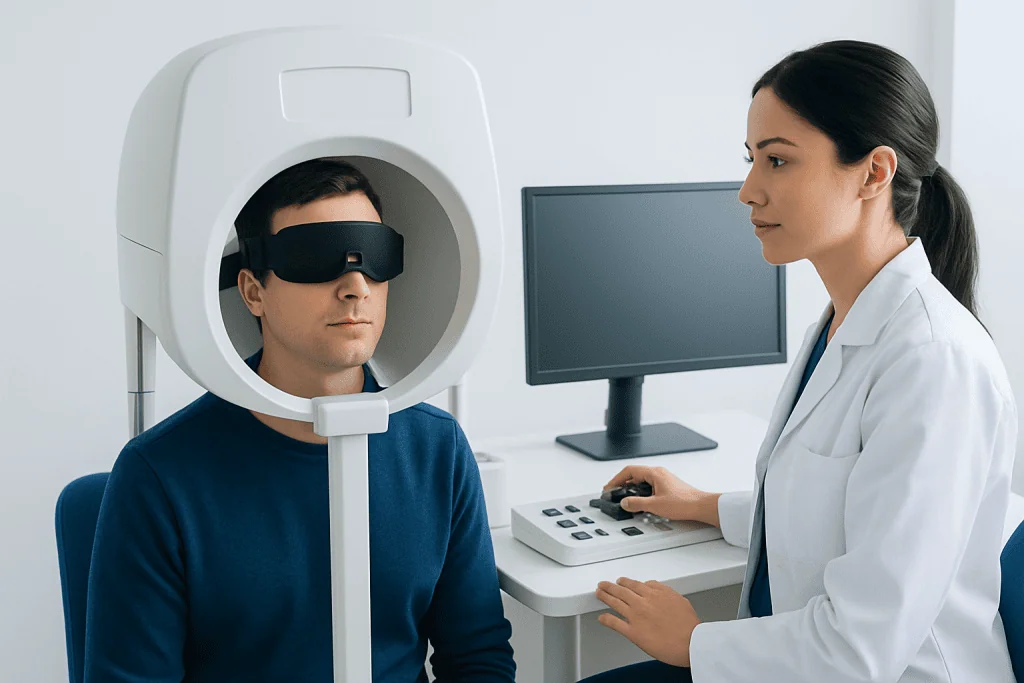
Doctors may recommend vestibular testing when dizziness is persistent, recurrent, difficult to explain, or affecting daily life. Symptoms can vary widely. Some people describe true vertigo, which feels like the room is spinning. Others feel off balance, as if they are walking on a boat, or they may have brief dizziness triggered by rolling over in bed, looking upward, or turning the head quickly.
Vestibular disorders can also cause nausea, motion sensitivity, blurred vision during head movement, difficulty walking in the dark, or a tendency to veer to one side. Some people report ear symptoms such as pressure, ringing, fluctuating hearing, or sudden hearing changes. Others may have headaches, sensitivity to light, or visual motion discomfort, especially in busy environments such as supermarkets or traffic.
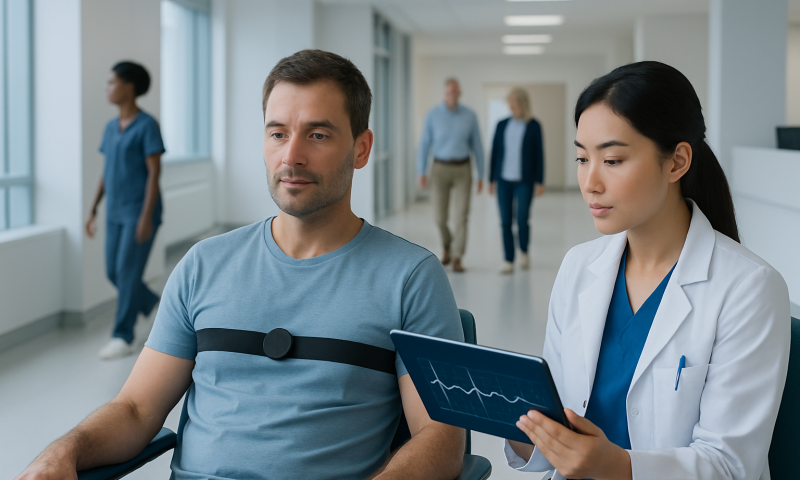
A balance evaluation may be especially important when dizziness increases the risk of falls. This can apply to older adults, people with neuropathy, people recovering from neurologic conditions, or anyone who feels unsafe walking on uneven ground or in low light. Testing helps the medical team understand whether the main issue is vestibular function, vision, leg sensation, muscle strength, medication effects, blood pressure changes, or a combination of factors.
How VNG Testing Works
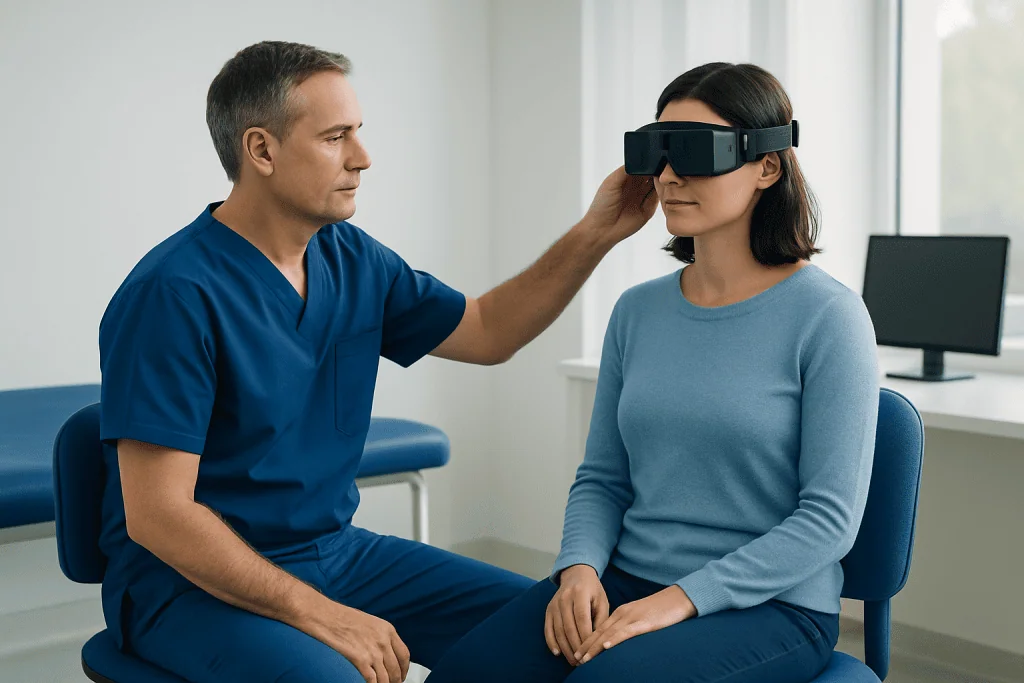
Videonystagmography, or the VNG test, records eye movements using infrared goggles or a camera system. The inner ear balance organs and the eyes are closely connected through the vestibulo-ocular reflex. This reflex helps keep vision stable when the head moves. When one side of the vestibular system is weaker or irritated, the eyes may make involuntary movements called nystagmus, and VNG can capture these movements.
A VNG evaluation may include several parts. In ocular motor testing, the patient follows visual targets on a screen while the system checks how accurately the eyes track movement. In positional testing, the head and body are placed in different positions to see whether vertigo or nystagmus appears. This is particularly useful when benign paroxysmal positional vertigo, often called BPPV, is suspected.
Some VNG protocols include caloric testing, in which warm and cool air or water are gently introduced into the ear canal to stimulate the balance organ on each side. This can show whether one inner ear is responding less strongly than the other. The sensation may temporarily cause dizziness or nausea, but it usually passes quickly. The healthcare team explains each step and monitors the patient throughout the test.
VNG results must be interpreted carefully. Certain eye movement patterns may suggest an inner ear disorder, while others may suggest that the brain or central nervous system should be evaluated further. Medications, vision problems, neck limitations, ear canal conditions, and anxiety about dizziness can affect the test, so the doctor considers the full clinical picture rather than one measurement alone.
How vHIT and Other Inner Ear Tests Help
The video head impulse test, or vHIT test, evaluates the fast reflex that keeps the eyes steady during quick head movements. During the test, the patient wears lightweight goggles that record eye movements while the clinician makes small, quick head turns. The movements are brief and controlled. The test usually takes only a short time and does not require water or air stimulation in the ear.
vHIT is helpful because it can assess the semicircular canals of the inner ear, including canals that are not fully evaluated by standard caloric testing. If the eyes cannot stay on target during a quick head movement, the system may record corrective eye movements. These findings can help identify which side and which canal may be under-functioning.
Other tests may be added depending on the suspected condition. Vestibular evoked myogenic potential testing, known as VEMP, evaluates reflex pathways related to the otolith organs, which help detect gravity and linear movement. Audiometry, or hearing testing, is often important because hearing and balance organs sit close together in the inner ear. Changes in hearing can help distinguish between different vestibular conditions.
In some cases, imaging such as MRI may be recommended if symptoms or examination findings suggest a central nervous system cause. Blood pressure measurement, heart rhythm evaluation, laboratory tests, or medication review may also be needed. Dizziness can come from several body systems, so vestibular testing is one part of a broader diagnostic approach.
Balance Evaluation and Posture Testing
Balance evaluation looks at how a person maintains posture while standing, walking, turning, and responding to changes in surface or visual surroundings. Good balance depends on three main information sources: the vestibular system in the inner ear, visual input from the eyes, and proprioception from the feet, muscles, and joints. The brain combines these signals to keep the body stable.
A clinical balance assessment may include walking tests, standing with the feet in different positions, turning the head while walking, or standing with the eyes closed. Computerized dynamic posturography, when available, measures how well a person maintains balance on a platform under different conditions. These tests can show whether a patient relies too heavily on vision or has difficulty using vestibular or sensory information.
Balance evaluation is also useful for rehabilitation planning. For example, a person with inner ear weakness may need gaze stabilization exercises to improve vision during movement. Someone with reduced foot sensation may need strength training, assistive strategies, and fall prevention guidance. A person with motion sensitivity may benefit from gradual, supervised habituation exercises.
The results help clinicians set realistic therapy goals. Vestibular rehabilitation is often tailored to the individual rather than based only on the diagnosis name. Progress is usually monitored over time by symptom changes, functional improvements, and repeat balance measures when appropriate.
Preparing for the Appointment and What to Expect
Before vestibular testing, the clinic may provide specific instructions. Patients may be asked to avoid alcohol before the test and to discuss whether certain dizziness, sleep, allergy, or anxiety medications should be paused. Medication changes should only be made with medical guidance, especially for people who take drugs for heart disease, seizures, psychiatric conditions, or other chronic illnesses.
It is helpful to bring a list of current medications, previous hearing or imaging results, and a clear description of symptoms. The doctor may ask when dizziness started, how long each episode lasts, what triggers it, whether there is hearing loss or ringing, and whether headaches, fainting, numbness, double vision, or weakness occur. Details about falls, recent infections, head injury, migraines, and ear surgery are also important.
During testing, some maneuvers may briefly reproduce dizziness. This is expected because the purpose is to observe the balance system under controlled conditions. Patients can usually rest between parts of the examination, and the team can stop if symptoms become too uncomfortable. It may be wise to arrange transportation if the clinic advises it or if the patient is concerned about feeling temporarily dizzy afterward.
After the tests, results are reviewed by trained clinicians. Sometimes the findings are available the same day, while in other cases they require detailed interpretation. The final report is most meaningful when combined with a physical examination, hearing assessment, neurologic review, and the patient’s symptom pattern.
Results, Treatment Planning, and When to See a Doctor
Vestibular testing may show a specific disorder, a weakness on one side of the inner ear, abnormal eye movement patterns, positional vertigo, or reduced balance control. It may also be normal, which can still be useful. A normal vestibular test can help redirect attention toward migraine, blood pressure changes, medication side effects, anxiety-related dizziness, visual disorders, cardiovascular causes, or other neurologic conditions.
Treatment depends on the diagnosis. BPPV is often treated with repositioning maneuvers performed by a trained clinician. Vestibular neuritis or unilateral vestibular weakness may be managed with vestibular rehabilitation and medical follow-up. Ménière disease, vestibular migraine, persistent postural-perceptual dizziness, and neurologic causes require individualized care. Self-treatment without a diagnosis is not recommended, especially when symptoms are new, severe, or changing.
A person should seek medical attention promptly for dizziness with sudden hearing loss, new weakness or numbness, trouble speaking, double vision, severe headache, chest pain, fainting, new difficulty walking, or symptoms after a head injury. Recurrent vertigo, dizziness lasting more than a few days, repeated falls, or dizziness that limits work and daily activities should also be evaluated. Early assessment can reduce uncertainty and guide safer management.
For international patients, Acibadem International provides evaluation of dizziness and balance disorders through multidisciplinary specialists in JCI-accredited hospitals. Care may involve ear, nose and throat specialists, neurologists, audiologists, physiotherapists, radiologists, and other clinicians when needed. The most appropriate plan is always based on the patient’s symptoms, examination, test results, and overall health.
Frequently asked questions
Is vestibular testing painful?
Vestibular testing is generally not painful. Some parts may cause brief dizziness, nausea, or imbalance because they stimulate the balance system. These sensations usually settle quickly, and the clinical team monitors the patient throughout the examination.
What is the difference between VNG and vHIT?
VNG records eye movements during visual tracking, position changes, and sometimes caloric stimulation to evaluate vestibular and eye movement patterns. vHIT records eye responses during quick, small head movements to assess the fast vestibulo-ocular reflex. The tests provide different but complementary information.
Can vestibular testing diagnose vertigo?
Vestibular testing can help identify causes of vertigo, but diagnosis usually requires combining test results with medical history and physical examination. For example, positional testing may support a diagnosis of BPPV, while other patterns may suggest inner ear weakness or central nervous system involvement. A normal test does not always mean symptoms are not real.
How long does vestibular testing take?
The time varies depending on which tests are ordered. A focused vHIT may be relatively brief, while a full VNG and balance evaluation may take longer. The clinic can provide specific timing based on the planned test battery.
Should someone stop medications before a VNG test?
Some medicines can affect vestibular test results, but patients should not stop prescribed medications without medical advice. The testing center or referring doctor will explain which medicines, if any, should be adjusted. This is especially important for people taking medications for seizures, heart disease, mental health, or other chronic conditions.
What happens if the tests are normal but dizziness continues?
Normal vestibular results can still be helpful because they may guide the doctor to consider other causes. Dizziness may be related to migraine, blood pressure, heart rhythm, vision problems, medication effects, anxiety-related mechanisms, or neurologic conditions. Follow-up with a qualified clinician is important if symptoms persist.
References
- American Academy of Otolaryngology–Head and Neck Surgery
- Bárány Society
- National Institute on Deafness and Other Communication Disorders
- American Academy of Neurology
- Mayo Clinic
This article is for general information only and is not a substitute for professional medical advice. Please consult a qualified doctor about your individual situation.
Joint and spine care in Turkey — expert assessment & treatment
JCI-accredited · board-certified surgeons · reply within 24h
Check your numbers in seconds
BMI, calories, due date, blood pressure and 30+ more clinical calculators — free, instant, doctor-reviewed ranges.

More from the Health Library


Related Specialists
Prof. Dr. Selçuk Palaoğlu
Neurosurgery
Assoc. Prof. Dr. Afag Aghayeva
General Surgery
Dt. Tuğba Erol Songül
Dentistry
Prof. Dr. Faik Acar Koç
Perinatology & High Risk Pregnancies