

Viral Meningitis Treatment: How It Works, Results and What to Expect

Viral meningitis needs prompt medical evaluation because early symptoms can resemble bacterial meningitis, which requires urgent antibiotics. Most uncomplicated cases improve with supportive care rather than a specific antiviral medicine.
Key Takeaways
- Viral meningitis needs prompt medical evaluation because early symptoms can resemble bacterial meningitis, which requires urgent antibiotics.
- Most uncomplicated cases improve with supportive care rather than a specific antiviral medicine.
- Hospital observation may be needed for severe symptoms, dehydration, pregnancy, infants, older adults or people with weakened immune systems.
- Many people begin improving within days, but tiredness, headaches and concentration difficulties can last for weeks.
- Good hand hygiene and avoiding close contact when ill can reduce spread of viruses that may cause meningitis.
Viral meningitis treatment is mainly supportive for most people, with rest, fluids, pain and fever relief, and close medical assessment to exclude bacterial meningitis. Recovery is often complete, but the timing and need for hospital care depend on the virus, age, overall health and severity of symptoms.
Overview: how viral meningitis treatment works
Viral meningitis treatment usually works by supporting the body while the immune system clears the infection. This commonly includes rest, adequate fluids, treatment for headache, fever or nausea, and monitoring for complications. Many people recover without a specific antiviral medication, although treatment is tailored to the suspected virus and the person’s clinical condition.
Meningitis means inflammation of the membranes surrounding the brain and spinal cord. Viruses are a common cause and, in many cases, viral meningitis is less severe than bacterial meningitis. However, symptoms may overlap, so a person with possible meningitis should be assessed urgently rather than trying to determine the cause at home.
The immediate priority is to identify or safely rule out bacterial meningitis, because bacterial infection can worsen quickly and needs emergency antibiotic treatment. A clinical team may initially provide treatment that covers bacterial causes while test results are pending, then adjust the plan when the cause becomes clearer.
Symptoms and when to seek medical care
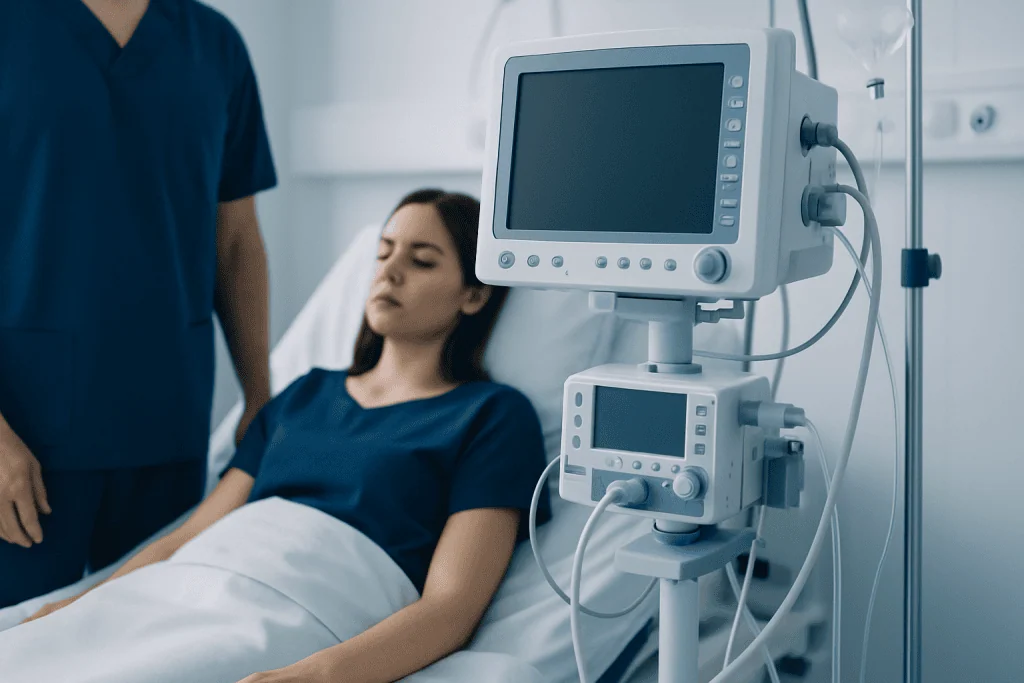
Symptoms can develop suddenly and may include fever, severe headache, a stiff or painful neck, sensitivity to light, nausea, vomiting, marked tiredness, muscle aches and difficulty concentrating. Infants may have less specific symptoms, such as poor feeding, unusual irritability, sleepiness, vomiting, a high or low temperature, or a bulging soft spot on the head.
When to seek medical care: urgent medical assessment is needed for symptoms that could indicate meningitis, particularly a severe headache with fever or neck stiffness. Emergency care is especially important for confusion, reduced alertness, seizures, breathing difficulty, a rash that does not fade under pressure, new weakness, persistent vomiting, or rapid deterioration.
People should not delay assessment because symptoms feel mild at first. Young babies, older adults, pregnant people and those with a weakened immune system may need a lower threshold for urgent evaluation. A clinician can determine whether tests, observation or hospital treatment are appropriate.
Viral meningitis how is it treated?

A viral meningitis treatment protocol begins with clinical assessment and supportive care. This may include oral or intravenous fluids if a person cannot drink enough, medicines for pain, fever or nausea, and a calm, dim environment when light sensitivity is troublesome. The exact medicines and monitoring plan are chosen by a qualified clinician based on the individual’s symptoms and health history.
Some viral infections can be treated with antiviral medicines. For example, clinicians may use antiviral therapy when herpes simplex virus or varicella-zoster virus is suspected, particularly when illness is severe or the person has a weakened immune system. Antibiotics do not treat viruses, but may be started initially if bacterial meningitis cannot yet be excluded.
Hospital care is more likely when symptoms are severe, dehydration is present, mental status changes occur, seizures develop, or the patient is an infant or medically vulnerable adult. In hospital, clinicians can provide fluids, symptom control, regular neurological checks and further treatment if tests point to a specific cause.
- Supportive treatment: rest, fluids and relief of pain, fever and nausea.
- Targeted treatment: antiviral medication in selected virus-related cases.
- Safety-first care: urgent antibiotics may be given until bacterial meningitis is ruled out.
- Monitoring: observation for worsening symptoms, dehydration or neurological complications.
Assessment, candidacy and the diagnostic process
There is no elective procedure or self-treatment pathway for suspected meningitis. Anyone with compatible symptoms is a candidate for prompt medical assessment. Doctors consider the person’s symptoms, how quickly they began, possible exposures, vaccination history, recent illnesses, medications, travel and immune status.
Testing often includes blood tests and a lumbar puncture, also called a spinal tap. During this procedure, a clinician collects a small sample of cerebrospinal fluid from the lower back using sterile technique. The sample can be checked for inflammation and tested for viruses and bacteria; it helps guide safe treatment decisions.
Brain imaging, such as a CT or MRI scan, may be needed before lumbar puncture in selected circumstances, including signs of increased pressure inside the skull or certain neurological findings. These tests are not always required, and the care team will balance the need for information with the need to start urgent treatment without delay.
When neurological symptoms need specialist review, neurological assessment may help coordinate diagnosis, monitoring and recovery planning. The process is individualized; a test result must always be interpreted together with the person’s symptoms and examination findings.
Step-by-step care and viral meningitis treatment duration
At first presentation, clinicians assess vital signs, hydration, alertness and neurological symptoms, then collect relevant blood tests and cultures. If meningitis is suspected, treatment and monitoring may begin before every result is available. A lumbar puncture and, when appropriate, imaging or virus-specific tests then help clarify whether the illness is viral, bacterial or due to another cause.
Once viral meningitis is the most likely diagnosis, the team reviews whether home recovery is safe or whether admission is needed. People who can drink, have stable symptoms and have reliable follow-up may be able to recover at home with clear advice. Those with severe symptoms, high-risk medical conditions or uncertainty about the diagnosis may remain in hospital for observation and treatment.
Viral meningitis treatment duration varies. Supportive care continues until fever, headache, vomiting and dehydration improve, while antiviral therapy, if needed, follows the clinician’s plan for the suspected infection. Follow-up may be advised if symptoms linger, new symptoms occur or work, school and usual activities remain difficult to resume.
How long does it take to feel better from viral meningitis?
Many people with uncomplicated viral meningitis begin to feel better within several days, and may recover substantially over one to two weeks. This is an average pattern rather than a guarantee. The answer to viral meningitis how long to recover depends on the virus involved, the severity of the initial illness, age, immune health and whether complications develop.
It is common for energy to return more slowly than fever or neck stiffness improves. Headaches, tiredness, disrupted sleep, low mood, sensitivity to light and difficulty concentrating may continue for several weeks in some people. Gradually increasing activity, drinking enough fluids, regular meals and rest breaks can support recovery.
A person should contact their doctor if symptoms are worsening, fever returns, headaches become severe, confusion appears, vomiting prevents fluid intake, or recovery stalls. Persistent symptoms deserve review because another condition, a complication or a different diagnosis may need to be considered.
What to expect after viral meningitis?
After viral meningitis, most people make a full recovery and return gradually to normal activities. The recovery period is often easier when people avoid rushing back to demanding work, study, driving or exercise before attention, energy and headache symptoms have improved. A clinician can advise when usual activities are safe based on the individual’s course.
Follow-up is particularly important for ongoing headaches, cognitive concerns, balance changes, hearing symptoms, seizures or significant fatigue. Some people benefit from a planned return to work or school, with shorter days, breaks and reduced screen exposure while symptoms settle. Mental wellbeing also matters, as a serious illness can leave a person feeling worried or emotionally drained.
The expected benefits of appropriate care are symptom relief, hydration, timely recognition of a more serious cause and support for safe recovery. Risks are generally related to the illness itself, such as dehydration or rarely neurological complications, and to any necessary tests or treatments. Clinicians explain relevant risks before procedures such as lumbar puncture and monitor patients closely.
Acibadem International’s multidisciplinary specialists and JCI-accredited hospitals assess and treat meningitis and related neurological infections for international patients, with care plans based on the suspected cause and clinical needs.
How long can you survive with viral meningitis?
Viral meningitis is often self-limited, and most otherwise healthy people recover with appropriate medical care. It is not useful or safe to judge “survival time” at home because early viral and bacterial meningitis can look alike, and bacterial meningitis can become life-threatening quickly without treatment. Any suspected meningitis symptoms need urgent assessment.
The outlook can be less predictable in newborns, older adults and people with impaired immune function, or when a virus that can affect the brain is involved. These groups may require hospital-based treatment and closer monitoring. Prompt assessment gives clinicians the best opportunity to identify the cause and provide the right level of care.
Even when a person has been diagnosed with viral meningitis, urgent re-evaluation is needed for worsening headache, confusion, seizures, fainting, new weakness, breathing problems or inability to keep fluids down. Seeking care early is a practical and reassuring step, not an overreaction.
Should I stay away from someone with viral meningitis?
Whether someone should avoid close contact depends on the virus causing the meningitis. Meningitis itself is inflammation and is not necessarily directly contagious, but some viruses that cause it can spread through respiratory droplets, saliva, stool or close personal contact. The treating clinician or local public health authority can provide advice based on the identified or suspected virus.
Until the cause is known, sensible precautions include careful handwashing, avoiding sharing drinks, utensils, cigarettes, towels or lip products, cleaning frequently touched surfaces, and staying home when feverish or otherwise unwell. People should follow local advice about returning to school, work, childcare or social activities.
Close contacts usually do not need preventive medicine for ordinary viral meningitis. This differs from certain bacterial causes, for which public health teams may recommend antibiotics for close contacts. Anyone who develops symptoms after exposure should seek medical advice promptly.
Frequently asked questions
Can viral meningitis be treated at home?
Some people with confirmed, uncomplicated viral meningitis can recover at home with rest, fluids and clinician-recommended symptom relief. However, suspected meningitis should always be assessed urgently first, because bacterial meningitis must be ruled out. A doctor should decide whether home care is appropriate.
Do antibiotics treat viral meningitis?
Antibiotics do not treat viral infections. They may be started early when clinicians cannot immediately exclude bacterial meningitis, then stopped or adjusted when test results and the clinical picture support a viral cause. This cautious approach helps avoid delays in treating bacterial meningitis.
Is antiviral medicine always needed for viral meningitis?
No. Many viruses that cause meningitis do not have a specific antiviral treatment, so care focuses on symptoms and hydration. Antiviral medicines may be used for selected viruses, such as herpes-related infections, or for people at higher risk of severe disease.
Can viral meningitis come back?
Most people have a single episode and recover fully. Recurrence is uncommon but can happen in some circumstances, including certain viral infections or underlying health conditions. Repeated meningitis-like symptoms should be evaluated by a doctor.
How long should someone rest after viral meningitis?
Rest needs vary from person to person. A gradual return to normal activity is usually best, guided by improving energy, concentration, headache and sleep. A clinician can advise on returning to work, school, exercise or driving if symptoms remain.
Can I catch viral meningitis from another person?
The viruses that may cause meningitis can sometimes spread between people, but risk depends on the specific virus and type of contact. Good hand hygiene and avoiding sharing personal items are sensible precautions. The treating team can give more specific guidance when the cause is known.
References
- Centers for Disease Control and Prevention
- World Health Organization
- National Institute of Neurological Disorders and Stroke
- NHS
- Mayo Clinic
This article is for general information only and is not a substitute for professional medical advice. Please consult a qualified doctor about your individual situation.
Meningitis in Turkey — costs, top hospitals & a free quote
JCI-accredited · board-certified surgeons · reply within 24h
Add us as a Preferred Source to see more of our trusted health content across Google Search, AI Overviews and Discover.

More from the Health Library



Related Specialists

Dr. Rehile Zengin
Infectious Diseases & Clinical Microbiology
Prof. Dr. G. Ertuğrul Mirza
Ophthalmology
Dr. Nurcan Göğebakan
Otorhinolaryngology
Prof. Dr. Murat Gönenç
General Surgery