Why Do I Sweat So Much? A Doctor-Reviewed Answer

Sweating is a normal body function, and many people sweat more because of heat, exercise, emotions, or spicy foods. Excess sweating without a clear trigger may be due to primary hyperhidrosis or a secondary medical cause.
Key Takeaways
- Sweating is a normal body function, and many people sweat more because of heat, exercise, emotions, or spicy foods.
- Excess sweating without a clear trigger may be due to primary hyperhidrosis or a secondary medical cause.
- Red flags include night sweats, weight loss, fever, chest pain, shortness of breath, fainting, or new sweating after starting a medicine.
- Doctors usually diagnose the cause with a medical history, physical exam, and sometimes blood tests or other targeted investigations.
- Treatment depends on the cause and may include strong antiperspirants, medicines, procedures, or treatment of an underlying condition.
Medically reviewed by the Acıbadem International Medical Board — July 25, 2026
Most sweating is a normal way for the body to cool itself, so sweating more than expected is often harmless. However, when sweating is frequent, excessive, unrelated to heat or exercise, or comes with other symptoms, a doctor can check for hyperhidrosis, medication effects, hormonal changes, infection, or other medical causes.
Overview: Why sweating happens and when it may be too much
If someone wonders, “why do I sweat so much”, the answer is usually reassuring: sweating is one of the body’s normal cooling systems. It helps regulate temperature during hot weather, physical activity, stress, or strong emotions. Some people naturally sweat more than others, and this alone does not always mean there is a medical problem.
Still, sweating may need medical attention if it is excessive, hard to explain, or disruptive to daily life. Doctors often think about two broad possibilities: primary hyperhidrosis, where overactive sweat glands cause sweating without another illness, and secondary sweating, where the sweating is linked to a health condition, hormonal change, infection, low blood sugar, or medication side effect.
A useful way to think about it is this: harmless sweating usually follows a trigger such as heat, exercise, anxiety, or spicy food, while concerning sweating may happen at rest, during sleep, on only one side of the body, or together with symptoms such as fever, palpitations, weight loss, or chest discomfort. When sweating changes suddenly or becomes difficult to manage, medical review is appropriate.
What excessive sweating can look and feel like
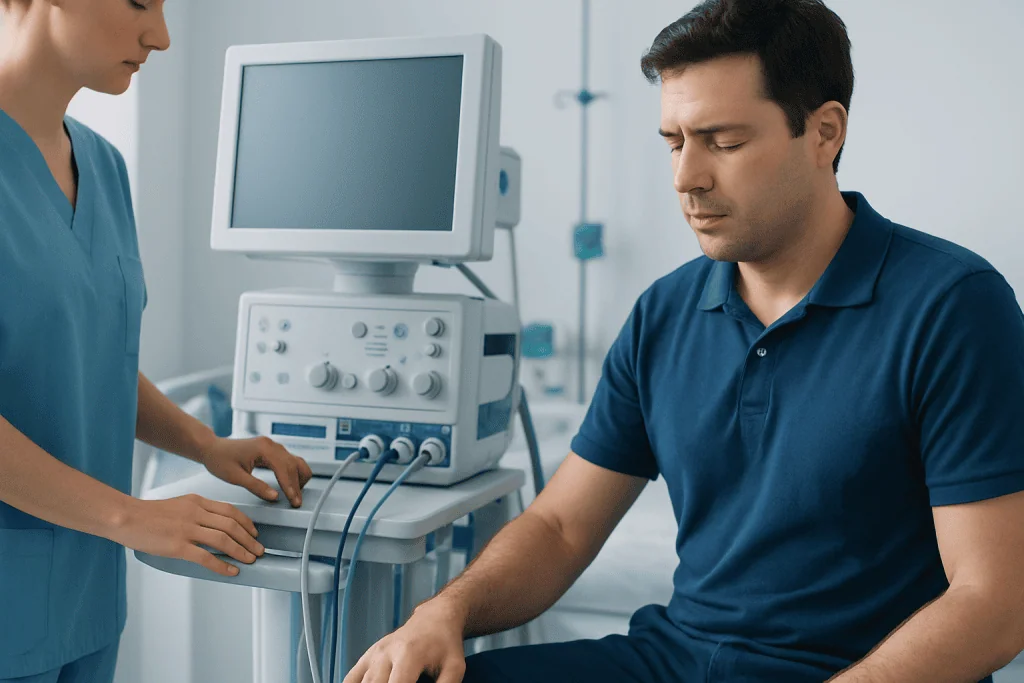
Excess sweating can affect the whole body or specific areas. Many people notice it most in the underarms, palms, soles of the feet, scalp, or face. Clothes may become damp quickly, hands may feel wet during routine tasks, or shoes may stay moist even in cool weather. These patterns can interfere with work, social confidence, exercise, and sleep.
Primary hyperhidrosis often begins earlier in life and tends to affect both sides of the body in a similar way, especially the hands, feet, underarms, or face. It usually happens when a person is awake, and it may be triggered by emotions or happen without a clear reason. In contrast, secondary sweating is more likely to begin later, involve the whole body, and include night sweats.
Symptoms that can occur alongside sweating depend on the cause. A person may also notice flushing, tremor, a racing heartbeat, dizziness, fatigue, or unexplained thirst. If sweating appears together with skin irritation, recurrent odor, or discomfort, clinicians may also look for skin conditions or infections affecting the sweat glands.
- Localized sweating: underarms, palms, soles, face, or scalp
- Generalized sweating: sweating over large areas of the body
- Daytime episodes: more typical of primary hyperhidrosis
- Night sweats: more suggestive of a secondary cause that should be assessed
Common causes and risk factors

Many everyday factors can make a person sweat more. Hot weather, heavy clothing, exercise, emotional stress, caffeine, alcohol, and spicy foods are common triggers. Pregnancy, menopause, and puberty can also increase sweating because of changing hormone levels. In these situations, sweating may be uncomfortable but is often a normal response.
When sweating is excessive or happens without clear triggers, doctors consider hyperhidrosis and other medical causes. Primary hyperhidrosis is thought to result from overactivity in the nerves that stimulate sweat glands. It often runs in families and is not caused by poor hygiene. Secondary sweating can happen with thyroid overactivity, diabetes, low blood sugar, obesity, infections, heart or lung disease, neurological conditions, anxiety disorders, or some cancers.
Medications are another important possibility. Antidepressants, some pain medicines, diabetes treatments, hormone therapies, and certain fever-reducing medicines can all increase sweating. A recent change in medicine is especially relevant. In some cases, clinicians also look for related conditions such as thyroid disorders or lung conditions when other symptoms suggest these need investigation, although most people with sweating do not have a serious disease.
Risk factors for troublesome sweating include a family history of hyperhidrosis, being in hot or humid environments, intense exercise, stress, obesity, and medical conditions that affect metabolism, hormones, or the nervous system. The pattern of sweating often provides important clues about which cause is most likely.
Red flags: when sweating needs prompt medical review
Most sweating is not dangerous, but some patterns deserve prompt attention. New sweating that begins suddenly, sweating that wakes a person from sleep, or sweating that occurs without heat or activity should be assessed, especially if it is severe or persistent. The same is true if sweating starts after a new medication or is accompanied by frequent faintness or weakness.
Doctors are more concerned when sweating appears with other symptoms that could suggest an underlying illness. Examples include chest pain, shortness of breath, a rapid or irregular heartbeat, fever, persistent cough, unexplained weight loss, swollen lymph nodes, severe anxiety symptoms, or confusion. Low blood sugar can also cause sweating together with shakiness, hunger, and dizziness.
Emergency care is important if sweating occurs with chest pressure, breathing difficulty, collapse, one-sided weakness, or symptoms of severe infection. These symptoms may not be caused by sweating itself, but they need urgent evaluation. If the sweating is not urgent but is affecting confidence, work, sleep, or relationships, routine medical review is still worthwhile because effective treatments are available.
How doctors diagnose the cause
Doctors usually begin with a detailed history. They ask when sweating started, which parts of the body are affected, whether it occurs during the day or night, what triggers it, and whether there is a family history. They also ask about recent illness, weight change, menstrual changes, stress levels, and all medications or supplements. This information often helps distinguish primary hyperhidrosis from a secondary cause.
A physical examination looks for signs such as fever, enlarged thyroid, skin changes, lymph node swelling, dehydration, or symptoms suggesting heart, lung, endocrine, or neurological disease. If the history points to a localized sweating problem without warning signs, a doctor may diagnose primary hyperhidrosis clinically. In other cases, tests may be recommended to rule out common causes.
Investigations may include blood glucose testing, thyroid function tests, blood counts, infection-related tests, or other targeted checks based on symptoms. If another illness is suspected, the doctor may arrange imaging or specialist assessment. For example, evaluation can sometimes involve MRI scanning or CT scanning when there are symptoms that suggest a deeper cause, but imaging is not needed for most people with sweating alone.
Some clinics also use sweat mapping or severity scales to understand how much the sweating affects daily life. This helps guide treatment decisions and measure improvement over time.
Treatment options for excessive sweating
Treatment depends on the cause. If sweating is related to heat, exercise, menopause, stress, or medication use, the plan may focus on lifestyle measures, review of medicines, or treatment of the underlying issue. If a medical condition is responsible, improving that condition often reduces sweating as well. When symptoms fit hyperhidrosis, treatment can target the sweat glands directly.
For many people, strong topical antiperspirants are the first step, especially for underarm, hand, or foot sweating. Doctors may also recommend prescription creams, wipes, or oral medicines in selected cases. If sweating is localized and persistent, procedures such as botulinum toxin injections or device-based therapies may be considered. The best option depends on the body area involved, symptom severity, age, and overall health.
In more resistant cases, specialist treatments may be discussed. Depending on the individual situation, care can include botulinum toxin treatment for focal sweating or other procedural options offered by dermatology or related specialists. Surgery is reserved for carefully selected cases because less invasive approaches are usually tried first.
For international patients who need a multidisciplinary assessment, Acibadem International’s specialists in JCI-accredited hospitals evaluate excessive sweating and related conditions with a personalized treatment plan. The aim is to find the cause first, then match treatment to symptoms and overall health.
Self-care and practical ways to manage sweating
Simple steps can make sweating easier to live with, even while a person is waiting for medical advice or using treatment. Wearing loose, breathable fabrics and changing damp clothing promptly can improve comfort and reduce skin irritation. Moisture-wicking socks, well-ventilated shoes, and absorbent insoles may help with foot sweating.
Applying antiperspirant correctly can also make a difference. It usually works best on clean, dry skin, often at night so the product has time to block sweat ducts before the next day. Some people benefit from avoiding personal triggers such as spicy meals, very hot drinks, alcohol, or excess caffeine if these clearly worsen symptoms.
Stress management is useful when emotional triggers play a role. Relaxation breathing, regular physical activity, sleep routines, and psychological support can all help reduce stress-related sweating for some people. Good skin care is also important, because constantly damp skin can lead to irritation or fungal infection.
- Choose breathable clothing and socks
- Keep skin dry and change clothes when needed
- Use antiperspirants as directed, not only deodorants
- Track triggers such as foods, stress, or heat
- Seek treatment if sweating affects daily life or confidence
When to seek medical care
A doctor should be consulted if sweating is new, unexplained, severe, or worsening, especially when it starts in adulthood or occurs during sleep. Medical review is also sensible if sweating affects work, school, relationships, hand use, or quality of life. Even when the cause is not serious, treatment can often improve comfort and confidence.
Prompt assessment is especially important if sweating happens with fever, weight loss, chest pain, palpitations, fainting, breathlessness, persistent cough, or symptoms of low blood sugar. These clues help doctors decide whether the sweating is part of a broader health issue that needs treatment. People should not stop prescription medicines on their own, but they should mention any new sweating after starting a medication.
Keeping a short symptom diary before the appointment can be helpful. Recording when sweating occurs, what body areas are affected, possible triggers, and any associated symptoms gives the doctor clearer information and may speed diagnosis.
Frequently asked questions
Is sweating a lot always a sign of illness?
No. Many people sweat heavily because of heat, exercise, stress, genetics, or hormonal changes, and this can still be within a normal range. It becomes more important to assess when it is new, excessive, unexplained, or accompanied by other symptoms.
What is hyperhidrosis?
Hyperhidrosis is a condition in which sweating is more than the body needs for temperature control. It may be primary, meaning it happens on its own, or secondary, meaning it is caused by another health issue or a medication.
Why do I sweat so much at night?
Night sweats can happen for simple reasons such as a warm room, heavy bedding, or hormonal changes. However, repeated drenching night sweats may also be linked to infection, medication effects, endocrine conditions, or other illnesses, so persistent symptoms should be discussed with a doctor.
Can anxiety make a person sweat more?
Yes. Stress and anxiety can activate the nervous system and trigger sweating, especially on the face, palms, and underarms. Even so, a doctor may still look for other causes if sweating is severe or there are additional symptoms.
What kind of doctor treats excessive sweating?
A primary care doctor can start the evaluation and rule out common causes. Depending on the findings, the person may then be referred to a dermatologist, endocrinologist, neurologist, or another specialist.
Can excessive sweating be treated?
Yes. Treatment may include stronger antiperspirants, prescription medicines, botulinum toxin injections, device-based therapies, or treatment of an underlying condition. The right option depends on the cause, the body area affected, and how much the sweating interferes with daily life.
References
- American Academy of Dermatology
- International Hyperhidrosis Society
- National Institute of Diabetes and Digestive and Kidney Diseases
- Mayo Clinic
- National Health Service
This article is for general information only and is not a substitute for professional medical advice. Please consult a qualified doctor about your individual situation.
Explore treatments in Turkey — costs, top hospitals & a free quote
JCI-accredited · board-certified surgeons · reply within 24h