Why Does It Feel Like I Have to Pee? Here Is What the Evidence Says

A constant urge to urinate is common and is often caused by bladder irritation, caffeine, fluids, anxiety, or a urinary tract infection. The feeling may happen even when the bladder is not full, because the bladder, pelvic muscles, nerves, or nearby organs can send mixed signals.
Key Takeaways
- A constant urge to urinate is common and is often caused by bladder irritation, caffeine, fluids, anxiety, or a urinary tract infection.
- The feeling may happen even when the bladder is not full, because the bladder, pelvic muscles, nerves, or nearby organs can send mixed signals.
- Red flags include pain, fever, blood in the urine, leakage, pelvic or back pain, and symptoms that persist or keep returning.
- Doctors usually evaluate this symptom with a history, physical exam, urine testing, and sometimes bladder scans or imaging.
- Treatment depends on the cause and may include lifestyle changes, pelvic floor strategies, medicines, or care for an underlying condition.
Why does it feel like I have to pee? In many people, this sensation is caused by temporary bladder irritation, diet, stress, or a mild urinary problem rather than a serious disease. Still, persistent urgency, pain, blood in the urine, fever, or trouble emptying the bladder should be assessed by a doctor.
Overview: why it can feel like you have to pee
If it feels like there is a constant need to urinate, the cause is often harmless or treatable. A bladder can feel “full” not only because it contains urine, but also because its lining is irritated, its muscles are overactive, the pelvic floor is tense, or nearby structures such as the bowel or reproductive organs are putting pressure on it.
This is why the sensation can happen even after using the toilet. Some people describe urgency, meaning a sudden hard-to-ignore need to urinate. Others notice frequency, meaning they go more often than usual. These symptoms can overlap, but they are not exactly the same, and both can have many possible explanations.
A helpful way to think about the symptom is that the bladder is part of a signaling system. The kidneys make urine, the bladder stores it, nerves send messages to the brain, and the pelvic floor helps control release. If any part of that system becomes irritated or uncoordinated, the brain may interpret the signal as “I need to pee now.”
Common reasons for a frequent urge to urinate
One of the most common causes is a urinary tract infection. Infections can inflame the bladder lining and create pressure, burning, and urgency even when very little urine is present. Bladder irritation can also happen without infection, for example after caffeine, alcohol, fizzy drinks, artificial sweeteners, acidic foods, dehydration, or certain medications.
Another common explanation is an overactive bladder, a pattern in which the bladder muscle contracts too soon or too strongly. People may need to rush to the toilet, wake at night to urinate, or feel that the urge appears with little warning. Some also have leakage. In some cases, symptoms may overlap with overactive bladder.
Pelvic floor tension can also create the feeling of needing to urinate often. When the muscles around the bladder and urethra stay tight, they may increase pressure or make emptying less efficient. Constipation can have a similar effect because a full bowel can press on the bladder. Stress and anxiety may worsen bladder awareness and make normal sensations feel more urgent.
Other possibilities include:
- Pregnancy or hormonal changes
- Enlarged prostate in men
- Bladder stones or, less commonly, a blockage
- High fluid intake or drinking large amounts close to bedtime
- Diabetes, which can increase urine production
- Bladder pain syndrome/interstitial cystitis
What the symptom can feel like

The sensation does not feel the same for everyone. Some people notice pelvic pressure or a “still not empty” feeling right after urinating. Others feel sudden urgency, repeated small trips to the bathroom, stinging, or a need to push. Some only notice it at night, while others feel it after coffee, during stress, or when traveling.
Doctors often ask whether the symptom is true frequency, urgency, increased urine volume, or difficulty emptying the bladder. For example, passing large amounts of urine many times a day may point toward high fluid intake or blood sugar problems. Passing only small amounts but feeling strong urgency may suggest bladder irritation, infection, or overactive bladder.
Associated symptoms can offer clues. Burning with urination may suggest infection or irritation. Pelvic pain may point to bladder inflammation or pelvic floor dysfunction. Weak stream, hesitancy, or dribbling can suggest an outlet problem such as prostate enlargement or a stricture. Leakage with urgency can happen when the bladder muscle contracts before a person reaches the toilet.
Red flags and when to seek medical care
Many episodes improve once the trigger is removed or a minor infection is treated. However, medical review is important if symptoms are severe, persistent, or unexplained. This is especially true when the urge to urinate is interfering with sleep, daily activities, work, exercise, or travel.
A person should seek prompt medical care if the sensation is accompanied by fever, chills, vomiting, back or side pain, inability to pass urine, or severe pain. These can suggest a more significant infection or blockage. Blood in the urine should also be assessed, even if it happens only once.
Medical advice is also wise if there is new leakage, pelvic organ prolapse symptoms, repeated infections, unexplained weight loss, or excessive thirst. People who are pregnant, older adults, and those with diabetes, kidney disease, spinal conditions, or immune suppression may need earlier assessment because the range of possible causes is broader.
How doctors find the cause
Evaluation usually starts with a careful history. A doctor may ask when the symptom began, how often urination occurs, what the urine looks like, whether there is pain or leakage, what medicines are being taken, and how much caffeine, alcohol, or fluid is consumed. A bladder diary can be very useful because it shows patterns over several days.
The next step is often a physical examination and a urine test. Urinalysis can look for signs of infection, blood, sugar, or inflammation, and a urine culture may be ordered if infection is suspected. Depending on age, sex, and symptoms, a clinician may also examine the abdomen, pelvis, prostate, or nervous system.
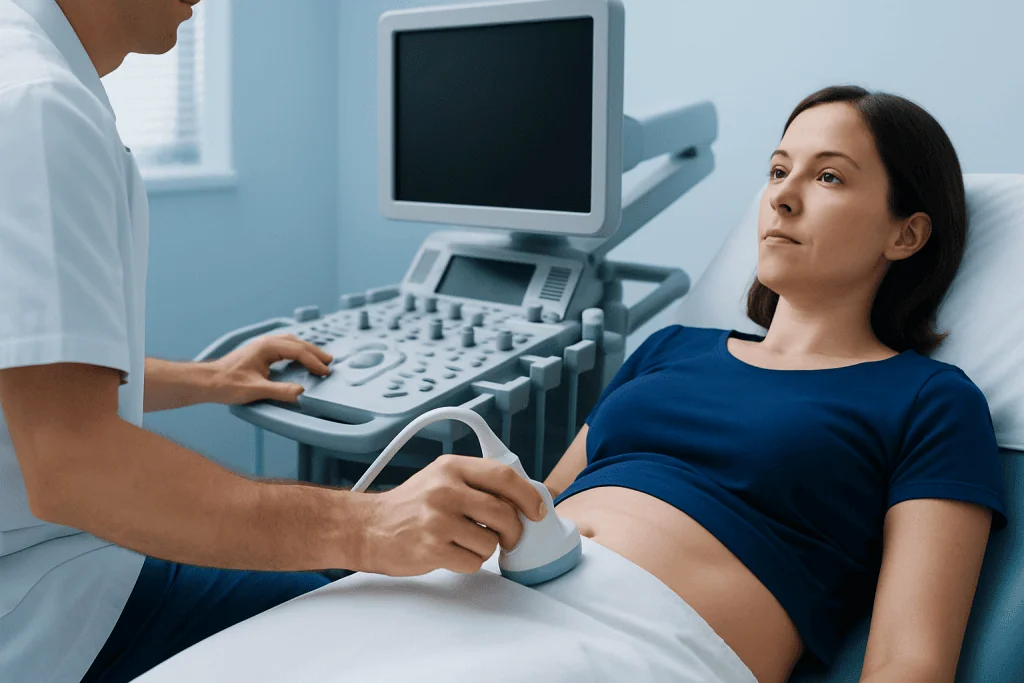
Further testing depends on what the first visit suggests. Doctors may measure how much urine remains in the bladder after urination with a scan, order blood tests, or use imaging if stones, kidney problems, or structural issues are possible. In selected cases, specialist evaluation in urology may include cystoscopy, flow studies, or urodynamic testing to understand bladder function in more detail.
If there are signs of a more complex bladder disorder, a clinician may also consider conditions such as cystitis or other causes of chronic bladder irritation. The goal is not only to identify disease, but also to separate temporary triggers from conditions that need longer-term management.
Treatment options depend on the cause
Treatment is guided by the diagnosis. If a urinary tract infection is confirmed, the main treatment is appropriate prescription medication and hydration advice from a doctor. If symptoms are due to bladder irritants, reducing caffeine, alcohol, and acidic drinks may help. If constipation is contributing, improving bowel habits can reduce pressure on the bladder.
For overactive bladder, treatment often begins with bladder training, timed voiding, fluid timing, and pelvic floor support. Some patients benefit from medicines that calm bladder contractions. When pelvic muscle dysfunction is part of the problem, pelvic floor physical therapy may improve coordination and reduce urgency.
If an enlarged prostate, stone, prolapse, nerve disorder, or another structural issue is present, treatment focuses on that condition. In some situations, imaging or urodynamic testing helps guide care. Specialists may also consider additional interventions for people with symptoms that do not improve with first-line treatment.
When symptoms are chronic or complex, a multidisciplinary approach can be useful. Near the end of the care pathway, if needed, Acibadem International’s multidisciplinary specialists and JCI-accredited hospitals evaluate and treat urinary symptoms for international patients using urology, gynecology, physical therapy, and imaging services when appropriate.
Self-care and practical steps that may help
Simple measures can reduce symptoms while a person arranges medical advice. It may help to keep a short diary of urination times, urgency episodes, drinks, and related symptoms for two to three days. This can reveal patterns such as symptoms after coffee, sparkling water, long periods of holding urine, or nighttime drinking.
Many people improve by making targeted adjustments rather than drinking less overall. Good habits include spacing fluids through the day, limiting caffeine and alcohol, avoiding constipation, and not straining on the toilet. Double voiding, meaning trying again after a brief pause, may help some people who feel incompletely empty, but persistent retention should still be checked by a doctor.
Relaxation can matter too. If the pelvic floor is tense, rushing or pushing can make symptoms worse. Slow breathing, taking time on the toilet, and avoiding “just in case” trips every few minutes may support more normal bladder signaling. People with recurring symptoms should not rely on home remedies alone if there is pain, fever, or blood in the urine.
Frequently asked questions
Why does it feel like I have to pee even after I just went?
This can happen when the bladder lining is irritated, the bladder muscle is overactive, or the pelvic floor is tense. It may also occur with a urinary tract infection, constipation, or incomplete emptying. If it keeps happening, a doctor can help identify the reason.
Is a constant urge to urinate always a urinary tract infection?
No. A urinary tract infection is a common cause, but not the only one. Caffeine, anxiety, overactive bladder, pelvic floor dysfunction, prostate enlargement, constipation, and some medical conditions can cause similar symptoms.
Can stress or anxiety make it feel like I need to pee more often?
Yes. Stress can increase awareness of bladder sensations and may also tighten pelvic floor muscles, which can add to urgency. However, symptoms should not automatically be blamed on stress if they are new, persistent, painful, or associated with other warning signs.
When should someone worry about this symptom?
Urgent medical attention is needed if there is fever, severe pain, inability to urinate, vomiting, or blood in the urine. A routine medical review is also a good idea if symptoms last more than a few days, keep returning, or disrupt sleep and daily life.
What tests are usually done for urinary urgency?
Doctors often start with questions about symptoms, a physical examination, and a urine test. Depending on the situation, they may also use blood tests, a bladder scan after urination, imaging, or specialized urology tests.
Can drinking less water fix the problem?
Not always. Drinking too little can irritate the bladder because urine becomes more concentrated. A better approach is usually balanced hydration, limiting known irritants such as caffeine, and getting medical advice if symptoms continue.
References
- National Institute of Diabetes and Digestive and Kidney Diseases
- American Urological Association
- National Health Service
- Mayo Clinic
- European Association of Urology
This article is for general information only and is not a substitute for professional medical advice. Please consult a qualified doctor about your individual situation.
Persistent digestive symptoms? Get evaluated in Turkey
JCI-accredited · board-certified surgeons · reply within 24h