

At Acibadem, How to Verify Our Hospitals, Official Channels, and Appointment Messages

To verify a hospital, channel, or appointment message, start from the official Acibadem website you opened yourself, not from a forwarded link. Match the exact hospital name, city, and department. Check full email addresses and phone numbers against published contact details, and confirm any new instruction through a channel you already trust before sharing documents or paying anything.
An email arrives about your appointment. A WhatsApp message asks for your passport copy. Is it really from us? That is a fair question, and this guide gives you a clear way to answer it, every time, for every message.
If you are planning care with Acibadem from abroad, you will communicate across email, phone, messaging apps, and web forms. That convenience is useful, but it also means you need a simple routine for checking what is official. This guide explains how to verify our hospitals, official channels, and appointment messages, what genuine communication looks like, which warning signs deserve a pause, and what is safe to share at each stage.
At a glance
- Best for: Patients and families checking whether a hospital, message, or contact is genuinely from Acibadem
- What you can verify: Hospitals and facilities, websites, phone numbers, email addresses, WhatsApp and SMS contacts, and appointment details
- Safest starting point: The official Acibadem website, opened by you in a fresh browser window, never only a forwarded link
- The core habit: Confirm any new instruction through a channel you already know is official before acting on it
- When to be cautious: Urgency without explanation, payment requests to personal accounts, unfamiliar links, or changing contact details
- Main goal: Protect your privacy and make sure your care journey runs through the right channel from the first message
Why knowing how to verify our hospitals, official channels, and appointment messages matters
Arranging treatment abroad means receiving messages about appointments, medical records, travel timing, and payment steps, often from people you have never met. Before you reply, send documents, or book flights, it is worth confirming that the hospital and the person contacting you are genuinely connected to Acibadem. A few minutes of checking protects your privacy, prevents confusion, and keeps your treatment planning on one clean track.
Medical travel is also a known target for impersonation. Fraudulent accounts sometimes copy hospital names, logos, and even staff titles to look credible. This is not unique to Turkey or to any single hospital group; it happens wherever international patients move money and documents. Learning how to verify our hospitals, official channels, and appointment messages is therefore not a sign of distrust. It is a routine travel habit, the same category as checking your passport dates or your airport transfer. We cover the broader pattern in our guide on recognising official hospital messages and avoiding medical travel scams in Turkey.
One principle underlies everything in this guide: verify through a channel you found yourself, not through the channel that contacted you. A suspicious message can supply its own “confirmation” number, its own reassuring link, its own follow-up email. Independent checking breaks that loop. If something does not look right, you can pause, share nothing further, and confirm the correct next step through contact details you located independently.
How to verify an Acibadem hospital or facility
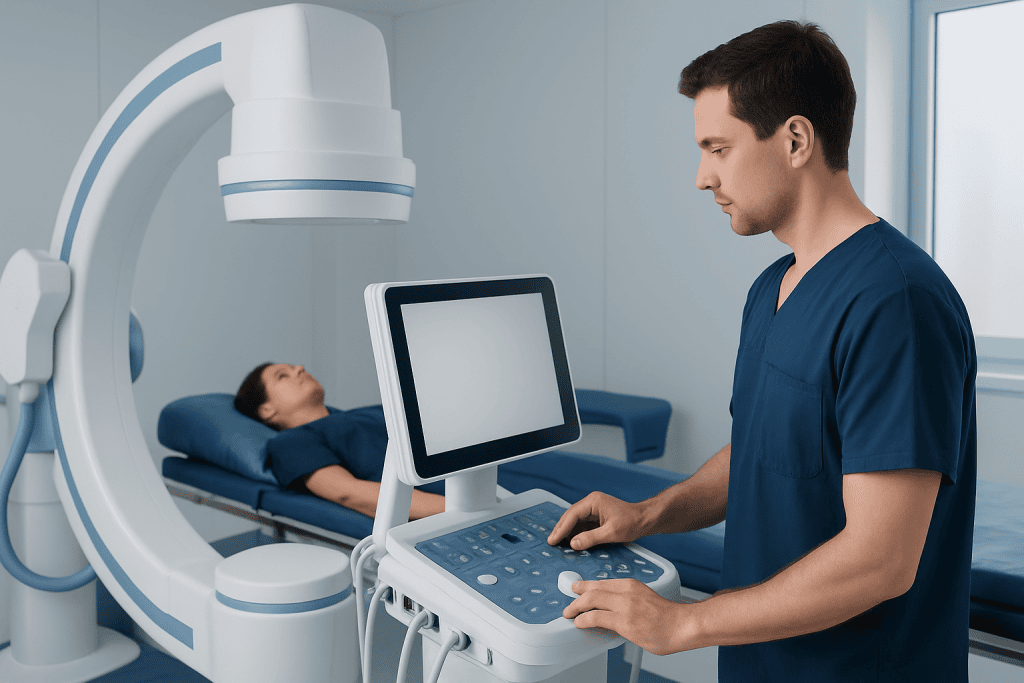
The safest first step is to look the hospital up through the official Acibadem website rather than relying on a message, a social media profile, or a forwarded contact card. An official listing should match the facility name, city, and contact details you were given, exactly, not approximately. This matters most when you are comparing hospitals in Istanbul or elsewhere in Turkey and want certainty that you are speaking to the right team about the right facility.
Cross-check consistency across everything you have received. The hospital name in an email signature, the name in your appointment confirmation, and the name on the website listing should all align. Watch for small differences: a slightly altered spelling, a vague district instead of a full address, or a department description that does not match the specialty you discussed. None of these proves a problem on its own, but each is a reason to ask for clarification in writing before moving forward.
If accreditation or quality certification matters to your decision, do not take any message’s word for it, including ours. Accrediting bodies publish their own searchable directories, and checking there is straightforward. Our separate guide on how to verify hospital accreditation in Turkey walks through that process step by step.
- Match the exact hospital name and city against the official website.
- Confirm the full street address, not just a district or neighbourhood.
- Ask which department and which international office is handling your case, and note the answer.
- Request written confirmation whenever your appointment location changes.
- Verify accreditation claims through the accrediting body’s own directory, never through a screenshot.
How to check whether a website, email, phone number, or message is official
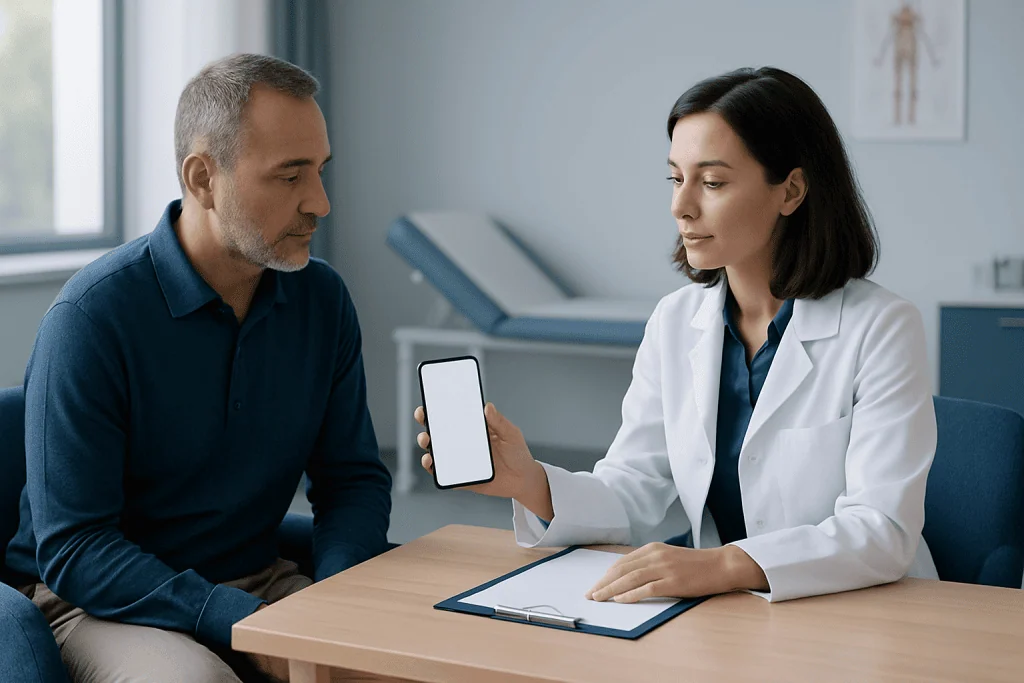
Websites and links
Begin with the web address itself. If you arrived through an advertisement, a third-party directory, or a social media post, do not assume the page is official. Open a fresh browser window, find Acibadem through your own search or saved records, and compare the address character by character. Small spelling changes, extra words such as “clinic” or “official”, hyphens inserted into the name, and unusual domain endings are all classic signs of an imitation site. Once you have confirmed the genuine address, bookmark it so you never need to repeat this check.
Look past the display name, anyone can set a display name to read “Acibadem International”. Open the actual sender address and examine the part after the @ symbol. Official correspondence uses a consistent professional domain that matches details you can confirm independently. Be cautious with free webmail addresses claiming to represent a hospital, with emails that press you to click an unfamiliar link or open an unexpected attachment, and with requests for passport copies or full medical records before any proper introduction has taken place. Government guidance on phishing describes exactly these patterns, and they apply to healthcare as much as to banking.
Phone calls, WhatsApp, and SMS
Check whether the number matches the contact details published on the official website or already established in your confirmed correspondence. The single most reliable habit for phone-based contact is the callback: if you receive an unexpected call or message about an urgent appointment, a payment, or a change of plan, do not act on the incoming contact alone. End the conversation politely, find a verified number yourself, and call that number to confirm. A genuine coordinator will never object to this; it costs a few minutes and removes almost all doubt. On WhatsApp, note that a profile photo showing a hospital logo proves nothing: the account behind it is what matters, and the callback test applies there too.
These checks are most valuable in the weeks before departure, when messages tend to multiply. Our guide on confirming official hospital messages before traveling to Turkey covers that pre-travel window in more detail.
What genuine appointment messages look like
A genuine appointment process is structured and easy to follow. You should always know which hospital is involved, which service is arranging your visit, and what is needed from you next. Real appointment communication typically includes your name as you provided it, the department or specialty, the proposed date and time, the hospital name and address, and one clear next action. Vague messages, “your appointment is ready, click here” with no department, no date, and no hospital named, do not fit this pattern.
Appointment confirmations and reminders may arrive by email, SMS, or messaging app. A legitimate text reminder usually references details already known to your case: your existing appointment date, the department, the hospital. It should never ask you to enter passwords, card numbers, or full identity documents through a link in the message itself. If a text asks you to confirm attendance, a simple yes or no reply is the normal scope; anything demanding sensitive data through the reminder channel deserves the callback test described above.
For international patients, planning messages may also cover travel dates, interpreter needs, airport transfer, and accommodation, since these logistics are commonly coordinated through international patient services. Even so, every new instruction should be consistent with what you were previously told. If a message contradicts an earlier confirmation, different hospital, different account, different contact person, treat the inconsistency itself as the signal, and confirm through the channel already linked to your case before acting. Authentic coordination leaves room for questions; it does not demand instant action without explanation. Once your visit is confirmed, our outpatient appointment checklist helps you organise the practical details around each visit.
Identity checks: what a genuine caller asks, and what they never ask
Hospitals do need to confirm they are speaking to the right patient. Over the phone, a genuine team member typically confirms identity using details already on file: your name, date of birth, and sometimes your patient or case reference number. The direction of the check matters: staff confirm details you provide against an existing record. They do not need you to read out full passport numbers, card details, online banking codes, or account passwords, and a legitimate identity check never involves any of those.
You are also entitled to verify the caller. Asking for the person’s name, department, and hospital, then calling back through a published number, is a reasonable and normal thing to do, no genuine hospital employee is offended by it. In person, identification works differently and involves your documents and wristband checks at registration; our guide to patient identification checks in Turkish hospitals explains what to expect on site.
Checking insurance networks and payment channels
Patients often ask how to check whether a hospital is “in network” for their insurance. The authoritative source is always your insurer, not the hospital and not a third-party directory. Insurers maintain their own provider lists and pre-authorisation teams, and only they can confirm what your specific policy covers abroad, whether pre-approval is required, and how billing will work. It is sensible to get that confirmation in writing from your insurer before you travel, and to keep the reference number of any pre-authorisation with your travel documents.
On payment more broadly: any quote or payment instruction should identify the hospital, describe what the amount covers, and use institutional payment channels. What a quote costs depends on your diagnosis, the planned procedure, the length of stay, and what is bundled into it, which is exactly why a legitimate quote is itemised and traceable to a named hospital, while a suspicious one is round, vague, and urgent. A request to transfer money to a personal account, a cryptocurrency wallet, or an account in a name unrelated to the hospital is a hard stop, regardless of how plausible the explanation sounds.
Warning signs that should make you pause
Most communication problems announce themselves early. Be cautious with anyone who claims to represent Acibadem but avoids naming a hospital, resists confirming details through verifiable channels, or manufactures urgency. Pressure to send documents immediately, to pay a “reservation fee” within hours, or to move the conversation to a new number or private account should prompt you to stop and re-verify from scratch.
- Payment requests to personal, changing, or unrelated accounts
- Urgency without a clear, checkable explanation
- Hospital names, cities, or departments that shift between messages
- Unfamiliar links, forms, QR codes, or unexpected attachments
- Refusal to be verified through official channels, or irritation when you try
- Poor-quality copies of hospital documents, mismatched logos, inconsistent language
- Requests for more personal data than the current planning stage requires
Trust the friction. If something feels off, a delay of a few hours to verify costs you almost nothing; sharing sensitive records or money with the wrong party can cost a great deal. A quick check through a number you found independently can confirm whether a case file genuinely exists in your name and which team member is assigned to it, which resolves most doubts quickly.
What information is safe to share, and when
Think of information sharing in stages. In early conversations, basic identity details and a short summary of your medical concern are usually enough to open communication and understand your options. Detailed medical records, imaging, pathology reports, and passport copies belong to a later stage, after you have confirmed the hospital, the contact person, and the specific purpose of the request. A reputable international patient service can explain clearly what is needed now, what can wait, who will review your documents, and how they will be used in appointment planning. If those answers are not forthcoming, that silence is itself information.
Keep your own record as you go. Save appointment emails in one folder, note the names and roles of your contacts, and jot down the date and time of phone conversations. If a mismatch ever appears, a new number, a changed hospital name, a repeated document request, you will have a simple timeline that makes the inconsistency obvious. If a family member is helping you coordinate, share this record with them so you both verify against the same facts; our guide on when to bring a family member to medical appointments covers how that support works in practice.
Step by step
- Start from an official source. Open the Acibadem website yourself in a fresh browser window rather than following a link that was sent to you. Bookmark the genuine address once confirmed.
- Match the hospital name and city exactly. The name in your message, your confirmation, and the official listing should be identical. Confirm the full street address and department, not just the city.
- Check the real sender details. Review the full email address behind the display name, and the actual phone or messaging number, against contact details published on the official site.
- Use the callback test for anything unexpected. New appointment, changed time, document request, payment instruction, confirm each through a channel you already know is official, not through the channel that delivered it.
- Confirm insurance questions with your insurer. Only your insurance company can confirm network status, coverage abroad, and pre-authorisation requirements. Get it in writing before you travel.
- Share documents in stages, after confirmation. Send only what the current planning step requires, keep copies of what you sent, and note who requested it and why.
- Pause at pressure or inconsistency. Urgency alone is never a reason to act. Ask for written confirmation through the established channel and wait for it.
- Keep one organised record. A single folder or phone note with confirmations, names, numbers, and dates lets you check any new message against your own timeline in seconds.
Your checklist
- Use the official Acibadem website, opened by you, as your starting point
- Confirm the exact hospital name, city, address, and department
- Check the full sender email address and phone number, not the display name
- Verify every new appointment message with an independent callback or email
- Confirm identity checks work both ways, verify the caller too
- Ask your insurer directly about network status and pre-authorisation
- Ask why any passport or medical document is being requested at this stage
- Never send money or personal data through unverified channels or personal accounts
- Keep copies of confirmations, messages, and attachments in one place
Key takeaways
- Verify through channels you found yourself, the official website, published numbers, established correspondence, never through the message that contacted you
- Cross-check hospital names, cities, addresses, and contact details across more than one source; exact consistency is the strongest sign of legitimacy
- The callback test resolves most doubt: end the contact, find a verified number independently, and confirm
- Genuine identity checks confirm details already on file; they never require passwords, card numbers, or full passport data over the phone
- Your insurer, not the hospital, is the authoritative source for network status and coverage abroad
- Share sensitive documents in stages, only after confirming who is asking and why, and keep one organised record of everything
Frequently asked questions
How do I confirm an appointment?
A confirmed appointment should exist as a written record: an email or message that names the hospital, department, date, time, and address. If you only have a verbal arrangement or a vague message, ask for that written summary through the channel already linked to your case. Keep it with your travel documents so you can compare any later message against it.
How do I confirm an appointment by text message?
A genuine text reminder references details already known to your case, the department, date, and hospital, and usually asks only for a simple yes or no reply. It should never ask you to enter passwords, card details, or identity documents through a link. If a text asks for anything sensitive, or if it announces a change you were not expecting, verify it by calling a number you found independently before responding.
What information does a genuine caller need to verify a patient’s identity over the phone?
Typically your name, date of birth, and sometimes a patient or case reference number, details confirmed against an existing record. A legitimate identity check never requires full passport numbers, card details, banking codes, or passwords. You can also verify the caller: ask for their name and department, then call back through a published number. Genuine staff expect this and do not object.
How do I check if a hospital is in network with my insurance?
Ask your insurer directly. Insurance companies maintain their own provider directories and pre-authorisation teams, and only they can confirm what your specific policy covers abroad, whether pre-approval is needed, and how billing works. Get the answer in writing and keep any pre-authorisation reference with your travel documents.
How can you verify that a hospital is really part of Acibadem?
Find the hospital through the official Acibadem website, opened in a fresh browser window, and compare the exact name, city, address, and contact details with what you were given. Every element should match. If any detail differs, ask for written clarification through the established channel before proceeding, and treat the inconsistency itself as a reason to slow down.
How can you tell if a website or link is unofficial?
Check the address character by character for spelling changes, added words, inserted hyphens, or unusual domain endings. If you reached the page through an ad, a social post, or a forwarded message, navigate to the site independently and compare. Mismatched branding, missing contact details, and pressure to enter personal data quickly are further signs of an imitation.
Is it normal to send medical records before a first appointment?
Yes: a verified hospital team may request reports or imaging so specialists can review your case and plan the right pathway. The key word is verified: confirm the request came through an official channel, understand why each document is needed at this stage, and keep copies of everything you send along with the name of the person who requested it.
What are the most common warning signs in suspicious messages?
Manufactured urgency, payment requests to personal or changing accounts, hospital details that shift between messages, unfamiliar links or attachments, and resistance when you try to verify through official channels. Any one of these justifies pausing; two or more together justify stopping entirely until you have independently confirmed who you are dealing with.
Add us as a Preferred Source to see more of our trusted health content across Google Search, AI Overviews and Discover.

Update history
- PublishedJune 25, 2026
- Medical review approvedSeptember 13, 2026
- Last content updateSeptember 12, 2026
More Patient Guides

At Acibadem, How We Explain Expected Clinical Outcomes and Treatment Success Information
Expected clinical outcomes at Acibadem are explained in clear, realistic terms so you understand likely benefits, limits, risks, and next steps in…
At Acibadem, How Families and Companions Are Supported During Treatment Travel
At Acibadem, family support during treatment travel in Turkey includes interpreters, planning help, visitor guidance, and practical support for companions.

At Acibadem, How Our JCI-Accredited Hospitals Support Safe International Care
JCI-accredited hospitals at Acibadem support safe international care in Turkey with standardized quality, interpreters, coordination and follow-up.

At Acibadem, What Our International Patient Package May Include Before You Travel
International patient package at Acibadem may include medical planning, travel help, interpreters, and stay support in Turkey before you travel.