

At Acibadem, How We Support International Patients from First Contact

From your first enquiry, Acibadem's international patient team helps you gather and share medical records, arranges the specialist review of your case, and explains the likely next steps. Support then continues through travel planning, interpretation, hospital coordination during your stay, and organised discharge documents and follow-up communication once you return home. The aim is one clear, coordinated pathway rather than a series of separate tasks you manage alone.
You have decided to look into treatment abroad, and the questions start to pile up. Who reads your scans? How are appointments arranged in a country you have never visited? What happens the moment you land? For many people, these practical worries weigh more than the medical ones.
This guide explains, plainly and in order, how we support international patients from first contact at Acibadem: what happens after your first enquiry, how your records are reviewed, what help exists for travel and language, what support looks like inside the hospital, and how discharge and follow-up are handled once your main treatment ends. It also tells you where the limits are, what can be settled before you travel, and what genuinely cannot be confirmed until doctors see you in person.
At a glance
- Best for: Patients who want a clear picture of how support works before, during and after care in Turkey
- What support includes: Care coordination, document guidance, interpreters, travel and accommodation guidance, and follow-up communication
- Where it starts: From your first enquiry to Acibadem International, before any travel is booked
- Language support: Interpreters and international patient coordinators are available when needed
- What stays open: Some parts of a treatment plan are only confirmed after in-person assessment: that is normal, not a delay
How we support international patients from first contact: what it means in practice
When you contact a hospital in another country, the medical questions are only part of the picture. You also need to know how to share your records safely, how appointments will be arranged, what happens when you arrive, and who to turn to when something is unclear. International patient support at Acibadem is built around exactly these practical needs, so that you are not coordinating a cross-border care journey on your own.
Your journey usually begins with an enquiry about your condition, your previous diagnosis if you have one, or the type of treatment you are considering. From there, the international patient team helps you assemble the information doctors need for an initial review, reports, scans, pathology results, medication lists. This first stage is mostly about creating clarity: which documents matter, which specialty is likely to be involved, and what the next steps look like. The process is described in more detail in Your First Contact with Acibadem: From Online Inquiry to Care Plan.
Because patients come to Acibadem from many countries, support is designed with cross-border logistics in mind: realistic timelines, preparation before travel, and communication in a language you are comfortable using. Understanding how we support international patients from first contact also means understanding what the team will not do. Coordinators do not make medical decisions, and no one can promise you a fixed treatment plan sight unseen. What they can do is make sure the right specialists see the right information, and that you always know what is happening next.
From first contact to medical review
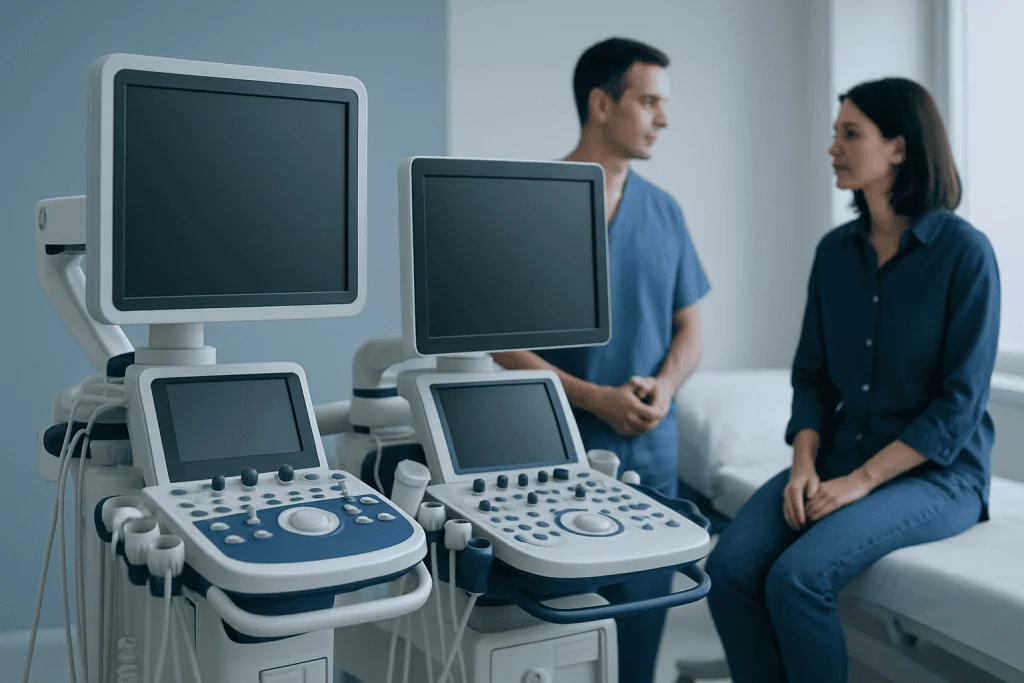
After your initial enquiry, you will usually be asked for the medical information the relevant specialist team needs to review your case. That may include previous consultation notes, test results, imaging as digital files or on disc, and details of any current treatment. If you are unsure what is useful, the international patient services team explains what to gather first, so the task does not become overwhelming.
Once your records are shared, they are assessed by the relevant department or, where your case touches more than one specialty, by a multidisciplinary team. Multidisciplinary review matters because it allows surgeons, physicians and other specialists to consider your care together rather than in sequence. After the review, you may receive guidance on possible next steps, a request for additional information, or a recommendation for in-person consultation. It is worth saying clearly: an opinion based on records is a starting point, not a finished plan. Doctors often need to examine you, and sometimes repeat tests to their own standards, before final decisions are made.
This is also the stage where practical coordination begins. You may want to know how scheduling usually works, roughly how long a stay in Turkey might involve for your type of care, and whether certain tests are commonly repeated on arrival, pre-op tests before treatment are a common example. The team can help you frame these questions so you understand what is known before travel and what will only be confirmed afterwards.
- Prepare a short written summary of your condition and symptoms.
- Keep digital copies of reports and scans together in one folder.
- List your medications, allergies and previous procedures.
- Ask whether any documents should be translated before travel.
Help with travel, arrival and language

Travelling for treatment feels very different from travelling for leisure. You may be weighing flight timing against recovery, thinking about mobility, medication storage, fatigue, and whether a companion should come with you. Support at this stage is about reducing the number of moving parts you have to manage yourself.
At Acibadem, international patient support can include guidance on travel planning and accommodation, and help organising your hospital visits after arrival. The exact support varies with your case and destination city, so it is sensible to ask early what applies to you. If you are coming to Istanbul or another Turkish city, it helps to know in advance how your appointments will be sequenced, where the hospital sits relative to your accommodation, and what local arrangements you may need. It is also worth reviewing your cover before booking anything; our guide to travel insurance for treatment in Turkey explains what to check.
Language is one of the most common concerns. Interpreters and international patient coordinators support communication so that administrative steps, consultations and hospital instructions are clear to you, including consent discussions, where understanding matters most. You can read more in How Acibadem Supports International Patients in Their Own Language. If a family member travels with you, they benefit from the same clear contact point, from arrival through to discharge planning.
What support looks like during your hospital stay
Once you arrive, support becomes hands-on. You may need help with registration, finding your way around the building, understanding the order of consultations and tests, and keeping track of schedule changes. The international patient team acts as a bridge between the clinical side of your care and the practical details around it, so a change of appointment time does not become a source of anxiety.
Acibadem hospitals are structured to care for both local and international patients, with systems for coordination between departments. If your treatment involves imaging, laboratory work or input from more than one specialist team, coordinated communication means you know where to go, what happens next and how to prepare for each step. Documents matter here too: bring identification, your records and any hospital correspondence, and expect to complete admission paperwork on arrival. Our guide to hospital admission documents in Turkey lists what to have ready, and it is equally worth understanding how medical consent forms work before you sign anything.
If you have a companion with you, they may need updates on visiting arrangements, waiting areas, accommodation timing and discharge plans. Keeping these practical matters organised is part of the support, and it makes a real difference when you are in an unfamiliar city and want fewer administrative worries while you focus on your health. During consultations, use interpreter support whenever you need it: it is there so that you understand instructions, medications and next steps before moving on, not as a formality.
Discharge, follow-up and going home
Support does not stop when your main treatment finishes. Before you leave the hospital, you should receive clear discharge information: medication guidance from your treating doctor, instructions for wound care or recovery where relevant, and advice on what to watch for after you leave. For international patients, these instructions need to be understandable and easy to carry home, which is why interpreters remain involved at discharge.
You may also need practical help assembling documents for your onward care, discharge summaries, test results, pathology reports, imaging records and letters for your doctor at home. Acibadem International helps coordinate these materials so the handover to your local care is smoother. Before you leave Turkey, confirm that you have copies of everything; requesting records from abroad afterwards is possible but slower.
Depending on your treatment, follow-up may involve remote communication, review of new test results taken locally, or guidance on when an in-person review makes sense. If you are planning to fly home soon after discharge, confirm the timing with your treating team rather than working from the flight schedule alone, travel readiness depends on the treatment you had, not on the calendar. Ongoing arrangements are covered in more depth in how we support patients who need ongoing follow-up care.
How to prepare so the process feels smoother
The best way to benefit from support that begins at first contact is to prepare a few essentials before you travel. Keep your medical records organised in one place, and write down your questions as they occur to you. Many patients find it useful to separate questions into medical, practical and travel-related lists, so nothing is missed during calls or consultations.
Think about your personal needs as well. Mobility concerns, dietary requirements, regular medications and conditions that make travel tiring are all things the team can plan around, but only if they know about them early. The more the coordinators understand your situation, the more realistic your appointment schedule and local arrangements will be.
Finally, allow for some flexibility. Doctors sometimes recommend updated tests after you arrive, because imaging or laboratory work needs to be repeated to a consistent standard before decisions are made. This does not usually signal a problem; it is part of building a careful treatment plan. A well-coordinated international patient service explains these steps as they happen, so you are never left guessing why something is being done.
- Carry your passport, insurance details if relevant, and all hospital correspondence.
- Bring medications in their original packaging with a written list of doses.
- Keep emergency contacts and your accommodation details to hand.
- Allow enough time in Turkey for consultations, tests and recovery advice, not just the procedure itself.
Step by step
- Send your first enquiry. Share your main medical concern, any previous diagnosis, and the type of help you are seeking. This allows the international patient team to tell you which records to send and which specialty is likely to be involved.
- Gather and share your medical records. Collect recent reports, scans, pathology results, medication lists and prior treatment summaries. Complete information early helps the reviewing team understand your case efficiently.
- Review your options and timeline. After the medical review, ask practical questions about the likely care pathway, possible length of stay, and whether tests may be repeated on arrival. This is the moment to separate what is already known from what will only be confirmed in person.
- Plan travel and accommodation. Organise your dates around consultations, tests and recovery needs rather than flights alone. Ask what local support is available for your specific hospital visit.
- Arrive and complete hospital registration. Bring identification, your records and any requested paperwork. Your coordinator helps you navigate registration, directions and the day’s schedule.
- Follow your treatment plan with coordination support. Use interpreter and coordination support whenever you need clarification, so you fully understand instructions, consent processes and next steps before moving on.
- Leave with clear discharge and follow-up information. Before travelling home, make sure you hold your discharge documents, medication instructions from your treating doctor, and a named route for follow-up questions.
Your checklist
- Passport and travel documents
- Recent medical reports, imaging and test results
- List of medications, doses and allergies
- Written summary of your symptoms and medical history
- Questions for the doctor and for the international patient team
- A travel plan with enough time for appointments and recovery advice
- Companion arrangements if you prefer not to travel alone
- Copies of discharge and follow-up documents before you leave Turkey
Key takeaways
- Support at Acibadem runs from your first enquiry through record review, travel, treatment, discharge and follow-up.
- Coordinators handle logistics and communication; medical decisions stay with your treating doctors.
- Some elements of a treatment plan are only confirmed after in-person assessment, build flexibility into your travel dates.
- Interpreters and coordinators support consultations, consent discussions and hospital instructions in a language you understand.
- Leaving Turkey with complete discharge documents makes the handover to your doctor at home far smoother.
Frequently asked questions
Who do I speak to first if I am considering treatment at Acibadem from abroad?
You would usually begin with Acibadem International or the international patient services team. They guide you on how to submit your enquiry, which medical documents to share and what the next practical steps look like for your situation.
Can Acibadem help if I do not speak Turkish?
Yes. Language support is a core part of international patient care. Interpreters and coordinators help you follow consultations, administrative processes and hospital instructions clearly during your time in Turkey, including at discharge.
Will I know my full treatment plan before I travel?
You may receive an initial medical opinion or a recommended pathway based on the records you share, but some details can only be confirmed after in-person assessment. Doctors may need to examine you directly or repeat certain tests before making final decisions, which is a normal part of safe planning.
Can someone help with travel and accommodation arrangements?
International patient support often includes practical guidance on travel planning and accommodation logistics. The exact arrangements vary by case and city, so it is worth asking early what support applies to your specific hospital visit.
What should I bring with me to the hospital in Turkey?
Bring your passport or identification, all relevant medical records, a current medication list and any hospital correspondence you have received. Keeping both printed and digital copies of key documents means you can produce them quickly when asked.
Why might tests be repeated after I arrive?
Imaging and laboratory results sometimes need to be repeated so that decisions rest on recent results produced to a consistent standard. This is common practice and does not by itself mean anything has changed in your condition.
Can a family member or companion be involved in the process?
Yes. Companions can receive practical updates about visiting arrangements, waiting areas, accommodation timing and discharge plans, and they can use the same contact point as you throughout the visit.
What happens after I am discharged and return home?
You should leave with discharge documents, medication and recovery instructions from your treating doctor, and a clear route for follow-up questions. Depending on your care plan, follow-up may involve remote communication, sharing new test results or arranging a later in-person review.
Add us as a Preferred Source to see more of our trusted health content across Google Search, AI Overviews and Discover.

Update history
- PublishedJune 22, 2026
- Medical review approvedSeptember 13, 2026
- Last content updateSeptember 12, 2026
References1
- CDC Yellow Book: Medical Tourism wwwnc.cdc.gov
More Patient Guides

At Acibadem, How We Explain Expected Clinical Outcomes and Treatment Success Information
Expected clinical outcomes at Acibadem are explained in clear, realistic terms so you understand likely benefits, limits, risks, and next steps in…

At Acibadem, How Families and Companions Are Supported During Treatment Travel
At Acibadem, family support during treatment travel in Turkey includes interpreters, planning help, visitor guidance, and practical support for companions.

At Acibadem, How Our JCI-Accredited Hospitals Support Safe International Care
JCI-accredited hospitals at Acibadem support safe international care in Turkey with standardized quality, interpreters, coordination and follow-up.

At Acibadem, What Our International Patient Package May Include Before You Travel
International patient package at Acibadem may include medical planning, travel help, interpreters, and stay support in Turkey before you travel.