

How to Pack for Medical Treatment in Turkey: Essentials for Hospital, Hotel, and Recovery

Pack in three groups: hospital, hotel, and recovery travel. Keep your passport, medical records, hospital and flight confirmations, and all essential medicines in your hand luggage, with medicines in their original packaging and prescriptions or a doctor's letter. Choose loose, easy-on clothing and slip-on shoes, add a few comfort items, and avoid overpacking or bringing valuables.
Standing over an open suitcase, wondering whether you are packing for a hospital stay, a hotel recovery, or a flight home? It is usually all three, and that is exactly why packing for treatment feels harder than packing for a holiday.
The trick is to stop thinking about one suitcase. Separate what you need for the hospital, what you need at your hotel, and what will help during your recovery period. That way you have the right documents, medicines, clothing, and comfort items with you, without dragging along a bag you cannot lift.
This guide walks you through it calmly and practically, so you can pack once and stop second-guessing yourself.
At a glance
- Best approach: Pack in three groups: hospital, hotel, and recovery
- Most important items: Passport, medical records, medicines, chargers, and comfortable clothing
- Keep with you: All documents, valuables, and essential medications in your hand luggage
- Avoid: Overpacking, bringing restricted medicines without paperwork, and tight clothing
- Helpful support: International patient teams can advise on paperwork, arrival, and practical needs
Start with a simple packing plan
When you are traveling for treatment, packing can feel more stressful than a normal trip because you are preparing for appointments, possible hospital admission, hotel recovery time, and your journey home. The easiest way to stay organized is to pack in three categories: what you need for the hospital, what you need for your hotel or apartment, and what you may need during recovery and travel back.
Before you put anything in your suitcase, check your treatment itinerary, expected length of stay, and whether you will have a companion with you. If your schedule includes pre-operative tests, overnight admission, or follow-up visits, your clothing and personal items may need to cover several different situations. A written list on your phone or on paper helps you avoid forgetting important basics.
If you are traveling to Istanbul or another city in Turkey for care, it also helps to think practically about transfers, waiting times, and comfort during movement between the airport, hospital, and accommodation. Acibadem International’s international patient services can usually help you understand the likely flow of your stay, which makes it easier to pack only what you will realistically use.
Keep documents and medical essentials in your hand luggage
Your most important items should never go into checked baggage. Keep your passport, visas if needed, travel insurance documents, hospital confirmation, flight details, and accommodation information with you at all times. It is also wise to carry printed copies as well as digital versions on your phone in case your battery runs low or internet access is delayed.
Bring your medical records in an organized folder. This may include recent test results, imaging reports, medication lists, allergy information, referral letters, and any instructions you received before travel. If you have implants, chronic conditions, or an ongoing treatment plan, include clear summaries in English if possible.
Your regular medications should stay in your hand luggage too, ideally in their original packaging with prescriptions or a doctor’s letter. This is especially important for injectable medicines, controlled medications, or anything that may raise questions at airport security. Pack more than you think you need in case of delays, but only within legal and practical limits.
- Passport and ID
- Hospital appointment confirmations
- Medical records and imaging reports
- Prescription medicines in original boxes
- Doctor letters and prescriptions
- Insurance and emergency contact details
What to pack for the hospital
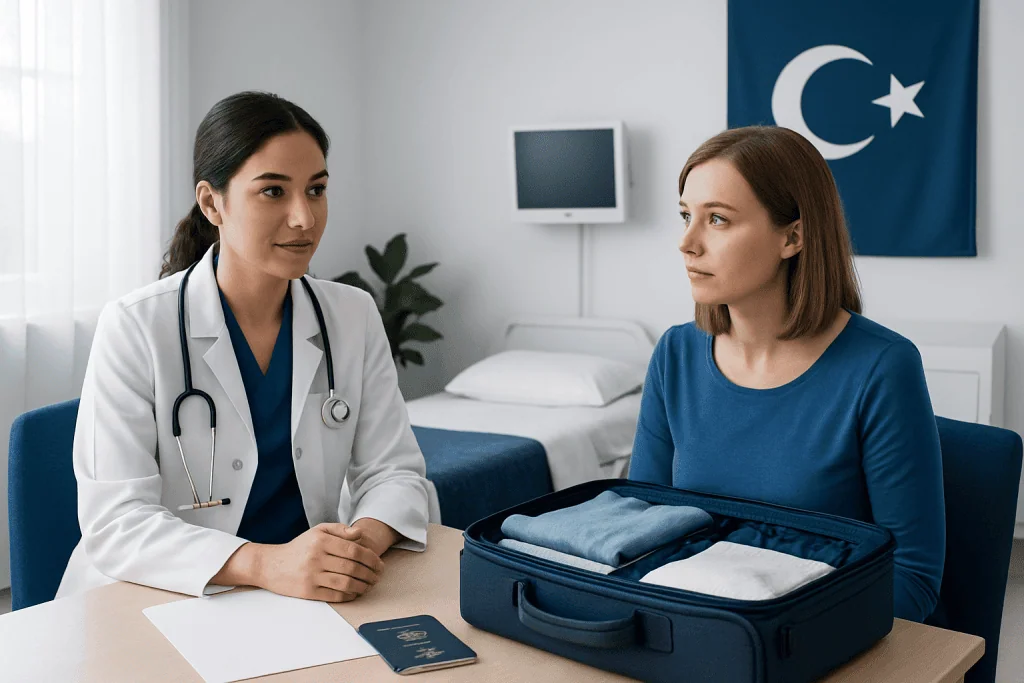
Hospitals provide many essentials, but a small personal bag can make you more comfortable. Choose loose, easy-to-remove clothing, non-slip slippers, underwear, socks, and simple toiletries. If you expect to stay overnight, think about what will help you feel clean, warm, and at ease without bringing too much.
Keep in mind that after treatment you may not want to pull clothing over your head, bend down, or manage buttons and tight waistbands. Soft front-opening tops, elastic trousers, and slip-on shoes are often easier than fitted outfits. If your care team has given clothing guidance for your specific procedure, follow that advice first.
You may also want a few comfort items such as lip balm, tissues, a phone charger with a long cable, glasses case, hearing aids with batteries, and a small power bank. If you use dentures, mobility aids, CPAP equipment, or another daily medical device, tell the hospital in advance and pack what you need in a clearly labeled way.
What to pack for your hotel and recovery period
Your hotel packing should focus on comfort, rest, and easy daily routines. Recovery is usually smoother when your environment is simple and your clothing is soft, breathable, and easy to change. Pack enough outfits so you do not need to do laundry immediately, but avoid filling your suitcase with items you are unlikely to wear.
Useful items often include loose sleepwear, a light robe or cardigan, extra underwear, toiletries you already know suit your skin, and basic entertainment such as headphones, a book, or downloaded shows. A reusable water bottle, healthy snacks approved by your care team, and a small pillow for transfers can also be helpful, especially if you expect tenderness or fatigue.
If you are staying several days after treatment, think about practical comfort rather than appearance. Compression garments, wound-care supplies, or mobility supports should only be packed if your medical team has asked you to bring them or has confirmed they will be needed. At Acibadem International hospitals, your care team can explain which medical items are provided and which personal items are worth bringing from home.
Dress for travel days and changing needs
Your travel outfit matters more than many people expect. Choose clothing that is soft, layered, and easy to sit in for long periods. Airports, hospital waiting areas, and vehicles can vary in temperature, so light layers usually work better than one heavy outfit.
Slip-on shoes are often the easiest choice, especially if you are tired, swollen, or advised to avoid bending after treatment. Compression socks may be appropriate for some travelers, but use them only if they are suitable for your health situation and you have been advised accordingly. Avoid very tight jeans, complicated fastenings, or anything that could rub against treated areas.
If you are returning home soon after a procedure, pack your discharge-day clothing separately so it is easy to reach. Think ahead about how you will feel when dressing, walking through the airport, and sitting during the journey. A calm, comfortable travel setup can make the trip home much easier.
Don’t forget devices, communication, and practical extras
Many packing problems are not medical at all; they are practical. Bring your phone, charger, plug adapter, and any cables for your devices. If you rely on a laptop or tablet for work or entertainment, keep it in your hand luggage along with login details for important apps, booking confirmations, and secure copies of your documents.
Language support can also matter. If English is not your first language, save key medical terms, emergency contacts, and addresses in an easy-to-find note on your phone. International patient services at groups such as Acibadem International can help coordinate interpreters and logistics, but it is still wise to keep your own essential information accessible.
Other useful extras include a small amount of local currency, payment cards, sanitizing wipes, tissues, spare glasses or contact lens supplies, and a foldable bag for carrying paperwork or discharge items. If your companion is traveling with you, ask them to carry a few essentials too, so you are not managing everything alone.
What not to pack and common mistakes to avoid
One of the most common mistakes is overpacking. Large suitcases can be inconvenient when you are tired, sore, or moving between locations. Focus on useful, repeat-wear items rather than options. You do not need to prepare for every possible situation; you just need the basics covered well.
Avoid carrying expensive jewelry, unnecessary valuables, or large amounts of cash. Do not pack important medicines in checked baggage, and do not assume you can easily replace specialized prescriptions abroad. If you are unsure whether a medicine or supplement is allowed, check before you fly and carry supporting paperwork.
Finally, do not pack based on guesswork alone. Follow your hospital’s pre-travel and pre-treatment instructions carefully, including any guidance on fasting, stopping certain medications, or bringing test results. If you are being treated at Acibadem International, the international patient team can usually clarify what to bring, what will be provided, and what is best left at home.
Step by step
- Review your treatment plan and length of stay. Start by confirming how many days you expect to spend in Turkey, whether you will stay overnight in hospital, and what follow-up appointments are planned. This helps you pack for the real schedule rather than for every possibility.
- Separate your items into hospital, hotel, and travel bags. Use smaller internal bags or packing cubes so you can quickly find what you need in each setting. This keeps hospital essentials accessible without unpacking your whole suitcase.
- Prepare a dedicated document folder. Gather your passport, booking confirmations, medical records, prescriptions, and contact numbers in one place. Keep both digital and printed copies in case of battery, signal, or baggage issues.
- Pack your medicines carefully. Carry all regular medicines in original packaging with enough supply for delays and recovery time. Add a written medication list, allergy information, and any doctor letters needed for airport checks.
- Choose comfort-first clothing. Pack loose, soft, easy-on clothing for appointments, hospital stays, and the trip home. If you may have limited mobility or tenderness after treatment, front-opening tops and slip-on shoes are especially helpful.
- Add a few recovery comfort items. Simple items like lip balm, a long charging cable, tissues, a reusable water bottle, and a small travel pillow can make a real difference. Think about what will help you rest, stay organized, and move comfortably.
- Check restrictions before you fly. Before departure, verify airline baggage rules and any restrictions related to medications, liquids, or medical devices. If anything is unclear, ask your airline and hospital team in advance rather than solving it at the airport.
Your checklist
- Passport, visa documents if required, and copies of ID
- Hospital confirmations, treatment itinerary, and accommodation details
- Medical records, test reports, scans, and medication list
- Regular medicines in original packaging with prescriptions
- Loose clothing, sleepwear, underwear, socks, and slip-on shoes
- Basic toiletries, glasses, hearing aids, or other daily-use items
- Phone, charger, plug adapter, and power bank
- Small comfort items such as lip balm, tissues, and a travel pillow
- Payment cards, some local currency, and emergency contacts
Key takeaways
- Pack in three groups: hospital, hotel, and recovery travel needs.
- Keep documents, medical records, and all essential medicines in your hand luggage.
- Choose loose, comfortable clothing that is easy to put on and remove.
- Bring practical comfort items, but avoid overpacking and unnecessary valuables.
- Check hospital and airline instructions early, especially for medications and medical devices.
Frequently asked questions
Should I bring all of my medical records to Turkey?
Bring the records that are relevant to your current treatment, including recent reports, scan results, medication lists, and allergy information. If you are unsure what matters most, ask your hospital’s international patient team before you travel.
Do I need to carry my medicines in original packaging?
Yes, this is the safest option for airport checks and medical clarity. Original boxes or labeled containers, together with prescriptions or a doctor’s letter, make it easier to confirm what you are carrying.
What kind of clothes are best after treatment?
Soft, loose, easy-on clothes are usually the most practical. Front-opening tops, elastic waistbands, and slip-on shoes are often easier than tight or structured clothing, especially if you feel tired or sore.
Can I buy toiletries and basic items in Turkey instead of packing everything?
Yes, many everyday items are easy to buy in Turkey, especially in major cities such as Istanbul. Even so, it is wise to bring your immediate essentials for the first day or two, plus any skin or personal care products you know work well for you.
What should stay in my hand luggage during medical travel?
Keep your passport, documents, valuables, chargers, and all essential medications with you. You should also carry any item you may need in the first 24 hours if checked baggage is delayed.
Will the hospital provide everything I need during my stay?
Hospitals usually provide core clinical and room essentials, but personal comfort items are still worth bringing. If you are traveling to Acibadem International, the team can help you understand what is typically provided and what you may prefer to pack yourself.
Should my companion pack anything special?
Yes, your companion should pack their own documents, chargers, medications, and comfortable clothing, but also be ready to help with your essentials. It can be useful for them to carry spare copies of your itinerary, contact numbers, and a few of your comfort items.
Add us as a Preferred Source to see more of our trusted health content across Google Search, AI Overviews and Discover.

Update history
- PublishedJuly 25, 2026
- Medical review approvedAugust 25, 2026
- Last content updateAugust 24, 2026
References2
- Travelers' Health: Medical Tourism wwwnc.cdc.gov
- Traveling with Medicines wwwnc.cdc.gov
More Patient Guides

GHIC and EHIC in Turkey: Why They Do Not Cover You
The blue card that quietly covers you across Europe stops working at the Turkish border, and every summer, travelers discover this…

Do You Need Vaccinations for Turkey?
Here is the answer travel clinics give every day: no vaccinations are required to enter Turkey from anywhere in the normal course…

Flying With a Broken Leg or Cast: Airline Rules and Comfort
A broken leg does not cancel a flight, airlines carry passengers in casts every single day. What surprises travelers is that…
Travel Insurance After Cancer: What Patients Should Know
A cancer diagnosis changes how insurers read your name, but it does not end your traveling life. Thousands of people with…