

Managing Appointment Gaps During a Medical Trip to Turkey

Appointment gaps are a normal part of medical travel. They usually exist because your team is waiting for test results, specialist reviews, or recovery checks. The practical response is to stay reachable, stay within easy reach of the hospital, keep your documents organised, and use the time for rest and preparation rather than ambitious sightseeing or non-refundable travel changes.
You have a free day tomorrow and your next appointment is not yet confirmed. Should you book a tour, stay near the hotel, or worry that something has gone wrong? This is one of the most common questions international patients ask, and the honest answer is that gaps between appointments are normal. Tests need time to process. Specialists need time to review. Your body sometimes needs time to be observed before the next step. Managing appointment gaps during a medical trip to Turkey is mostly a matter of planning for them before you arrive, and then using them deliberately once you are here.
At a glance
- Best mindset: Treat gaps as planned time for rest, organisation, and preparation, not as delays or empty days
- Main priority: Stay reachable and close enough to the hospital to attend an updated appointment at short notice
- Helpful support: International patient coordinators, interpreter services, transport guidance, and accommodation advice
- What to avoid: Long day trips out of the city, physically demanding activities, and non-refundable bookings made before your plan is confirmed
- Good to prepare: A working phone (local SIM or roaming), one organised documents folder, a written medication list, and flexible flight and hotel bookings
Why appointment gaps happen during a medical trip
Managing appointment gaps during a medical trip to Turkey starts with understanding why they exist. When you travel abroad for care, it is natural to hope that every consultation, scan, and follow-up will run in a neat, back-to-back sequence. In practice, careful medicine often includes waiting. Your team may need time to review imaging, compare blood results against earlier tests, discuss your case with a colleague in another department, or simply see how you respond to a treatment step before deciding on the next one.
A gap does not mean your care has stalled or that you have been forgotten. In multidisciplinary hospitals, several departments may contribute to one plan, and their input takes time to assemble. At Acibadem International, patient coordinators help you understand what is scheduled, what is pending, and which days you should keep free.
Common reasons behind a gap include:
| Reason for the gap | What is usually happening |
|---|---|
| Laboratory tests pending | Samples are being processed; some tests take longer than others by nature |
| Imaging review | A radiologist reports the scan, and your doctor reviews it before your next consultation |
| Multidisciplinary discussion | Specialists from different departments compare findings and agree on a plan |
| Recovery observation | Your team wants to see how you feel a few days after a procedure or treatment step |
| Preparation requirements | Some procedures require fasting, medication timing, or other preparation that fixes the date |
| Cross-department scheduling | Two or more clinics are aligning their calendars so your visits fit together |
The most useful thing you can do is plan for gaps before you travel. Build flexibility into your flight dates, accommodation booking, work commitments, and your companion’s plans. If your timeline is genuinely tight, say so early, so the team can tell you what is and is not realistic.
How to use waiting time safely and comfortably
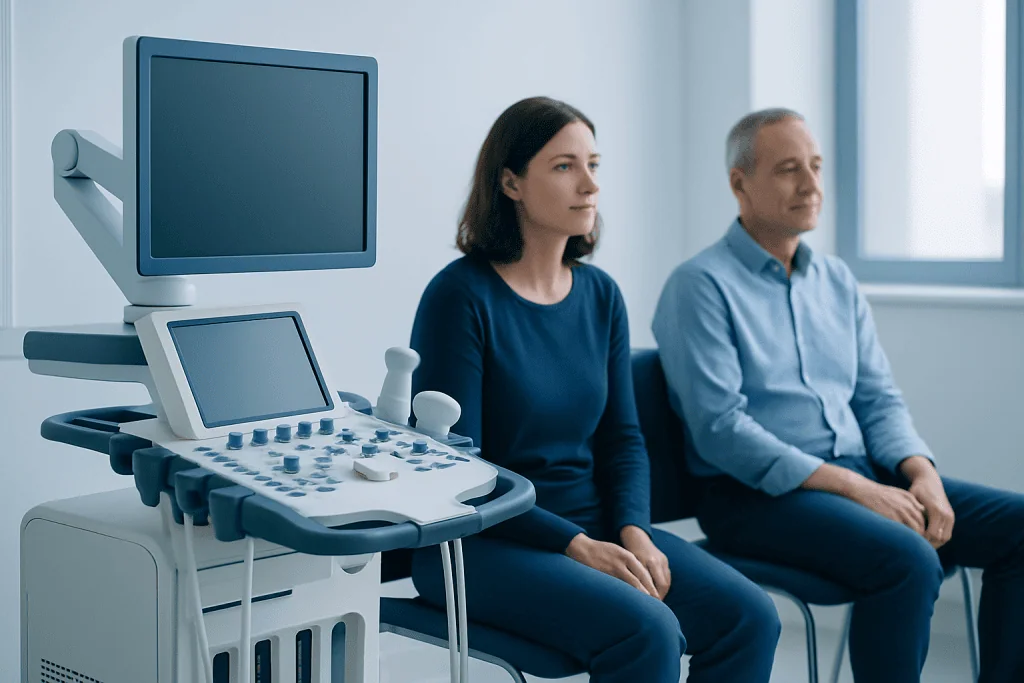
The best use of a gap is usually rest, gentle routine, and practical preparation. Medical travel is tiring even before treatment begins: a new time zone, unfamiliar food, hospital corridors, paperwork, and the emotional weight of making health decisions away from home all add up. A quiet day often does more for you than a full one.
Choose low-effort activities that keep you near your accommodation and within easy reach of the hospital. Short walks, simple meals, light shopping for essentials, or a relaxed coffee with your companion are more sensible than long tours. If your doctor has given activity restrictions, follow them even when you feel well, restrictions are usually about protecting the next step of your care, not about how you feel today. For ideas suited to different energy levels, see our guide on what to do during free days between appointments in Turkey.
Productive ways to spend an appointment gap include:
- Organising your medical documents, reports, and imaging files into one folder: our guide on keeping your medical records organised during treatment in Turkey covers a simple system
- Confirming the next appointment time, hospital location, and department
- Writing down questions for your doctor or nurse while they are fresh in your mind
- Checking medication instructions and whether a refill will be needed before you fly home
- Resting, hydrating, and keeping meals simple, unless your team has given you specific dietary instructions
- Updating family at home so they know your plan and your contact details
Staying close, reachable, and ready for schedule changes

Schedules on a medical trip move in both directions. A result may come back earlier than expected, a specialist slot may open up, or the team may recommend an additional test. Any of these can pull your next appointment forward, and being unreachable when that happens can cost you a day. So the single most important habit in managing appointment gaps during a medical trip to Turkey is staying contactable: keep your phone charged, enable roaming or use a local SIM, and make sure your coordinator has your current hotel address and preferred contact method.
Think carefully before planning a full-day excursion outside the city during a gap. Istanbul traffic, weather, ferry timetables, and ordinary travel delays can make a quick return difficult. A flexible, local plan almost always beats an ambitious itinerary, and it is far less stressful if your phone rings at midday with an earlier slot.
It also helps to know how firm each part of your schedule is. Some appointments are fixed because a procedure room or a fasting requirement is involved; others are flexible and may shift as results arrive. Your international patient coordinator can usually tell you which periods are genuinely free and which require you to remain on standby near the hospital. That distinction is the difference between a relaxed afternoon and an anxious one.
Planning accommodation around appointment gaps
Your hotel or apartment becomes your recovery base between visits, so choose it for practicality rather than scenery. Useful features include straightforward transport to the hospital, a lift if your mobility may be limited after a procedure, reliable Wi-Fi, a pharmacy nearby, simple food options, and a quiet room for rest.
If your care involves visits to more than one facility, ask whether it makes more sense to stay close to the main hospital or in a central district with good transport links. Istanbul is a very large city, and journey times change dramatically with the time of day. Two points that look adjacent on a map can be an hour apart at peak traffic. When your appointment times are uncertain, shorter journeys buy you flexibility.
International patient services can advise on practical accommodation considerations without turning your trip into a second project. If you need particular arrangements, wheelchair access, a companion bed, proximity to a specific Acibadem hospital, raise this before you arrive, so the advice comes early enough to shape your booking rather than fix it afterwards.
Managing meals, medicines, and daily routines between visits
Gaps are easier when your daily routine stays boring in the best sense. Keep regular sleep hours, drink enough water unless your team has told you otherwise, and avoid sudden changes to your diet. If tests are coming up, ask whether you need to fast, avoid certain foods, or follow specific timing instructions, and get those instructions in writing at the appointment where they are given.
Decisions about starting, pausing, or re-timing any medicine, including over-the-counter products, herbal remedies, and supplements, belong to your treating doctor. Even common products can affect bleeding, blood pressure, blood sugar, anaesthesia planning, or test results, so raise questions at your appointments rather than experimenting between them. Keep medicines in their original packaging where possible and carry a written list of names, doses, and timing. Our guides on keeping regular medicines on schedule during medical travel and managing prescription refills during a treatment stay in Turkey cover the practical side in more detail.
Time zone changes deserve a moment of thought too. If you take medicines at fixed intervals, a shift of a few hours matters, and the right way to handle it depends on the medicine. This is a question for your treating team, ideally before you travel, another good use of the notebook or phone note you keep for appointment questions.
Keeping your companion involved without overloading them
If someone travels with you, gaps are for both of you. Your companion may need time to rest, arrange meals, update family at home, manage travel details, or simply process the experience. Agree in advance how you will share tasks so neither of you carries everything alone.
A clear division of responsibilities helps. You might focus on how you feel and what you want to ask the doctor; your companion tracks appointment times, transport, receipts, and written instructions. If language is a concern, ask for professional interpreter support rather than relying on your companion to translate medical information: the reasons are explained in our guide on choosing between a medical interpreter and a family member during appointments in Turkey.
Many patients find a shared phone note reassuring: one list holding questions for the doctor, medication times, and next steps that both of you can see and edit. It reduces confusion, makes the next consultation more productive, and means that if an appointment time changes, you both respond to the same information.
Holidays, seasons, and other things that stretch a schedule
Some gaps have nothing to do with your test results. Turkish public holidays and religious holidays can change clinic rhythms, pharmacy hours, and transport availability, and it is worth knowing where your travel dates fall before you book. Our guide on planning a medical trip to Turkey during Ramadan or public holidays explains what typically changes and what stays the same.
Season matters too. Summer heat in Turkish cities can make even light activity between appointments more tiring than expected, while winter weather can slow transport on appointment days. Neither is a reason to avoid travelling, both are reasons to leave margin in your daily plans and to pick accommodation with short, reliable routes to the hospital.
Finally, remember that a stretched schedule is sometimes deliberate. A team that waits an extra day for a complete set of results before recommending a procedure is protecting the quality of the decision. From the waiting room, that can feel like lost time. From the clinical side, it is the opposite.
Step by step
- Ask for a realistic timeline before you travel. Before booking flights, ask which appointments are expected, which tests may involve waiting time, and whether follow-up dates can move. You may not get a fixed day-by-day plan, but you can usually learn the likely rhythm of the visit.
- Build flexible days into your itinerary. Avoid booking your return flight for the first possible day after your last expected appointment unless your care team confirms it is appropriate. A buffer of even one or two days removes most of the stress if a review takes longer than expected.
- Set up reliable communication. Make sure you can receive calls, messages, and emails in Turkey. Share your local number or active messaging contact with your coordinator, and keep your phone charged whenever you leave the hotel.
- Confirm each next step in writing. After every appointment, note the next date, time, hospital, department, and any preparation instructions. Written details prevent confusion, especially when you are tired or moving between consultations.
- Plan gentle activities, not demanding tours. Use gaps for rest, light walks, and nearby errands rather than long-distance sightseeing. If you are unsure whether an activity fits your situation, ask your doctor or nurse before committing to it.
- Keep documents and essentials ready. Carry your passport, insurance or payment paperwork, medication list, previous reports, and hospital contact details in one organised folder or digital file, so you can move quickly if an appointment is brought forward.
- Check before changing flights or hotels. Do not shorten your stay, switch cities, or book a non-refundable trip away from the hospital until your medical team confirms the next steps. Your coordinator can help you understand the practical impact of any change you are considering.
Your checklist
- Phone with roaming or a local SIM activated
- Portable charger and hospital contact numbers saved
- Passport, visa documents, and travel insurance details if applicable
- Medical reports, imaging files, prescriptions, and a written medication list
- Comfortable clothing and shoes for hospital visits
- Simple snacks and water, unless fasting instructions apply
- Notebook or shared phone note for questions and instructions
- Flexible accommodation and flight booking details
- Companion contact information and emergency contacts at home
Key takeaways
- Appointment gaps are a normal part of medical trips: safe decisions often need test results, specialist input, or recovery time.
- Managing appointment gaps during a medical trip to Turkey comes down to staying reachable, staying local, and keeping flexibility in your bookings.
- Use waiting time for rest, document organisation, simple meals, and low-effort activities near your base.
- Avoid long excursions, non-refundable changes, and firm return flights until your team confirms the plan.
- International patient services at Acibadem can help with interpreters, scheduling questions, transport guidance, and accommodation logistics.
Frequently asked questions
Are appointment gaps normal during a medical trip to Turkey?
Yes, they are common. Teams often need time for lab results, imaging reports, specialist opinions, or observation after a treatment step. A gap is frequently a sign of careful sequencing rather than a problem with your care.
Can I go sightseeing between appointments?
Often you can enjoy gentle local activities, but it depends on your condition, upcoming tests, and any instructions from your doctor. Stay within easy reach of your accommodation and the hospital, avoid exhausting plans, and respect activity restrictions even when you feel well. If you are unsure whether something fits your situation, ask your care team before committing.
What should I do if my appointment time changes?
Confirm the new time, location, department, and any preparation instructions in writing. Adjust transport and meals accordingly, especially if fasting is required. If a companion is with you, update them straight away so you are both working from the same plan.
Should I book my return flight as soon as my last appointment is scheduled?
It is usually better to wait until your medical team confirms that no further checks are needed, particularly if your trip involves tests, a procedure, or recovery monitoring. If you must book early, choose flexible or changeable tickets where possible.
Is it better to stay near the hospital or in a tourist area?
For short gaps or an uncertain schedule, staying near the hospital is often more practical. If your appointments are fixed and you feel well, a central district with reliable transport can also work. In Istanbul especially, check realistic journey times at different hours of the day before deciding.
Do public holidays in Turkey affect appointment scheduling?
They can. National and religious holidays may change clinic rhythms, pharmacy opening hours, and transport availability. It is worth checking where your travel dates fall and asking how the holiday period affects your specific schedule before you book flights.
How can Acibadem International help during appointment gaps?
International patient services can help you understand your schedule, liaise with hospital departments, arrange interpreter support, and answer practical questions about transport and accommodation. They cannot remove every waiting period, some are built into safe care, but they can help you use the time calmly and know which days are genuinely free.
Add us as a Preferred Source to see more of our trusted health content across Google Search, AI Overviews and Discover.

Update history
- PublishedJune 16, 2026
- Medical review approvedSeptember 13, 2026
- Last content updateSeptember 12, 2026
References2
- CDC Travelers' Health: Medical Tourism wwwnc.cdc.gov
- GOV.UK: Foreign travel advice: Turkey gov.uk
More Patient Guides

GHIC and EHIC in Turkey: Why They Do Not Cover You
The blue card that quietly covers you across Europe stops working at the Turkish border, and every summer, travelers discover this…

Do You Need Vaccinations for Turkey?
Here is the answer travel clinics give every day: no vaccinations are required to enter Turkey from anywhere in the normal course…

Flying With a Broken Leg or Cast: Airline Rules and Comfort
A broken leg does not cancel a flight, airlines carry passengers in casts every single day. What surprises travelers is that…

Travel Insurance After Cancer: What Patients Should Know
A cancer diagnosis changes how insurers read your name, but it does not end your traveling life. Thousands of people with…