

When Recovery Does Not Go as Planned in Turkey: Signs You Should Contact Your Care Team

If your recovery in Turkey feels different from what your team described, pain that intensifies rather than eases, a wound that changes, symptoms that stop you drinking, moving or resting: that is a genuine clinical question, not something to watch alone. Your discharge instructions explain what is expected for your procedure, which changes the team asks to hear about, and which contact routes exist for each situation.
Is this swelling normal, or is something wrong? That question keeps a lot of patients awake in a hotel room far from home. When recovery does not go as planned in Turkey, the hardest part is often not the symptom itself: it is not knowing how to read it, who is responsible for answering, and how much time you have to decide.
This guide explains what an off-plan recovery actually looks like, how hospital teams sort recovery concerns into categories, and what information makes a clinical assessment faster and more accurate. It does not tell you what any individual symptom means for you: that judgement belongs to the team that treated you, working from your notes.
At a glance
- Best for: International patients recovering after treatment in Turkey, in hospital, in a hotel, or between the two
- Main goal: Help you understand the difference between an expected recovery course and a change worth reporting
- Key idea: Trends matter more than snapshots, symptoms that intensify, spread or return are treated differently from ones that slowly ease
- Emergencies: Handled through Turkey’s national 112 emergency number and hospital emergency departments; the clinical notice above this guide applies at all times
- What to keep ready: Discharge summary, medication list, allergy information, a simple symptom timeline, and the contact routes in your paperwork
What it means when recovery does not go as planned in Turkey
Most recoveries include discomfort, tiredness, swelling, bruising, and changes in appetite and sleep. Day-to-day ups and downs are normal, especially in the first days after surgery or a hospital stay. The useful question is not whether you feel perfect, almost nobody does, but whether your recovery is moving in the general direction your team described before discharge.
In practice, recovery that does not go as planned in Turkey usually means one of a few things. A symptom is new and was not on the list you were given. A symptom that was expected is stronger, lasting longer, or spreading rather than settling. Or something is out of proportion: pain that suddenly worsens instead of gradually easing, a wound that looks angrier day by day, vomiting that stops you keeping fluids down, dizziness that keeps returning, or anything that makes it hard to rest, move, drink or take your prescribed medicines as directed.
Being abroad adds a layer of hesitation that patients at home rarely feel. You may worry about language, about seeming dramatic, or about disturbing a team that has already discharged you. It helps to know that hospital teams treating international patients expect these questions: they are a normal part of aftercare, not an imposition. When recovery does not go as planned in Turkey, an early question asked from a hotel room is far easier for everyone to deal with than a problem that has been quietly worsening for three days. Acibadem’s international patient services include interpreter support precisely because describing symptoms across a language barrier is a known difficulty, not a rare one.
How care teams sort recovery concerns
It helps to understand the framework your treating team is working with, because it explains why different symptoms get different responses. Broadly, recovery concerns fall into three categories.
The expected course. Every procedure has a known pattern of discomfort, swelling, fatigue and gradual improvement. Your discharge instructions describe this pattern for your specific treatment. Symptoms inside this pattern are managed with the plan you already have: rest, wound care, hydration, and the medicines you were prescribed, taken exactly as directed by your treating doctor.
Same-day questions. These are changes that are not emergencies but that clinical teams ask to hear about promptly, because they can indicate an infection, a healing problem, or a medication issue that is easier to manage early. The next section covers what typically falls into this group.
Emergencies. Certain presentations are treated as emergencies in every healthcare system, regardless of what treatment preceded them. These are handled through emergency services and emergency departments, not through messages and callbacks, more on how that works in Turkey below.
The reason this framework matters is that patients often try to place themselves in the wrong category out of politeness. A change that belongs in the second group gets watched overnight because it “isn’t an emergency”, when the whole point of the second category is that it does not need to become one. If you are still in the country, an in-person review is usually straightforward to arrange, and occasionally a review leads to a longer stay: our guide to an unplanned overnight hospital stay in Turkey explains how that works when it happens.
Changes clinical teams usually ask to hear about promptly
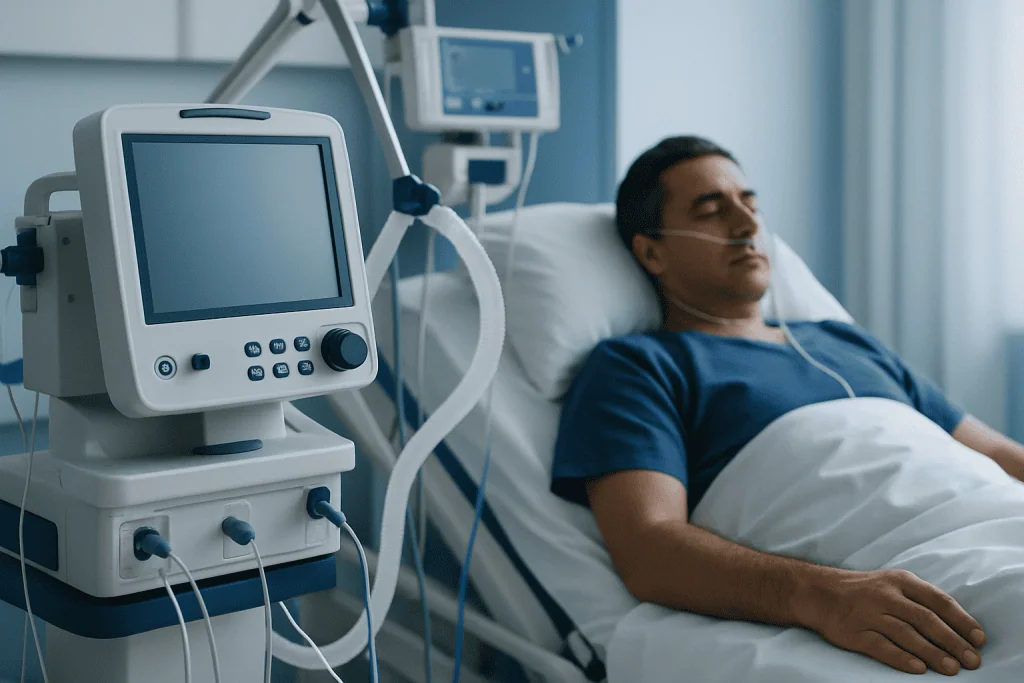
Discharge instructions for most procedures list a consistent set of changes that the treating team wants reported on the same day they appear, rather than at the next scheduled follow-up. Across specialties, that list usually includes:
- A new fever or chills
- Pain that is worsening despite the plan you were given
- Increasing redness, warmth, swelling, discharge or odour around a wound
- Bleeding or drainage beyond what was described as normal for your procedure
- Vomiting that stops you keeping fluids down, or urinating much less than usual
- Persistent diarrhoea, faintness on standing, or a suspected reaction to a medicine
- New numbness, weakness, severe headache, or a clear loss of mobility after an orthopaedic or neurological treatment
If you have drains, catheters, dressings or compression garments, changes in how they look or function belong on the same list. These devices are checked against a baseline the nursing team recorded before you left, which is one reason the treating hospital is usually the right first point of contact while you are still in the country.
None of this list tells you what your specific symptom means: the same fever can have very different explanations depending on the procedure, the day of recovery, and your medical history. What the list tells you is which changes your team has decided, in advance, that it wants to assess rather than have you interpret alone. For a fuller treatment of this topic, see our guide to warning signs after discharge in Turkey.
How emergencies are handled while you are in Turkey

The clinical notice printed above every guide on this site carries the safety message for emergencies, and nothing in this guide replaces it. What is worth understanding in advance is the machinery, because knowing it removes hesitation at the worst possible moment.
Turkey’s national emergency number is 112. It covers ambulance services across the country, and hospital emergency departments in major cities operate around the clock. Emergency care does not wait for your treating team: emergencies are assessed wherever you present, and the treating hospital is informed afterwards so your records can be connected. This matters for international patients, who sometimes delay because they feel they must reach “their” doctor first. That is not how emergency care is designed to work anywhere, including here.
Your discharge paperwork should set out the urgent contact routes for your specific situation: which number reaches the hospital out of hours, which department to present to for an in-person review, and how your companion or hotel can help with transport. It is worth reading these pages before you need them, and telling the person travelling with you where they are. A companion who knows the plan, the hotel’s address in Turkish, and the location of your documents removes several minutes of confusion from a situation where minutes are the whole point.
Expected or unusual: how to read the trend
The single best reference point is the discharge information you received before leaving the hospital. It describes which symptoms are common for your procedure, how long they typically last, what level of pain and swelling is usual, and which changes the team asks to hear about. Comparing your situation with other patients’ accounts online is far less reliable: recovery differs by procedure, technique, medical history, age and medication, so someone else’s day five tells you little about yours.
Beyond the paperwork, the most useful habit is to look at trends rather than snapshots. Expected recovery symptoms usually improve slowly, stay manageable with the plan you were given, and respond at least partly to rest, hydration and wound care. Unusual symptoms tend to intensify, spread, return repeatedly, or start interfering with basic functions, drinking, sleeping, walking, breathing, passing urine. A wound that looks slightly red but the same as yesterday is a different situation from a wound that is visibly redder than it was this morning, even if the second one currently looks milder.
If you are unsure which pattern you are seeing, write it down. A short note every few hours, temperature if relevant, where the pain is and how strong, any drainage or bleeding, what you were doing when things changed, turns a vague worry into a timeline. Clinicians assess timelines quickly and well; they assess “it just feels wrong” more slowly, though that feeling is still worth reporting. Patients who track symptoms also tend to notice genuine improvement they would otherwise miss, which matters for morale in a hotel room far from home.
Information that makes a clinical assessment faster
You do not need medical vocabulary to describe a problem, but a few details, gathered before the conversation, change its quality entirely. Keep together in one place: your discharge summary, your medication list, your allergy information, your patient identification number, and any follow-up appointment details. If you have measured anything, temperature, blood pressure, blood sugar, oxygen level, note the readings and the times.
Be ready to describe the basics: when the problem started, whether it is constant or comes and goes, what makes it better or worse, and whether you can eat, drink, sleep, walk, and pass urine and stool normally. If the concern is visible, such as a wound or swelling, photographs can help, but ask first, and send them only through the channel the hospital specifies, because informal messaging routes may not reach your clinical record.
Behind the scenes, your description is matched against the notes your team recorded during treatment: the operative details, the baseline appearance of your wound, your medication history. This is why the treating hospital can often assess a concern faster than a clinician meeting you cold. Our guide to clinical handover in Turkey explains how that information moves between the people caring for you. If language is a worry, interpreter support is part of how Acibadem’s international patient services work, so a symptom described in your own language reaches the specialist team accurately.
Keeping your recovery on a practical footing
Good aftercare is not only about spotting problems; it is about arranging your days so that a problem, if it comes, is easy to act on. Follow the instructions you were given about rest, movement, wound care, bathing, food, fluids and medicines, and take your prescribed medicines exactly as your treating doctor directed, any change to that plan is theirs to make, not something to improvise. Keep your phone charged. Stay somewhere with straightforward transport to the hospital, and avoid plans in the first days that would make a short-notice review awkward. If you have not yet booked where you will recover, our guide to booking recovery accommodation in Turkey covers what to check before confirming.
Before discharge, make sure the follow-up plan is clear in plain terms: who handles questions during office hours, who handles them after hours, and when your next review is due. If you are moving from hospital to hotel, or between cities, confirm whether that travel is appropriate for your stage of recovery and whether you need compression garments, assistance, or supplies.
Do not assume flying home is fine simply because your departure date has arrived. If symptoms are new or worsening, the timing of travel is a clinical decision, and your treating team may prefer to review you before you board. It is far easier to adjust a flight than to manage a complication mid-air or in transit. Once you are home, a different set of questions takes over: our guide to complications after you return home picks up where this one ends.
Step by step
- Re-read your discharge instructions. They are written for your procedure and your case, and they name the symptoms your team expects, the ones it asks to hear about, and the contact routes for each situation.
- Place what you are feeling in that framework. Is this on the expected list, is it a change the paperwork flags, or is it something the instructions do not mention at all? A symptom that fits nowhere is itself worth reporting.
- Write down the key facts. When it started, whether it is worsening, your temperature if relevant, what medicines you have taken and when, and whether you can drink, walk, sleep and pass urine normally.
- Use the contact route in your paperwork. The number or channel listed there reaches people who can see your record. Interpreter support can be arranged if you need it.
- Confirm you understood the advice. Whether the answer is monitoring, a dressing change, or an in-person review, repeat the instruction back in your own words before the conversation ends. Ambiguity at 11 p.m. in a hotel room helps nobody.
- Keep someone informed. Tell your companion, the hotel desk or a relative what is happening and where your documents are, so transport and communication are simple if the situation changes.
Your checklist
- Keep your discharge papers and the hospital’s contact routes within reach, not in a suitcase.
- Know which symptoms are expected for your specific procedure, and roughly how long they should last.
- Save the hospital, coordinator and interpreter contacts in your phone before you need them.
- Track fever, pain, bleeding, swelling, vomiting and fluid intake in a simple timeline if symptoms appear.
- Do not drive yourself if you feel faint or weak; plan transport in advance.
- Bring your medication list and allergy information to any urgent visit.
- Ask before sending wound photos, and use only the channels the hospital specifies.
- Tell the person travelling with you where the paperwork is and what the plan says.
Key takeaways
- A recovery concern is worth reporting to your treating team if it is new, worsening, persistent, or different from the course described at discharge.
- Care teams sort concerns into expected symptoms, same-day questions and emergencies, and same-day questions exist precisely so they do not become emergencies.
- Emergencies in Turkey run through the 112 number and hospital emergency departments; the standing clinical notice above this guide applies at all times.
- A short symptom timeline, your medication list and your discharge paperwork make any clinical assessment faster and more accurate.
- Flying home with new or worsening symptoms is a clinical decision, not a calendar one.
Frequently asked questions
How do I know whether my pain is normal or a warning sign?
Some pain after treatment is expected, especially with movement in the first days. The pattern matters more than the intensity: pain that gradually eases fits the expected course, while pain that suddenly worsens, stops responding to your prescribed plan, or arrives with fever, spreading redness or a clear loss of function is the kind of change treating teams ask to hear about the same day.
Is a mild fever after surgery something to report?
A new fever is generally on the list of changes discharge instructions ask patients to report, particularly if it persists or comes with chills, wound redness, discharge or feeling generally unwell. What a fever means depends on the procedure, the day of recovery and your history, which is why it is assessed against your record rather than interpreted alone in a hotel room.
What if my symptoms get worse at night while I am in a hotel?
Your discharge paperwork should list an after-hours contact route, and hospital emergency departments in Turkish cities operate around the clock; Turkey’s national emergency number is 112. Reading those pages before you need them, and making sure your companion knows the plan, removes most of the confusion a night-time change can cause.
Can I fly home if my recovery does not seem to be progressing normally?
Travel timing with new or worsening symptoms is a clinical decision. Treating teams may want to review you, adjust the plan, or advise a short delay, because managing a complication is far harder in transit than in the city where you were treated. Rebooking a flight is almost always the cheaper problem to have.
What information should I have ready when I raise a concern?
Your name or patient number, the treatment you had, when the symptom started and whether it is worsening, the medicines you have taken and when, and any readings such as temperature. Practical details count too: whether you can drink, eat, walk, sleep, and pass urine and stool normally. A short written timeline is worth more than a long description from memory.
I do not speak Turkish. How can I explain what is happening clearly?
Interpreter support is part of how international patient services work at Acibadem, and the contact routes in your discharge paperwork are set up with non-Turkish speakers in mind. Describing symptoms in your own language and letting the interpretation happen on the hospital’s side is more reliable than translating medical terms yourself.
What happens if I need more treatment before I can leave Turkey?
Sometimes a review leads to a changed plan: an extra dressing appointment, a delayed departure, or occasionally readmission. Hospitals coordinate the practical side, appointments, records, and communication with the specialist team, and it is sensible to ask before treatment how additional care and its costs would be handled, so nothing about the process is a surprise.
Add us as a Preferred Source to see more of our trusted health content across Google Search, AI Overviews and Discover.

Update history
- PublishedAugust 21, 2026
- Medical review approvedSeptember 13, 2026
- Last content updateSeptember 12, 2026
References3
- MedlinePlus: After Surgery medlineplus.gov
- CDC Travelers' Health: Medical Tourism wwwnc.cdc.gov
- NHS: Sepsis nhs.uk
More Patient Guides

Septoplasty Recovery: Week by Week
Learn what to expect after deviated septum surgery: a week-by-week septoplasty recovery timeline, when it is usually safe to fly home, and…

Gallbladder Surgery Recovery: Week by Week
Learn what to expect after gallbladder surgery: a week-by-week recovery timeline, pain, diet, wound care, when it is safe to fly home…
Robotic Hysterectomy Recovery: Week by Week
Recovery from robotic hysterectomy week by week: pain, lifting, wounds, driving, flying home safely, warning signs and questions to ask before you…

Breast Reconstruction Recovery: Week by Week
DIEP flap recovery week by week: hospital stay, drains, pain, walking, showering, driving, when it is usually safe to fly home, and…