Bump Inside Piercing: What Patients Need to Know

Most bumps inside a piercing are due to irritation, pressure, or normal healing rather than a dangerous condition. Pain, spreading redness, warmth, pus, fever, or worsening swelling can suggest infection and should be assessed by a clinician.
Key Takeaways
- Most bumps inside a piercing are due to irritation, pressure, or normal healing rather than a dangerous condition.
- Pain, spreading redness, warmth, pus, fever, or worsening swelling can suggest infection and should be assessed by a clinician.
- Touching, twisting, changing jewelry too early, or using harsh products can prolong healing and make bumps worse.
- A doctor may distinguish between irritation, infection, granuloma, hypertrophic scar, and keloid.
- Prompt medical advice is important if the piercing is in cartilage, the bump keeps growing, or symptoms do not improve.
A bump inside piercing is commonly caused by irritation, swelling, trapped debris, or scar tissue rather than a serious problem. Care depends on the cause, so it helps to know which signs suggest simple healing and which point to infection or abnormal scarring.
Overview: What a Bump Inside a Piercing Usually Means
A bump inside piercing tissue usually means the area is irritated or healing unevenly. In many people, the bump is linked to friction from jewelry, pressure while sleeping, moisture, trapped skin cells, or mild inflammation rather than a dangerous infection. Even so, bumps can look similar, so the most useful approach is to consider timing, symptoms, and how the piercing has been cared for.
Several different problems can create a lump or raised spot around a piercing channel. These include a simple irritation bump, a pustule, a small pocket of fluid, overgrowth of healing tissue called granuloma, a hypertrophic scar, or a keloid. Less commonly, a bump may be part of a true infection, especially if there is increasing pain, heat, redness, or discharge.
The location matters too. Earlobe piercings often heal more easily than cartilage piercings, while nose, navel, and upper ear piercings can be slower to settle and are more prone to persistent bumps. Looking after the piercing gently and avoiding unnecessary trauma can help reduce the chance of prolonged swelling or scarring.
Common Signs and How to Tell Healing From a Problem
A healing piercing may feel tender for a short time and can show mild redness or slight crusting. A small bump may appear during healing if the jewelry rubs the skin or if the area has been touched often. This kind of bump is usually localized, not very warm, and tends to improve when irritation is reduced.
Signs that suggest a bump may be more than simple irritation include throbbing pain, worsening swelling, yellow or green pus, an unpleasant odor, or redness that spreads beyond the immediate piercing site. Some people also notice the jewelry feels tight, the skin looks shiny from swelling, or the bump becomes increasingly soft and filled with fluid.
Scar-related bumps behave differently. A hypertrophic scar stays close to the piercing hole and may slowly flatten over time. A keloid grows beyond the original site and may continue enlarging, sometimes with itching or firmness. Similar scar patterns can occur with other skin problems, including skin changes that need medical evaluation, so any persistent or unusual lesion should be assessed professionally.
- Mild irritation: small, localized, often linked to friction or pressure
- Infection: increasing pain, warmth, pus, or spreading redness
- Granuloma: moist, red, fragile overgrowth that may bleed easily
- Hypertrophic scar: raised scar that stays within the piercing margin
- Keloid: firm scar tissue that extends beyond the piercing site
Why Bumps Form: Causes and Risk Factors

The most common reason for a bump inside a piercing is repeated irritation. This may come from sleeping on the piercing, catching jewelry on clothing or hair, using earphones or helmets, or twisting the jewelry during cleaning. Jewelry that is too tight, too heavy, or made from a metal that triggers sensitivity can also keep the tissue inflamed.
Aftercare habits also play a major role. Overcleaning with alcohol, hydrogen peroxide, or strong antiseptics may dry and damage the skin. On the other hand, inadequate cleaning can allow buildup of sweat, cosmetics, hair products, or dead skin. Changing jewelry too early can disrupt the healing channel and restart inflammation.
Certain piercings carry higher risks. Cartilage has a lower blood supply than the earlobe, so cartilage piercings may heal more slowly and are more vulnerable to infection and tissue damage. People who are prone to scarring, have eczema or contact allergies, or have had previous problems such as skin infections may be more likely to develop a stubborn bump.
General health can influence healing as well. Smoking, uncontrolled diabetes, repeated trauma, and immune suppression can all delay tissue repair. In these situations, a piercing bump deserves earlier medical review because healing may not follow the usual pattern.
How Doctors Evaluate a Piercing Bump
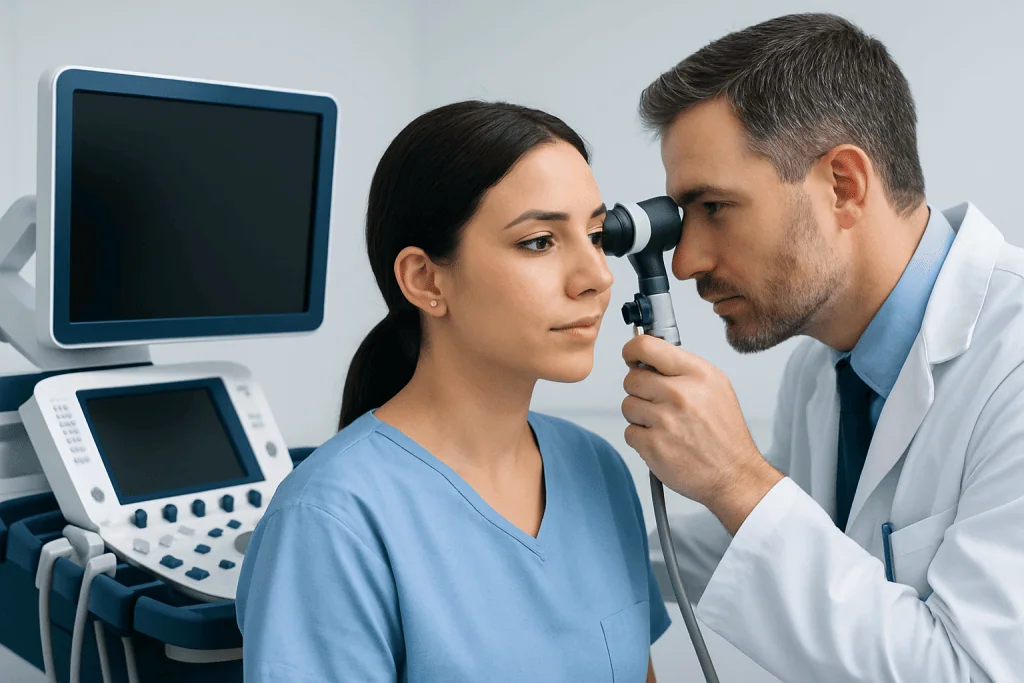
Diagnosis usually begins with a physical examination and a brief history. A clinician may ask when the piercing was done, whether the jewelry has been changed, what cleaning products have been used, and whether there are symptoms such as fever, drainage, or severe pain. These details often help distinguish irritation from infection or abnormal scar formation.
The appearance of the bump gives useful clues. A moist, bright red overgrowth may suggest granuloma. A firm, smooth, enlarging mass may point to keloid or hypertrophic scar. Diffuse swelling, warmth, and tenderness are more concerning for infection. If cartilage is involved, clinicians are particularly careful because cartilage infections can worsen quickly and may affect the shape of the ear or nose.
Testing is not always needed. However, if there is significant discharge, recurrent infection, or poor response to initial care, a doctor may take a sample for culture or recommend further assessment. In selected cases, referral to dermatology evaluation can help clarify whether the bump is inflammatory, infectious, or scar-related.
Treatment Options Depend on the Cause
Treatment for a bump inside piercing is based on what is causing it. For a simple irritation bump, the main steps are to reduce friction, avoid touching or twisting the jewelry, and use gentle saline cleansing if advised by a clinician. Many mild bumps improve when pressure and harsh products are removed from the routine.
If the issue is infection, medical treatment may be needed. A doctor may advise local care, drainage in selected cases, or prescription medicine when symptoms and examination suggest bacterial involvement. People should avoid self-treating with leftover antibiotics or trying to squeeze the bump, as this can worsen swelling and spread infection.
Scar-related bumps may need a different approach. Hypertrophic scars and keloids can require measures such as pressure reduction, silicone-based scar care, or procedural treatment by specialists. In persistent cases, patients may benefit from specialist skin care and dermatology treatment or, when a lesion needs removal or repair, plastic and reconstructive surgery assessment.
Jewelry decisions should be made carefully. Removing jewelry too soon can sometimes trap infection or close the opening around inflamed tissue, while leaving unsuitable jewelry in place can maintain irritation. A clinician or experienced medical professional can advise whether the jewelry should stay, be replaced with a better-fitting piece, or be removed.
Self-Care and Prevention During Healing
Gentle care is the best prevention. Hands should be washed before touching the area, and unnecessary handling should be avoided. Sleeping on the piercing, picking off crusts, and rotating the jewelry can all delay healing. Cleanliness matters, but aggressive cleaning often does more harm than good.
Choosing appropriate jewelry is also important. High-quality materials that are less likely to trigger allergic reactions, and jewelry with the correct length and fit, can reduce ongoing trauma. People who develop repeated irritation from metal exposure may need formal assessment for contact sensitivity.
Helpful habits during healing include avoiding tight clothing or accessories over the site, keeping hair products and cosmetics away from the area, and drying the site gently after bathing. Swimming pools, hot tubs, and lakes may expose a fresh piercing to microbes and are best avoided until healing is well established or a clinician advises otherwise.
- Do not squeeze or pop the bump
- Do not apply alcohol or hydrogen peroxide unless specifically told to do so
- Do not change jewelry too early
- Reduce pressure from phones, headphones, helmets, or pillows
- Seek advice if the bump is growing or not improving
When to Seek Medical Care
Medical review is sensible if a piercing bump becomes more painful, larger, or more inflamed instead of gradually improving. It is especially important to seek care if there is fever, spreading redness, foul-smelling discharge, bleeding that is hard to stop, or the jewelry starts embedding into the skin. Cartilage piercings deserve prompt attention because complications can be more serious than with soft tissue piercings.
Persistent firm bumps should also be checked, particularly if there is a personal or family tendency toward keloids. A doctor can help distinguish scar tissue from infection and discuss options to prevent the bump from becoming more noticeable or permanent. If there are broader skin concerns, some people may also be assessed through a general medical check-up to identify factors that could interfere with healing.
For patients who need specialist assessment, Acibadem International’s multidisciplinary specialists and JCI-accredited hospitals diagnose and treat skin, wound-healing, and scar-related problems for international patients. A qualified clinician can provide a tailored plan based on the piercing site, the appearance of the bump, and the patient’s overall health.
Frequently asked questions
Is a bump inside a piercing always an infection?
No. Many piercing bumps are caused by irritation, swelling, trapped fluid, or scar tissue rather than infection. Infection is more likely when there is worsening pain, warmth, spreading redness, pus, or fever.
Should the jewelry be removed if there is a bump?
Not always. Removing jewelry too early can sometimes worsen the situation or allow the opening to close around inflamed tissue. A doctor can advise whether the jewelry should stay in place, be changed to a better fit, or be removed.
How long does a piercing bump take to go away?
The timeline depends on the cause. A mild irritation bump may improve over days to a few weeks once friction and harsh aftercare stop. Scar-related bumps can last much longer and may need medical treatment.
Can a piercing bump be a keloid?
Yes, but not every bump is a keloid. Keloids are firm scars that grow beyond the original piercing site and may continue enlarging. They are different from hypertrophic scars, which stay within the piercing boundary.
Is it safe to pop or squeeze a piercing bump?
No. Squeezing can damage tissue, push bacteria deeper, increase swelling, and make scarring more likely. It is safer to keep the area clean and seek medical advice if the bump is painful, draining, or enlarging.
Are cartilage piercing bumps more concerning than earlobe bumps?
Often, yes. Cartilage has a lower blood supply, so healing can be slower and infection can cause more significant problems. A painful, swollen, or draining cartilage piercing should be assessed sooner rather than later.
References
- American Academy of Dermatology
- American Academy of Pediatrics
- National Health Service
- Mayo Clinic
- Merck Manual
This article is for general information only and is not a substitute for professional medical advice. Please consult a qualified doctor about your individual situation.
Explore treatments in Turkey — costs, top hospitals & a free quote
JCI-accredited · board-certified surgeons · reply within 24h