Escherichia Coli in Urine: An Evidence-Based Guide for Patients
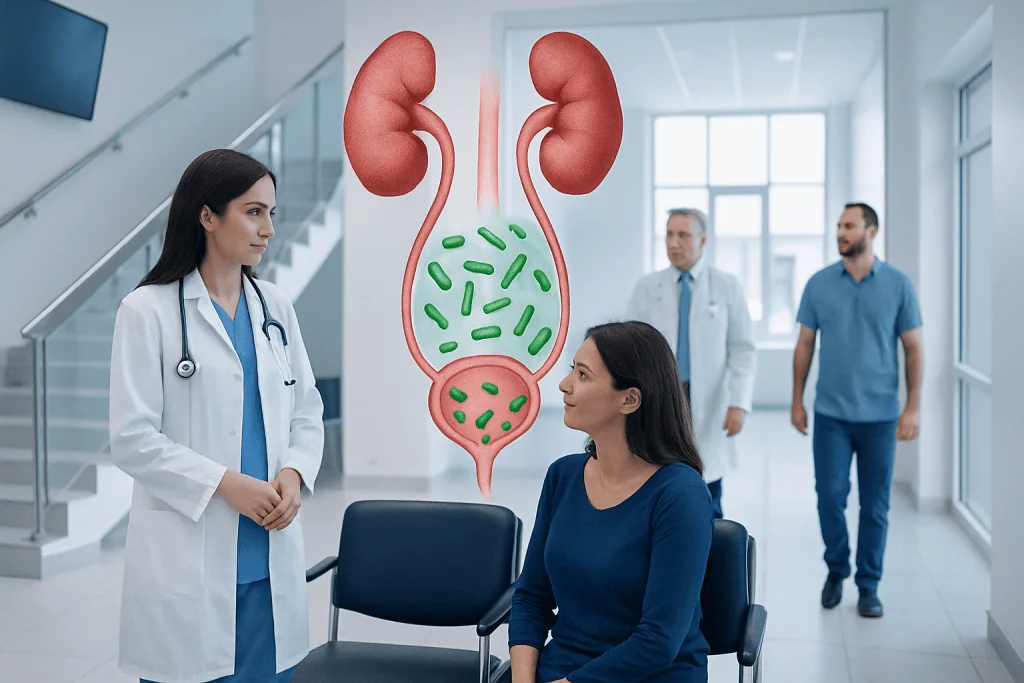
E. coli is the most common cause of urinary tract infections. Symptoms may include burning with urination, urgency, frequency, lower abdominal discomfort, or cloudy urine.
Key Takeaways
- E. coli is the most common cause of urinary tract infections.
- Symptoms may include burning with urination, urgency, frequency, lower abdominal discomfort, or cloudy urine.
- A urine test and sometimes a urine culture help confirm the diagnosis and guide treatment.
- Not all bacteria found in urine need treatment; management depends on symptoms and clinical context.
- Prompt medical care is important if there is fever, flank pain, pregnancy, or recurrent infections.
Medically reviewed by the Acıbadem International Medical Board — July 23, 2026
Escherichia coli in urine usually indicates that E. coli bacteria have entered the urinary tract, often causing a urinary tract infection (UTI). Most cases can be diagnosed with urine testing and treated effectively, but the right approach depends on symptoms, age, pregnancy status, and whether the infection is simple or complicated.
Overview: What escherichia coli in urine means
Escherichia coli in urine usually means that E. coli bacteria are present in the urinary tract. In many people, this points to a urinary tract infection, especially when it is accompanied by symptoms such as burning during urination, a frequent urge to urinate, or lower abdominal discomfort. E. coli normally lives in the intestines without causing harm, but it can cause infection if it reaches the urethra and bladder.
This finding is common and treatable. In a simple bladder infection, symptoms may stay limited to the lower urinary tract. If the infection travels upward toward the kidneys, it can become more serious and may cause fever, chills, nausea, vomiting, or pain in the side or back.
It is also important to know that bacteria in urine do not always mean active infection. Sometimes a urine sample becomes contaminated during collection, and sometimes bacteria are present without symptoms, a situation called asymptomatic bacteriuria. Because of this, doctors interpret urine results together with symptoms, medical history, and, when needed, a urine culture.
Symptoms and how they can feel
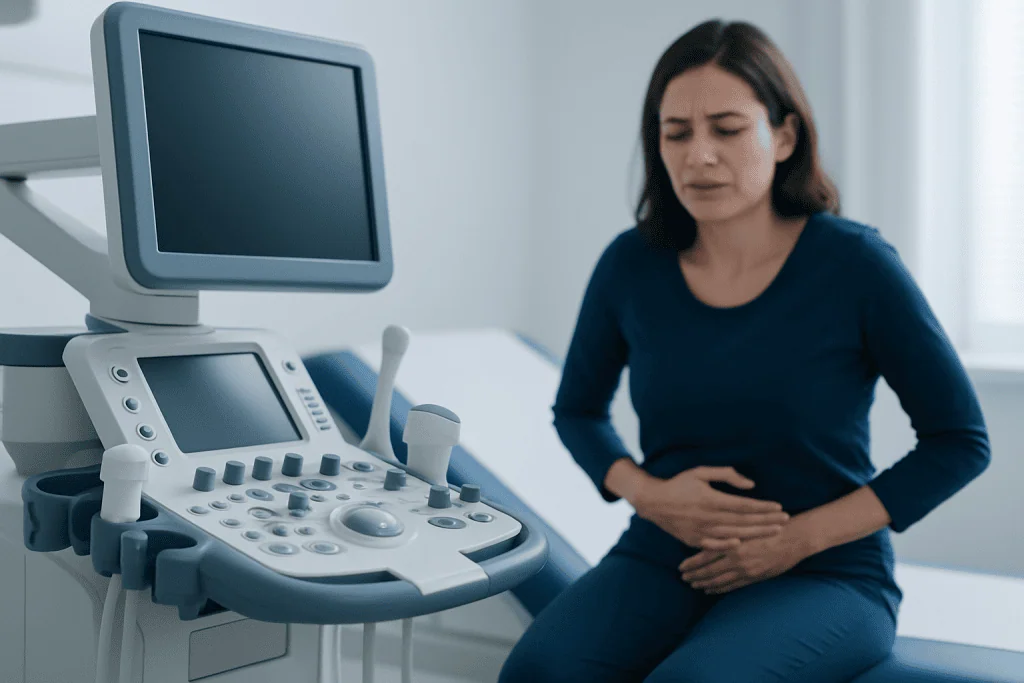
The symptoms of E. coli in urine depend on where the infection is located and how severe it is. A lower urinary tract infection often causes a burning or stinging feeling during urination, needing to urinate more often than usual, or a sudden strong urge to go even when little urine comes out. Some people notice pressure in the lower abdomen or pelvis.
Urine may appear cloudy, have a stronger odor than usual, or occasionally contain blood. In older adults, symptoms can be less typical, and in children they may include irritability, fever, poor feeding, or wetting accidents. These signs are not specific to E. coli, which is why testing is often needed.
If the infection involves the kidneys, symptoms usually feel more intense. Warning features include fever, chills, nausea, vomiting, and pain in the back or side below the ribs. Kidney infection needs prompt medical assessment because it can lead to complications if treatment is delayed.
- Burning or pain with urination
- Frequent urination or urgency
- Lower abdominal or pelvic discomfort
- Cloudy, dark, or blood-tinged urine
- Fever or flank pain, which may suggest kidney involvement
How E. coli gets into the urinary tract

E. coli most often reaches the urinary tract from the bowel area. The bacteria can move from the skin around the anus to the urethra, the tube that carries urine out of the body. From there, they may travel into the bladder and multiply. Because the female urethra is shorter and closer to the anus, bladder infections are more common in women, but men and children can also be affected.
Several factors can make infection more likely. Sexual activity can introduce bacteria into the urinary tract. Changes related to menopause may reduce the natural protection of the urinary lining. In men, an enlarged prostate may interfere with bladder emptying. Kidney stones, urinary retention, catheters, structural urinary tract problems, diabetes, and immune system conditions can also increase risk.
Sometimes E. coli in urine is seen in people who have no symptoms at all. In many adults, especially those who are not pregnant, this does not always need antibiotics. On the other hand, in pregnancy or before certain urologic procedures, treatment may be recommended because untreated bacteria can raise the risk of complications. If urinary symptoms are ongoing or recurrent, doctors may also consider related conditions such as urinary tract infection or problems affecting bladder drainage.
How doctors diagnose it
Diagnosis starts with symptoms and a urine sample. A dipstick urinalysis may show signs that support infection, such as white blood cells, nitrites, or blood. A microscope can provide more detail by identifying bacteria and inflammatory cells. These tests can be done quickly, but they do not always identify the exact organism.
A urine culture is the most useful test for confirming E. coli and learning which antibiotics are likely to work. This is especially important when symptoms are severe, infections keep coming back, the patient is pregnant, there is a catheter, or the person has underlying kidney or urinary tract problems. The sample should ideally be collected as a clean-catch midstream specimen to reduce contamination.
Further evaluation may be needed in certain cases. Doctors may order blood tests if there are signs of a more serious infection, or imaging if they suspect a blockage, kidney stones, or structural abnormalities. When detailed evaluation of the urinary tract is needed, specialists may use urology care and, in selected cases, MRI or other imaging to look for complications or reasons for repeated infections.
Treatment options and what recovery looks like
Treatment depends on whether the infection is uncomplicated or complicated, where it is located, and whether the person has symptoms. For a typical bladder infection caused by E. coli, clinicians often prescribe antibiotics based on local resistance patterns and the person’s allergies, age, pregnancy status, and medical history. If a culture was sent, treatment may be adjusted once the result shows which antibiotic the bacteria are sensitive to.
Symptoms often start improving within a few days of starting appropriate treatment, but it is important to take medication exactly as prescribed unless a clinician advises otherwise. Drinking enough fluids may help some people feel more comfortable, though fluids alone do not replace antibiotics when there is a true bacterial infection. Pain relief measures may also be recommended.
More involved treatment may be needed if the kidneys are affected, if there is high fever or vomiting, if oral medication cannot be tolerated, or if there is a blockage such as a stone. Recurrent infections may prompt a search for contributing causes, including incomplete bladder emptying or an underlying urinary tract abnormality. In these situations, specialist assessment through nephrology or urology can help guide further care. Acibadem International’s multidisciplinary specialists in JCI-accredited hospitals also diagnose and treat urinary infections and related urinary tract conditions for international patients.
Prevention and self-care after infection
Prevention focuses on reducing the chance that bacteria will enter or remain in the urinary tract. Practical habits include drinking fluids regularly, not delaying urination for long periods, and emptying the bladder fully when possible. Many clinicians also advise urinating after sexual activity and avoiding products that may irritate the genital area.
Personal hygiene can help, but it should be simple and gentle. Wiping from front to back after using the toilet may reduce transfer of bowel bacteria toward the urethra. Very harsh soaps, douching, and heavily fragranced products can sometimes irritate tissues and are generally best avoided.
People with repeated infections may need a more individualized prevention plan. Depending on age, sex, and risk factors, a clinician may discuss evaluation for bladder emptying problems, stones, menopause-related changes, or other conditions. Preventing recurrence is not only about lifestyle; in some cases, the key is identifying and correcting an underlying issue.
When to seek medical care
Medical advice is recommended whenever urinary symptoms are new, persistent, or worsening. A clinician should assess symptoms such as burning urination, urgency, lower abdominal pain, or visible blood in urine, especially if they do not improve quickly. Accurate diagnosis matters because similar symptoms can occur with irritation, stones, sexually transmitted infections, or other urinary conditions.
Prompt medical care is especially important if there is fever, back or flank pain, nausea, vomiting, pregnancy, diabetes, a weakened immune system, or a urinary catheter. Infants, young children, older adults, and men with urinary symptoms should also be evaluated carefully because the causes and risks may differ. Repeated episodes deserve follow-up to look for a contributing problem rather than treating each infection in isolation.
Emergency care may be needed if a person appears very unwell, has signs of dehydration, cannot keep fluids down, develops confusion, or has severe pain. Early treatment can help prevent complications and support a smoother recovery.
Frequently asked questions
Does escherichia coli in urine always mean a UTI?
Not always. It often suggests a urinary tract infection when symptoms are present, but bacteria can also appear because of sample contamination or asymptomatic bacteriuria. A doctor interprets the result together with symptoms and, if needed, a urine culture.
Can E. coli in urine go away without antibiotics?
Some mild urinary symptoms may improve, but a true bacterial UTI often needs antibiotics, especially when symptoms are bothersome or there are risk factors for complications. Kidney infections, pregnancy, fever, or worsening symptoms should not be managed without medical advice. Treatment decisions should be made by a qualified clinician.
What is the difference between a urine test and a urine culture?
A routine urine test, such as urinalysis, looks for signs of infection like white blood cells, blood, or nitrites. A urine culture grows bacteria from the sample to identify the organism, such as E. coli, and may show which antibiotics are likely to work. Culture is especially useful in recurrent, severe, or complicated cases.
Is E. coli in urine dangerous during pregnancy?
It can be more important to evaluate during pregnancy because urinary infections may increase the risk of complications if left untreated. Even bacteria in urine without symptoms may need treatment in pregnant patients. Anyone who is pregnant and has urinary symptoms or a positive urine test should contact a healthcare professional promptly.
Why do E. coli urine infections keep coming back?
Recurrent infections can happen for several reasons, including sexual activity, incomplete bladder emptying, kidney stones, menopause-related changes, catheter use, or underlying urinary tract abnormalities. Sometimes antibiotic resistance or an initial infection that was not fully cleared also plays a role. Repeated episodes should be reviewed by a clinician to look for the cause.
Can men get E. coli in urine too?
Yes. Although urinary infections are more common in women, men can also develop E. coli in urine, especially with prostate enlargement, urinary retention, catheters, or urinary tract abnormalities. Because UTIs in men are often considered more complicated, medical evaluation is important.
References
- Centers for Disease Control and Prevention
- National Institute of Diabetes and Digestive and Kidney Diseases
- National Health Service
- European Association of Urology
- Infectious Diseases Society of America
This article is for general information only and is not a substitute for professional medical advice. Please consult a qualified doctor about your individual situation.
Explore treatments in Turkey — costs, top hospitals & a free quote
JCI-accredited · board-certified surgeons · reply within 24h