Floating Ribs: A Complete Medical Overview
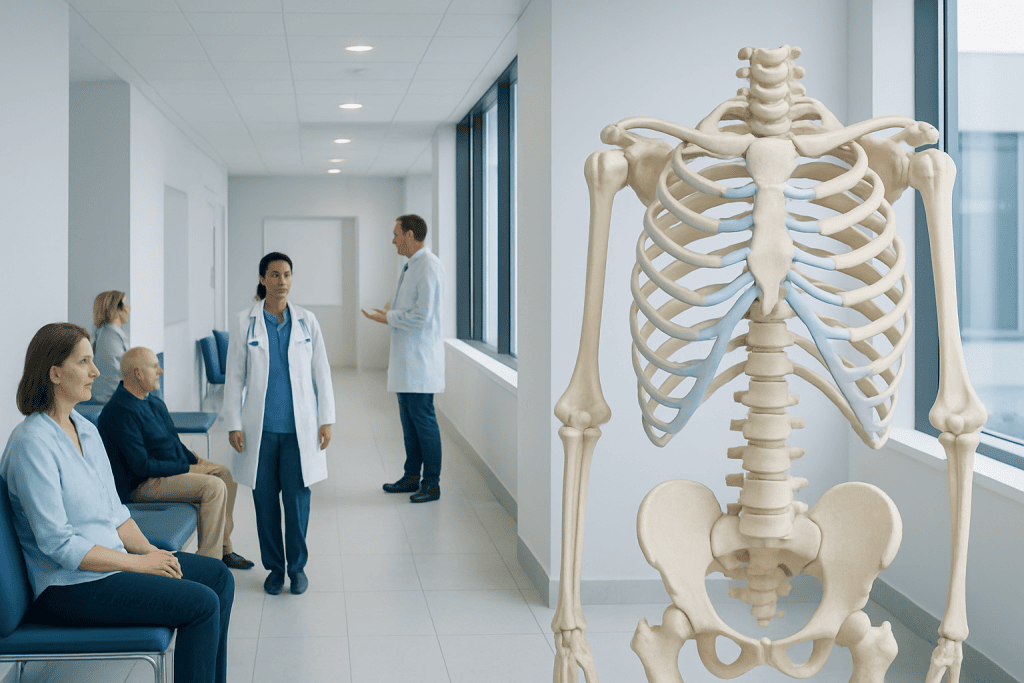
Floating ribs are normal ribs located at the bottom of the rib cage. They are called “floating” because they do not attach to the sternum.
Key Takeaways
- Floating ribs are normal ribs located at the bottom of the rib cage.
- They are called “floating” because they do not attach to the sternum.
- Pain near floating ribs is not always caused by the bones themselves and may come from muscles, cartilage, or nearby organs.
- Diagnosis often relies on medical history, physical examination, and imaging when needed.
- Treatment depends on the cause and may include rest, pain relief, physical therapy, or treatment of an underlying condition.
- Urgent assessment is needed for severe chest pain, breathing difficulty, or pain after significant trauma.
Medically reviewed by the Acıbadem International Medical Board — July 24, 2026
Floating ribs are the 11th and 12th pairs of ribs, which attach to the spine at the back but do not connect to the breastbone in front. In most people they are a normal part of rib anatomy, but pain in this area can happen with injury, muscle strain, inflammation, or less commonly conditions such as slipping rib syndrome.
Overview: what floating ribs are
Floating ribs are the lowest two pairs of ribs in the human body, usually known as the 11th and 12th ribs. Like all ribs, they connect to the thoracic spine at the back. What makes them different is that they do not join the sternum, or breastbone, at the front. Because they end within the abdominal wall muscles rather than attaching to the sternum, they are called “floating.”
This is a normal anatomical feature, not a disease. Many people learn about floating ribs while looking into rib pain, posture concerns, or a visible difference in the shape of the lower chest. In most cases, floating ribs cause no symptoms and need no treatment.
However, pain in the lower rib area can sometimes involve the floating ribs or the tissues around them. The discomfort may come from a strained muscle, bruising, inflammation, a rib injury, or movement-related irritation. Less commonly, doctors may consider conditions such as slipping rib syndrome when symptoms suggest abnormal rib motion.
How floating ribs differ from other ribs
The rib cage is commonly described in three groups. The first seven pairs are called true ribs because they connect directly to the sternum through their own cartilage. Ribs eight through ten are known as false ribs because they connect indirectly through the cartilage of the rib above. Ribs eleven and twelve are the floating ribs because they do not connect to the sternum at all.
This design helps protect internal organs while still allowing the chest and upper abdomen to move during breathing, twisting, and bending. Floating ribs are shorter and more mobile than the upper ribs. That extra mobility is one reason why discomfort in this area may feel sharp, positional, or linked to certain movements.
Even so, having prominent or easily felt floating ribs does not automatically mean something is wrong. Body shape, muscle mass, posture, and natural anatomical variation can all affect how visible or noticeable the lower ribs are. A doctor usually becomes concerned only when there is pain, tenderness, injury, swelling, or other symptoms that suggest a medical problem.
Symptoms and what pain can feel like

Floating ribs themselves are often symptom-free. When symptoms do occur, the most common complaint is pain along the lower side of the chest or upper abdomen. Some people describe it as sharp, stabbing, aching, sore, or tender to touch. Others notice a clicking, popping, or shifting sensation during movement, coughing, stretching, or turning the trunk.
The pattern of pain can offer clues. Pain after a fall, sports impact, or direct blow may point to bruising or fracture. Pain that worsens with twisting, lifting, coughing, or deep breathing may be related to intercostal muscle strain or irritation around the rib joints. A clicking sensation can raise suspicion for abnormal rib movement, especially if the symptoms can be triggered by a certain motion.
Other symptoms depend on the cause and may include:
- Localized tenderness
- Swelling or bruising after injury
- Pain with deep breaths
- Discomfort when lying on one side
- Muscle spasm in the chest or upper abdomen
- Reduced comfort during exercise or daily activities
It is also important to remember that not all pain in the lower rib region comes from the rib cage. The lungs, pleura, gallbladder, kidneys, digestive tract, and nerves can all cause pain that seems to come from the lower ribs. That is why persistent or unexplained symptoms should be assessed by a qualified clinician.
Causes of floating rib area pain and related risk factors
The most common causes of pain around floating ribs are usually musculoskeletal, meaning they involve bones, cartilage, joints, ligaments, or muscles. A muscle strain from lifting, sports, repetitive twisting, intense coughing, or sudden awkward movement is a frequent reason. Contusions and rib fractures can happen after trauma, especially from falls, vehicle accidents, or contact sports.
Inflammation can also cause lower rib discomfort. This may involve cartilage or soft tissues around the rib cage. Although upper chest pain is more often linked to costochondritis, inflammation elsewhere in the chest wall can also produce similar tenderness and pain with movement or breathing. In some patients, clinicians consider abnormal motion of the lower ribs, such as slipping rib syndrome, when pain is recurrent and mechanical in nature.
Risk factors depend on the underlying cause but often include:
- Sports or activities with twisting, overhead movement, or contact
- Repetitive heavy lifting
- Recent coughing illness
- Direct trauma to the chest or side
- Poor conditioning or muscle imbalance
- Osteoporosis or fragile bones in older adults
Sometimes the source of pain is outside the rib cage. Problems affecting the lungs, the lining around the lungs, the upper abdomen, or nerves can all mimic floating rib pain. For that reason, doctors look at the full clinical picture rather than assuming the floating ribs are always responsible.
How doctors diagnose floating rib-related problems
Diagnosis begins with a careful history and physical examination. A doctor will ask when the pain started, whether there was an injury, what movements trigger it, and whether there are symptoms such as shortness of breath, fever, cough, digestive upset, or abdominal pain. The exact location of tenderness and whether the pain can be reproduced by pressing or moving the trunk are often very helpful clues.
During the examination, the clinician may check the chest wall, back, and upper abdomen and listen to the lungs. In some cases, a doctor may gently perform movement-based maneuvers to see whether certain positions trigger symptoms. This can help distinguish muscle strain, bruising, fracture, nerve irritation, and conditions linked to rib hypermobility.
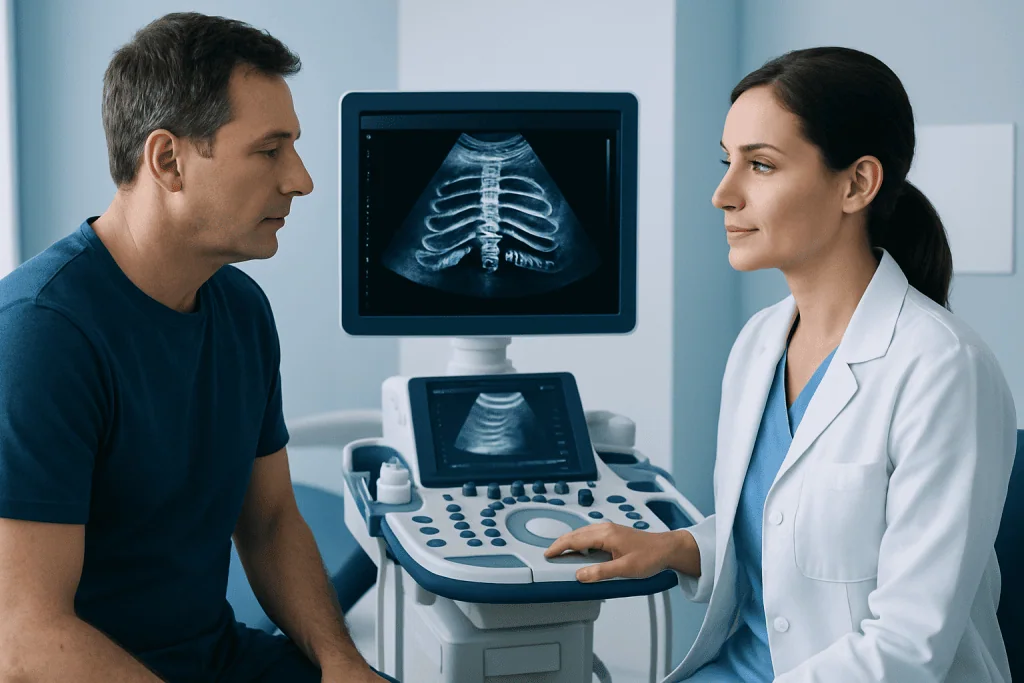
Imaging is not always needed, but it may be recommended if there was trauma, severe pain, breathing symptoms, or concern for another condition. Depending on the situation, this may include X-ray, ultrasound, or advanced imaging such as MRI or CT scan. Imaging helps rule out fractures, internal injury, or causes outside the chest wall when the diagnosis is uncertain.
Because lower rib pain can overlap with abdominal or chest conditions, some people may need blood tests or assessment by another specialist. The goal is not simply to identify a painful rib, but to confirm the true cause and guide the safest treatment plan.
Treatment options and recovery
Treatment depends on the reason for the pain rather than on the presence of floating ribs alone. When symptoms are caused by a minor strain or bruise, care often focuses on relative rest, avoiding motions that worsen pain, and using simple pain relief measures recommended by a doctor. Many uncomplicated musculoskeletal causes improve gradually over days to weeks.
For persistent chest wall pain, supportive treatment may include heat or ice, posture correction, breathing exercises, and physical therapy and rehabilitation to improve flexibility, trunk stability, and muscle balance. A supervised program may be especially useful for athletes or for people whose symptoms return with work or exercise.
If a fracture is present, treatment is usually conservative unless there are complications. This may include pain control, activity modification, and guidance on safe breathing and movement while healing. If symptoms suggest another underlying issue, treatment is directed at that problem. For example, care may differ if the pain is due to inflammation, nerve irritation, abdominal disease, or a lung-related condition.
When symptoms are ongoing, severe, or difficult to explain, specialists may recommend further evaluation. In selected cases, referral to orthopedics, thoracic surgery, sports medicine, pain medicine, or rehabilitation specialists may help. Acibadem International’s multidisciplinary specialists in JCI-accredited hospitals diagnose and treat chest wall and rib-related conditions for international patients.
Prevention and self-care
Not all causes of floating rib pain can be prevented, but a few practical measures may reduce the risk of strain and reinjury. Warming up before sports, improving core strength, and using safe lifting technique can reduce excess stress on the lower rib cage. Gradually increasing exercise intensity rather than making sudden changes may also help.
Good posture and balanced movement matter because the lower ribs move with the spine, shoulders, and abdominal muscles. People who spend long hours sitting, twisting repeatedly at work, or coughing frequently may benefit from posture review and breathing mechanics training. If pain starts after exercise, early rest and adjustment of technique can help prevent symptoms from becoming more persistent.
Helpful self-care steps may include:
- Resting from activities that trigger sharp pain
- Using doctor-approved pain relief measures
- Applying ice early after injury and heat later if recommended
- Practicing gentle stretching only when acute injury has been ruled out
- Returning to sports or heavy work gradually
- Seeking medical advice if pain keeps returning
Self-care is appropriate only for mild, clearly mechanical discomfort. Pain that is severe, unexplained, associated with trauma, or accompanied by breathing problems should not be managed at home without medical advice.
When to seek medical care
Medical assessment is important if lower rib pain is severe, lasts more than a few days, keeps returning, or interferes with breathing, sleep, work, or exercise. A doctor should also evaluate pain that follows an accident, fall, or sports injury, especially if there is bruising, swelling, or difficulty taking a deep breath.
Urgent care is needed for chest pain with shortness of breath, fainting, fever, coughing up blood, sudden worsening symptoms, or pain that may not be related to movement. These features can suggest a problem that is not simply a rib or muscle issue. Pain on the lower ribs together with significant abdominal symptoms may also need prompt review.
In children, older adults, pregnant people, and individuals with osteoporosis or known lung disease, rib-region pain deserves particular attention because the causes and risks may be different. A timely examination helps identify whether the problem is a simple chest wall strain or something that needs more specific treatment.
Frequently asked questions
Are floating ribs normal?
Yes. Floating ribs are a normal part of human anatomy and refer to the 11th and 12th pairs of ribs. They attach to the spine but not to the sternum, which is why they are called floating.
Why do floating ribs hurt?
Pain in the floating rib area can happen because of muscle strain, bruising, fracture, inflammation, or irritation of nearby tissues. Sometimes the pain may come from another structure, such as the lungs, nerves, or upper abdominal organs, rather than the ribs themselves.
Can floating ribs cause abdominal pain?
They can contribute to pain felt at the upper side of the abdomen because the lower ribs sit close to the abdominal wall muscles and nearby organs. However, true abdominal pain may also come from digestive, kidney, or gallbladder conditions, so persistent symptoms should be checked by a doctor.
What is the difference between floating ribs and slipping rib syndrome?
Floating ribs are a normal anatomical feature. Slipping rib syndrome is a condition in which a rib, usually through abnormal movement of cartilage or lower ribs, causes pain, clicking, or a slipping sensation.
Do floating ribs need treatment?
Floating ribs themselves do not need treatment if they are not causing symptoms. Treatment is only needed when there is pain or an underlying problem such as injury, inflammation, or abnormal movement.
Can exercise make floating rib pain worse?
Yes, especially activities that involve twisting, lifting, impact, or repeated trunk movement. Rest, technique changes, and gradual return to activity are often helpful, but ongoing pain should be assessed professionally.
References
- Cleveland Clinic
- Mayo Clinic
- MedlinePlus
- American Academy of Orthopaedic Surgeons
- National Health Service
This article is for general information only and is not a substitute for professional medical advice. Please consult a qualified doctor about your individual situation.
Explore treatments in Turkey — costs, top hospitals & a free quote
JCI-accredited · board-certified surgeons · reply within 24h